
Capiz shell comfort crosses crafted by Philippine artisans offer a unique blend of spiritual comfort, natural elegance, and traditional heritage. These decorative pieces, made from the translucent shells of the Placuna placenta mollusk, are available in various designs ranging from minimalist, raw-edged natural shell inlays to intricate, brass-bound geometric patterns. Selecting the ideal design involves evaluating the quality of the shell processing, matching the frame materials to your home’s interior styling, and verifying the authenticity of the local craftsmanship.
Historically used as a durable glass substitute in Spanish-era windows, capiz has evolved into a highly sought-after material for delicate home decor. A comfort cross serves as a tactile, soothing object designed to fit comfortably in the palm of a hand during quiet contemplation, or to hang as a serene wall accent. By understanding the nuances of this traditional craft, you can select a piece that not only enhances your living space but also honors the generations of coastal artisans who keep this unique art form alive.
Understanding Capiz Shell Craftsmanship and Quality
Assessing the quality of a capiz shell comfort cross begins with examining the natural translucency and thickness of the shell inlay. High-quality capiz shells exhibit a distinct pearlescent luster that allows light to filter through softly, creating a warm, ambient glow. When evaluating a piece, hold it up to a natural light source or a warm lamp to check the uniformity of the shell layers. Well-selected shells are neither too thin—which makes them brittle and prone to cracking under tropical humidity shifts—nor excessively thick and opaque, which dulls their characteristic radiance.
Products mentioned in this guide


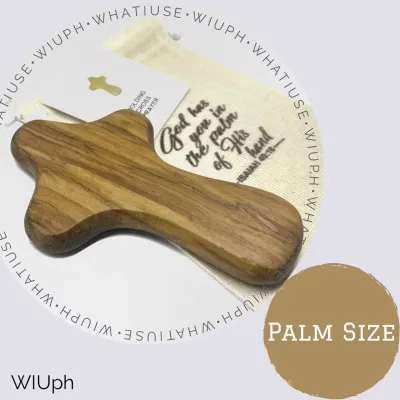


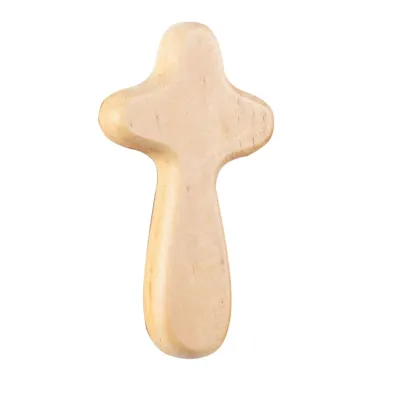
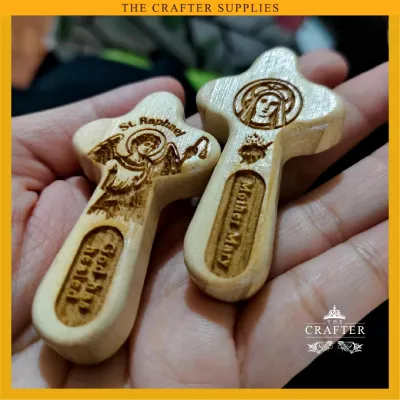

Prices are valid at publication and may change. Please refer to the product page for the latest price.
Edge finishing and polishing techniques are critical indicators of superior artisan work. Because capiz shells are naturally fragile, each piece must be meticulously trimmed, smoothed, and bound to prevent chipping. Run your fingers gently along the seams and outer borders of the cross; high-quality craftsmanship features smooth, flush joints without sharp, protruding fragments or rough adhesive residue. The surface should be polished to a gentle satin or semi-gloss sheen, preserving the natural texture of the shell while protecting its delicate calcium carbonate structure from environmental wear.
Distinguishing between natural shell variations and artificial treatments is essential for choosing an authentic piece. Genuine capiz shells naturally display subtle color variations, ranging from soft ivory and warm cream to delicate amber undertones. While some contemporary designs feature dyed shells to create vibrant patterns, these dyes should be applied evenly without masking the underlying pearlescence. Avoid pieces that rely on heavy, thick chemical varnishes, as these coatings can yellow over time when exposed to ambient light and heat, detracting from the shell’s organic beauty.
Evaluating Design Styles and Home Aesthetics
Matching a capiz shell comfort cross to your existing interior decor requires a careful look at the design style and shell arrangement. Traditional designs often feature dense, overlapping capiz tiles that cover the entire surface of the cross, creating a rich, textured mosaic that catches light from multiple angles. This style suits classic, rustic, or transitional homes, particularly those featuring traditional wooden furniture and warm color palettes. In contrast, contemporary minimalist designs use clean, geometric shell segments set against open space or framed in sleek metal, making them ideal for modern, Scandinavian, or industrial interior themes.

The choice of framing material significantly influences the visual weight and style of the comfort cross. Reclaimed wood frames, such as those made from old Philippine hardwood, offer a warm, earthy contrast that highlights the delicate nature of the shells. Wrought iron or brass borders introduce a structured, elegant contrast, while woven rattan or bamboo backings emphasize a tropical, coastal aesthetic that integrates seamlessly into airy, sunlit spaces. Consider how these materials coordinate with your existing wall finishes and furniture textures to create a cohesive look.
Determining the appropriate scale, proportion, and wall placement is vital for achieving visual balance in your room. A small, delicate comfort cross designed for personal handling or bedside display may get lost on a large living room wall, whereas an oversized statement piece can overwhelm a narrow hallway. For visual balance, place larger wall-mounted crosses at eye level in well-lit areas, ensuring they are securely anchored to the wall structure to prevent accidental falls. If you plan to hang the cross in a room with high ceilings, consider pairing it with complementary wall art to anchor the display.
Sourcing Authentic Pieces from Filipino Artisans
Identifying the visual and structural markers of handcrafted items helps differentiate genuine artisan pieces from mass-produced factory goods. Mass-produced replicas often display a rigid, sterile uniformity, with perfectly identical shell shapes and synthetic-looking finishes. Handcrafted pieces, on the other hand, bear subtle, charming irregularities. You might notice slight variations in the thickness of individual shell tiles, unique hand-cut angles, and minor differences in the alignment of the inlay, all of which reflect the artisan’s personal touch and manual precision.
When searching for authentic pieces on online marketplaces or at local craft exhibitions, look for sellers who provide detailed background information about their sourcing and production processes. Legitimate artisan brands often share stories of the coastal communities where the shells are harvested and processed, such as in Samal, Capiz, or other coastal provinces. Use a verification checklist: ask the seller about the origin of the shells, the specific artisans involved, and whether the frames are handmade locally. Credible sellers are transparent about their supply chains and proud to showcase their local roots.
Understanding the value of direct purchasing and fair-trade practices is crucial for sustaining traditional crafting communities in the Philippines. Purchasing directly from local artisan cooperatives or verified social enterprises ensures that a fair portion of the proceeds goes back to the coastal fishers and craftspeople who harvest and wash the shells. This direct support helps sustain traditional crafting techniques that have been passed down through generations. It also encourages sustainable harvesting practices, ensuring that capiz shells are collected responsibly without damaging local marine ecosystems.
Care and Maintenance for Capiz Shell Decor
Selecting appropriate soft cleaning tools and mild solutions is essential for preserving the natural luster of your capiz shell comfort cross. Because capiz shells are composed of calcium carbonate, they are highly sensitive to harsh chemical cleaners and abrasive materials. For routine maintenance, use a dry, ultra-soft microfiber cloth or a feather duster to gently remove surface dust. If spot cleaning is necessary, dampen a soft cloth with a highly diluted mixture of mild, pH-neutral dish soap and lukewarm water, wipe the area gently, and dry it immediately with a clean towel to prevent moisture from seeping into the joints.
Establishing safe display conditions protects the cross from long-term environmental damage. The tropical climate of the Philippines presents unique challenges, such as high humidity and intense sunlight, which can affect natural materials. Avoid hanging your capiz comfort cross in areas exposed to direct, intense sunlight, as prolonged UV exposure can cause the shells to become brittle and lose their natural luster. Additionally, keep the piece away from areas with extreme humidity fluctuations, such as directly adjacent to bathroom showers or active kitchen stoves, to protect the structural integrity of the adhesives and wooden frames.
Recognizing when to stop DIY cleaning and consult a professional can save a damaged piece from further deterioration. While minor dusting can be handled at home, structural damage requires specialized care. If the protective metal binding begins to separate, or if individual shell tiles become loose or fall out, avoid using standard household superglues, which can permanently discolor or dissolve the shell material. Instead, consult a local restoration specialist or the original artisan workshop to repair the delicate inlay and ensure the frame remains securely balanced and safe for hanging.
Frequently Asked Questions (FAQ)
How can I tell if a capiz shell cross is genuinely handmade?
To verify if a capiz shell comfort cross is genuinely handmade, examine the alignment and edges of the individual shell pieces. Hand-cut tiles will show very slight variations in shape, size, and thickness, and the joints where the shells meet will have minor, organic imperfections rather than machine-perfect seams. Additionally, look closely at the adhesive application and backing; handcrafted items typically show subtle tool marks or minor variations in the binding material, indicating careful manual assembly rather than automated factory production.
What factors influence the price of handmade capiz shell crosses?
The price of a handmade capiz shell comfort cross in the Philippines is primarily determined by the complexity of the design and the quality of the raw materials. Intricate, multi-layered inlay patterns require significantly more artisan hours to cut, shape, and place, which increases the labor cost. The size and clarity of the shells also play a role, as larger, highly translucent shells are harder to harvest and process. Finally, the choice of premium framing materials—such as hand-carved local hardwoods or custom brass borders—along with the artisan’s reputation and commitment to fair-trade wages, will naturally reflect in the final price, which typically ranges from a few hundred to several thousand pesos (₱).
Community discussion
Share your experience or ask a question. Comments are reviewed before publication.