
Creating a warm, inviting atmosphere on a condo balcony requires a thoughtful balance of aesthetics, safety, and technical compatibility. While it is tempting to select lighting fixtures based solely on their visual appeal, establishing a reliable and safe outdoor setup demands a closer look at product specifications, installation limits, and building regulations. By understanding how to evaluate features like weatherproofing, power requirements, and mounting methods, you can transform your compact outdoor space into a cozy evening retreat that stands up to tropical weather conditions.
Selecting the right Oxhead LED lights involves assessing your balcony’s physical layout, identifying available power sources, and understanding the rules of your condominium association. Because high-rise balconies are exposed to wind, rain, and high humidity, standard indoor lights are unsuitable for this environment. Taking the time to read product labels, calculate electrical loads, and plan a non-damaging installation ensures that your ambient lighting remains both beautiful and safe for years to come.
Assessing Your Condo Balcony for Ambient Lighting
Before purchasing any lighting fixtures, you must thoroughly evaluate the physical characteristics of your balcony. Most condominium balconies in urban areas are relatively compact, often ranging from two to six square meters. This limited footprint means that bulky fixtures can quickly clutter the space and obstruct pathways. Measure the length of your railings, the height of the walls, and the available floor space to determine what size and style of lights will fit comfortably without creating physical obstacles.
Products mentioned in this guide
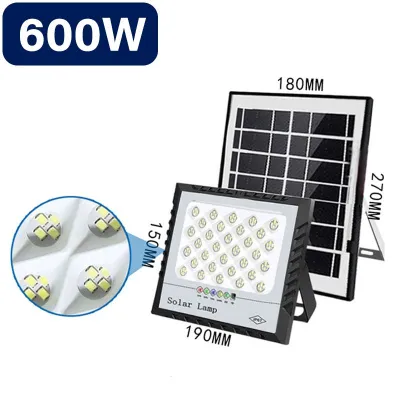
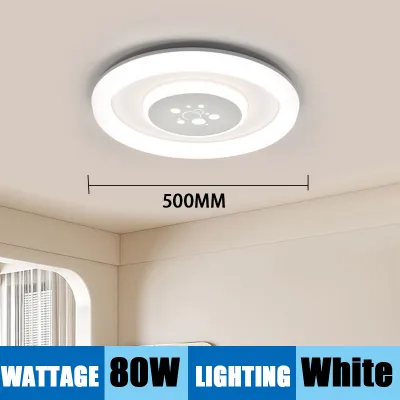
Prices are valid at publication and may change. Please refer to the product page for the latest price.
Another critical factor is the location and type of your power sources. Check if your balcony features an outdoor-rated, weatherproof electrical outlet. If your balcony lacks an external outlet, you will need to consider how to route power from an indoor source safely. Running extension cords through sliding glass doors is a common practice, but it can pinch the cable, damage the protective insulation, and create a serious electrical hazard over time. Alternatively, you may want to focus on battery-powered or rechargeable lighting options to avoid trailing cables entirely.
Perceived color temperature and brightness levels are essential for establishing the right mood, but these remain matters of personal preference. For a relaxing, intimate ambiance, warm white light—typically ranging from 2700K to 3000K—is highly recommended because it mimics the soft glow of candlelight. If you plan to use the balcony for reading, dining, or tending to plants, you might prefer a slightly cooler, neutral white light around 4000K. Keep in mind that excessively bright lights can cause glare in a small space, so opting for lower-wattage bulbs or dimmable fixtures is often the best way to maintain a soothing atmosphere.
Finally, you must consult your condominium association’s guidelines before making any changes to your balcony. Many property management offices enforce strict rules regarding exterior modifications to preserve the building’s architectural uniformity and prevent structural damage. Drilling into exterior concrete walls, ceilings, or metal railings is frequently prohibited because it can compromise the building’s waterproofing envelope and lead to leaks. Furthermore, some associations restrict lights that are highly visible from the street or those that emit excessive glare into neighboring units, making it vital to understand your building’s specific boundaries first.
Reading Oxhead LED Labels and Specifications
When shopping for Oxhead LED lights, reading and interpreting the product labels correctly is the most effective way to ensure safety and compatibility. The first technical specification to verify is the input voltage. The standard electrical grid in the Philippines operates at 220 volts at a frequency of 60 hertz. Ensure that any plug-in Oxhead fixture you purchase is rated for 220V/60Hz. Using a fixture designed exclusively for 110V systems without a proper step-down transformer can permanently damage the LEDs, cause immediate product failure, or present a severe fire hazard.

Weatherproofing is another non-negotiable specification for balcony lighting. Look closely at the packaging for the Ingress Protection (IP) rating, which consists of two digits. The first digit indicates protection against solid objects, while the second digit measures protection against liquids. For a fully covered balcony that is shielded from direct rain but still exposed to high tropical humidity, a minimum rating of IP44 is generally sufficient. However, if your balcony is partially covered or fully exposed to wind-driven rain and seasonal monsoons, you should select fixtures with a rating of IP65 or higher to prevent water from entering the electrical housing.
Review the manufacturer’s manual for detailed information regarding power consumption, cord lengths, and dimming capabilities. The product label will state the total wattage of the fixture, which is crucial for calculating your overall energy usage and ensuring you do not overload your outlets. Additionally, check the length of the integrated power cord to determine if it can reach your outlet without tension. If you wish to adjust the brightness of your lights, verify that the specific Oxhead model is explicitly labeled as dimmable; attempting to dim a non-dimmable LED can cause flickering, buzzing, and premature component failure.
It is also wise to look for official electrical safety certifications on the product packaging. In the local market, reputable electrical products typically carry safety marks indicating they have undergone rigorous testing for thermal safety, insulation quality, and manufacturing standards. Purchasing certified products gives you peace of mind that the internal wiring and components are designed to handle continuous operation safely under normal household conditions.
Matching LED Form Factors to Small Balcony Layouts
Matching the physical style of your Oxhead LED lights to your balcony’s layout is key to achieving a balanced look without overcrowding the area. String lights and fairy lights are exceptionally popular for small balconies because they can be draped along railings, woven through planters, or suspended overhead. Because they distribute small points of light across a wide area, they create a soft, even glow that minimizes harsh shadows. When using string lights, ensure they are secured tightly so that strong winds cannot whip them against glass doors or windows.
For targeted accent lighting, plug-in wall sconces or small spotlights are excellent choices. If you have a vertical garden, a collection of potted palms, or a decorative wall panel, placing a small spotlight at the base of these features can create dramatic depth and visual interest. When positioning spotlights, always angle them downward or directly toward the wall rather than outward. This prevents the light from shining directly into your eyes when you are sitting on the balcony, and it respects your neighbors’ privacy by preventing light pollution from spilling into adjacent units.
If your balcony lacks an outdoor outlet and you want to avoid running cords across your doorway, portable or rechargeable LED lanterns are an ideal alternative. These fixtures can be placed on a small coffee table, a side shelf, or directly on the floor to provide localized pools of warm light. Many modern rechargeable lanterns feature adjustable brightness settings and long battery lives, allowing you to enjoy a cozy atmosphere for several hours on a single charge. Because they are completely wire-free, they also eliminate tripping hazards in tight spaces.
When planning your layout, consider layering different types of light rather than relying on a single, bright source. For example, combining a low-wattage string of fairy lights along the railing with a single rechargeable lantern on your table creates a rich, multi-dimensional effect. This approach allows you to adjust the lighting levels depending on the occasion, whether you are hosting a quiet dinner or simply enjoying a peaceful evening alone.
Safe Installation and Power Setup for Balconies
Installing balcony lighting safely requires careful attention to electrical connections and mounting methods. If your setup requires the use of an extension cord, you must select one that is explicitly rated for outdoor use. Outdoor extension cords feature thicker, UV-resistant insulation and molded, weatherproof plugs designed to keep moisture out. Never use standard indoor extension cords outdoors, as their insulation can degrade rapidly under sun exposure and humidity, leading to short circuits. Additionally, avoid daisy-chaining multiple extension cords together, as this increases electrical resistance and elevates the risk of overheating.
Securing your lights properly is essential for protecting both the fixtures and your balcony’s surfaces. Since drilling into exterior walls or railings is often prohibited by condo rules, you should utilize non-damaging mounting solutions. Heavy-duty, outdoor-rated adhesive hooks, plastic zip ties, and specialized tension rods are excellent alternatives that can hold lightweight string lights securely without puncturing waterproofing membranes or damaging paint. Ensure that all cables are neatly routed and secured along the perimeter of the balcony to prevent them from becoming tripping hazards.
When planning your installation, it is crucial to recognize the boundaries of safe DIY work. If your lighting plan involves hardwiring a new fixture, installing a permanent outdoor outlet, drilling into structural concrete, or working at heights near the edge of a high-rise balcony, you must stop and consult a qualified professional electrician. These tasks require proper power-isolation at the main breaker, specialized tools, and a deep understanding of local electrical codes to prevent severe injury, structural damage, or code violations.
Always test your electrical outlets before plugging in your lights. If your balcony features a Ground Fault Circuit Interrupter (GFCI) outlet, press the test button to ensure it is functioning correctly. GFCI outlets are designed to shut off power instantly if they detect a moisture-induced short circuit or an electrical imbalance, providing an essential layer of safety for outdoor areas. If your outlet does not have a GFCI feature, consider using a portable GFCI adapter for added protection.
Maintaining and Storing Your Balcony Lights
Regular maintenance is key to extending the lifespan of your Oxhead LED lights, especially in a tropical climate characterized by high humidity, intense sunlight, and salty air. Over time, dust, soot from urban traffic, and pollen can accumulate on the surfaces of your fixtures, reducing their brightness and trapping heat. To clean your lights, first disconnect them completely from the power source. Wipe down the bulbs, cords, and housings with a dry or slightly damp microfiber cloth. Never use harsh chemical solvents, abrasive cleaning pads, or high-pressure water sprays, as these can damage the protective seals and degrade the plastic components.
Perform a thorough inspection of your lighting setup at least once every few months, or immediately after a severe storm. Examine the entire length of the power cords for signs of wear, cracking, or fraying caused by UV exposure or physical friction. Check the plugs and connectors for any signs of corrosion, discoloration, or moisture accumulation inside the sockets. If you notice any damage to the insulation or the electrical contacts, discontinue use immediately and replace the affected components to prevent electrical shorts or fires.
During extreme weather events, such as typhoons or prolonged periods of torrential rain, the safest course of action is to unplug and store all removable balcony lights indoors. High winds can easily tear string lights from their mounts, causing them to shatter against the building or fall to the ground below. Storing your lights indoors during severe weather not only prevents physical damage but also protects the internal electronics from being submerged in standing water, significantly extending their overall service life.
When storing your lights for an extended period, wrap them loosely to prevent kinking or breaking the internal copper wires. Avoid folding the cords tightly or tying them with wire twist-ties that can cut into the outer insulation. Store the fixtures in a cool, dry place away from direct sunlight and pests. Taking these simple, preventative steps ensures that your lights will remain in excellent working condition and ready to illuminate your balcony whenever you need them.
Frequently Asked Questions (FAQ)
Can I use indoor Oxhead LED lights on a covered condo balcony?
No, you should not use indoor-rated Oxhead LED lights on a covered balcony, even if the space is shielded from direct rain. Indoor lights lack the specialized rubber gaskets, sealed housings, and UV-resistant insulation required to withstand outdoor conditions. The high relative humidity typical of tropical climates can easily penetrate indoor fixtures, causing rapid corrosion of the internal copper wiring, electrical short circuits, or premature component failure. Always verify that the product label explicitly states the light is rated for outdoor or semi-outdoor use, with an appropriate IP rating, before installing it on your balcony.
How do I calculate the total wattage for my balcony string lights?
To calculate the total wattage of your balcony string lights, multiply the wattage of a single bulb by the total number of bulbs on the strand. For example, if your Oxhead string light features 15 bulbs and each bulb is rated at 2 watts, the total power consumption for that strand is 30 watts. If you plan to connect multiple strands together, add the total wattages of each strand. Always compare this final sum against the maximum load limits printed on your extension cord, timer, or outlet to ensure you remain well within safe operating limits, preventing overheating and potential electrical hazards.

Community discussion
Share your experience or ask a question. Comments are reviewed before publication.