
Planning a vibrant barangay fiesta or community street celebration requires decorations that can withstand unpredictable outdoor weather while remaining highly visible and culturally resonant. Selecting suitable lion dance lantern styles involves matching durable, weather-resistant synthetic materials and low-voltage LED light sources with the specific physical dimensions, wind exposure, and mounting heights of your community’s streets. The lion dance motif, rich with cultural symbolism of energy, strength, and good fortune, serves as an excellent focal point for street-level decor. However, transitioning these intricate designs from indoor cultural halls to open public roads presents unique structural and electrical challenges. By carefully evaluating your installation environment, material durability, and safety protocols, you can create a stunning visual pathway that delights residents and visitors alike throughout the festive season.
When decorating public spaces, community organizers must balance aesthetic appeal with public safety. Traditional lanterns made of delicate paper and thin bamboo frames are highly susceptible to damage from sudden downpours, high humidity, and gusty winds. Modern manufacturing has introduced robust alternatives that preserve the classic artistry of the lion dance while offering the structural integrity required for weeks of continuous outdoor display. Understanding how to select, install, and power these decorative lighting fixtures helps protect your community’s investment, ensuring the display remains secure, functional, and beautiful from the first day of the fiesta to the final clean-up.
What factors determine the right lion dance lantern style for outdoor street displays?
The right lion dance lantern style for outdoor street displays is determined by the physical dimensions of the street, the height of the mounting structures, local wind exposure, and municipal or barangay safety regulations. Before purchasing any decorative lighting, it is essential to conduct a thorough site assessment of the intended installation area. Street width directly influences the scale of the lanterns you should select. Small lanterns with intricate details often get lost visually when suspended high above a wide, multi-lane roadway. Conversely, oversized lanterns hung on narrow residential streets can create a cramped, cluttered appearance and may interfere with daily neighborhood activities.
Products mentioned in this guide

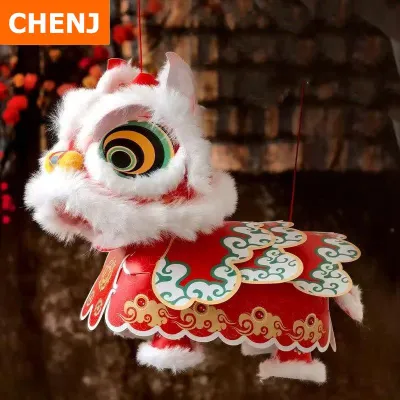
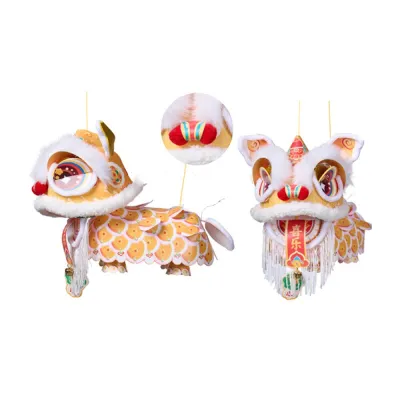
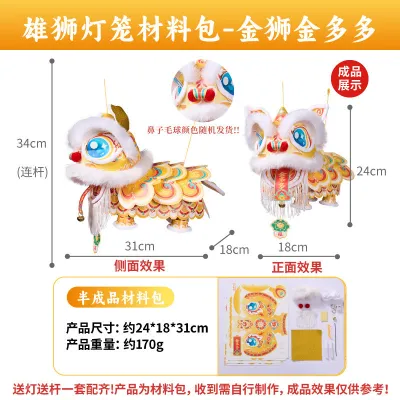
Prices are valid at publication and may change. Please refer to the product page for the latest price.
Hanging height and vertical clearance are critical safety factors that dictate the physical limits of your decorations. In many communities, streets must remain accessible to emergency vehicles, delivery trucks, and public utility maintenance equipment. As a general rule, overhead decorations suspended across public roads should maintain a minimum vertical clearance of 4.2 to 4.5 meters from the road surface, though you must verify the exact requirements with your local municipal engineering office. This clearance requirement means your lanterns must be hung from high anchor points, which in turn demands larger, more vibrant designs that remain highly visible and recognizable from a distance.
Wind exposure is another major environmental factor that shapes your lantern selection. Open streets, coastal roads, and corridors between tall buildings can experience significant wind funneling. When wind hits a large, solid lantern, the fixture acts like a sail, putting immense physical stress on the hanging lines, anchor points, and the lantern’s internal frame. For high-wind areas, select streamlined lantern styles with open-weave structures, flexible frames, or wind-venting designs that allow air to pass through rather than pushing against the fixture. Additionally, always use high-tensile steel guide wires, also known as messenger wires, to bear the physical weight and wind load of the lanterns, rather than relying on the electrical cords to support the tension.
Finally, local barangay and municipal guidelines must guide every step of your planning process. Many local government units require formal permits for any temporary overhead installations across public rights-of-way. These regulations are designed to prevent street obstructions, protect public utility infrastructure, and ensure electrical safety. Before finalizing your decorative layout, submit your plans to the barangay hall or local engineering office. Verify the approved mounting locations, permitted hanging heights, and guidelines for public electrical usage. Securing these approvals early prevents costly adjustments, fines, or the forced removal of your decorations during the height of the fiesta celebrations.
Which lion dance lantern materials and light sources withstand outdoor fiesta conditions?
Outdoor-rated lion dance lanterns must utilize weather-resistant outer coverings like treated nylon fabric, heavy-duty PVC, or synthetic non-woven paper, paired with low-voltage, IP-rated LED light sources. Selecting the appropriate materials is the primary defense against the elements, ensuring your decorations do not sag, tear, or short-circuit when exposed to rain, high humidity, or intense tropical sunlight. Traditional uncoated paper and silk lanterns are highly vulnerable to moisture; even a single heavy morning dew or light drizzle can cause uncoated paper to soften, tear, and collapse, rendering the decoration unusable and creating a potential fire hazard if it comes into contact with live electrical components.

For reliable outdoor performance, compare the characteristics of modern synthetic materials. Treated nylon fabric is highly recommended for street decorations due to its excellent tensile strength, resistance to tearing, and ability to withstand wind stress. When selecting nylon lanterns, look for products with UV-resistant coatings to prevent the vibrant red and gold dyes from fading rapidly under direct sunlight. Synthetic non-woven papers, such as Tyvek, offer a compelling alternative that mimics the classic, warm translucent glow of traditional paper while remaining highly water-resistant and highly resistant to tearing. For large, permanent, or semi-permanent focal installations, rigid molded plastics like acrylic or polycarbonate provide maximum durability and impact resistance, though their increased weight requires more substantial structural support.
The choice of light source is equally critical for safety, energy efficiency, and visual impact. Integrated LED light sources are highly advantageous compared to traditional incandescent bulbs for outdoor community decorations. LEDs produce virtually no heat, eliminating the risk of melting or scorching synthetic lantern covers during long hours of continuous operation. They also consume a fraction of the electricity, allowing you to connect multiple lanterns in a single circuit without overloading your power source. When evaluating LED options, always check the manufacturer’s Ingress Protection (IP) rating. For outdoor street installations, look for fixtures and cabling rated at least IP44 for splash resistance, or IP65 if the lanterns will be directly exposed to heavy, driving rain.
Battery-operated LED lanterns offer a convenient, cable-free solution for isolated areas, historical structures, or locations where running main power lines is impractical or unsafe. However, they come with operational trade-offs, including the need to manually turn each lantern on and off or rely on built-in timers, as well as the ongoing cost and labor of replacing batteries throughout the fiesta. For continuous, hassle-free illumination across long street spans, mains-powered LED systems remain the standard. When using mains power, ensure that all sockets, plugs, and connecting cables are explicitly rated for outdoor use, and verify that the system’s voltage and wattage limits match your power supply to prevent electrical hazards.
How do you safely install and power large lanterns for barangay street decorations?
Safe installation of large street lanterns requires using load-tested steel messenger wires to support the physical weight, routing power through outdoor-rated cables with integrated drip loops, and isolating the electrical supply through a Ground Fault Circuit Interrupter (GFCI). Suspending heavy decorative objects over public roadways introduces significant liability and safety risks. To mitigate these risks, never allow the electrical cords themselves to bear the physical tension of the hanging lanterns. Instead, install a dedicated, high-tensile steel messenger wire across the street, anchoring it securely to approved structural supports such as concrete utility poles or building facades, with explicit permission from the owners or utility companies.
Attach each lion dance lantern to the steel messenger wire using weather-rated, corrosion-resistant hardware such as stainless steel carabiners, U-bolts, or heavy-duty zip ties. This mechanical connection ensures that wind loads and physical weight are safely transferred to the steel cable, keeping the electrical wiring free of tension. When planning the electrical layout, use only heavy-duty, outdoor-rated extension cords (such as SJTW or SEOOW cables) that feature UV-resistant jackets and molded, water-resistant plugs. Avoid daisy-chaining too many light strings together; always verify the maximum wattage limit specified by the manufacturer and ensure the total load does not exceed 80% of the circuit’s rated capacity.
Water intrusion is the most common cause of electrical failure in outdoor decorations. To prevent rainwater from traveling along the power cord and entering the electrical sockets or junction boxes, implement “drip loops” at every connection point. A drip loop is a simple, intentional downward curve in the power cord located just before the wire enters the lantern or plug connection. Gravity forces rainwater to flow down the cord and drip off the lowest point of the loop, preventing it from reaching the sensitive electrical terminals. Additionally, wrap all outdoor plug connections in weather-resistant electrical tape or house them inside IP-rated protective junction boxes to seal out moisture.
Electrical safety in public spaces demands strict adherence to professional boundaries. The entire decorative lighting circuit must be protected by a Ground Fault Circuit Interrupter (GFCI) or Residual Current Device (RCD), which cuts off power if a current leakage is detected, protecting pedestrians from electrical shocks. For any installation tasks that involve fixed wiring, tapping directly into main electrical distribution panels, working at heights that require specialized scaffolding or bucket trucks, or suspending exceptionally heavy loads over active traffic lanes, do not attempt a DIY installation. Stop work immediately and consult a registered, qualified electrician or your local utility provider to ensure the installation complies with national electrical codes and local safety standards. Always isolate the power source completely before performing any installation, maintenance, or adjustment of the lanterns.
What design variations of lion dance lanterns fit different community fiesta themes?
Lion dance lantern designs range from traditional red-and-gold silk styles that evoke classic cultural heritage to modern, minimalist wireframes with neon LED accents suited for contemporary street festivals. Selecting the right design variation is a matter of conditional preference, allowing community organizers to match the aesthetic of the lanterns with the specific theme, historical context, and spatial layout of their barangay fiesta. Traditional red and gold motifs remain the most popular choice for classic cultural celebrations. These lanterns often feature intricate hand-painted details, gold fringe, and vibrant red fabrics that symbolize prosperity, energy, and joy.
When illuminated at night, the warm color temperature filtering through red and gold materials creates a rich, inviting glow that enhances the festive atmosphere of traditional street parades. These classic styles pair well with traditional paper or plastic banderitas (fiesta bunting) and wooden street arches. To maximize their visual impact, hang traditional lion dance lanterns in dense, repeating patterns along narrow heritage streets, creating a warm, continuous canopy of light that draws visitors into the heart of the celebration.
For modern street fairs, commercial districts, or contemporary community spaces, stylized and minimalist lion dance lantern designs offer a fresh, sophisticated alternative. These modern variations often utilize geometric wireframes wrapped in translucent white, silver, or pastel-colored synthetic fabrics, illuminated by color-changing RGB LEDs. Some contemporary designs incorporate flexible LED neon strip lights along the contours of the lion’s face, creating a striking, high-contrast graphic effect that remains highly visible even in areas with high ambient street lighting. These modern styles allow organizers to experiment with alternative color palettes that match corporate sponsorships or specific modern fiesta themes while maintaining the recognizable silhouette of the cultural lion dance.
To create a cohesive decorative scheme throughout your community, consider coordinating different lantern sizes, shapes, and colors to establish visual pathways and focal points. Place large, highly detailed, and brightly illuminated lion head lanterns at key entry points, such as barangay boundary arches, main stage areas, or central plazas, to serve as major visual landmarks. Connect these primary focal points with smaller, simplified cylindrical or spherical lanterns in coordinating colors along the intermediate street spans. This structured arrangement not only guides pedestrian traffic naturally through the festive zones but also ensures a balanced, visually appealing display that avoids overwhelming the senses while celebrating your community’s vibrant spirit.
Community discussion
Share your experience or ask a question. Comments are reviewed before publication.