
Transforming a standard tropical garden or concrete driveway into a genuinely terrifying haunted house yard display can feel overwhelming when balancing high humidity, sudden downpours, and the challenge of making static props look alive. To build an immersive, spooky outdoor display, you should combine layered ground-level props, eye-level hanging figures, and a central high-impact focal point, all illuminated by weather-resistant, outdoor-rated lighting that safely handles the local 220V electrical standard. Planning a cohesive theme—such as an overgrown cemetery, a spider-infested swamp, or a classic gothic manor—helps you select items that work together rather than competing for attention. By focusing on durable materials and safe electrical practices, you can create a memorable neighborhood attraction that withstands the elements.
What types of haunted house yard decor create the most visual impact?
The most visually impactful haunted yard displays rely on a structured, three-tiered layering strategy that guides the viewer’s eyes from the ground up to the roofline. By combining low-lying ground elements, mid-level eye-level props, and one or two massive focal points, you create a sense of depth that mimics a professional horror set. This approach ensures that every corner of your outdoor space contributes to the overall eerie atmosphere without looking cluttered.
Ground-level props establish the foundational atmosphere of your display. These include items like realistic tombstones, ground-breaking skeletons, and low-lying fog. Tombstones made of dense foam or resin can be arranged in staggered rows to mimic an old, neglected cemetery. Ground-breaking props, such as skeletal hands or zombie heads emerging from the grass or soil, add a sense of movement and decay. To enhance this layer, a low-lying fog machine can blanket the ground in a thick mist, making the tombstones and ground-breakers appear to float in an eerie, otherworldly haze.
Products mentioned in this guide
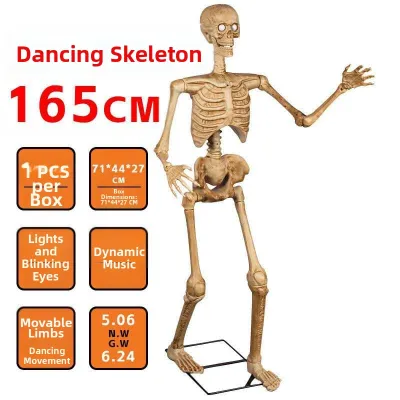
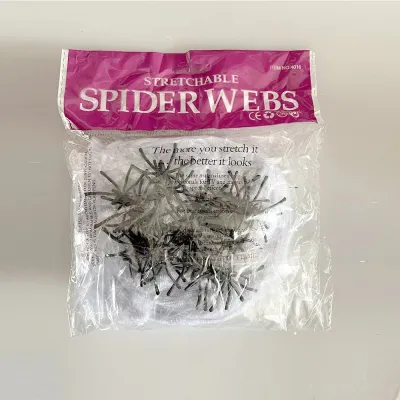
81 Lazada user ratings
This and I'll put or wrap web around the clothes as halloween costume. Ingat lang sa paghawak kase nalalagas balahibo
Sturdy plastic material, Spooky and realistic design,
cute at aesthetic

Prices are valid at publication and may change. Please refer to the product page for the latest price.
Mid-level and hanging props engage visitors at eye level and fill the vertical space between the ground and your roofline. Suspended skeletons, floating fabric ghosts, and giant spiders are excellent choices for this layer. Hanging a life-sized skeleton from a tree branch or porch beam creates an immediate sense of suspension and dread. Floating ghosts made of lightweight, weather-resistant fabric can sway gently in the evening breeze, adding natural, unpredictable movement to your display. Giant spiders, when positioned on large webbing stretched across your porch or garage door, draw the eye upward and create a sense of scale and infestation.
Focal points serve as the main visual attraction of your yard, drawing the initial gaze of passersby from down the street. These are typically large-scale items, such as towering animatronics, detailed haunted house facades, or massive inflatable characters. A seven-foot-tall moving reaper with glowing eyes and pre-recorded phrases can anchor your entire display, serving as the centerpiece around which all other props are arranged. Alternatively, a custom-built wooden facade that transforms your front porch into a gothic castle entrance provides a dramatic backdrop that ties the entire theme together.
To prevent your yard from looking cluttered or chaotic, you must strategically layer these elements. Avoid scattering props randomly across the lawn. Instead, group them into distinct thematic zones with clear visual paths. For example, keep your cemetery props clustered in one area, while reserving another section for a spider infestation. Ensure there is adequate open space between zones to allow individual props to stand out, and use sightlines to guarantee that larger focal points do not block the view of smaller, detailed ground-level decorations.
How should you select spooky outdoor lighting to enhance the haunted atmosphere?
Selecting the right spooky outdoor lighting requires balancing dramatic visual effects—such as deep shadows and eerie color washes—with strict adherence to outdoor electrical safety standards. Because outdoor displays are exposed to high humidity and potential rainfall, every light fixture, extension cord, and power connection must carry appropriate weather-resistance ratings and match the local 220V electrical supply. Proper lighting transforms cheap plastic props into terrifying silhouettes while keeping your setup safe from electrical hazards.

Different lighting types serve distinct aesthetic purposes in a haunted display. Color-changing LED floodlights are highly versatile, allowing you to wash large areas of your yard or home facade in deep greens, purples, or blues. Flickering flame bulbs installed in existing porch lanterns or decorative torches add an organic, archaic feel to a gothic theme. Laser projectors can cast moving patterns of green or red light across walls or tree foliage, simulating swarming insects or mystical energy. Fog machines with integrated LED lights are particularly effective, as the built-in lights illuminate the rising mist from within, creating a glowing, volcanic effect.
Electrical safety is paramount when setting up temporary outdoor lighting. Always verify that all light fixtures and power adapters are compatible with the standard 220V electrical system. Check the Ingress Protection (IP) ratings on every product label; fixtures rated IP44 are suitable for damp areas protected from direct rain, while IP65 or higher is required for lights fully exposed to the elements. Use only heavy-duty, outdoor-rated extension cords (typically designated with an “SJTW” or similar weather-resistant marking) and ensure all connections are elevated off the wet ground.
Effective lighting placement relies on contrast rather than flooding the entire yard with bright light. Uplighting—placing a floodlight at the base of a tree, tombstone, or animatronic and pointing it upward—casts long, distorted shadows that make props look larger and more menacing. Silhouetting involves placing a strong light source behind a prop or a translucent fabric screen, creating a dark, mysterious outline that sparks the viewer’s imagination. Avoid pointing bright lights directly at the street or sidewalk, as this can blind trick-or-treaters and drivers, and be mindful of light pollution that might disturb your neighbors’ sleep.
While many lighting setups can be safely completed as a DIY project, you must recognize the boundaries of safe installation. For any tasks involving fixed electrical wiring, installing high-load circuits to power multiple heavy-duty fog machines, working at significant heights to mount roofline lights, or setting up complex electrical systems in highly damp areas, you must isolate the power source at the breaker, follow all manufacturer instructions, and consult a qualified professional or licensed electrician to prevent severe shock or fire hazards.
Which materials and build qualities withstand outdoor weather conditions?
To ensure your haunted yard decor survives the tropical climate, you must select materials engineered to resist high humidity, intense UV exposure, and sudden rainstorms. Evaluating product labels for specific weatherproofing certifications is far more reliable than assuming an item is durable based on its generic material name. Choosing the right materials prevents your investment from degrading before the season ends.
Different materials offer distinct advantages and limitations when exposed to outdoor conditions. Resin is highly durable, heavy enough to resist moderate winds, and can be molded to feature incredibly realistic textures, making it ideal for premium tombstones and skulls. Heavy-duty plastics, such as blow-molded high-density polyethylene (HDPE), are lightweight, highly weather-resistant, and easy to clean, though they may require additional painting or strategic lighting to look realistic. Treated wood is excellent for custom DIY structures like fences or coffin props because it resists rot and insect damage, but it is heavy and requires proper sealing. Weather-resistant fabrics, such as treated polyester or nylon, are perfect for hanging figures because they dry quickly and move naturally in the wind, though they can tear if caught on sharp branches.
When purchasing decor, always check product labels and care instructions for explicit UV-resistance and waterproof claims. Avoid using untreated cardboard, paper-mache, or standard indoor fabrics like cotton sheets outdoors; these materials rapidly absorb moisture from the humid air, causing them to sag, tear, and develop unsightly mold within days.
Securing lightweight props against sudden gusts of wind is essential to prevent damage or loss. Lightweight foam tombstones should be anchored using sturdy metal landscape staples or rebar stakes driven deep into the ground, rather than relying on the flimsy plastic stakes often included in the packaging. Hanging fabric ghosts should be secured with high-tensile nylon tethers or heavy-duty zip ties attached to stable structures. For larger, top-heavy props, utilize weighted bases filled with sand or water to lower their center of gravity and prevent them from toppling over.
When planning your budget, evaluate the price point in ₱ against the expected lifespan and reusability of each item. While a cheap foam prop might cost only a few hundred pesos, it may need replacement after a single season of heavy rain. Investing in durable resin or heavy-duty plastic alternatives that cost more upfront can save money over several years. Additionally, proper off-season storage is critical; ensure all props are completely clean and dry before packing them into airtight plastic bins stored in a cool, dry place to prevent mold, mildew, and material degradation.
How do you plan the layout and power supply for your haunted yard display?
Planning a successful haunted yard display begins with mapping your physical space and calculating your total electrical load to prevent overloaded circuits and tripping breakers. A well-thought-out layout ensures that visitors can navigate your yard safely while enjoying optimal sightlines of every spooky element. Taking the time to plan your power distribution prevents unexpected outages on Halloween night.
Before purchasing or placing any decorations, create a physical map of your yard. Identify the locations of existing outdoor GFCI (Ground Fault Circuit Interrupter) outlets, as these will dictate where your primary power connections must be made. Mark out clear walkways for trick-or-treaters, ensuring they are wide enough for safe passage and free of trip hazards like tree roots, garden hoses, or low-hanging branches. Note any blind spots or dark corners where you might want to place surprising animatronics or subtle lighting effects.
Calculating your total power load is a critical safety step that prevents electrical overloads. Check the wattage specifications printed on the labels of all active props, fog machines, and light fixtures. Sum these wattages and compare them to the capacity of your household circuits, keeping in mind that a standard 15-amp circuit at 220V can safely handle up to 3,300 watts of continuous load. Fog machines are particularly power-hungry, often drawing between 400 and 1,500 watts to run their heating elements, so they should ideally be placed on a separate circuit from your main lighting display to avoid tripping breakers.
Effective cable management is essential for both safety and aesthetics. Run all extension cords along the edges of garden beds, walls, or fences rather than across active walkways. If a cord must cross a path, cover it with a heavy-duty rubber cord protector or secure it firmly to the ground to prevent tripping. Keep all electrical connections elevated off the damp ground by placing them inside specialized plastic gasket boxes or wrapping them securely in weather-resistant electrical enclosures to prevent water ingress from rain or morning dew.
Be prepared to adjust your layout plan based on real-world physical constraints and power access. If a spectacular prop cannot safely reach a power source without daisy-chaining multiple extension cords—which is a severe fire hazard—relocate the prop closer to the outlet or substitute it with a battery-powered alternative. Regularly test your setup during the daytime to ensure all cords are secure and all sightlines from the street are clear before nightfall.
What are the common mistakes to avoid when setting up outdoor Halloween props?
The most common mistakes in outdoor Halloween setups involve neglecting electrical safety, overcrowding the yard, and failing to secure props against local weather conditions. Avoiding these pitfalls ensures your display remains both terrifyingly effective and completely safe for your family and visitors. A few simple adjustments can prevent costly damage to your decorations and keep your home safe.
Overcrowding your yard is a frequent error that diminishes the visual impact of your display. When too many props, lights, and sound effects are crammed into a small space, they compete for the viewer’s attention, resulting in a chaotic and confusing mess rather than a cohesive, scary atmosphere. Give each major prop room to stand out, and use dark, unlit spaces between props to build anticipation and suspense.
Using indoor-rated electrical equipment outdoors is a dangerous mistake that risks electrical shorts, shocks, and fire hazards. Indoor extension cords, power strips, and light fixtures lack the rubberized insulation, moisture seals, and heavy-duty jackets required to withstand outdoor humidity, dew, and rain. Always double-check that every electrical component in your yard is explicitly labeled for outdoor use.
Placing delicate or non-waterproof animatronics in areas exposed to direct rain or heavy foot traffic can quickly ruin expensive decorations. Many high-end animatronics feature exposed gears, thin fabric costumes, and sensitive electronic control boxes that are easily damaged by moisture. Position these delicate items under covered porches, carports, or temporary gazebos, or be prepared to bring them indoors immediately if inclement weather is forecast.
Finally, ignoring local neighborhood guidelines and courtesy can lead to unnecessary friction. Loud, repetitive sound effects or high-intensity strobe lights flashing directly into a neighbor’s window can cause significant disturbance. Adjust the volume levels of your sound-activated props, utilize motion-sensor triggers instead of continuous loops, and set automatic timers to turn off high-intensity lights and loud sounds by a reasonable hour, such as 9:00 PM or 10:00 PM, to maintain good relations with your community.
Community discussion
Share your experience or ask a question. Comments are reviewed before publication.