
Selecting heavy-duty outdoor solar lights for a garden requires looking beyond basic aesthetic appeal. To find fixtures that can withstand harsh environmental conditions, you must evaluate technical specifications such as Ingress Protection (IP) ratings, lumen output, battery chemistry, and structural materials. Focusing on these core details ensures your lighting investment remains functional and bright throughout the year.
In tropical environments like the Philippines, outdoor fixtures face intense heat, high humidity, and heavy seasonal rainfall. Standard decorative lights often fail under these conditions due to water intrusion or material degradation. By verifying manufacturer specifications, you can select robust solar lights that deliver reliable performance in your specific outdoor layout.
Understanding IP Ratings for Weather and Dust Resistance
The Ingress Protection (IP) rating is a critical specification indicating how well a solar light’s housing protects its internal electrical components from solids and liquids. This rating is expressed as a two-digit code following the letters “IP.” The first digit (0 to 6) measures protection against solid particles like dust, while the second digit (0 to 9) measures protection against moisture and water ingress.
Products mentioned in this guide
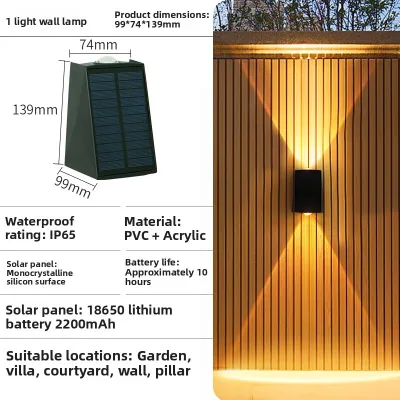
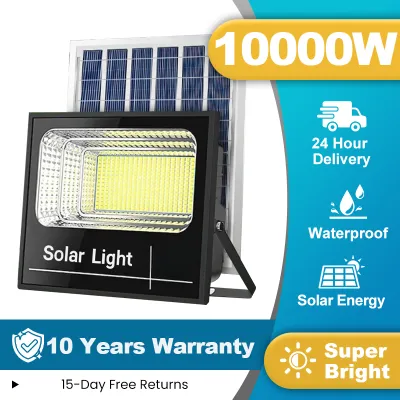
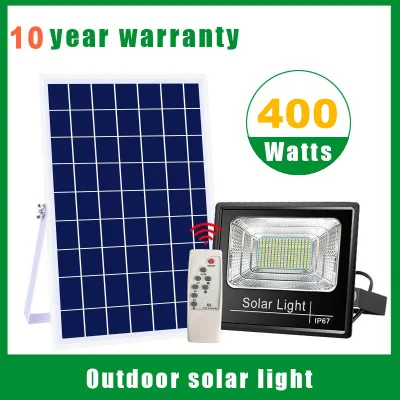
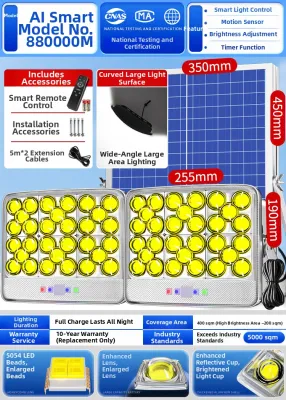
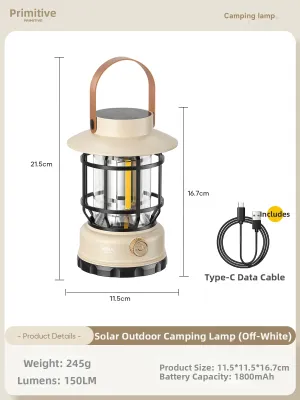
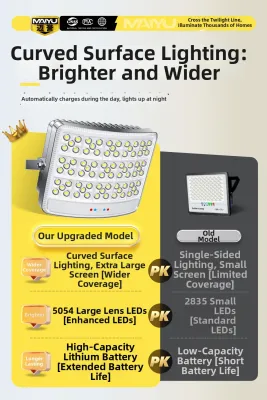
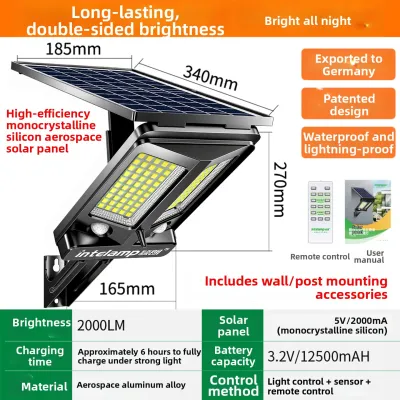
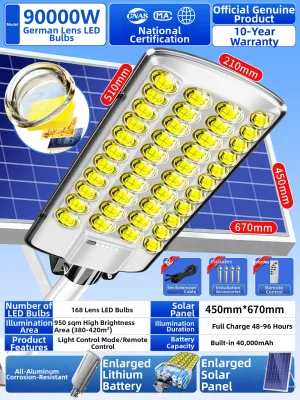
Prices are valid at publication and may change. Please refer to the product page for the latest price.
When evaluating heavy-duty solar lights for your garden, check the manufacturer’s stated IP rating against the intended installation environment. For open lawns and garden beds fully exposed to heavy tropical downpours, look for a liquid protection rating of at least 5 or 6 (such as IP65 or IP66). Covered patios or semi-sheltered areas may tolerate a lower rating, but fully exposed zones demand maximum sealing to prevent internal corrosion.
Keep in mind that IP ratings are determined under controlled laboratory conditions. Real-world weather events, such as typhoons, can exceed these test parameters. Always review the manufacturer’s warranty terms to verify what specific types of water damage are covered, and avoid placing fixtures in low-lying garden areas prone to standing water.
Evaluating Lumens and Lighting Modes for Garden Visibility
Lumens measure the total amount of visible light emitted by a source, which directly dictates how bright your garden will be. However, high lumen output alone does not guarantee effective illumination. You must match the light’s brightness and beam angle to its specific purpose, whether you are lighting a dark pathway, highlighting a garden feature, or securing a perimeter.

For pathway lighting, a lower lumen output (around 50 to 100 lumens) paired with a wide, downward-directed beam angle is often sufficient to guide footsteps without causing glare. Security floodlights require much higher outputs (often 500 lumens or more) and a broad beam angle to cover large areas. Accent lights benefit from narrow, concentrated beam angles that focus light directly on trees or architectural elements.
To manage energy consumption, check if the solar light features adjustable brightness modes or integrated motion sensors. Additionally, remember that perceived brightness is influenced by color temperature, which is a conditional preference rather than a performance metric. Warm white light (2700K to 3000K) offers a soft, inviting glow, while cool white light (5000K to 6500K) provides high-contrast visibility. Verify these specifications on the product sheet to match your visual preferences.
Battery Types and Capacity for Reliable Nighttime Performance
The reliability of an outdoor solar light depends heavily on its internal battery chemistry and storage capacity. Modern heavy-duty fixtures typically utilize lithium-based batteries, such as Lithium-ion (Li-ion) or Lithium Iron Phosphate (LiFePO4). LiFePO4 batteries are highly regarded for outdoor use because they offer excellent thermal stability in hot climates and support a higher number of charge-discharge cycles before degrading.
To assess how long a light will run, compare the battery capacity (measured in milliampere-hours, mAh, or watt-hours, Wh) against the fixture’s power consumption. A larger battery capacity allows the light to operate longer into the night, but it also requires a matching solar panel to recharge it fully. If the battery capacity is too high for the integrated solar panel’s output, the light may never reach a full charge, especially during overcast days.
Always check the wattage and type of the integrated solar panel. Monocrystalline solar panels are generally more efficient at converting sunlight into electricity than polycrystalline alternatives, making them the preferred choice for areas with frequent cloud cover or partial shade. Ensure the panel is positioned to receive maximum direct sunlight, free from the shadows of rooflines or dense garden foliage.
Build Materials and Structural Durability
Heavy-duty solar lights must be constructed from materials that resist physical impact, corrosion, and UV degradation. Common housing materials include stainless steel, cast aluminum, and heavy-duty plastics like ABS or polycarbonate. While metals offer excellent structural strength, they must be properly treated to survive humid outdoor environments without rusting.
Look for powder-coated aluminum or marine-grade stainless steel if you prefer metal fixtures, as these coatings provide a protective barrier against moisture and oxidation. If choosing plastic housings, ensure the manufacturer specifies that the material is UV-stabilized. Untreated plastics will quickly become brittle, fade, and crack under intense, direct sunlight, leading to water leaks and electrical failure.
Physical durability can also be verified by checking the product’s impact protection (IK) rating if the manufacturer provides it. A high IK rating indicates that the lens and housing can withstand accidental impacts from lawnmowers or garden tools. Additionally, evaluate the quality of the mounting hardware; heavy metal ground stakes and secure mounting brackets are essential for keeping fixtures upright during strong winds.
Installation and Safety Checks for Outdoor Environments
Before installing your new garden lights, carefully read the manufacturer’s installation manual to understand specific mounting requirements, clearances, and electrical safety guidelines. Even though solar lights operate on low-voltage direct current, improper installation can still lead to battery damage, overheating, or physical hazards in your yard.
If you are installing solar fixtures near existing hardwired outdoor lighting, always isolate the power source to those existing fixtures before beginning your work. This precaution prevents accidental contact with live household voltage. Ensure that all mounting locations are clear of underground utility lines, irrigation pipes, and flammable garden materials like dry mulch or dense brush.
For complex installations—such as mounting heavy fixtures high on walls, integrating lights into structural masonry, or setting up extensive landscape lighting systems—it is best to consult a qualified professional. A certified electrician or professional landscaper can ensure that your lighting layout complies with local building codes, is securely anchored against tropical storms, and operates safely within your outdoor environment.
Frequently Asked Questions (FAQ)
How do I maintain the solar panels to ensure maximum charging efficiency?
To maintain optimal charging efficiency, clean the solar panels regularly using a soft, damp microfiber cloth and clean water. This process removes accumulated dust, pollen, bird droppings, and salt residue that can block sunlight. Avoid using abrasive sponges or harsh chemical cleaners, as they can scratch or strip the panel’s protective UV coating. Additionally, trim back any overgrown branches, vines, or shrubs that may cast shadows over the panels during peak daylight hours.
What should I do if my heavy-duty solar light stops working after heavy rain?
If a light stops working after a storm, visually inspect the fixture for signs of water ingress, such as condensation behind the lens or water pooling inside the battery compartment. Turn off the device, remove the batteries if the design allows, and move the fixture to a dry, shaded indoor area to dry out completely for a few days. Once dry, clean the battery contacts, reinstall the batteries, and test the light. If it still fails to operate or shows signs of electrical shorting, discontinue use and contact the manufacturer to inquire about warranty coverage or replacement parts.
Community discussion
Share your experience or ask a question. Comments are reviewed before publication.