
Creating a relaxing, warm outdoor retreat on a condominium balcony requires lighting that can withstand both the elements and strict building regulations. Heavy-duty solar lights offer an ideal solution, providing soft, ambient illumination without the need for complex electrical wiring or permanent structural modifications. To find the right setup, you must evaluate weatherproofing certifications, mounting mechanisms that do not require drilling, and light outputs that create a cozy atmosphere without disturbing your neighbors. By focusing on durable materials and efficient solar configurations, you can transform your high-rise balcony into a serene evening escape that endures tropical weather.
What Makes a Solar Light "Heavy-Duty" for Balconies?
Condo balconies, especially those on higher floors, are highly exposed to harsh environmental factors such as intense direct sunlight, heavy tropical downpours, and strong wind gusts. Standard decorative lights often degrade quickly under these conditions, making heavy-duty construction essential. When shopping for durable fixtures, your first step should be checking the Ingress Protection (IP) rating on the product packaging. This rating consists of two digits: the first indicates protection against solid particles like dust, while the second measures resistance to liquids. For exposed balconies, look for fixtures with at least an IP44 rating, though an IP65 or higher rating is preferable for areas directly subjected to heavy rain.
Beyond water resistance, the structural materials of the light housing dictate its long-term survival. Cheap plastics degrade rapidly under intense ultraviolet (UV) radiation, becoming brittle and cracking within a few months. Heavy-duty options typically utilize corrosion-resistant metals such as anodized aluminum or marine-grade stainless steel, or high-grade, UV-stabilized ABS plastics. These materials resist both solar degradation and the corrosive effects of humid, salty air. While investing a few hundred pesos (₱) more per fixture for heavy-duty materials may seem like an added upfront cost, it prevents the frequent replacement cycles common with cheaper alternatives.
Products mentioned in this guide
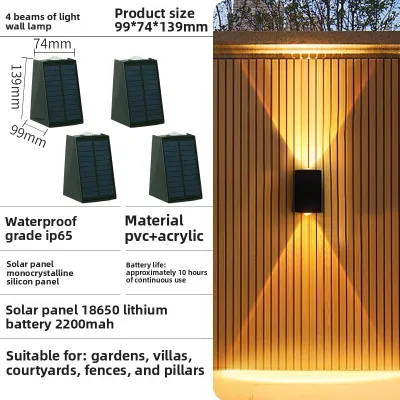
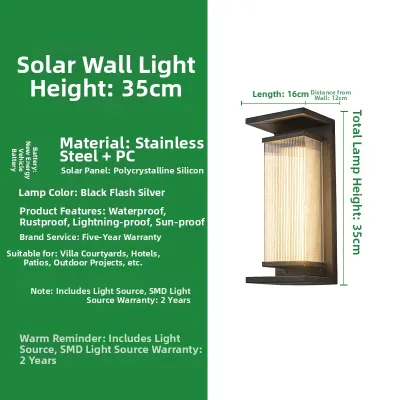
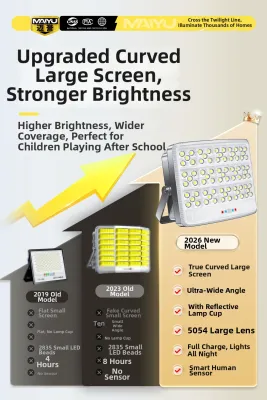
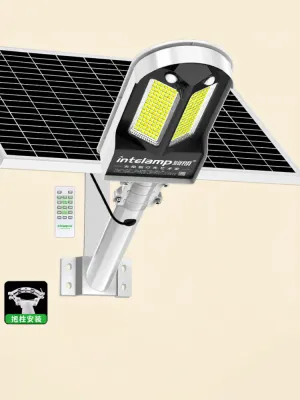
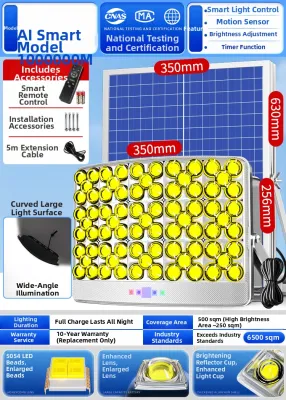
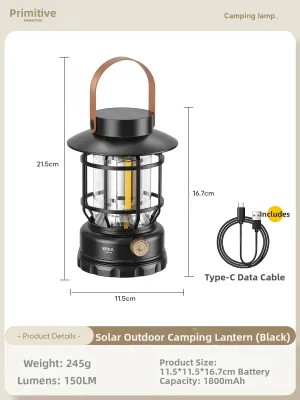
Prices are valid at publication and may change. Please refer to the product page for the latest price.
Weight and structural stability are equally critical for high-rise installations. Strong winds can easily dislodge lightweight fixtures, turning them into safety hazards for units below. Heavy-duty solar lights often feature weighted bases, robust mounting brackets, or thick-walled glass or polycarbonate lenses that add physical heft. When selecting freestanding or tabletop models, verify that the base is heavy enough to resist tipping, or choose designs that can be securely anchored to existing balcony structures.
Choosing the Right Warm Ambient Light Output
Ambient lighting is designed to create a relaxing mood rather than illuminate a workspace, which requires a careful balance of color temperature and brightness. To achieve a cozy, inviting atmosphere on your balcony, look for solar lights that specify a warm white color temperature on their labels. This is measured in Kelvins (K), with ratings between 2200K and 3000K producing a soft, golden glow reminiscent of candlelight or traditional incandescent bulbs. Avoid cool white lights, typically rated at 5000K or higher, as they can feel clinical and harsh in a small outdoor living space.

The brightness of the light, measured in lumens, must also match the scale of your balcony. For ambient lighting, high-lumen spotlights are unnecessary and often counterproductive. Instead, opt for low-to-moderate output fixtures. String lights or small deck lights with ratings between 10 and 50 lumens per light source are generally sufficient to illuminate a seating area without causing discomfort.
To prevent harsh glare, pay close attention to the design of the light fixture’s lens. Clear glass or plastic lenses with exposed light-emitting diodes (LEDs) can create intense, piercing points of light. Look for fixtures featuring diffused lenses, frosted covers, or downward-facing designs. These elements scatter the light evenly, softening the visual impact and ensuring the illumination remains contained within your personal outdoor space.
Selecting No-Drill Installation Types for Condos
Most condominium associations enforce strict guidelines against drilling into exterior walls, columns, or ceilings, as doing so can compromise the building’s waterproofing envelope or structural integrity. Consequently, your heavy-duty solar lighting setup must rely entirely on non-destructive mounting methods. Fortunately, several innovative designs allow you to secure robust fixtures without violating property management rules.
Railing-clamp and bracket systems are highly effective for securing lights along the perimeter of your balcony. These fixtures use adjustable screw clamps or heavy-duty brackets that grip the metal or concrete railing tightly without leaving permanent marks. This positioning is excellent for safety, as it clearly defines the balcony edge while casting light inward toward your seating area.
For overhead illumination, consider hanging or hook-style lights. If your balcony has an overhanging ceiling or existing structural beams, you can use tension rods, heavy-duty suction hooks designed for outdoor glass, or over-the-railing S-hooks to suspend string lights or lanterns. Ensure that any suspended fixtures are rated for outdoor use and that their hanging mechanisms are strong enough to withstand sudden wind shifts.
Freestanding or weighted floor models offer another versatile, drill-free alternative. Heavy-duty solar path lights can be placed in heavy planters filled with soil or gravel, providing stable, low-level illumination. Weighted solar lanterns placed directly on the floor or on side tables can be easily repositioned as your balcony layout changes, offering maximum flexibility without any installation hassle.
Matching Solar and Battery Specs to Your Balcony's Sunlight
Solar lights rely entirely on the sun to charge their internal batteries, which can present a challenge on recessed or covered condo balconies. Before purchasing any fixtures, observe how much direct sunlight your balcony receives throughout the day. Balconies facing East or West generally receive several hours of direct sun, while North- or South-facing balconies, or those heavily shaded by neighboring towers, may receive only indirect daylight.
If your balcony is deeply recessed or shaded by an overhanging roof, integrated solar lights—where the solar panel is built directly into the light fixture—may struggle to charge. In these scenarios, look for split solar panel systems. These designs feature a separate solar panel connected to the light fixture via a thin, weather-resistant cable. This allows you to mount the light fixture in a shaded seating area while placing the solar panel high up on a railing or outer edge where it can capture maximum sunlight.
When reviewing product specifications, check the battery type and capacity listed on the manufacturer’s label. Lithium-ion (Li-ion) or Lithium Iron Phosphate (LiFePO4) batteries generally offer better charge efficiency, longer lifespans, and superior performance in warm climates compared to older Nickel-Metal Hydride (NiMH) batteries. Additionally, verify the required charging hours; most heavy-duty solar lights require six to eight hours of direct sunlight to achieve a full charge, which should provide enough energy to power the ambient lights throughout the evening.
Setup and Maintenance for Long-Lasting Performance
Proper installation and routine maintenance are vital to ensure your heavy-duty solar lights perform efficiently and last for years. When positioning your solar panels, ensure they are angled toward the sun’s path and completely free from obstructions. Even partial shading from a single railing bar, an overhanging plant leaf, or outdoor furniture can drastically reduce the panel’s charging efficiency, leading to dim lights or short runtimes.
In urban and tropical environments, dust, pollen, soot from traffic, and salt residue can quickly accumulate on the surface of the solar panel. This physical barrier blocks sunlight and degrades charging performance over time. To maintain optimal efficiency, wipe the solar panels clean at least once a month using a soft, damp microfiber cloth. Avoid using abrasive sponges or harsh chemical cleaners, which can scratch the protective coating on the panel and permanently reduce its light transmittance.
Finally, always have a plan for severe weather. While heavy-duty solar lights are designed to withstand typical wind and rain, extreme weather events like typhoons require extra precautions. Before a storm arrives, temporarily take down suspended string lights, lanterns, and unsecured floor fixtures, and store them indoors. For semi-permanent fixtures like railing clamps, check the tightness of the mounting hardware periodically to ensure they remain securely fastened against vibration and wind wear.
Frequently Asked Questions (FAQ)
How do I secure solar lights on a balcony railing during strong winds?
To reinforce railing-mounted solar lights against high winds, use heavy-duty, UV-resistant nylon zip ties or stainless steel cable ties alongside the manufacturer’s mounting brackets. Wrapping these ties tightly around both the fixture bracket and the railing provides an extra layer of mechanical security. For temporary setups, hook-and-loop outdoor straps can also be used, allowing for quick removal when severe weather warnings are issued.
Will ambient solar lights disturb my neighbors in a high-rise condo?
Ambient solar lights are unlikely to disturb neighbors if you choose low-lumen fixtures and position them thoughtfully. Opt for downward-facing designs or shielded fixtures that direct the light onto your balcony floor rather than outward or upward toward adjacent units. Additionally, selecting warm white color temperatures (2200K to 3000K) rather than bright cool white helps minimize light spill and maintains a respectful, low-glare environment in shared residential spaces.

Community discussion
Share your experience or ask a question. Comments are reviewed before publication.