
Selecting heavy-duty solar lights for outdoor spaces in the Philippines requires looking beyond standard retail descriptions to find fixtures capable of surviving intense tropical conditions. The combination of high humidity, scorching midday heat, coastal salt air, and torrential monsoon rains will quickly degrade standard outdoor lights. To secure a reliable, long-term lighting setup, you must focus on robust material construction, high ingress protection ratings, and advanced battery chemistries that can withstand thermal stress.
By understanding how to evaluate technical specifications and physical build quality, you can avoid the common cycle of buying cheap lights that fail after a single rainy season. This guide provides a practical framework to help you verify product claims, match light designs to your property layout, and maintain your fixtures for maximum operational lifespan.
What Defines a "Heavy-Duty" Solar Light for Tropical Climates?
The primary enemy of outdoor electronics in tropical environments is material degradation caused by intense ultraviolet (UV) radiation and moisture ingress. Standard outdoor lights often rely on cheap ABS plastic housings that become brittle, fade, and crack after a few months of exposure to the intense sun. To ensure longevity, check product descriptions for heavy-duty materials such as die-cast aluminum, marine-grade stainless steel, or UV-stabilized polycarbonate. These materials resist structural warping and prevent the internal electronics from being exposed to the elements.
Products mentioned in this guide
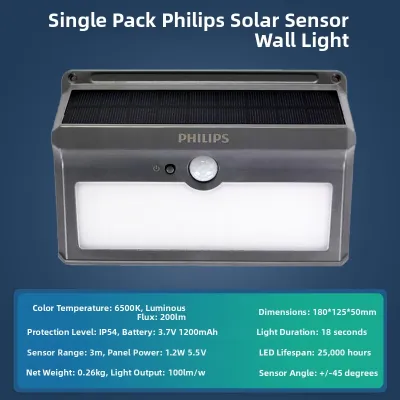
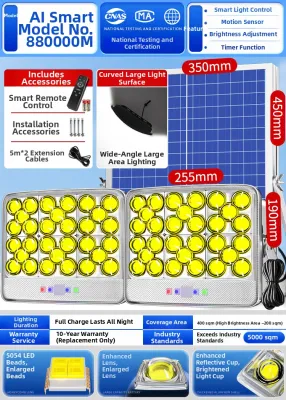
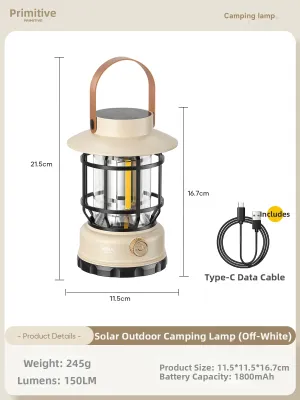
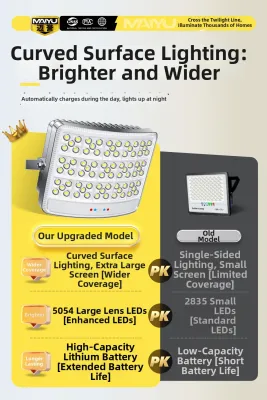
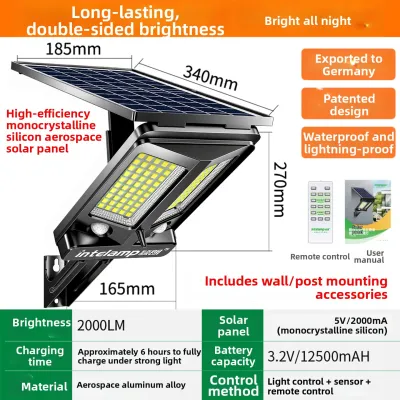
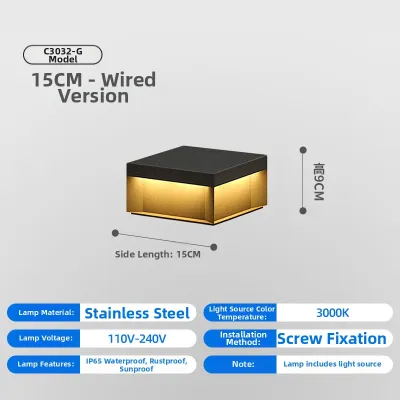
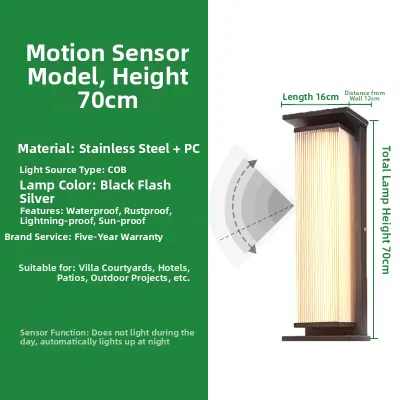
Prices are valid at publication and may change. Please refer to the product page for the latest price.
Waterproofing is another critical factor, especially during the typhoon season when heavy rains and high winds can force water into the smallest crevices. You must verify the Ingress Protection (IP) rating printed on the product packaging or specification sheet. A truly heavy-duty solar light should carry a minimum rating of IP65, which indicates complete protection against dust and resistance to low-pressure water jets. For highly exposed areas, look for IP66 or IP67 ratings, which ensure the fixture can withstand high-pressure water sprays or temporary submersion during localized flooding.
High humidity and ambient heat also pose a silent threat to the internal components of solar lights. When temperatures rise during the day, the air inside a sealed light fixture expands, and as it cools at night, it contracts, drawing in humid air that can condense into water droplets on the circuit board. Look for manufacturers that incorporate breathable waterproof vents or specialized silicone gaskets. These design features allow pressure equalization and moisture escape without compromising the unit’s waterproof integrity, protecting the delicate driver boards and battery terminals from corrosion.
Essential Specifications to Verify on the Product Label
When evaluating solar lights, you must look past exaggerated marketing headlines and focus on the actual technical specifications listed on the product label. The brightness of a light is measured in lumens, not watts. Many low-quality listings advertise high wattages that do not correlate with actual light output. For security lighting and wide-area illumination, prioritize fixtures that specify a lumen output of 1,000 to 3,000 lumens with a wide beam angle of 120 degrees. For decorative pathways or accent lighting, a lower output of 100 to 300 lumens with a narrower beam angle is sufficient to guide the way without causing glare.

The battery is the heart of any solar light, and its chemistry determines how many years the fixture will operate. Prioritize lights that use Lithium Iron Phosphate (LiFePO4) batteries over standard Lithium-ion (NMC) or older Nickel-Metal Hydride (NiMH) cells. LiFePO4 batteries are highly suited for tropical climates because they can safely operate in temperatures up to 60°C without risking thermal runaway. Furthermore, they offer a significantly longer lifespan, typically enduring 2,000 to 3,000 charge-discharge cycles before capacity degrades, compared to just 500 cycles for standard lithium-ion batteries.
To ensure the light can run continuously through the night, you should calculate the relationship between battery capacity and power consumption. A reliable label will list the battery capacity in milliampere-hours (mAh) along with the operating voltage (usually 3.2V for LiFePO4 or 3.7V for Li-ion). Multiply these figures to find the total energy capacity in Watt-hours (Wh). For example, a 3.2V battery with a 10,000mAh capacity provides 32Wh of energy. If the light fixture draws an average of 4 watts during operation, it can run for approximately 8 hours on a full charge, which is ideal for overnight performance.
Finally, compare the solar panel efficiency and design options. Monocrystalline solar panels are highly recommended because they offer an efficiency rate of 18% to 22%, allowing them to charge the battery faster and perform better under overcast skies than cheaper polycrystalline panels. Additionally, consider whether an integrated or split-panel design is better for your space. Integrated designs house the panel and light in a single unit, which is easier to install but requires the entire fixture to be placed in direct sunlight. Split-panel designs connect the solar panel to the light fixture via a heavy-duty cable, allowing you to mount the panel on a sunny rooftop while placing the light in a shaded carport or entryway.
Matching Solar Light Designs to Your Outdoor Layout
Selecting the right physical form factor is essential for achieving both functional illumination and aesthetic harmony across your property. For large open areas such as driveways, perimeters, and backyards, heavy-duty solar floodlights are the most effective choice. These fixtures are designed to cast a wide, intense beam of light over a broad area. To maximize energy efficiency, look for floodlights equipped with Passive Infrared (PIR) motion sensors. These sensors allow the light to remain in a low-power dim mode until motion is detected, at which point they switch to 100% brightness, conserving battery power while acting as an active security deterrent.
For ground-level illumination along garden paths, walkways, and driveways, robust pathway and stake lights are the preferred option. Because these lights are positioned close to the ground, they are highly exposed to physical impacts from lawnmowers, pets, and foot traffic, as well as water splashes from heavy rain. Avoid flimsy plastic stakes that bend or snap easily. Instead, choose pathway lights constructed with thick aluminum posts, tempered glass lenses, and elevated solar panels that prevent mud and debris from splashing onto the solar cells and blocking sunlight.
For entryways, structural walls, and outdoor corridors, wall-mounted lanterns and bulkhead lights offer a permanent, secure lighting solution. Bulkhead lights, in particular, feature a rugged, low-profile design often protected by a metal cage over the lens. This industrial-grade construction makes them exceptionally resistant to physical damage and harsh weather. When mounting these fixtures, ensure they are positioned to provide targeted down-lighting, which minimizes light pollution and glare while illuminating key access points like doorways and gates.
Installation Boundaries and Maintenance for Maximum Lifespan
Proper installation is just as important as build quality when it comes to maximizing the lifespan of your heavy-duty solar lights. The most critical step is planning the placement of the solar panel to ensure it receives at least six hours of unshaded, direct sunlight daily. In the Philippines, panels should ideally face south or slightly southwest to capture the maximum amount of solar radiation throughout the year. Even partial shading from a single tree branch, utility pole, or roof overhang can drastically reduce the panel’s energy output, preventing the battery from reaching a full charge.
When mounting heavy fixtures on walls, posts, or high poles, you must follow safe structural practices. Heavy-duty solar floodlights with large aluminum housings and separate solar panels can carry significant weight and wind resistance. Use appropriate masonry anchors, expansion bolts, or heavy-duty U-bolts to secure the mounting brackets. For installations involving work at heights, or if you are integrating a hybrid solar system that connects to your home’s electrical grid, always isolate the power supply before starting, follow the manufacturer’s instructions carefully, and consult a qualified professional to ensure safety and compliance with local electrical codes. Never drill directly into the light housing itself, as this will permanently destroy the waterproof seals and allow moisture to ruin the internal electronics.
Regular maintenance is essential to keep your solar lights operating at peak efficiency. Over time, a layer of dust, pollen, bird droppings, and salt residue can accumulate on the surface of the solar panel, blocking sunlight and reducing charging efficiency by up to 30%. Establish a routine to clean the panels every three to six months using a soft microfiber cloth, mild soap, and clean water. Avoid using abrasive scrubbers or harsh chemical cleaners that can scratch the tempered glass or protective plastic coating. During your cleaning routine, perform a quick visual inspection of the rubber gaskets, cable connections, and mounting brackets to check for signs of wear, corrosion, or moisture ingress.
How to Build Your Shortlist When Shopping Online
Shopping for heavy-duty solar lights on online marketplaces requires a critical eye to separate genuine high-performance products from low-quality imitations. Many listings use deceptive marketing terms, such as advertising “9999W” power ratings or impossible lumen outputs for incredibly low prices. To protect your investment, cross-reference the manufacturer’s detailed specification sheets with the product description. Check the physical dimensions of the solar panel and the weight of the fixture; a high-capacity battery and a robust aluminum housing will always have a substantial physical weight that cheap plastic alternatives lack.
Another crucial step is evaluating the warranty terms and the availability of local customer support. Outdoor electronic goods are exposed to extreme environmental stress, and even heavy-duty units can occasionally experience component failures. Prioritize sellers and official brand stores that offer a clear, written warranty of at least one to two years. Verify whether the brand has a physical service center or an authorized distributor in the Philippines. This ensures you can easily access replacement parts, batteries, or technical assistance without facing high international shipping fees or long waiting times.
Finally, allocate your budget wisely by focusing on core performance metrics rather than secondary features. A reliable, heavy-duty solar floodlight with a genuine LiFePO4 battery and a die-cast aluminum housing typically ranges in price from ₱1,500 to ₱5,000 or more. If a product fits within this price range, prioritize spending on superior build quality, high IP ratings, and monocrystalline panel efficiency. Avoid paying extra for complex smart features, such as mobile app connectivity or multi-color RGB modes, unless they are absolutely necessary for your setup, as these features add unnecessary complexity and potential failure points to an outdoor fixture.
Frequently Asked Questions (FAQ)
Do heavy-duty solar lights work during the rainy season?
Yes, heavy-duty solar lights will continue to work during the rainy season, but their performance will be reduced. Solar panels do not require direct, bright sunlight to generate electricity; they can charge using diffuse daylight that penetrates through cloud cover. However, a panel’s charging efficiency can drop to 10% to 25% of its normal output on heavily overcast or rainy days. To ensure reliable performance during extended periods of rain, choose lights with an oversized monocrystalline solar panel and a high-capacity battery, and utilize energy-saving modes such as motion-activated dimming to conserve power.
Can I replace the battery inside a solar light myself?
Whether you can replace the battery depends entirely on the physical design of the solar light fixture. Many heavy-duty solar lights are designed with accessible battery compartments secured by screws and sealed with rubber gaskets, allowing you to easily swap out standard lithium cells when they reach the end of their lifespan. However, some highly sealed IP67 or IP68 fixtures are permanently glued shut during manufacturing to ensure maximum water resistance. Attempting to open these glued units will break the waterproof seal, void the manufacturer’s warranty, and likely expose the internal electronics to water damage. Always consult the product manual before attempting any battery replacement.
Why is my solar light flashing or flickering at night?
Flashing or flickering is usually a clear indicator of low battery voltage or sensor interference. When a battery does not have enough charge to sustain continuous operation, the light’s internal circuitry will repeatedly shut down and restart as the voltage fluctuates. This often happens after several consecutive cloudy days or when the battery is nearing the end of its usable life. Alternatively, flickering can be caused by nearby artificial light sources, such as streetlights or porch lamps, shining directly onto the solar panel. Because the solar panel acts as the dusk-to-dawn sensor, detecting external light can trick the fixture into thinking it is daytime, causing it to repeatedly turn off and on.
Community discussion
Share your experience or ask a question. Comments are reviewed before publication.