
Finding a heavy-duty study lamp in the Philippines requires looking beyond basic aesthetics to evaluate structural integrity, electrical safety, and optical performance. In a tropical climate where high humidity can degrade materials and frequent power fluctuations can stress electronics, a student needs a lamp built to withstand rigorous daily use. By focusing on robust physical construction, reliable mechanical joints, and certified electrical components, you can secure a durable lighting solution that supports long hours of academic focus.
Defining "Heavy-Duty" for Student Desk Lamps
To qualify as truly heavy-duty, a study lamp must feature a chassis constructed from premium, resilient materials. Die-cast aluminum and reinforced steel are the gold standards for structural components, offering exceptional resistance to bending, cracking, and wear over years of constant adjustment. While high-density plastics like ABS are suitable for non-structural elements such as control panels or decorative trims, they should not be relied upon for primary load-bearing parts. Metal housings also serve a dual purpose by acting as passive heatsinks, drawing warmth away from the LED driver and diodes to extend their operational lifespan in warm tropical environments.
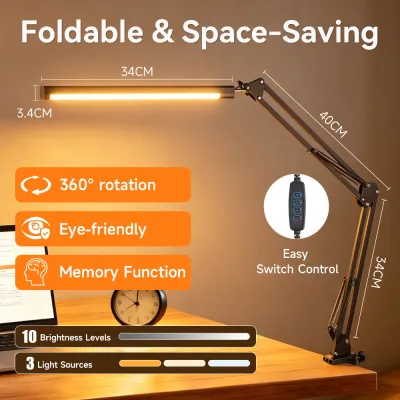
The mechanical design of the lamp’s joints, springs, and hinges determines its long-term usability. Heavy-duty models utilize counterbalanced spring arms or friction-locked hinges that maintain their tension even after thousands of movements. Look for designs that incorporate exposed, adjustable tension screws or knobs, which allow you to manually tighten the joints if they begin to loosen over time. Avoid lamps with sealed plastic friction joints, as these tend to wear down permanently, leading to a lamp head that gradually droops and fails to hold its position.
Products mentioned in this guide
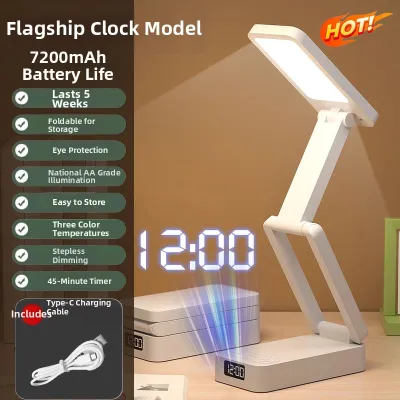
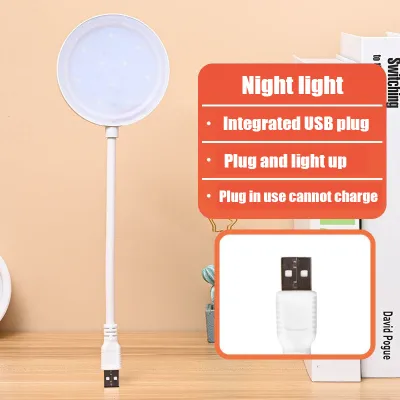
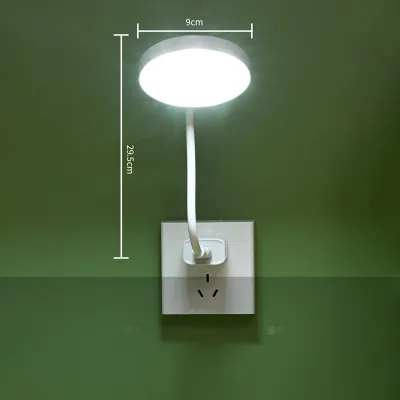
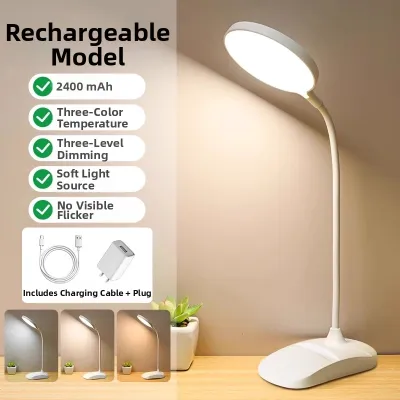
Prices are valid at publication and may change. Please refer to the product page for the latest price.
A stable foundation is critical for preventing accidental damage during late-night study sessions. The base of a freestanding lamp must have sufficient weight and a low center of gravity to counteract the leverage of an extended arm. When evaluating a lamp, check the ratio of the base weight to the maximum arm reach; a well-engineered lamp will remain firmly planted even when the light source is positioned at its furthest horizontal limit. Non-slip rubber or silicone padding on the bottom of the base further enhances stability while protecting your desk surface from scratches.
Key Durability Features to Inspect Before Buying
Before making a purchase, closely inspect the hinge tension mechanisms and arm stability to ensure the lamp can maintain its position. High-quality lamps often feature dual-shaft hinges or heavy-duty internal springs that distribute weight evenly across the arm. When adjusting the lamp, the movement should feel smooth and deliberate, requiring a firm grip rather than a loose, floppy pull. If the arm bounces or drifts after you release it, the internal tension is insufficient for long-term heavy-duty use.

Cable management is another critical area where durability can be compromised. The internal wiring must be routed safely through the joints without being subjected to pinching, twisting, or excessive stretching. Examine the entry and exit points of the power cord for robust strain relief boots made of flexible rubber, which prevent the wire from fraying or snapping at connection points. Lamps with external, loosely hanging wires are more susceptible to snagging and physical damage, making internally routed wiring the preferred choice for student environments.
Environmental factors in the Philippines, such as high relative humidity and coastal salt air, can accelerate the corrosion of metal parts and electrical contacts. While standard indoor desk lamps rarely carry formal Ingress Protection (IP) ratings, you should look for models that specify corrosion-resistant finishes, such as powder coating or anodization. If the lamp is destined for a shared study area, a dorm room near a window, or an environment prone to accidental spills, verifying a basic IP rating (such as IP20 or higher) on the manufacturer’s spec sheet can provide an extra layer of assurance regarding dust and moisture protection.
Lighting Performance and Eye Comfort Standards
A durable frame is of little use if the light quality causes eye strain or fatigue during prolonged study sessions. When reviewing technical specifications, look for clear measurements of lumens (total light output) and lux (the intensity of light falling on your desk). A heavy-duty study lamp should deliver at least 500 to 1,000 lux on the primary reading surface to ensure clear visibility of printed text and fine details. The beam angle should be wide enough to illuminate your entire workspace uniformly, preventing harsh shadows and high-contrast zones that force your eyes to adjust constantly.
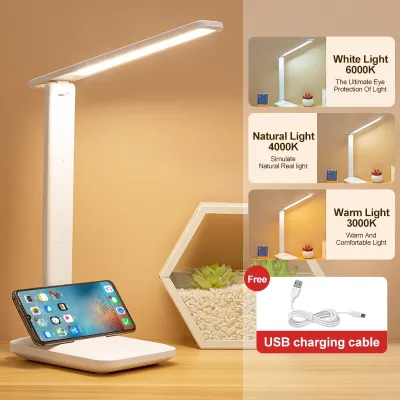
Color rendering and temperature adjustment are essential for maintaining visual comfort over long hours. A high Color Rendering Index (CRI) of 90 or above ensures that colors are represented accurately, which is particularly beneficial for design, art, and science students. Additionally, look for lamps that offer adjustable color temperature settings. A cool white light (around 5000K) is ideal for high-focus tasks and reading, while a warmer, softer light (around 3000K) is gentler on the eyes during late-night review sessions and helps minimize disruption to your sleep cycle.
To protect your long-term vision, verify that the lamp features flicker-free technology and blue-light reduction. Low-quality LED drivers often produce high-frequency flicker that, while invisible to the eye, can cause headaches, eye strain, and mental fatigue. Rather than relying on vague marketing buzzwords, look for official certifications from independent testing bodies, such as TÜV Rheinland, which validate low blue light emissions and flicker-free performance. These certifications confirm that the internal electronics are engineered to deliver a stable, continuous current to the LEDs.
Power, Compatibility, and Safe Installation Checks
Electrical compatibility is a primary safety consideration when installing any lighting fixture. In the Philippines, the standard electrical grid operates at 220 volts (V) and a frequency of 60 hertz (Hz). You must verify that the lamp’s power adapter is rated to handle this specific voltage and frequency; using a lamp designed solely for 110V grids will result in immediate electrical failure and potential fire hazards. Look for wide-range power adapters labeled with an input of 100V–240V and 50Hz/60Hz, which can safely accommodate local voltage fluctuations.
The design of the power adapter and the lamp’s heat dissipation system directly affects both safety and longevity. High-quality lamps utilize external power adapters to convert AC power to low-voltage DC power before it reaches the lamp body. This configuration keeps the heat generated by the voltage conversion away from the delicate LED diodes, preserving their lifespan. Ensure that the lamp head features dedicated ventilation slots or a substantial metal casing to dissipate the heat generated by the LEDs during continuous, multi-hour study sessions.
When setting up your study area, choose an installation method that matches your desk’s structural limits and space availability. Freestanding bases are highly mobile but require a flat, stable surface and take up valuable desk space. Desk clamps and grommet mounts are excellent space-saving alternatives for heavy-duty lamps, but they require a sturdy desk edge. Before purchasing a clamp-on model, measure your desk’s thickness and verify that it falls within the manufacturer’s specified clamp range, ensuring the mounting surface can support the weight and leverage of the extended lamp arm.
Building Your Shortlist: Where to Verify Specs and Warranties
To build a reliable shortlist of heavy-duty study lamps, you must cross-reference product specifications across official manufacturer websites and authorized distributors. Avoid relying solely on unverified listings on online marketplaces, where counterfeit products or downgraded specifications are common. Checking the official documentation ensures that the materials, dimensions, and electrical ratings match the physical product you will receive, protecting you from substandard imitations.
Carefully review the manufacturer’s warranty terms to understand what components are covered and for how long. A robust warranty is a strong indicator of a manufacturer’s confidence in their product’s durability. Look for warranties that explicitly cover the mechanical joints, the LED driver, and the integrated LED module for at least one to two years. Understand the process for claiming warranty support in the Philippines, including whether you need to ship the product to a local service center or if the distributor provides direct replacement parts.
When comparing options, watch out for red flags such as missing safety certification marks, vague material descriptions, or unrealistically low prices. Legitimate electrical appliances sold in the Philippines should carry safety marks such as the Philippine Standard (PS) mark or the Import Commodity Clearance (ICC) sticker, or equivalent international certifications like CE, UL, or RoHS. Compare prices in Philippine Pesos (₱) across multiple authorized retailers to establish a realistic budget, keeping in mind that investing slightly more upfront in a certified, metal-bodied lamp will save you money on replacements in the long run.
Frequently Asked Questions (FAQ)
How do I clean and maintain the moving parts of a desk lamp?
Before performing any maintenance or cleaning on your study lamp, always isolate the power by unplugging the unit from the wall outlet and allowing the lamp head to cool down completely. To clean the surfaces, use a dry or slightly damp microfiber cloth to wipe away dust and fingerprints; never use harsh chemical solvents, abrasive pads, or excessive water, as these can damage the protective powder coating or seep into the electrical housing. If the mechanical joints become stiff or squeaky, refer to the manufacturer’s instructions before applying any lubricants, as many heavy-duty lamps use sealed friction joints that can be permanently ruined by DIY oils or greases. If a joint loses its tension entirely, contact an authorized service center for professional adjustment or warranty support.
Is a heavier base always better for a study lamp?
While a heavier base provides excellent stability for freestanding study lamps, it is not always the most practical choice for every student desk. A massive base occupies a significant amount of surface area, which can limit your space for books, notebooks, and laptops. If your desk space is limited, a clamp-on or grommet-mounted lamp offers a superior alternative, securing the heavy-duty arm directly to the edge of the desk without sacrificing workspace. Before opting for a clamp-on model, verify that your desk is made of a solid material like solid wood or thick plywood; hollow-core desks or thin glass tops may crack or warp under the concentrated pressure of a heavy-duty clamp.

Community discussion
Share your experience or ask a question. Comments are reviewed before publication.