
Creating a balanced wall frames gallery layout requires a thoughtful mix of spatial planning, visual weight distribution, and precise execution. The most effective way to arrange a gallery wall is to map out your composition on the floor or using paper templates before making any permanent marks on your wall. This approach allows you to experiment with spacing, balance different frame sizes, and ensure the collection complements your room’s existing architecture. In tropical environments where high humidity can affect both the artwork and the structural integrity of hanging hardware, taking the time to plan a secure and visually harmonious layout is essential for a lasting display.
By treating your gallery wall as a single cohesive installation rather than a collection of scattered pictures, you can transform an empty wall into a striking focal point. Whether you are displaying family photographs, art prints, or travel memorabilia, the arrangement should feel intentional. A successful layout guides the viewer’s eye smoothly across the collection, creating a sense of order without feeling overly rigid or chaotic.
Planning Your Wall Frames Gallery Layout
Before driving a single nail or screw into your wall, you must establish a clear plan for your gallery. Begin by defining the focal point of the room and deciding on the overall aesthetic you want to achieve. A minimalist aesthetic typically features identical frames arranged in a strict, symmetrical pattern with generous white matting. An eclectic look embraces varied frame styles, colors, and textures, while a traditional layout often relies on balanced, asymmetrical groupings of classic wooden or metallic frames.
Products mentioned in this guide
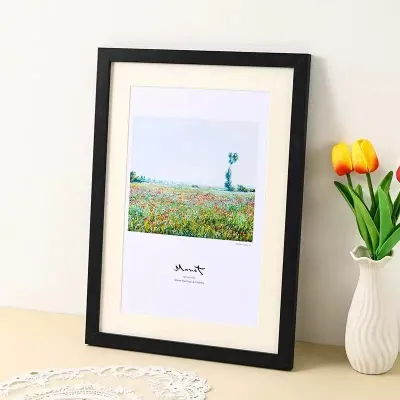
155 Lazada user ratings
Classic traditional style, Elegant wooden frame, Great home decoration, Perfect for A4 photos, Black finish adds charm, Transparent pattern …Read full reviewShow less
Classic traditional style, Elegant wooden frame, Great home decoration, Perfect for A4 photos, Black finish adds charm, Transparent pattern display, Perfect gift coz it looks so aesthetic 😍💕 thank you seller for the fast shipment and for securing my order property. Got it with no damage. Kudos!👍🫰 Godbless ♥️
Great home decoration, Classic traditional style, Transparent pattern display, Black finish adds charm, Elegant wooden frame, Perfect for A4…Read full reviewShow less
Great home decoration, Classic traditional style, Transparent pattern display, Black finish adds charm, Elegant wooden frame, Perfect for A4 photos,
Elegant wooden frame, Black finish adds charm, Perfect for A4 photos, mganda at mukha naman matibay
Great home decoration, Transparent pattern display,
Perfect for A4 photos, Great home decoration,

89 Lazada user ratings
The frame accommodates up to 1000 puzzle pieces, providinc ample space for a challenging and rewarding assembly experience. Versatile Use Wh…Read full reviewShow less
The frame accommodates up to 1000 puzzle pieces, providinc ample space for a challenging and rewarding assembly experience. Versatile Use Whether you're displaying a favorite photograph or a challenging puzzle, this frame is the perfect choice for any occasion. Simple Decorative Style With its minimalist design, this frame adds a touch of elegance to any room without overwhelming the space. Wall-Mountable The frame comes with mounting hardware, making it easy to display your completed puzzle or artwork on the wall. Great for wall decor, Sturdy and durable, Easy to hang,
Large size 70x50cm, Great for wall decor, Fast shipping, Nice packaging, Simple design, thank you seller kala ko nun una Mali na deliver kc …Read full reviewShow less
Large size 70x50cm, Great for wall decor, Fast shipping, Nice packaging, Simple design, thank you seller kala ko nun una Mali na deliver kc maliit box .. de assemble Pala sya .. salamat din rider
Simple but functional. You get what you paid for so it’s okay, it’s still usable. Will assemble this for my puzzle. Thanks seller and lazada…Read full reviewShow less
Simple but functional. You get what you paid for so it’s okay, it’s still usable. Will assemble this for my puzzle. Thanks seller and lazada!!
Nice packaging, Good seller service, High-quality material, Great for wall decor, nice fit, perfect size
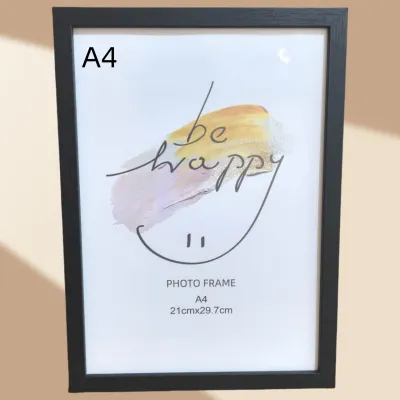
762 Lazada user ratings
Great value for the price, clear and lightweight Plexiglass cover. It's good for the purpose and I m planning to order for more.
Great buy! I received the items in good condition. Thank you seller, lazada and kay ading rider. Sorry for the very late review.
💰Price:worth the value 🎨Design:nice,just a little bit of scratch 🛡️Safety:thanks for the safety 🔍Quality:good but not glass.
Clear and lightweight Plexiglass cover, Great value for the price, High-quality materials, Versatile size options,
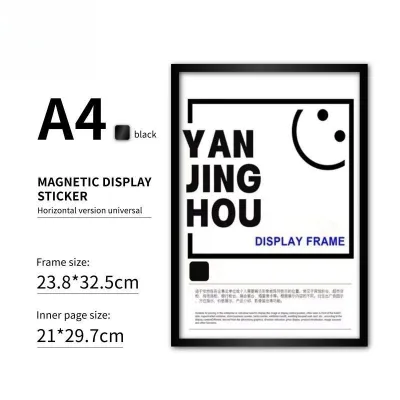
1,345 Lazada user ratings
Bad seller! Hindi man Lang binalot SA Karton! dumating tuloy ang items na may tusok Ng Kung ano. umorder ako Ng B3T3. Yung tatlo may damage …Read full reviewShow less
Bad seller! Hindi man Lang binalot SA Karton! dumating tuloy ang items na may tusok Ng Kung ano. umorder ako Ng B3T3. Yung tatlo may damage Natusok ata. walang kwenta mga tauhan mo seller. tanggalin mo na.👎
No holes needed, Good packaging, Durable material, Flexible design, Flexible design, High transparency, perfect for decaration ng classroom.
Simple and elegant, No holes needed, Strong magnetic back, Durable material, High transparency, Great for photos, Flexible design,
nakuha ko ng mura sa coins. Simple and elegant, No holes needed, Flexible design, High transparency, Good packaging,
Simple and elegant, Flexible design, High transparency, Fast shipping, Good packaging, Great for photos,
Prices are valid at publication and may change. Please refer to the product page for the latest price.
Curating your artwork and frames is the next critical step. Consider the color palette of your prints and how they interact with the wall color. If your collection features highly diverse images, using matching frames can unify the display. Conversely, if your artwork shares a cohesive color scheme, you can experiment with mismatched frames to add texture and depth. Pay close attention to matting; wide mats can make small prints look more significant and provide visual breathing room between the art and the frame.
Measuring your available wall space is vital to ensure the collection fits proportionally without overcrowding the room. Whether you are working with a budget of ₱1,500 or investing in custom frames, measuring your space ensures you do not overspend on sizes that do not fit. Use a measuring tape to find the width and height of the usable wall area, keeping in mind the positions of nearby furniture, light switches, and outlets. For instance, when hanging a gallery wall above a sofa or console table, the entire arrangement should generally span two-thirds to three-quarters of the furniture’s width to maintain proper proportions.
In tropical climates, environmental factors must influence your planning. High relative humidity can cause paper prints to buckle or stick to the glass over time. To prevent this, ensure your frames utilize acid-free mat boards to create a protective air gap between the artwork and the glass. Additionally, consider using moisture-resistant backing materials instead of standard cardboard, which can absorb dampness from concrete walls and encourage mold growth.
Popular Gallery Wall Templates and Arrangements
Using an established layout template is one of the easiest ways to eliminate decision fatigue and ensure structural harmony. These templates provide a reliable framework, allowing you to focus on curating your content rather than worrying about whether the final composition will look balanced.

The Grid Layout
The grid layout is a highly structured arrangement where identical or similarly sized frames are aligned in precise rows and columns. This style is exceptionally clean, modern, and orderly, making it an excellent choice for minimalist interiors or formal dining rooms. Because the human eye quickly detects even minor misalignments in a geometric pattern, this layout requires meticulous measuring and installation.
To execute a successful grid, you should use frames of the exact same dimensions, color, and profile. The spacing between the frames must be perfectly uniform—typically between 5 to 8 centimeters. This layout works beautifully for series of botanical prints, architectural photography, or black-and-white portraits where consistency is the primary design goal.
The Salon Style
Originating in 19th-century art exhibitions, the salon style is an organic, clustered approach that allows you to mix frames of various sizes, orientations, and designs. This layout is ideal for eclectic collections, family photo walls, or filling awkward spaces like narrow hallways and cozy corners. It offers the flexibility to add new pieces over time, making it a living, evolving display.
To prevent a salon-style wall from looking cluttered, start by choosing a large, visually dominant piece to serve as your central anchor. Hang this anchor piece slightly off-center or at the core of your layout, and then build the arrangement outward. Maintain a relatively consistent gap between all frames to tie the diverse elements together into a single, unified shape.
The Staircase Layout
Hanging art along a staircase presents unique challenges due to the shifting floor level and diagonal perspective. The staircase layout solves this by following the natural angle of the stairs, creating a dynamic display that guides the eye upward. This arrangement prevents the art from looking disconnected from the architectural flow of the home.
To achieve this, project an imaginary diagonal line that runs parallel to the angle of the stairs, positioned approximately 145 to 150 centimeters above the stair treads. Align the center points of your frames along this diagonal line. Keeping the spacing between the bottom of the frames and the stair steps consistent will ensure the entire collection feels balanced and securely anchored to the architecture.
The Horizontal Line
The horizontal line layout organizes frames along a single, shared horizontal axis. You can choose to align the top edges of the frames, the bottom edges, or their exact center points. This arrangement is particularly effective in long hallways, above low-profile sofas, or over dining room credenzas where you want to emphasize the width of the room.
This template is highly versatile because it accommodates frames of varying heights and widths while maintaining a sense of order. By keeping the central horizontal axis consistent, you can mix tall vertical frames with wide horizontal ones without creating visual confusion. It offers a relaxed yet organized look that suits both contemporary and transitional spaces.
Step-by-Step Guide to Hanging Your Frames
Once you have selected your layout template, transitioning the design from your imagination to the wall requires a systematic approach. Following a step-by-step process ensures that your frames hang straight, stay secure, and do not leave a trail of unnecessary holes in your plaster or concrete.
First, create paper templates of each frame. Trace the outline of each frame onto kraft paper, newspaper, or wrapping paper, and cut them out. Mark the position of the hanging hardware (such as D-rings or wire) on each paper template. Label each paper cutout with a brief description of the artwork it represents so you can easily identify them during the planning process.
Next, use painter’s tape to stick these paper templates onto the wall. This step allows you to experiment with the arrangement in real-time without damaging the wall surface. Step back several meters to evaluate the composition from different angles in the room. Adjust the spacing, swap positions, and ensure the overall scale feels appropriate for the space.
Determine the ideal anchor height for your arrangement. As a general rule of thumb, the center of the entire gallery wall composition should sit at eye level, which is approximately 145 to 150 centimeters from the floor. If you are hanging the gallery above a piece of furniture, position the bottom edge of the lowest frames about 15 to 20 centimeters above the top of the furniture to prevent the display from looking disconnected.
Once you are satisfied with the paper layout, use a spirit level and measuring tape to mark your drilling points directly through the paper templates. Double-check your marks to ensure everything is perfectly level. Before you begin drilling or hammering, always check for hidden utility lines. Use a stud finder or wall scanner to verify that there are no electrical wires or water pipes running behind your marked points.
In many homes, walls are constructed from solid concrete or concrete hollow blocks rather than drywall. Hanging frames on concrete requires specific tools and techniques. You will need a hammer drill equipped with a masonry drill bit to create clean holes. Insert plastic wall plugs (commonly referred to locally as tox plugs) into the drilled holes before inserting your screws. This ensures the hardware can securely support the weight of the frames. If you are dealing with exceptionally heavy frames, masonry walls, or complex installations at height, stop and consult a qualified professional to ensure a safe and secure mount.
Finally, mount your hanging hardware, hang the frames, and carefully peel away the paper templates from behind them. Use a spirit level placed on top of each frame to make final micro-adjustments. To keep the frames from shifting over time due to vibrations or drafts, place small adhesive rubber bumpers on the bottom corners of each frame backing.
Tips for Achieving Visual Balance
Achieving visual balance is more than just measuring equal distances between frames; it is about managing how the eye perceives weight. Larger frames, darker artwork, and heavy wooden frames carry more visual weight than smaller, lighter, or frameless pieces. To create a balanced composition, distribute this visual weight evenly across the entire layout.
Position your heaviest or darkest pieces near the center or toward the bottom of the arrangement. Placing heavy elements at the top can make the entire gallery feel top-heavy and unstable. If you have a large, dark frame on one side, balance it by grouping two or three smaller, lighter frames on the opposite side.
Maintain consistent spacing between your frames to unify the collection. For tight, structured layouts like grids, a gap of 5 to 7 centimeters is ideal. For looser, salon-style arrangements, you can expand the spacing to 8 to 10 centimeters, but try to keep this distance uniform throughout the entire display. Inconsistent gaps can make the arrangement look accidental rather than intentional.
Balance your orientations and colors across the layout. Avoid grouping all your vertical frames on one side and all horizontal ones on the other. Instead, intersperse them to create a rhythmic flow. The same rule applies to color; distribute vibrant or high-contrast pieces evenly throughout the gallery so that one specific area does not dominate the viewer’s attention.
Frequently Asked Questions (FAQ)
How high should I hang my gallery wall?
The standard guideline is to position the center of the gallery wall arrangement at eye level, which is roughly 145 to 150 centimeters from the floor. If you are hanging the collection above a sofa, console table, or bed headboard, the bottom of the lowest frames should sit approximately 15 to 20 centimeters above the furniture. This spacing ensures the display feels connected to the room’s furnishings rather than floating awkwardly on the wall.
What is the ideal spacing between frames?
The ideal spacing generally ranges between 5 to 10 centimeters, depending on the size of your frames and the overall wall area. For smaller frames or tight grid layouts, a narrower gap of 5 to 7 centimeters looks cohesive and sharp. For larger frames or expansive walls, a wider gap of 8 to 10 centimeters prevents the arrangement from feeling cramped. Whichever distance you choose, consistency across all gaps is key to achieving a polished look.
Can I mix different frame styles and colors?
Yes, mixing different frame styles and colors can create a beautifully dynamic and personalized gallery wall. To keep the eclectic mix from looking chaotic, introduce a unifying element. You can use identical white or off-white matting for all the artwork, limit your frame selection to two or three coordinating materials (such as light oak, black wood, and brass), or ensure the artwork itself shares a cohesive color palette.

Community discussion
Share your experience or ask a question. Comments are reviewed before publication.