
To create a cozy ambient lighting setup on a condo balcony, you need to layer your light sources, choose warm color temperatures, and place fixtures strategically to maximize depth without causing harsh glare. Transforming a small outdoor concrete slab into a relaxing sanctuary is highly achievable when you move away from a single, bright overhead light. Instead, combining soft hanging elements, low-level floor lanterns, and subtle accent lights creates a welcoming retreat perfect for winding down after a busy day in the city.
In many local households, finding the right balcony lamo—or lamp setup—means balancing aesthetic appeal with the practical realities of tropical weather. High humidity, sudden rain showers, and limited space require a thoughtful approach to layout and fixture selection. By understanding how to position each light source, you can turn even the most compact high-rise balcony into an inviting extension of your living space.
Assessing Your Balcony Space and Power Setup
Before purchasing any lighting fixtures, you must evaluate the physical layout and structural limits of your condo balcony. Start by taking accurate measurements of the floor area, wall heights, and railing lengths. Knowing these dimensions prevents you from buying oversized fixtures that crowd the space or long string lights that require awkward bundling. Take note of where your balcony furniture sits and map out the natural walking paths to ensure no cords or low-hanging fixtures block movement.
Products mentioned in this guide
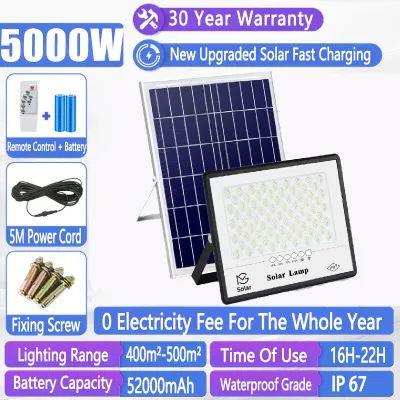
Prices are valid at publication and may change. Please refer to the product page for the latest price.
Next, inspect the electrical infrastructure available on your balcony. Check if you have an existing outdoor outlet, noting its location and whether it features a weatherproof, flip-cover utility box. If your balcony lacks an active power source, you will need to plan for alternative power methods, such as solar-powered fixtures or rechargeable battery-operated lamps. Never plan to run standard indoor extension cords through open sliding doors permanently, as this compromises your home’s security and damages the cords over time.
Condominium living also comes with strict community guidelines that govern exterior modifications. Before buying any equipment, consult your Property Management Office (PMO) or homeowners’ association (HOA) handbook regarding balcony rules. Many developments prohibit drilling into exterior walls, hanging items that are visible from the street, or installing high-wattage fixtures that disturb neighbors. Understanding these boundaries early saves you from fines and the hassle of dismantling a newly installed setup.
When choosing bulbs or fixtures, always verify the local voltage compatibility (typically 220V in the Philippines), the base or interface type (such as E27 or GU10), the maximum wattage limits of your fixtures, and official electrical safety certifications (such as the PS mark or ICC sticker). To prepare for the installation, gather a few essential tools and accessories. A standard tape measure, outdoor-rated mounting clips, damage-free adhesive hooks, and heavy-duty zip ties are invaluable for securing lights without drilling. If your PMO allows temporary wiring, keep a stock of weatherproof cable clips and outdoor-rated extension cords handy to keep your layout neat, safe, and organized.
Layering and Zoning Techniques for Ambient Lighting
Creating a cozy atmosphere relies on the design principle of light layering, which blends different types of illumination to eliminate harsh shadows and flat spaces. Relying on a single, unshielded overhead bulb often makes a small balcony feel clinical and cramped. By distributing light across different heights and zones, you create a sense of depth that makes the entire outdoor area feel larger and more sophisticated.

Ambient Lighting Ambient lighting serves as the foundational layer, providing a soft, overall glow that ensures safe movement without overpowering the senses. On a condo balcony, this is best achieved using low-wattage string lights draped along the ceiling, a flush-mounted outdoor ceiling fixture, or soft wall-mounted sconces. This layer should mimic the gentle light of dusk, establishing a soothing baseline brightness that invites relaxation.
Task Lighting Task lighting delivers focused illumination to specific areas where you perform activities like reading, dining, or mixing drinks. Instead of turning on a bright overhead light, use a small, battery-operated table lamp or a sturdy clamp-on light attached to a side table or railing. This keeps the light concentrated exactly where you need it, preserving the relaxing, low-light atmosphere of the rest of the balcony.
Accent Lighting Accent lighting draws attention to specific decorative features, adding visual interest and drama to your outdoor space. You can use small solar spotlights directed upward into the foliage of potted palms, or run thin, waterproof LED strip lights along the underside of the railing. This technique highlights textures and natural elements, creating beautiful contrast and soft shadows that enhance the cozy vibe.
Layout Principles To achieve a balanced layout, avoid placing lights in a symmetrical, grid-like pattern, which can feel rigid and commercial. Instead, aim for a staggered arrangement that guides the eye naturally around the space. Use indirect lighting by bouncing light off walls or tucking fixtures behind plants and furniture to prevent direct glare from shining into your eyes when you are seated.
Choosing and Placing Your Lamo and Balcony Lights
Selecting the right lamo types and positioning them correctly depends on the distinct zones of your balcony and the physical limits of condo living. Because high-rise balconies are exposed to strong winds and sudden tropical downpours, every fixture must be secure and durable. With prices for quality outdoor fixtures ranging from under ₱500 for basic string lights to over ₱3,000 for durable designer lanterns, there are options for every budget.
Overhead and Hanging Zones For the upper portion of your balcony, lightweight string lights or outdoor-rated pendant lamps are excellent choices. When hanging string lights, secure them tightly to sturdy anchor points using heavy-duty zip ties or damage-free suction hooks designed for exterior glass. Ensure there is no excessive slack that could catch strong winds during stormy weather, and always verify that any hanging fixture is light enough to be supported without drilling into structural concrete.
Floor and Corner Zones Utilizing corners is an excellent way to define the boundaries of a small balcony without obstructing the main floor area. Place tall, heavy-bottomed outdoor lanterns or solar-powered floor lamps in underutilized corners to cast a warm glow outward. Opt for fixtures made of heavy materials like treated metal, thick resin, or heavy glass to prevent them from tipping over during breezy evenings.
Table and Railing Zones Keep your tabletop functional by choosing compact, cordless table lamps with weighted bases. Railing-mounted clamp lights are also highly effective for saving floor and table space. When attaching any light to a railing, ensure the clamp is tightened securely and lined with rubber grips to prevent slipping or scratching the metal finish.
Plant and Decor Zones If you have a collection of potted plants, such as snake plants or small palms, place mini solar spotlights or ground-stake lights at their bases. Aiming the light upward through the leaves casts intricate, dancing shadows onto the balcony walls. This simple technique adds vertical dimension and a lush, tropical resort feel to your private outdoor nook.
Tip To achieve the softest, most inviting glow, prioritize lamps featuring warm-toned shades, natural rattan weaves, or frosted glass diffusers. These materials gently scatter the light, eliminating harsh glare and creating a warm, organic texture that complements outdoor furniture.
Tuning Color Temperature and Brightness for a Cozy Vibe
The color temperature and brightness of your bulbs are the most critical factors in establishing a genuinely cozy atmosphere. Even the most beautifully designed lamps will fail to create a relaxing environment if they emit a harsh, cold light.
Color Temperature For a relaxing, intimate balcony setup, warm white bulbs (2700K to 3000K) are highly recommended because they mimic the gentle warmth of candlelight, which many people find soothing. While some may prefer cooler light for tasks, warm tones generally help establish a cozy, low-glare environment. Avoid cool white or daylight bulbs rated at 4000K and above, as these emit blue-toned light that feels clinical, keeps your mind alert, and can disrupt your sleep cycle.
Brightness Control Controlling the intensity of your lights is essential for adapting the balcony’s mood throughout the evening. Choose dimmable bulbs or fixtures equipped with built-in dimmer switches so you can transition from a brighter setting for outdoor dining to a very soft, low glow for late-night winding down. Low-lumen bulbs (around 150 to 300 lumens per fixture) are generally sufficient for small balconies, ensuring the space remains cozy without spilling excessive light into your neighbors’ windows.
Smart Controls Integrating outdoor smart plugs or smart bulbs allows you to manage your entire balcony lighting system effortlessly. Using a mobile app or voice commands, you can dim the lights, group different fixtures together, and set automated schedules. Programming your lights to turn on automatically at sunset and turn off at bedtime ensures you enjoy a beautifully lit balcony without wasting electricity overnight.
What to Avoid Stay away from high-intensity floodlights, unshielded raw bulbs, and flashing multi-colored lights. These choices create intense glare, make the space feel chaotic, and contribute to urban light pollution. Keeping your lighting soft and localized ensures your balcony remains a peaceful oasis that respects the comfort of your community.
Safety Rules and Installation Boundaries for Condos
When setting up electrical fixtures on a condo balcony, safety must always be your top priority. Because balconies are exposed to the elements, sub-standard installations can lead to short circuits, electrical shocks, or fire hazards.
Weatherproofing All outdoor lamps, bulbs, extension cords, and connectors must carry an appropriate Ingress Protection (IP) rating to withstand tropical weather. Ensure your fixtures are rated at least IP44, which protects against splashes of water from any direction, though IP65 is highly recommended for complete protection against heavy rain jets during the wet season. Never use standard indoor cords or non-rated decorative lights in an open outdoor area.
Electrical Safety Always isolate the power supply at the main circuit breaker before installing, adjusting, or cleaning any wired lighting fixtures. Ensure your outdoor outlets are equipped with a functioning Ground Fault Circuit Interrupter (GFCI) to instantly cut power if moisture enters the system. Never plug or unplug electrical devices while standing on wet balcony tiles or during active rainstorms.
Installation Limits To prevent structural damage and maintain your condo’s structural integrity, avoid drilling holes into exterior concrete walls, ceiling slabs, or glass railings. Instead, utilize non-invasive mounting solutions such as heavy-duty exterior mounting tape, tension rods, or specialized railing brackets. These methods secure your lights reliably while remaining completely reversible when you decide to move or change your layout.
Stop Conditions If your desired lighting setup requires hardwiring a new fixture, modifying your condo’s existing electrical circuits, or suspending heavy loads at height, stop immediately. These tasks carry high safety risks and must be handled by a licensed electrician. Always consult your property management office to secure the necessary permits and professional assistance before proceeding with any permanent electrical work.
Frequently Asked Questions (FAQ)
Can I use indoor lamps on my condo balcony?
No, you should not use indoor lamps on an open condo balcony. Indoor fixtures lack the necessary weatherproofing, moisture seals, and UV-resistant materials required to withstand outdoor humidity, wind, and rain. Exposing an indoor lamp to the elements can lead to rapid material degradation, short circuits, and severe electrical shock hazards. Only use lamps explicitly rated for outdoor, wet, or damp locations, unless your balcony is completely enclosed, glazed, and climate-controlled like a standard indoor room.
How do I power balcony lights without an outdoor outlet?
If your balcony lacks a built-in outdoor outlet, you can use several safe and effective alternatives. Solar-powered lamps and lanterns are excellent options for balconies that receive direct sunlight during the day. Rechargeable battery-operated LED lamps, particularly those equipped with automated timers or remote controls, offer great flexibility without relying on solar exposure. Alternatively, you can use a specialized flat, window-pass-through extension cord designed to slide under closed balcony doors or windows without damaging the weather seals, provided it complies with your condo’s safety guidelines.

Community discussion
Share your experience or ask a question. Comments are reviewed before publication.