
Transforming a compact condo balcony into a cozy, warm sanctuary requires a thoughtful approach to lighting, especially when you want to avoid the hassle of electrical wiring or drilling into shared walls. Arranging Cblue solar lights allows you to craft a relaxing outdoor escape using sustainable, low-voltage fixtures that harness the natural tropical sunshine of the Philippines. By strategically layering different light styles, securing them safely against high-altitude winds, and positioning the solar panels to maximize daily sun exposure, you can achieve a beautiful ambient glow that extends your living space outward.
Assessing Your Balcony Space and Lighting Goals
Before purchasing or installing any outdoor fixtures, a thorough assessment of your balcony’s physical layout and structural limitations is essential. Begin by measuring the usable floor space, the total length of the railings, and any available vertical surfaces or overhead beams. Note where the shadows fall during the day and identify the specific areas you want to highlight, such as a small coffee table, a cozy reading chair, or a collection of potted ornamental plants.
Understanding the structural boundaries of your condominium is equally critical for a successful setup. Many condo corporations in the Philippines enforce strict guidelines regarding exterior modifications, which often prohibit drilling into structural concrete, painting exterior walls, or hanging heavy objects over shared railings. Take the time to review your building’s homeowner association (HOA) rules to ensure your lighting plan complies with local regulations. Focusing on non-invasive, temporary mounting solutions will help you avoid penalties while still achieving your desired aesthetic.
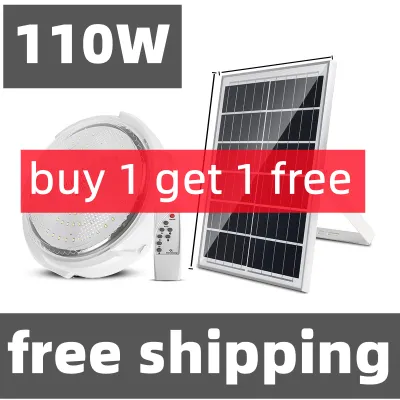
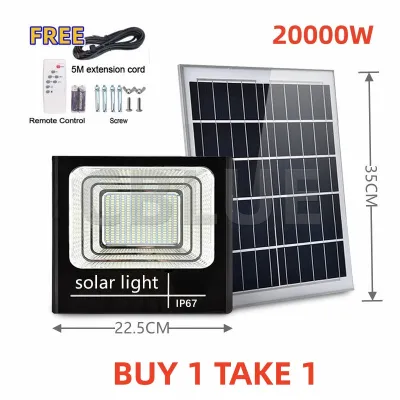
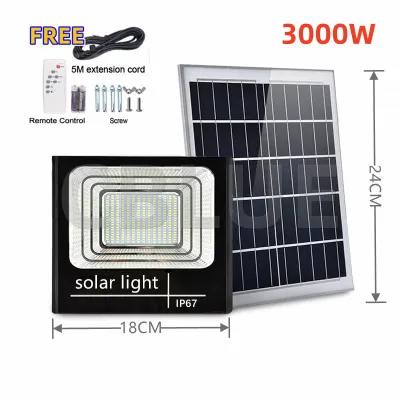
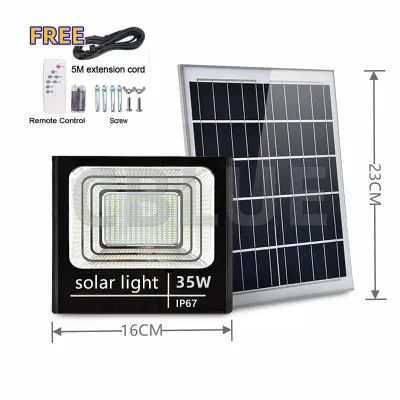
Products mentioned in this guide
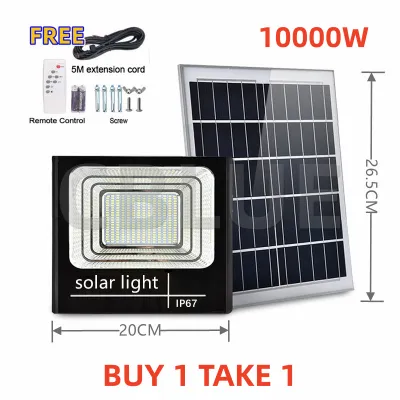
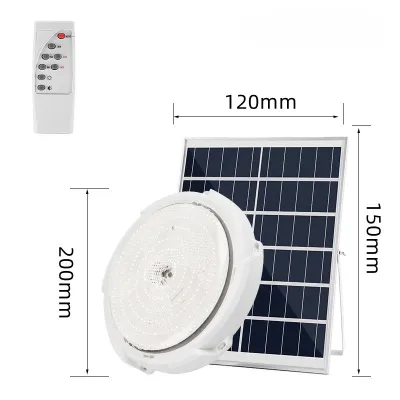
![[BUY 1 TAKE 1]CBLUE Solar Ceiling light Energy Saving 5 Years Warranty Indoor waterproof Outdoor Garden pandent light With Line Corridor light for Decor lighting](https://img.lazcdn.com/g/p/735ec1047e58611652d8307a3effe9a8.png_400x400q80.png_.webp)
Prices are valid at publication and may change. Please refer to the product page for the latest price.
Additionally, consider the ambient light spill from neighboring units, streetlights, or common corridor areas. If your balcony is already partially illuminated by building security lights, your goal should be to introduce soft, low-intensity accent lighting rather than bright, high-wattage illumination. This initial assessment ensures that your chosen layout harmonizes with the existing environment and respects the shared nature of high-rise living.
Selecting Cblue Solar Light Styles for Condo Layouts
Matching the right solar light form factor to your balcony’s specific layout is key to creating a balanced and functional design. Cblue solar lights come in several distinct styles, each serving a unique purpose in a layered lighting scheme.

Solar string lights and fairy lights are highly versatile options for wrapping around metal or concrete balcony railings. They can also be woven through overhead wooden pergolas or draped along privacy screens to create a whimsical, starry-night effect. Because they distribute light across a wide area, they are excellent for establishing a soft, continuous boundary of light around the perimeter of your outdoor space.
For blank exterior walls where drilling is prohibited, wall-mounted or sconce-style solar lights offer a clean, modern look without the need for hardwired electrical connections. Many of these fixtures can be mounted using heavy-duty, outdoor-rated double-sided adhesive tape or removable adhesive hooks designed for textured surfaces. When selecting wall lights, verify the dimensions, weight limits, and electrical certifications specified by the manufacturer to ensure they can be safely supported by temporary mounting methods.
Stake lights or pathway lights, traditionally used in ground-level gardens, can be creatively repurposed for condo balconies by inserting them directly into the soil of potted plants, such as palms or snake plants. This technique provides localized, low-level illumination that highlights the natural textures of your foliage. Finally, portable solar lanterns and hanging pendants can be placed directly on tabletops or suspended from approved, non-invasive ceiling hooks, offering flexible lighting that can be easily rearranged based on your seating needs.
Step-by-Step Arrangement Techniques for Ambient Atmosphere
Achieving a professional-looking ambient atmosphere relies on the principle of layered lighting, which avoids the flat, harsh look of a single overhead light source. To create visual depth, combine low-level floor lights, mid-level railing wraps, and high-level hanging fixtures. Start by placing solar stake lights in your floor planters to cast soft uplighting shadows against the walls. Next, wrap string lights along the middle section of your railing, and finish by hanging a decorative solar lantern from an overhead hook or placing it on a side table. This multi-level approach draws the eye across the entire space, making a small balcony feel significantly larger.
When installing string lights along your balcony railing, safety and property preservation must be your top priorities. Avoid using metal wires or staples that can scratch the protective paint of the railing, which can lead to rust in the humid tropical climate. Instead, use adjustable, UV-resistant plastic zip ties or specialized outdoor light clips to secure the cables firmly. Ensure the zip ties are tightened enough to prevent the wires from flapping in the wind, but avoid overtightening, which can pinch and damage the internal wiring of the light string.
To highlight specific focal points, position your light sources to create dramatic contrast. Placing a small solar spotlight or stake light behind a large-leafed plant, such as a monstera or a traveler’s palm, projects intricate, organic shadows onto your balcony walls, adding a sense of drama and texture. Keep these accent lights low to the ground and angled slightly upward to keep the focus on the foliage rather than the light fixture itself.
Preventing glare is a crucial aspect of considerate high-rise living. Unshielded bulbs pointing outward can cause uncomfortable glare for you and your neighbors in adjacent buildings. To maintain a cozy atmosphere, angle wall-mounted sconces downward so the light washes over the balcony floor. If you are using string lights, opt for models with frosted or diffused covers that soften the output, or position them behind the railing structure so the bulbs are partially hidden from direct line of sight.
Optimizing Solar Charging in Shaded Condo Environments
One of the primary challenges of using solar lighting on a condo balcony is navigating the shadows cast by upper floors, concrete overhangs, and neighboring towers. To ensure your Cblue solar lights receive enough energy to illuminate your evenings, you must optimize the placement of the solar panels. If your lights feature a detached solar panel connected by a cable, position the panel at the absolute edge of the balcony railing where it can receive the maximum amount of direct, unobstructed sunlight during the day.
Managing shade requires observing the daily path of the sun across your balcony. A spot that seems bright at noon might be completely shaded by an adjacent building or a large potted plant during the peak charging hours of the morning or afternoon. Avoid placing solar panels directly under deep concrete ceilings or behind dense foliage. If necessary, mount the solar panel higher up on an exterior wall using removable adhesive mounts, angling it upward to catch the sky’s ambient light even on overcast days.
Regular maintenance is vital for keeping the solar cells operating at peak efficiency. In urban areas like Metro Manila, dust, vehicle emissions, and soot can quickly accumulate on the glass surface of the solar panel, blocking sunlight and reducing charging capacity. Wipe the panels clean at least once a month using a soft, damp microfiber cloth. Avoid using abrasive scrubbers or harsh chemical cleaners, which can scratch the protective coating and permanently degrade the panel’s performance.
During the prolonged rainy seasons and monsoons common in the Philippines, consecutive days of heavy cloud cover can limit the solar panels’ ability to generate a full charge. To address this, check your specific Cblue model’s product manual to see if it supports alternative charging methods, such as a USB backup port. This feature allows you to bring the solar panel or the entire fixture indoors to charge via a standard wall outlet, ensuring your balcony remains beautifully lit even during stormy weeks.
Weatherproofing and Routine Maintenance Checks
Outdoor fixtures on a condo balcony are constantly exposed to the elements, including intense tropical heat, high humidity, and heavy rainfall. Before installing any solar lights, verify their Ingress Protection (IP) rating, which is typically printed on the product packaging or in the user manual. For open balconies exposed to wind-driven rain, look for fixtures with at least an IP44 rating, though an IP65 or higher rating is preferred for superior dust and water resistance. Never install indoor-rated lights on an open balcony, as moisture ingress can cause short circuits and premature failure.
High-rise balconies are often subjected to strong wind gusts, especially during the typhoon season. Periodically inspect your installation to ensure all mounting brackets, adhesive hooks, and zip ties remain secure. Over time, exposure to intense UV rays can cause standard plastic zip ties to become brittle and snap; replacing them annually with heavy-duty, UV-stabilized zip ties will prevent your lights from falling and potentially causing injury or property damage below.
Proper battery care is essential for extending the lifespan of your solar lights. Most solar fixtures utilize rechargeable AA or AAA NiMH batteries, which gradually lose their capacity after several hundred charge cycles. If you notice that your lights are turning off much earlier than usual despite receiving adequate sunlight, consult the manufacturer’s instructions to replace the old rechargeable cells with new ones of the same voltage and capacity. Always dispose of old batteries responsibly at designated electronic waste recycling centers.
Finally, prepare a plan for extreme weather conditions. When a severe typhoon warning is active, take a few minutes to dismantle delicate solar lanterns, hanging pendants, and unsecured string lights, and bring them indoors. Storing these items in a dry, safe place during extreme storms protects your investment and eliminates the risk of loose fixtures becoming dangerous airborne hazards in high-density residential areas.
Frequently Asked Questions (FAQ)
Can I use Cblue solar lights if my balcony faces north or receives minimal direct sunlight?
Yes, you can still use solar lights on a north-facing or shaded balcony, though you will need to adjust your expectations and setup. Standard solar lights typically require several hours of direct sunlight to achieve a full charge, so a shaded position may result in shorter runtimes or dimmer light output. To maximize performance, choose Cblue models that feature a detached solar panel on a long wire, allowing you to position the panel at the outermost edge of the railing where light exposure is highest. Additionally, look for models that include a USB charging port, which allows you to manually charge the batteries indoors during periods of low sunlight or heavy monsoon rains.
Will the light from my balcony fixtures disturb my neighbors?
With thoughtful placement and selection, you can easily enjoy a beautifully lit balcony without causing light pollution or disturbing your neighbors. Opt for warm white color temperatures (around 2700K to 3000K) rather than cool white or blue-toned lights, as warm light is much softer on the eyes and creates a more relaxing environment. Position your fixtures so the light is directed inward toward your seating area or downward onto the balcony floor, rather than pointing outward toward adjacent buildings. Finally, make use of manual on/off switches or built-in timers to ensure your lights turn off automatically during late-night hours, preserving the peace and privacy of your residential community.

Community discussion
Share your experience or ask a question. Comments are reviewed before publication.