
Transforming your bedroom into a serene sanctuary requires a thoughtful approach to lighting. While standard overhead fixtures often flood a room with harsh, uniform light, decorative Christmas light balls offer a soft, diffused alternative. These textured spheres scatter light in multiple directions, breaking up sharp shadows and casting a gentle, warm glow that instantly signals your mind to unwind. Whether you are winding down after a long day or setting a relaxing mood for a weekend morning, the way you position these lights plays a crucial role in how comfortable the space feels.
By understanding how to layer your lighting and secure your fixtures safely, you can turn a simple strand of light balls into a sophisticated design feature. Achieving this cozy ambient effect does not require a complete room makeover. Instead, it relies on strategic placement, proper mounting techniques, and a few smart adjustments to your existing bedroom layout.
Preparing Your Space and Light Balls
Before hanging a single strand, evaluate your bedroom layout and inspect your lighting equipment. Begin by measuring the distance between your planned anchor points using a flexible measuring tape. This step ensures that your light ball string is long enough to cover the desired path with a natural, relaxed drape rather than being pulled taut.
Products mentioned in this guide
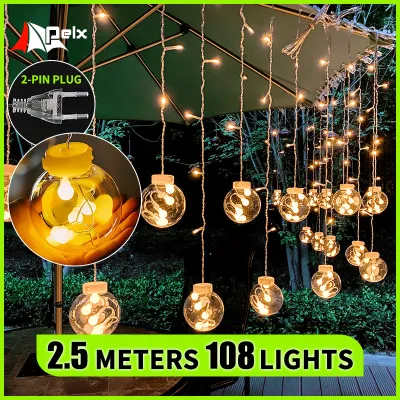
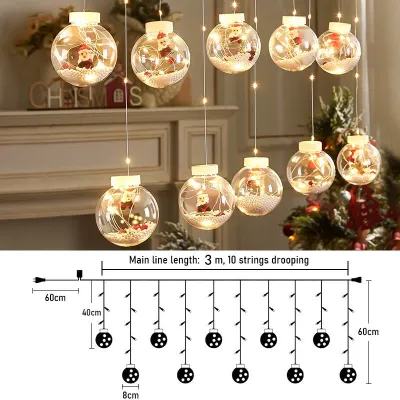
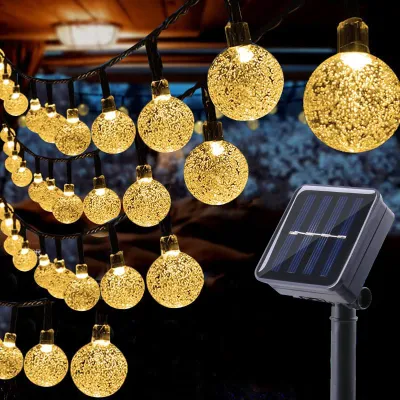
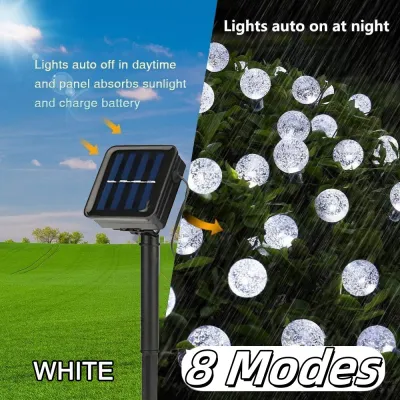
Prices are valid at publication and may change. Please refer to the product page for the latest price.
Next, carefully inspect the physical condition of the light strand. Run your fingers along the wire insulation to check for any cracks, fraying, or exposed copper, and examine the plugs and individual bulbs for loose connections. If you notice any damage, replace the strand entirely.
Identify the nearest available wall outlets and plan your routing. If you need to use an extension cord, position it along the perimeter of the room so it does not cross walking paths where it could become a tripping hazard. Additionally, verify that the voltage rating on your light strand matches your home’s electrical supply—typically 220V—and look for official safety certification marks on the packaging to confirm the product has undergone proper quality testing.
Choosing Placement Zones for Ambient Layers
To build a successful ambient lighting scheme, you must decide where the light will settle. Instead of scattering lights randomly, identify the primary focal points of your bedroom, such as the bed, a reading nook, or a vanity table. Concentrating your light balls around these key areas helps define different functional zones within the room.

Balance is essential when distributing these glowing spheres. Placing too many lights in one corner while leaving the rest of the room dark creates high-contrast shadows that can strain your eyes. Aim for a balanced distribution that guides the eye gently across the room, working with your existing furniture and architectural features to create a natural, flowing path.
Framing the Bed and Headboard
The bed is the natural focal point of any bedroom, making it an ideal anchor for your ambient lighting. Draping a string of light balls loosely behind your headboard or along its top edge creates a beautiful halo effect. This soft backlight washes the wall behind your bed in a warm glow, providing enough illumination for evening reading without the need for a bright bedside lamp.
When positioning the lights, keep the bulbs slightly away from your pillows and mattress. Even low-wattage LED light balls generate a small amount of heat over time, and keeping them clear of bedding prevents heat buildup while protecting your eyes from direct glare when you lie down. If your bed does not have a traditional headboard, you can outline the upper frame of the bed or mount the lights on the wall directly above the pillows to mimic the same cozy structure.
Draping Over Furniture and Shelves
Integrating your light balls into existing bedroom storage units adds depth and visual interest to the room. Try weaving the string gently through open shelving units, bookcases, or along the tops of wardrobes. This technique highlights your favorite books and decorative items while casting soft, downward shadows that contribute to the overall cozy atmosphere.
For a more contained and whimsical look, you can gather a portion of the light strand and place it inside a clear glass jar or a decorative wooden bowl on your nightstand. This creates a self-contained lantern effect that diffuses the light through the textured spheres. When arranging the wires around furniture, ensure they do not pull tightly against fragile decor items or create tension that could pull objects off the shelves.
Creating Window and Corner Accents
Windows and corners are often overlooked, yet they offer excellent opportunities to expand the perceived size of your bedroom. Outlining a window frame with light balls draws the eye outward, softening the harsh transition between your brightly lit room and the dark outdoors at night. This setup is particularly comforting during rainy evenings, creating a warm barrier against the damp weather outside.
Dark corners can be transformed into cozy alcoves by clustering extra light balls on a small decorative wooden ladder, a plant stand, or a room divider. This vertical arrangement lifts the light off the floor, spreading the glow across unused wall space. Just be sure to keep the light balls clear of lightweight curtain fabrics that might blow inward from an open window or sway due to a nearby ceiling fan, as moving fabrics can easily cover the bulbs and block the light.
Step-by-Step Arrangement and Mounting Techniques
Securing your light balls properly ensures they stay in place without damaging your bedroom walls or furniture finishes. Because many homes and condos feature painted concrete walls, standard nails or tacks can cause unsightly chipping and are difficult to install. Instead, opt for damage-free adhesive hooks, transparent cable clips, or reusable mounting putty designed specifically for painted surfaces.
Before applying any adhesive, clean the wall surface thoroughly with rubbing alcohol to remove dust and oils, which is especially important in humid tropical climates where moisture can weaken the bond. Allow the area to dry completely, then press the adhesive hook firmly against the wall for the manufacturer’s recommended time. Let the adhesive cure fully before hanging the weight of the light balls.
When hanging the strand, always leave a slight amount of slack in the wire between each anchor point. A relaxed, cascading drape looks much more inviting and organic than a stiff, straight line. Once the lights are positioned, secure the plug end close to the power outlet and use adhesive clips to route the remaining cord neatly behind heavy furniture or along the baseboards, keeping the floor clear and tidy.
Enhancing the Glow with Lighting Controls
To make your new lighting setup truly functional for your daily routine, consider how you control the glow. Pairing your light balls with a compatible smart plug or a simple mechanical timer allows you to automate your evening wind-down. You can program the lights to turn on automatically as the sun sets and shut off right around your bedtime, helping your body transition naturally into sleep mode.
For a rich, multi-layered lighting environment, combine the light balls with other low-level light sources. A dimmable bedside lamp with a warm-toned bulb works beautifully alongside the soft glow of the spheres, allowing you to adjust the brightness based on whether you are reading, folding laundry, or meditating.
To maintain the relaxing atmosphere, avoid mixing these warm light sources with harsh, cool-toned overhead lighting. Cool white or daylight bulbs emit blue light that mimics daytime sun, which can disrupt your body’s natural production of melatonin. Keeping your overhead lights switched off in the evening while relying solely on your warm light balls and bedside lamps signals to your brain that it is time to rest.
Safety and Maintenance for Bedroom String Lights
Operating decorative lights in a bedroom requires a commitment to basic safety practices, particularly in a space filled with fabrics like sheets, curtains, and rugs. Always keep your light balls and their power cords completely clear of heavy blankets, duvets, and pillows. Proper air circulation around each bulb is necessary to dissipate any heat generated during operation, even when using energy-efficient LEDs.
Make it a habit to unplug your light balls whenever you leave the bedroom for an extended period or when you go to sleep for the night. Unless the manufacturer’s documentation explicitly states that the product is rated for continuous, unattended overnight use, turning them off is the safest choice. Using an automatic timer is an excellent way to enjoy the lights as you fall asleep without leaving them running until morning.
Finally, maintain the quality of your lights by dusting them periodically. Turn off and unplug the strand, then gently wipe each light ball and the wire with a dry, soft microfiber cloth. Dust buildup not only dims the beautiful glow of the spheres but can also trap heat, reducing the lifespan of the bulbs and creating unnecessary safety risks.
Frequently Asked Questions (FAQ)
Can I leave christmas light balls on all night while I sleep?
It is generally safest to turn off decorative string lights before you go to sleep. While modern LED light balls run much cooler than older incandescent models, leaving any electrical decorative item powered on unattended for hours carries a small risk of overheating, especially if it comes into contact with loose bedding. To enjoy a worry-free sleep, check the manufacturer’s product label for continuous-use ratings, or plug the lights into an automatic timer that shuts them off shortly after you fall asleep.
How do I hide the wires of light balls in my bedroom?
To keep your bedroom looking clean and organized, route the wires along natural architectural lines such as baseboards, door frames, or behind large furniture like headboards and wardrobes. You can use paintable plastic cord channels to conceal wires that must run across highly visible painted walls. Avoid running any electrical cords under carpets, rugs, or heavy furniture, as foot traffic and heavy weight can pinch the wires, damage the insulation, and create a serious fire hazard.
Community discussion
Share your experience or ask a question. Comments are reviewed before publication.