
Transforming a compact condo balcony into a warm, inviting retreat relies on strategic lighting placement that maximizes vertical space without cluttering the floor. Arranging Gengyan solar lights effectively involves layering your light sources across different heights, highlighting key focal points like potted tropical plants, and securing fixtures safely against sudden gusts of wind. By understanding your balcony’s daily sunlight patterns and choosing the right mix of string lights and standalone lanterns, you can create a cozy, glowing outdoor escape that feels spacious and intimate.
Assess Your Balcony Space and Sunlight Exposure
Before purchasing or hanging any fixtures, take a detailed look at the physical layout of your condo balcony. In high-rise developments across the Philippines, balconies are often compact, meaning every square inch of floor, wall, and railing space must be carefully calculated. Measure the length of your railings, the height of the walls, and the clearance around doors and windows to ensure your lighting setup does not interfere with daily movement. Note whether your railing is made of solid concrete, open metal bars, or glass panels, as this directly influences how you will mount your fixtures.
Sunlight exposure is the most critical factor for any solar-powered setup. Because condo balconies are often partially shaded by overhanging ceilings, neighboring towers, or structural columns, you must track where the sun hits throughout the day. Observe your balcony at different intervals—morning, noon, and late afternoon—to identify zones that receive direct, unobstructed sunlight. Placing your solar panels in these high-exposure sweet spots ensures the internal batteries receive a full charge to power your evening ambiance.
Products mentioned in this guide
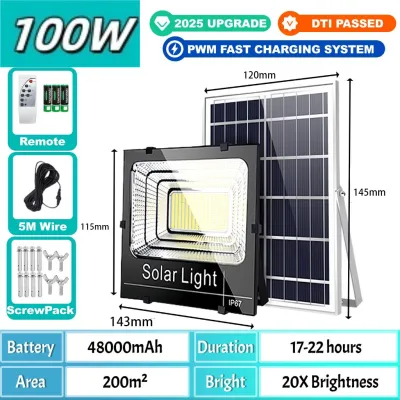
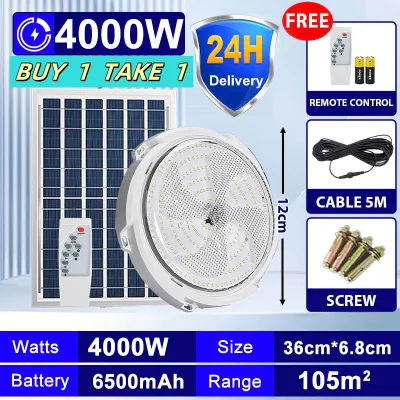
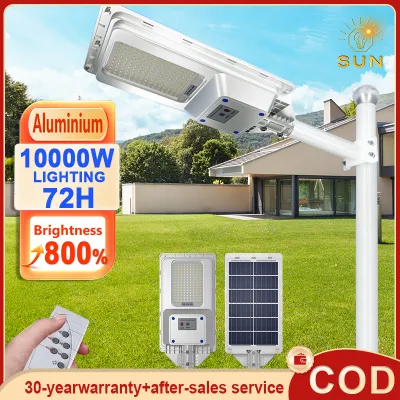
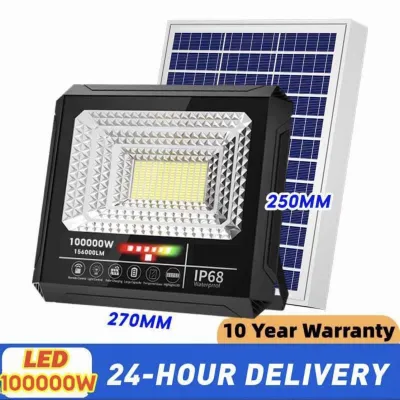
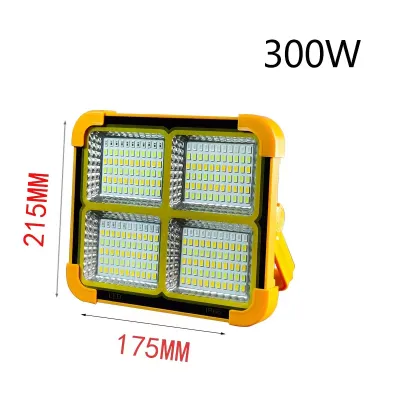
Prices are valid at publication and may change. Please refer to the product page for the latest price.
Additionally, always review your condominium association’s house rules regarding exterior modifications and outdoor decor. Some property management offices restrict hanging items over railings, drilling into structural walls, or installing high-intensity lights that spill into adjacent units. Understanding these guidelines beforehand prevents costly compliance issues and helps you design a temporary, non-destructive lighting layout that respects both building policies and your neighbors’ privacy.
Select Suitable Gengyan Solar Light Types for Compact Layouts
Choosing the right form factor of Gengyan solar lights is essential for maintaining a balanced, uncluttered look on a small balcony. String lights are highly versatile for compact spaces because they utilize vertical and perimeter areas without consuming valuable floor space. Wrapping string lights along railings or draping them across a wall frame adds a soft, continuous glow that defines the boundaries of your outdoor area.

In contrast, standalone solar lanterns or tabletop fixtures serve as excellent accent pieces. These can be placed on small coffee tables, corner shelves, or plant stands to provide localized, warm illumination where you need it most. When selecting these fixtures, evaluate their physical dimensions and visual weight. Large, bulky lanterns can easily overwhelm a small bistro set, whereas compact, sleek designs preserve the open feel of your balcony.
Before finalizing your selection, verify the manufacturer’s specifications on the product packaging or instruction manual regarding outdoor suitability, voltage, base or interface types, wattage limits, dimming methods, and electrical certification. A category name alone does not prove compatibility or safety in damp outdoor environments. In tropical climates prone to high humidity, heavy seasonal rains, and intense heat, your fixtures must be rated for outdoor use. Check the product label for specific ingress protection ratings to ensure the housing can withstand moisture and dust. Confirming these details ensures your decorative investment remains safe and functional throughout changing weather conditions.
Step-by-Step Placement Strategies for a Cozy Ambiance
Creating a relaxing atmosphere on a small balcony requires moving beyond a single, harsh overhead light. By applying the principles of layered lighting, you can build a cohesive, multi-dimensional environment that feels warm, balanced, and visually expansive.
Layering Light at Different Heights
To make a compact balcony feel larger and more inviting, distribute your illumination across three distinct zones: high, mid, and low. Start by draping or hanging Gengyan solar string lights near the ceiling line or along the upper edge of your railings to establish an ambient overhead glow. This high-level lighting draws the eye upward, emphasizing the vertical height of your outdoor space and creating a soft canopy effect.
Next, introduce mid-level lighting to illuminate the areas where you sit and relax. Place small solar lanterns or decorative table lights on plant stands, wall-mounted shelves, or your balcony table. This mid-zone lighting provides functional illumination for reading or enjoying a drink, while softening the transition between the bright overhead strings and the darker floor area.
Finally, position low-level lights, such as small pathway-style fixtures or floor lanterns, along the perimeter or in the corners of the balcony. Low-level lighting grounds the space, defining the physical boundaries of the floor without creating glare at eye level. Ensure these fixtures are tucked safely out of the main walking path to prevent accidental trips or damage when moving around.
Highlighting Focal Points and Corners
Strategic placement allows you to use light to guide the eye and create depth within a restricted footprint. Position your solar lights behind or beneath potted tropical plants, such as palms or ferns, to project dramatic shadows and soft uplighting onto your balcony walls. This technique highlights the natural textures of your foliage, turning simple container plants into stunning evening features.
Tucking smaller solar lanterns into empty corners is another effective way to expand the perceived size of your balcony. Dark, unlit corners tend to make a small space feel enclosed and cramped; illuminating these voids pushes the visual boundaries outward. Experiment with the placement by adjusting the distance between the light source and the wall to control the intensity of the glow and the softness of the shadows.
When arranging your lights, always consider the viewing angles from both inside your condo and out on the balcony. The goal is to create a pleasing view through your glass doors, making your indoor living area feel seamlessly connected to the outdoor space. Avoid pointing bright, unshielded bulbs directly toward your seating area or your indoor glass doors to prevent distracting glare.
Securing Lights Safely on Railings and Walls
Safety and structural integrity are paramount when installing any outdoor fixtures on a condo balcony, especially during high winds or tropical storms. Use non-destructive, weather-resistant mounting accessories such as heavy-duty zip ties, outdoor-rated adhesive hooks, or specialized railing clips. These tools allow you to secure your Gengyan solar lights firmly without drilling holes or driving screws into concrete walls or metal railings, which could violate your lease or condo bylaws.
Ensure all cables, wires, and solar panels are fastened tightly to the balcony structure to prevent them from flapping in the wind or blowing into neighboring units. Loose wires pose a safety hazard and can easily snag on clothing or furniture. If your lighting layout requires routing cables across walkways, use low-profile cord covers or secure them flush against the baseboards to eliminate trip hazards.
For any setup involving fixed wiring, damp areas, work at height, heat, or suspended loads, always prioritize safety by isolating power sources, following the manufacturer’s installation instructions, and knowing when to consult a qualified professional. If your desired arrangement requires permanent structural alterations, drilling into exterior walls, or working at heights near the edge of the balcony, stop immediately. Consult your building management office or hire a qualified professional to ensure the installation complies with local building codes and safety standards. Never compromise structural safety or risk falling hazards for decorative purposes.
Optimize Solar Charging and Routine Maintenance
To keep your solar lights performing consistently, you must optimize their access to sunlight and perform regular upkeep. Position the solar panels so they face the sun’s primary path, ensuring they are not shaded by balcony railings, furniture, or neighboring buildings during peak daylight hours. If your Gengyan solar lights feature a detachable solar panel, mount the panel at the highest, sunniest spot on your railing while keeping the decorative light fixtures tucked under the covered portion of your balcony.
In urban environments, dust, pollen, soot, and salt spray can quickly accumulate on solar panels and light covers, significantly reducing their charging efficiency and light output. Clean the panels and light housings regularly using a soft, damp microfiber cloth and mild soapy water. Avoid using abrasive scrubbers or harsh chemical cleaners, which can scratch the protective surface of the solar panel and permanently degrade its performance.
Additionally, consult the manufacturer’s instructions for specific guidelines on battery care and seasonal maintenance. Over time, rechargeable solar batteries will naturally lose their capacity to hold a charge and will need replacement. Keep an eye out for indicators such as significantly reduced runtimes or dimming lights, and replace the batteries only with the exact type and specification recommended by the manufacturer to maintain safe operation.
Common Arrangement Mistakes to Avoid
One of the most common mistakes in small-space lighting is over-lighting, which can create a harsh, clinical environment rather than a cozy retreat. Installing too many high-lumen fixtures on a small balcony causes excessive glare, ruins the relaxing ambiance, and can easily disturb your neighbors in adjacent units. Focus on soft, warm white tones and lower-intensity lights that mimic the gentle glow of candlelight.
Another frequent error is neglecting the placement of the solar panels, such as hiding them under dense plant foliage, outdoor furniture, or decorative screens. Even partial shading on a small portion of a solar panel can drastically cut its power generation, leading to lights that turn off prematurely or fail to illuminate all together. Always prioritize an unobstructed line of sight between the solar panel and the sky.
Finally, ensure your lighting arrangement does not obstruct the functional flow of your balcony. Avoid placing floor lanterns directly in front of doors, windows, or narrow walkways where they can be easily kicked or stepped on. Keep all cords neatly managed and tucked away so that your balcony remains a safe, accessible, and clutter-free space for relaxation.
Frequently Asked Questions (FAQ)
Can I use Gengyan solar lights on a covered balcony with limited direct sunlight?
Yes, you can use them, but you must plan your panel placement carefully since solar lights require direct sunlight to charge their internal batteries fully. If your balcony is deeply covered or north-facing, look for Gengyan solar light models that feature a detachable solar panel connected by a long lead wire. This design allows you to mount the solar panel on the outermost edge of your railing where it can catch the maximum amount of daylight, while the actual light fixtures remain beautifully arranged under the shaded portion of your balcony.
How do I prevent my balcony lights from bothering my neighbors?
To maintain good neighborly relations in high-density condo buildings, choose warm white color temperatures rather than cool blue or harsh white tones, and select fixtures with lower lumen outputs. Angle your light sources inward toward your balcony floor, walls, or seating area rather than pointing them outward toward neighboring units or the street. This keeps the cozy glow contained within your personal space, minimizes light spill, and prevents unwanted glare from shining into your neighbors’ windows.

Community discussion
Share your experience or ask a question. Comments are reviewed before publication.