
To achieve a cozy, uncluttered bedroom glow with globe string lights, the key is to position them as indirect, low-intensity accent pieces rather than primary light sources. Instead of draping them haphazardly across every wall, focus on a single architectural feature—such as a headboard, a window frame, or a specific ceiling line—and keep the cords neatly concealed. This creates a soft, warm layer of light that complements your existing lamps without overwhelming the room’s visual boundaries.
By planning your layout, selecting the right specifications, and using damage-free mounting techniques, you can transform your bedroom into a restful sanctuary. This guide outlines the essential steps to design, install, and maintain a balanced ambient lighting setup that suits your space.
Planning Your Bedroom Lighting Layout
Before purchasing or hanging any lights, assess your bedroom’s physical layout and existing light sources. A small bedroom or a compact condo unit can easily feel crowded if the light bulbs are too large or spaced too closely together. Measure the perimeter of the area you intend to highlight, such as the width of your bed or the length of a window frame, to determine the exact strand length required. Consider how the new ambient layer will interact with your current bedside lamps or overhead fixtures, ensuring the string lights do not cause over-illumination.
Products mentioned in this guide
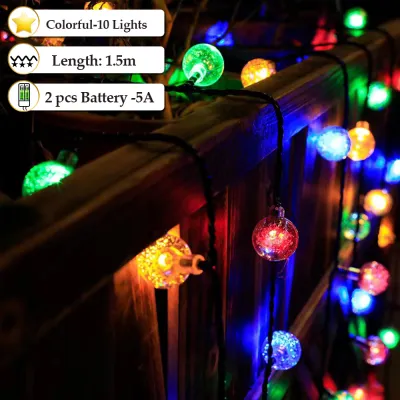
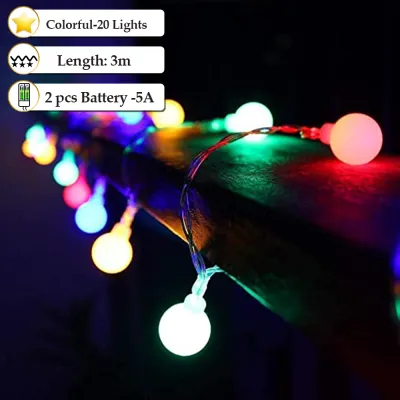
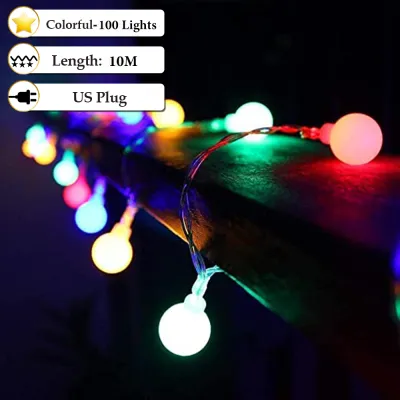
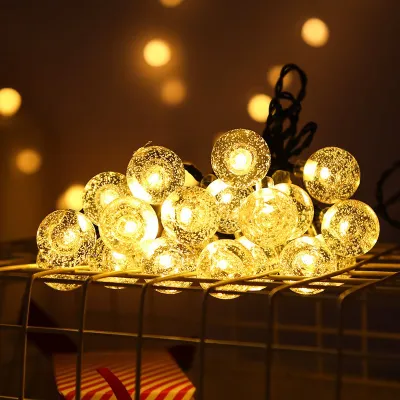
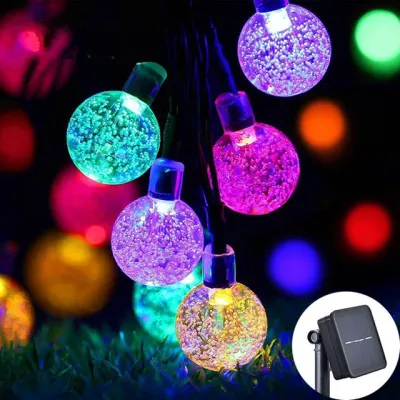
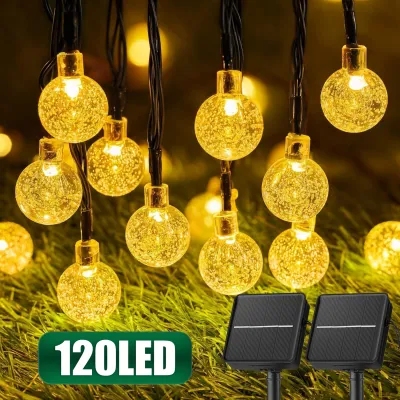
Prices are valid at publication and may change. Please refer to the product page for the latest price.
Electrical specifications require careful verification to ensure safety and compatibility. In the Philippines, the standard household voltage is 220V at 60Hz. Before installing any lighting fixture, verify that the product’s voltage rating matches this standard to prevent damage or electrical hazards. Look for official safety certifications, such as the Philippine Standard (PS) quality mark or the Import Commodity Clearance (ICC) sticker, on the packaging or the product label. Additionally, check the plug type; most local outlets accommodate Type A (two flat parallel pins) or Type B (two flat pins with a grounding pin) plugs. If your lights feature a different plug style, you will need a safe, rated adapter.
Selecting the right bulb specifications is crucial for creating a relaxing atmosphere. For a bedroom, look for globe string lights with a warm color temperature, ideally between 2200K and 2700K, which emits a soft, amber-toned light. Choose LED bulbs over traditional incandescent ones, as LEDs generate significantly less heat—a vital consideration in warm, tropical climates where minimizing extra heat sources helps keep the room comfortable. Pay attention to bulb spacing; bulbs spaced 12 to 18 inches apart generally offer a balanced, uncluttered look, whereas tighter spacing can create an intense, distracting glare.
Step-by-Step Arrangement Techniques
Draping Along the Headboard or Bed Frame One of the most effective ways to introduce a low-level glow is to frame your bed. If you have a wooden or metal headboard, weave the string lights loosely through the slats or drape them across the top bar. Ensure the bulbs do not directly touch fabrics like pillows, sheets, or blankets, even when using low-heat LEDs. This positioning keeps the light source low and concentrated behind your head, providing a gentle backlight that is ideal for winding down at the end of the day.

Creating a Ceiling Canopy or Zigzag Pattern For a more atmospheric feel, you can suspend the lights across the ceiling. In many local homes and condos, walls and ceilings are constructed from solid concrete or plaster, making traditional nails or screws impractical. Use high-quality, damage-free adhesive hooks designed specifically for hanging lightweight cords. Map out a simple zigzag or parallel pattern across the ceiling, keeping the strands high enough to clear head height. Avoid creating too many dense rows; two or three long, sweeping drapes are usually sufficient to fill the space without making the ceiling feel low or cluttered.
Framing Windows, Mirrors, or Shelving Units Highlighting the architectural features of your bedroom helps define the space without adding central clutter. Try draping the globe lights along the top and sides of a window frame or a large floor-length mirror. The glass surfaces will gently reflect the warm glow, doubling the ambient effect without increasing the actual electrical output. Alternatively, you can thread the lights along the back of a bookshelf or open shelving unit to create a soft, recessed backlighting effect that showcases your favorite decor items.
Managing Power and Concealing Wires
A beautiful lighting arrangement can quickly be ruined by a tangled web of black or green cords dangling down the wall. To maintain a clean, minimalist aesthetic, plan your route so that the plug end of the strand naturally finishes near an available wall outlet. If the outlet is located behind a bed or a nightstand, feed the excess cord down the back of the furniture to keep it completely out of sight.
Route the cords along existing architectural lines to blend them into the room. Run the wires flush against baseboards, door frames, or crown molding. You can use paintable cable management channels or small, clear adhesive wire clips to hold the cords tightly against these surfaces. If you have excess wire near the plug, bundle it neatly using hook-and-loop fasteners or cable ties rather than letting it bunch up on the floor.
Safety must remain a priority when routing cables. Never run electrical cords under heavy rugs, carpets, or mattress bases. In tropical environments, trapped heat can build up quickly under these materials, creating a serious fire hazard. Additionally, walking over covered cords can wear down the protective insulation over time. Ensure that all cords are kept clear of high-traffic walking paths to prevent tripping hazards, and avoid pulling the strands too taut, which can put unnecessary tension on the plug and the internal wiring.
Adjusting Brightness and Layering Light
Achieving a cozy atmosphere requires flexibility in your lighting levels. If your globe string lights are too bright, they can make the bedroom feel like a commercial outdoor patio rather than a restful sanctuary. Layering your lights with other functional sources allows you to adjust the mood depending on the time of day.
Consider using compatible dimmer switches or smart plugs to control the light intensity. Before connecting a dimmer, verify the manufacturer’s specifications to ensure your specific globe lights—especially if they are LEDs—are dimmable. Some LED bulbs require specific electronic low-voltage (ELV) dimmers to prevent flickering or buzzing. If your lights are not dimmable, plugging them into a smart plug allows you to set automated schedules or turn them off via a mobile app, reducing the need to reach behind furniture to unplug them.
Combine your string lights with focused task lighting to balance ambient and functional needs. Do not rely on globe lights for tasks like reading or dressing. Instead, pair them with a focused bedside reading lamp or a soft table lamp. When it is time to relax, turn off the primary overhead lights and rely solely on the low-intensity globe lights and a single warm lamp. If your string light design allows for bulb removal, you can also unscrew every second or third bulb to reduce the overall light output and create a more spaced-out, subtle glow.
Safety Checks and Maintenance
Regular maintenance ensures your bedroom lighting setup remains safe and beautiful for years. Periodically inspect the entire length of the string lights for any signs of wear, such as frayed insulation, cracked bulb sockets, or loose connections. If you notice any damage, disconnect the power immediately and replace the damaged section or the entire strand. Always isolate the power supply by unplugging the lights before adjusting the arrangement or replacing bulbs.
Monitor the temperature of the bulbs and the plug during operation. While high-quality LEDs should remain cool or slightly warm to the touch, any excessive heat buildup at the plug or along the wire indicates an electrical issue or an overloaded circuit. Ensure that the total wattage of all connected light strands does not exceed the rated capacity of your wall outlet or extension cord. If you live in a highly humid region, moisture can accumulate on surfaces over time; ensure your lights are rated for indoor use and avoid placing them near open windows where rain might splash inside.
Be mindful of the installation environment and your physical limits. For complex installations—such as mounting lights on exceptionally high ceilings, integrating them into fixed household wiring, or installing heavy commercial-grade strands—stop the DIY process and consult a qualified professional electrician to ensure compliance with local electrical codes.
Frequently Asked Questions (FAQ)
Can I leave globe string lights on all night?
It is generally not recommended to leave globe string lights on while you sleep, even if they use low-heat LED bulbs. While LEDs run much cooler than traditional incandescent bulbs, leaving any electrical fixture unattended for long periods increases the risk of overheating or electrical faults. To enjoy a worry-free environment, plug your lights into a mechanical timer or a smart plug. You can program these devices to automatically shut off the lights an hour after your bedtime, saving energy and ensuring safety while you sleep.
How do I hang string lights without damaging my walls?
To protect your walls, especially in rental properties, avoid using nails, tacks, or staples. Instead, use damage-free adhesive hooks or clips designed for cable management. Before applying the adhesive, clean the wall surface with rubbing alcohol to remove dust and oils, which is particularly important in humid climates where moisture can weaken the bond. Press the hook firmly against the wall and let the adhesive cure according to the manufacturer’s instructions before hanging the lights. For temporary setups, you can also use tension rods placed inside window frames to support the light strands without touching the walls.
What is the best color temperature for a cozy bedroom?
For a cozy and restful bedroom environment, a warm color temperature ranging from 2200K to 2700K is highly recommended. This range mimics the soft, amber glow of candlelight, which helps signal to your body that it is time to rest. Avoid cool white or daylight tones, which typically range from 5000K to 6500K. These cooler temperatures emit high levels of blue light, which can interfere with your natural sleep cycle and make the bedroom feel clinical rather than relaxing. Always check the Kelvin (K) rating on the product packaging before purchasing to ensure you select a warm, inviting tone.
Community discussion
Share your experience or ask a question. Comments are reviewed before publication.