
Transforming a compact condominium balcony into a relaxing outdoor retreat requires a thoughtful approach to lighting. In high-density urban areas across the Philippines, where outdoor space is at a premium, a balcony often serves as a personal sanctuary from the bustling city below. Standard overhead utility lights can feel harsh and clinical, stripping the space of its potential warmth. By strategically arranging outdoor wall lights, you can create a cozy, layered ambiance that extends your living room into the open air. Wall-mounted fixtures are particularly effective for small balconies because they keep the floor clear of clutter while casting a soft, inviting glow across the vertical plane.
Assess Balcony Constraints and Condo Regulations
Before purchasing any fixtures, you must evaluate the physical and regulatory limits of your condo unit. Start by measuring the available wall space and the projection of the light fixture. On a narrow balcony, a fixture that sticks out too far can become a physical hazard, especially when moving furniture or opening balcony doors. Additionally, consider your proximity to neighboring units. In close-quarters condo living, light trespass can easily disturb neighbors; choosing fixtures that direct light downward helps maintain privacy and community harmony.
Next, consult your condominium’s Property Management Office (PMO) guidelines. Many high-rise developments have strict rules regarding exterior modifications. Drilling into structural concrete walls is often prohibited to protect the building’s waterproofing envelope and structural integrity. If permanent mounting is not allowed, you will need to explore non-invasive alternatives. Finally, locate your existing power sources. If your balcony lacks an outdoor-rated electrical outlet, you may need to opt for battery-operated, rechargeable, or solar-powered wall lights rather than traditional hardwired fixtures.
Products mentioned in this guide
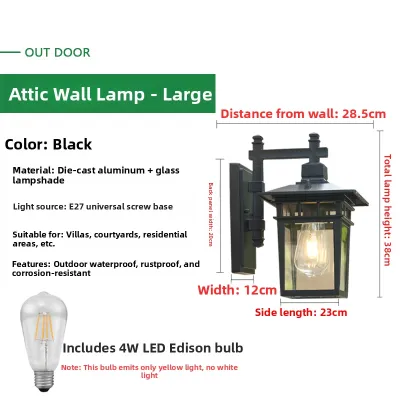
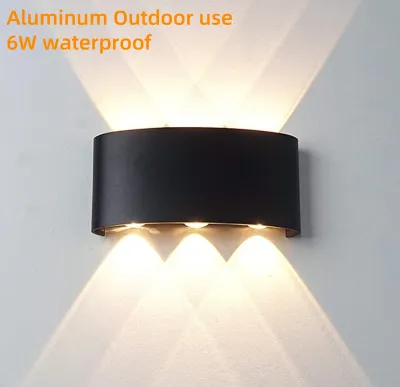
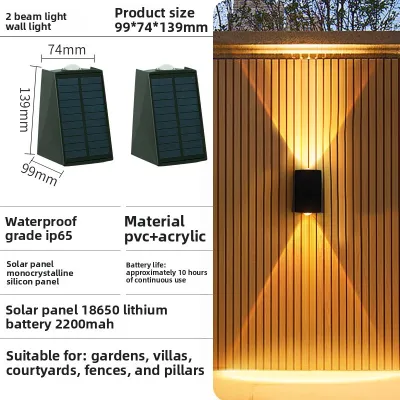
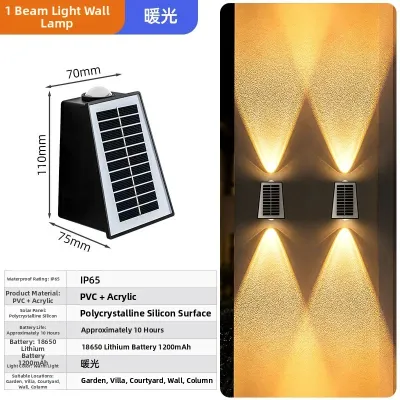
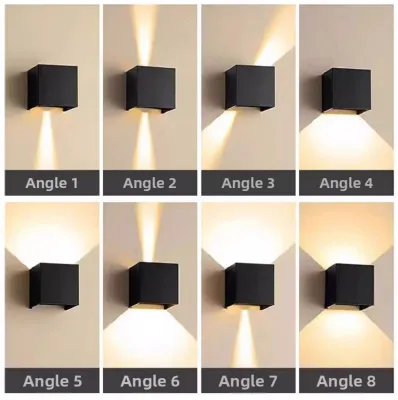
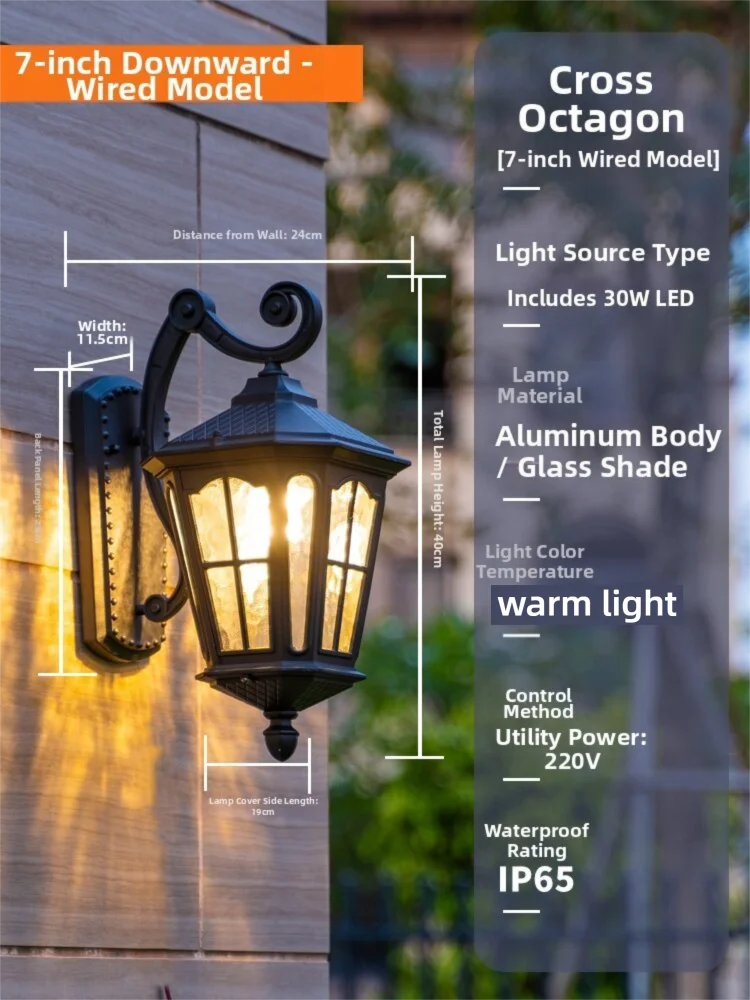
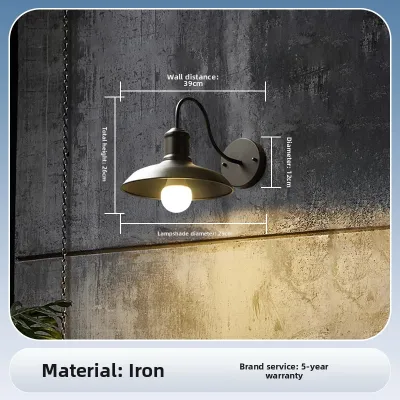
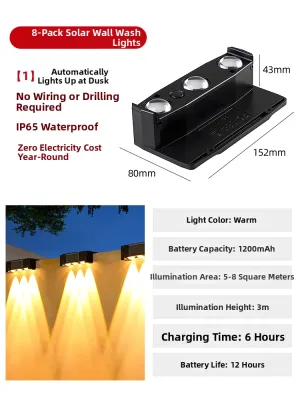
Prices are valid at publication and may change. Please refer to the product page for the latest price.
Select Fixtures for Warm, Ambient Illumination
Choosing the right fixtures involves balancing aesthetic preferences with technical specifications. For a cozy, intimate atmosphere, prioritize warm color temperatures. Light sources in the range of 2700K to 3000K emit a soft, golden glow that mimics the warmth of candlelight, which is highly effective for relaxation. Avoid cool white light sources above 4000K, as they can make a small outdoor space feel sterile and are more likely to attract nocturnal insects during humid tropical nights.

Because your balcony is exposed to the elements, verifying the Ingress Protection (IP) rating on product labels is critical. The IP rating consists of two digits: the first indicates protection against solid objects, and the second indicates protection against moisture. For a covered balcony, an IP44 rating is generally sufficient to handle ambient humidity and occasional wind-driven spray. However, if your balcony is highly exposed to heavy monsoon rains, look for fixtures with an IP65 rating or higher to ensure long-term durability and safety.
Additionally, pay close attention to the design of the fixture. Compact, downward-facing (downlight) or fully shielded designs are ideal for small spaces. These fixtures direct the light downward toward the floor or wall, preventing direct glare from shining into your eyes when you are seated nearby. Up-and-down lights can also work beautifully if you have a solid ceiling or wall texture to highlight, but ensure the upward beam does not cause unwanted light pollution.
Position Lights to Maximize Cozy Atmosphere
The placement of your wall lights determines how spacious and welcoming your balcony feels. A common mistake is mounting fixtures too high, which can create a harsh, spotlight-like effect. Instead, aim to mount wall lights at or slightly above eye level—typically between 1.5 and 1.7 meters from the balcony floor. This height establishes a grounded, human-scale glow that feels integrated with your seating area rather than hovering detachedly above it.
To add depth to a small balcony, utilize grazing or cross-lighting techniques. Grazing involves positioning a light close to a textured surface, such as a brick accent wall, rough concrete, or a vertical garden trellis. As the light washes over the surface, it highlights the physical textures, creating rich shadows and a sense of architectural interest. Cross-lighting, on the other hand, involves placing fixtures on opposing walls to balance the illumination and eliminate dark corners, making the entire balcony feel larger.
Be mindful of your seating layout when positioning your lights. Avoid placing a wall fixture directly opposite your primary chairs or loungers, as looking directly into a light source can cause eye strain and ruin the relaxing mood. Instead, position the lights to the side of your seating area or behind it, allowing the light to diffuse naturally throughout the space.
Follow Safe Installation and Wiring Boundaries
Working with electricity in an outdoor environment requires strict adherence to safety protocols. If you are installing hardwired fixtures, always disconnect the main power supply at the circuit breaker before inspecting, testing, or mounting the lights. Never rely solely on a wall switch to isolate the power.
Ensure all exterior electrical connections utilize weatherproof junction boxes and manufacturer-approved silicone seals. In tropical climates, high humidity and heavy rainfall can easily penetrate poorly sealed connections, leading to short circuits or tripped breakers. If your installation requires drilling into concrete, running new electrical conduits, or calculating the load capacity of your existing circuits, stop immediately and consult a licensed master electrician. Professional installation ensures compliance with local electrical codes and protects your home from electrical hazards.
Amplify Ambiance with Complementary Decor
To maximize the impact of your outdoor wall lights, integrate them with the surrounding balcony decor. Light-colored walls and reflective surfaces are excellent tools for small spaces; they bounce and diffuse the light, softening the overall glow and making the balcony feel more open. If your balcony walls are dark, you can hang light-colored outdoor art or install a light-toned wooden trellis to help distribute the light.
Pairing your wall lights with natural textures can also enhance the cozy aesthetic. Position your fixtures near low-level planters, woven rattan furniture, or outdoor rugs. The organic shapes of tropical plants, such as ferns or palms, catch the light beautifully, casting soft, moving shadows that add a dynamic element to the space. Textured fabrics and rugs also help absorb excess light, preventing harsh reflections on smooth tiled floors.
Finally, consider incorporating compatible outdoor-rated dimmers or smart plugs into your setup. Being able to adjust the brightness levels allows you to transition the space from a brightly lit reading nook in the early evening to a low-lit, intimate lounge area late at night. Smart plugs also allow you to set schedules, ensuring your balcony is always welcoming without wasting energy.
Frequently Asked Questions (FAQ)
Can I use indoor wall lights on a covered condo balcony?
No, indoor wall lights should not be used on a covered balcony. Even if the area is protected from direct rain, outdoor environments experience significant humidity, temperature fluctuations, and condensation. Indoor fixtures lack the rubber gaskets, corrosion-resistant finishes, and IP ratings required to withstand these conditions, posing a serious risk of electrical short circuits or premature failure.
How do I clean outdoor wall lights without damaging the finish?
To clean your fixtures safely, first turn off the power supply. Gently wipe the exterior surfaces with a soft, damp microfiber cloth to remove dust, salt residue, and dirt. Avoid using harsh chemical cleaners, abrasive pads, or high-pressure water sprays, as these can strip the protective finish or damage the weatherproofing seals. Always refer to the manufacturer’s care instructions for specific materials like brass, copper, or powder-coated aluminum.
Community discussion
Share your experience or ask a question. Comments are reviewed before publication.