
To successfully position a solar grow light for plants on a condo balcony for both growth and ambiance, you must separate the solar harvesting from the light emission. Place the solar panel where it receives maximum direct sunlight—usually on the outer railing—while angling the grow light fixture downward onto your plants to nourish them without creating harsh glare in your seating area. This dual-purpose approach allows you to cultivate a thriving balcony garden while transforming your outdoor space into a cozy evening retreat.
Assess Your Balcony and Plant Lighting Needs
Track daily direct sunlight hours on your balcony to determine the feasibility of a solar setup. Tropical urban environments often present unique challenges, where high-rise buildings or deep concrete overhangs block sunlight for large portions of the day. Spend a weekend observing your balcony at hourly intervals to map out exactly where the sun hits and for how long. Most solar panels require several hours of direct, unobstructed sunlight to fully charge the internal batteries for nighttime operation.
Next, identify the specific light requirements of your plant collection. Low-light foliage plants like snake plants, ferns, or pothos can survive on minimal supplemental light, whereas high-light flowering species, herbs, or small fruiting plants like cherry tomatoes require intense, prolonged exposure. Understanding these needs helps you estimate how many hours of supplemental lighting your plants will require each evening, which in turn dictates the battery capacity and run-time you need from your solar system.
Products mentioned in this guide
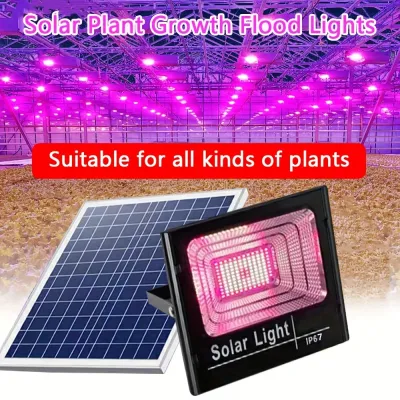
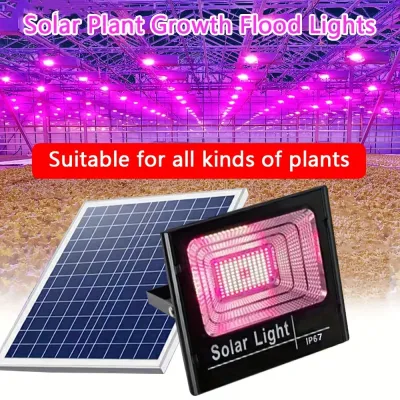
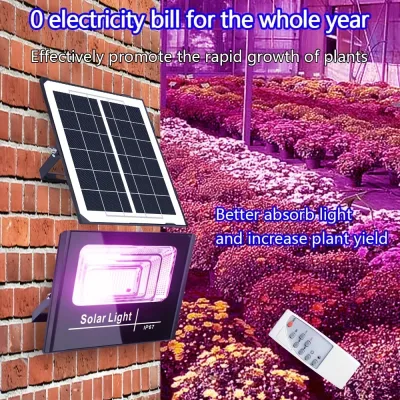
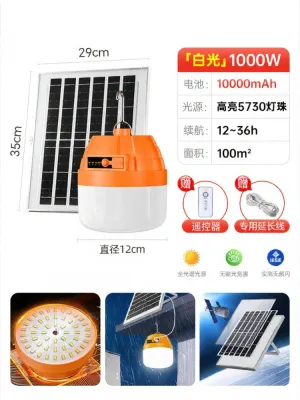
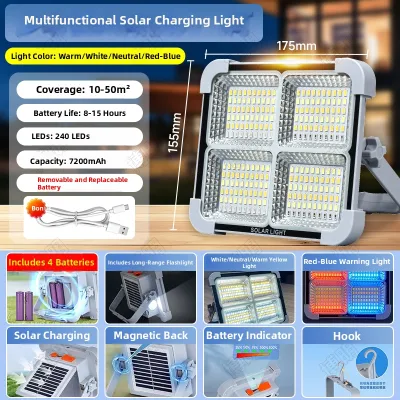
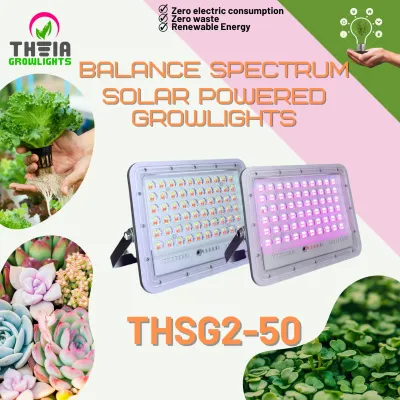
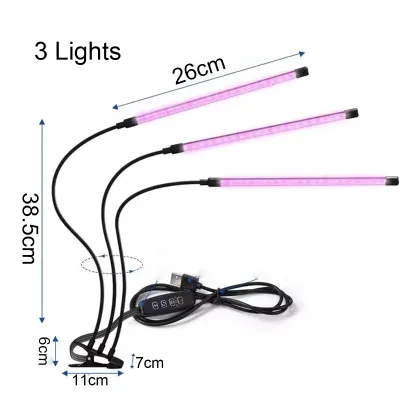
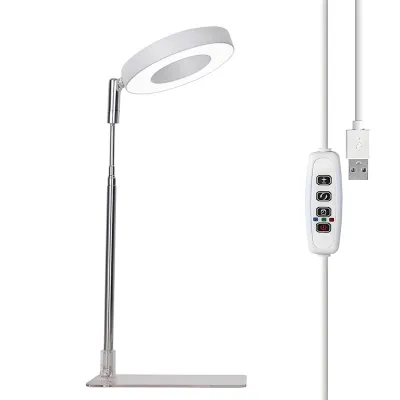
Prices are valid at publication and may change. Please refer to the product page for the latest price.
Finally, evaluate the physical constraints of your balcony and your condominium’s house rules. Inspect the railing design—whether it is solid concrete, glass panels, or metal balusters—as this determines how you can mount your equipment. Many condo associations have strict guidelines against drilling into exterior walls, hanging items that extend past the building envelope, or altering the building’s facade. Always verify these regulations beforehand to ensure your mounting methods are fully compliant and non-damaging.
Choose the Right Solar Grow Light Setup
When selecting a solar grow light for plants, the choice between integrated and split-panel designs is critical for balcony success. Integrated units, which house the solar panel and the light fixture in a single body, are rarely suitable for covered condo balconies because the ceiling blocks overhead sunlight. A split-panel design features a separate solar panel connected to the light fixture by a long, weather-resistant cable. This allows you to mount the solar panel on the outermost edge of your railing in full sun while placing the light fixture deep inside the shaded balcony where your plants reside.

Outdoor durability is paramount in tropical climates characterized by high humidity, intense heat, and heavy seasonal rains. Always verify the product’s weather resistance by checking the manufacturer’s ingress protection (IP) rating on the label. Look for fixtures rated IP65 or higher, which indicates they are dust-tight and protected against water jets. Additionally, check that the operating temperature range and materials are UV-resistant to prevent the housing from cracking or yellowing under constant sun exposure.
The light spectrum and color temperature of your fixture will determine both plant health and visual comfort. Traditional grow lights often emit a harsh pink or purple light that can make your balcony look clinical and uninviting. For a balanced setup, choose full-spectrum warm white LED grow lights with a color temperature between 3000K and 4000K. This spectrum provides the essential blue and red wavelengths required for photosynthesis while casting a soft, golden glow that enhances the evening ambiance of your living space.
Step-by-Step Positioning for Plant Health and Ambiance
Positioning the Solar Panel
Begin by mounting your solar panel in the spot that receives the most consistent, direct sunlight throughout the day. The top rail of your balcony is usually the prime location, as it sits furthest outward from the building’s shadow. Tilt the panel according to the manufacturer’s instructions—typically at an angle that faces the sun’s path—to maximize solar energy absorption. Ensure the panel is completely clear of obstructions like overhanging roofs, air conditioning compressors, or hanging laundry that could cast shadows and reduce charging efficiency.
Aiming the Grow Light
Once the panel is set, position the grow light fixture directly above or slightly to the side of your plant display. Angle the light downward at a 45-degree to 60-degree angle toward the plant canopy to ensure even coverage across the leaves. This downward angle mimics natural sunlight and prevents the light from shining directly into your eyes when you are sitting on the balcony. Avoid pointing the fixture horizontally, which can create blinding glare and disrupt the cozy atmosphere you want to build.
Securing the Fixtures
To secure your equipment safely without violating condo drilling bans, utilize non-damaging mounting accessories. Heavy-duty, UV-resistant zip ties, adjustable metal railing clamps, or over-the-rail brackets are excellent options for fastening solar panels and light fixtures to metal balusters. If your balcony has glass panels, look for specialized suction mounts or freestanding plant stands with integrated light hangers. Ensure all mounts are tight and stable enough to withstand strong winds during stormy weather.
Safety Check
Complete your physical installation with a comprehensive safety check of all electrical components. Route the connecting cables neatly along the base of the railing or walls, securing them with outdoor-rated cable clips to eliminate tripping hazards. Ensure there are no tight bends or pinch points where doors or windows might crush the wires. Always implement a “drip loop”—a simple downward curve in the cable just before it enters the light fixture or connection point—to prevent rainwater from running down the cord and entering the electrical housing.
Enhance the Evening Atmosphere Without Compromising Growth
Balancing functional plant lighting with a relaxing evening vibe requires a thoughtful approach to light distribution. If the grow light feels too bright or focused, use your plants themselves as natural diffusers. Position larger, leafy plants like monsteras or palms directly in front of or slightly below the light source to soften the beam. This technique not only reduces harsh glare but also casts beautiful, dramatic shadows of foliage onto your balcony walls, adding depth and texture to the space.
To avoid a single, stark spotlight effect, layer your balcony lighting by introducing secondary ambient light sources. Combine your solar grow light with low-voltage accent lighting, such as warm fairy lights woven through the railings, small solar-powered lanterns on side tables, or battery-operated LED candles. This layering effect draws the eye to different corners of the balcony, creating a balanced, multi-dimensional environment that feels warm and spacious rather than clinical.
Managing your lighting schedule is also essential for maintaining a comfortable atmosphere and supporting plant health. Plants require a period of darkness every day to rest and complete their metabolic processes, so leaving grow lights on all night is counterproductive. Use the built-in timers on your solar light system to automatically turn off or dim the grow lights during your late-night relaxation hours, such as after 10:00 PM. This preserves battery life for the next day and transitions your balcony into a quiet, low-light sanctuary.
Maintenance and Performance Checks
Regular maintenance is key to keeping your solar grow light system operating at peak efficiency. In tropical urban areas, dust, soot, and mineral deposits from rain can quickly accumulate on the solar panel and the light lenses, blocking sunlight and reducing light output. Every two weeks, gently wipe down these surfaces with a damp, soft microfiber cloth. Avoid using abrasive scrubbing pads or harsh chemical cleaners, which can scratch the protective coatings and permanently degrade performance.
Periodically inspect the physical components of your setup to ensure long-term safety and stability. Check all cables, mounting brackets, and zip ties for signs of wear, brittleness, or loosening, especially after periods of heavy rain or high winds. Verify that the weather seals on all cable connections remain tight and dry inside. If you notice any cracked plastic or loose fittings, replace them immediately to prevent water ingress and potential electrical failure.
Finally, monitor your plants closely for physical signs of light imbalance and adjust your setup accordingly. If you observe your plants stretching excessively toward the light source, they may need the fixture positioned closer or left on for longer intervals. Conversely, if you notice dry, brown spots or bleached patches on the leaves, the light may be too close or too intense. Make small, gradual adjustments to the light’s distance and angle, always referring to the manufacturer’s guidelines for safe operating distances.
Frequently Asked Questions (FAQ)
Can solar grow lights work on a heavily shaded balcony?
Solar panels require direct sunlight to charge their internal batteries effectively. If your balcony is heavily shaded by adjacent buildings or deep concrete overhangs, a standard solar setup may not receive enough energy to power the grow lights for more than a few minutes. In these situations, consider using a split-panel system with an extra-long cable that allows you to position the panel on a far edge that receives sun. Alternatively, switch to plug-in LED grow lights designed for damp outdoor environments if an outdoor electrical outlet is available.
Will the grow light bother my neighbors at night?
High-density condo living means light spill can easily disturb neighbors. To prevent this, angle your grow lights strictly downward at a 45-degree angle or steeper, focusing the beam entirely on your plant shelves. You can also install physical barriers, such as a decorative bamboo privacy screen, a trellis with climbing vines, or dense foliage plants along the edge of your balcony to block horizontal light spill and keep your cozy ambiance contained within your own space.
Community discussion
Share your experience or ask a question. Comments are reviewed before publication.