
Transforming a compact condo balcony into a warm, inviting retreat relies on strategic placement, height variation, and choosing the right type of solar light. By layering your fixtures at high, mid, and low levels, you can create visual depth that makes a small outdoor space feel significantly larger and more intimate. Because condo balconies often feature concrete overhangs and strict structural rules, achieving this cozy atmosphere requires balancing solar charging efficiency with non-destructive mounting methods.
In high-rise urban environments, your balcony serves as a private sanctuary away from the bustling city below. Utilizing solar-powered lighting is an energy-efficient, low-maintenance way to illuminate this space without worrying about outdoor electrical outlets or rising utility bills. With the right arrangement techniques, even the smallest balcony can transition into a relaxing evening escape.
Assess Your Balcony Space and Lighting Goals
Before purchasing any fixtures, take precise measurements of your balcony’s floor area, railing length, and wall height. Condo balconies are notoriously compact, and overestimating the space can quickly lead to a cluttered, disorganized layout. Knowing your exact dimensions helps you select fixtures that scale appropriately with your outdoor furniture and potted plants.
Products mentioned in this guide
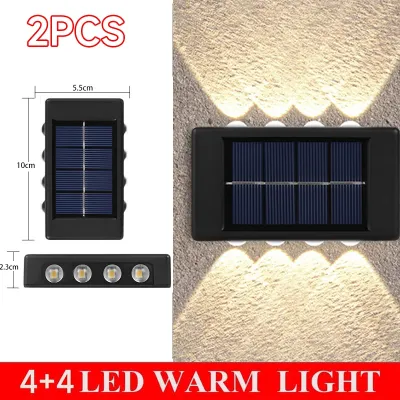
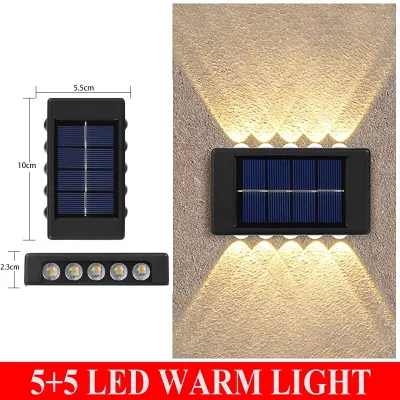
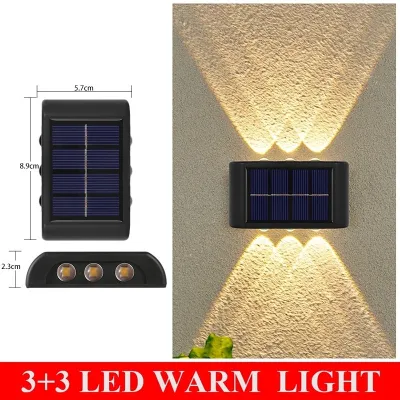
Prices are valid at publication and may change. Please refer to the product page for the latest price.
Next, observe how sunlight moves across your balcony throughout the day. Note which areas receive direct sunlight and for how many hours. An east-facing balcony will enjoy bright morning sun, while a west-facing space receives intense afternoon heat. If your balcony is north-facing or deeply recessed under a concrete slab, you will need to identify the exact spots along the outer railing that receive the most consistent exposure.
Finally, define how you intend to use the space in the evening. If you plan to use the balcony primarily as a quiet reading nook, you will need a focused, warmer light source near your seating. If you prefer a space for hosting intimate drinks or dining, a soft, diffused perimeter glow is more appropriate. Mapping out these functional zones ensures you place your lights where they offer the greatest practical and aesthetic value.
Select Space-Saving Solar Lights for Condo Balconies
Choosing the right fixtures involves comparing different form factors to maximize your limited square footage. String lights, such as delicate fairy lights or larger festoon bulbs, are excellent for perimeters because they utilize vertical and overhead space without consuming floor area. Tabletop solar lanterns and small solar candles provide portable, intimate light sources that can be rearranged easily.

When shopping on online marketplaces or at local home improvement stores, always verify the product specifications on the packaging. Look for an outdoor waterproof rating of at least IP44, though IP65 is highly recommended to withstand heavy tropical downpours and high humidity. For a cozy atmosphere, prioritize warm white color temperatures (around 2700K to 3000K) and low-lumen outputs; fixtures emitting 15 to 50 lumens per bulb provide a gentle glow without overpowering a small space.
Additionally, evaluate the design of the solar panels. Many solar string lights feature a detached solar panel connected by a long lead wire, which is ideal for covered balconies. This design allows you to mount the panel on the sunniest outer edge of the railing while draping the actual light bulbs deep inside the shaded seating area. For standalone lanterns, ensure the integrated top panel is large enough to catch ambient light if direct sun is limited.
Layer Your Lighting: A Step-by-Step Placement Guide
To create a balanced, visually appealing environment, arrange your lights across three distinct vertical zones. This layering technique eliminates harsh shadows and prevents the flat, sterile look associated with a single overhead light source.
Start at the high level by draping solar string lights along your ceiling edge, upper wall, or the top of your balcony railing. Hanging them in a gentle scallop pattern overhead creates a soft canopy effect reminiscent of an outdoor cafe. Ensure the wires are secured tightly so they do not sag into walkways or obstruct your view of the skyline.
Move to the mid level by placing solar lanterns, table lamps, or small decorative fixtures on your balcony furniture. Position a warm solar lantern on a side table or nestle a couple of solar-powered candles on a plant stand. These eye-level light sources create immediate warmth and serve as cozy focal points when you are seated.
Complete the layout at the low level by positioning small solar stake lights or floor lanterns near the base of your potted plants. Directing light upward through the leaves of palms, ferns, or snake plants casts beautiful, organic shadows against your balcony walls. This ground-level illumination defines the physical boundaries of your balcony, making the entire area feel more spacious.
To prevent uncomfortable glare, adjust the angles of your fixtures so the bulbs are not shining directly into your eyes when you are sitting down. Directing light downward or angling it toward solid surfaces—a technique known as wall washing—bounces a soft, indirect glow back into your seating area, enhancing the overall cozy ambiance.
Optimize Solar Panel Placement for Reliable Charging
To keep your balcony lights shining consistently through the night, your solar panels must receive adequate daily sunlight. Position your panels facing the sunniest direction, which is generally south or west in the Philippines to capture the most intense rays. Even a slight angle adjustment can significantly increase the amount of energy the panel absorbs.
Keep a close eye on shifting shadows throughout the day. A spot that seems sunny at 9:00 AM might be completely shaded by 1:00 PM due to neighboring high-rise towers, overhead concrete beams, or even your own hanging plants. Place your solar panels on the outermost side of your balcony railing, clear of any structural obstructions, to maximize their exposure during peak daylight hours.
Urban environments carry a high amount of dust, soot, and pollution, which quickly forms a thin film over outdoor surfaces. This accumulation blocks sunlight from reaching the photovoltaic cells, drastically reducing charging efficiency. Establish a simple routine to wipe your solar panels clean with a damp microfiber cloth every two weeks to keep them operating at peak performance.
Secure Installations and Weather Safety Checks
Living in a condominium means adhering to strict property management guidelines regarding exterior modifications. Drilling into common-area concrete walls, glass barriers, or metal railings is almost always prohibited. Instead, use damage-free mounting solutions such as heavy-duty, outdoor-rated adhesive hooks, UV-resistant zip ties, or specialized metal railing clips to secure your lights.
Safety is paramount when installing fixtures on a high-rise balcony. Ensure all hanging lights, wires, and panels are fastened securely so they cannot be dislodged by strong winds and fall to the streets or units below. Keep all walkways, sliding door tracks, and emergency exit paths completely clear of cords to prevent tripping hazards.
Tropical weather can bring sudden, severe storms and typhoons. While high-quality solar lights are designed to be weather-resistant, lightweight tabletop lanterns and unsecured string lights should be brought indoors when heavy storm warnings are active. For semi-permanent fixtures, double-check that their mounting ties are intact and showing no signs of wear or UV degradation.
Before finalizing your setup, review your building’s house rules regarding light spill. Some condominium associations restrict the brightness or color of exterior lights to maintain a uniform building facade. Choosing low-lumen, warm-toned lights and directing them inward toward your own balcony floor rather than outward toward neighboring units helps you stay compliant while maintaining a peaceful environment.
Troubleshoot Dim or Non-Working Solar Lights
If your solar lights begin to dim or fail to turn on at night, start with a basic physical inspection. Ensure the manual on/off switch, typically located on the underside of the solar panel or light base, is flipped to the “on” position. For brand-new fixtures, double-check that any protective plastic pull-tabs have been completely removed from the battery compartment.
Next, investigate potential light interference. Solar lights feature built-in ambient light sensors that prevent them from turning on if they detect too much surrounding light. If your balcony is close to bright hallway lights, streetlights, or a neighbor’s exterior fixture, the sensor may mistake this for daytime. Try relocating the solar panel or placing a small piece of dark tape over the sensor to test if it activates in the dark.
If the lights still fail to perform, the rechargeable batteries may have reached the end of their lifespan. High tropical humidity and heat can accelerate battery degradation over time. Consult the manufacturer’s instructions to see if the internal batteries (usually standard rechargeable NiMH AA or AAA batteries) can be replaced. If the unit is sealed and cannot be serviced, ensure you dispose of the electronic components safely at a designated e-waste recycling point.
Frequently Asked Questions (FAQ)
Can solar lights work on a shaded or covered balcony?
Yes, solar lights can work on a covered balcony, but they require specific product choices to charge effectively. Standard fixtures with integrated solar panels will struggle to charge if kept deep under a concrete ceiling. To solve this, choose solar lights that feature a detached solar panel connected by a long wire. This allows you to mount the panel on the outermost edge of your railing where it can access direct sunlight, while the light fixtures remain shaded inside. Alternatively, you can opt for hybrid models that support both solar charging and USB charging, allowing you to manually top up the battery during consecutive rainy days.
How do I prevent solar light spill from bothering my neighbors?
To keep your balcony cozy without causing a nuisance to your neighbors, focus on directing your light inward and downward. Avoid high-lumen spotlights or floodlights, and instead choose low-wattage, warm white string lights or lanterns. Position your fixtures so that the bulbs are shielded by planters, privacy screens, or your balcony railing, casting light back onto your own floor and walls. Using frosted glass or diffused plastic covers also helps soften the light, preventing sharp, distracting beams from crossing property lines.
Community discussion
Share your experience or ask a question. Comments are reviewed before publication.