
Displaying your SB19 postcard collection is a wonderful way to celebrate your favorite P-pop group while adding a personalized, artistic touch to your living space. However, turning a stack of official merchandise into a cohesive gallery wall requires more than just taping prints to a flat surface. In the tropical climate of the Philippines, where high humidity and intense sunlight pose constant risks to paper collectibles, a thoughtful approach to layout and preservation is essential. By planning your design, selecting the right protective materials, and executing the installation with care, you can transform these cherished keepsakes into a stunning visual statement that stands the test of time.
A successful gallery wall balances aesthetic appeal with long-term preservation. Postcards are printed on paper that can easily warp, fade, or yellow if exposed to environmental stressors. To prevent this, you must treat your collection with the same respect as fine art prints. This guide will walk you through the entire process of designing, framing, mapping, and maintaining an SB19 postcard gallery wall, ensuring your display remains vibrant and secure.
Plan the Layout and Visual Flow
Before hammering any nails or purchasing frames, you must carefully evaluate the physical space where your gallery wall will live. Start by identifying a wall that is shielded from direct sunlight. Intense UV rays will rapidly fade the colorful inks on your SB19 postcards, stripping away the vibrant details of the group’s concept photos. Ambient, indirect light is ideal, as it illuminates the display beautifully without causing photochemical damage over time.
Products mentioned in this guide




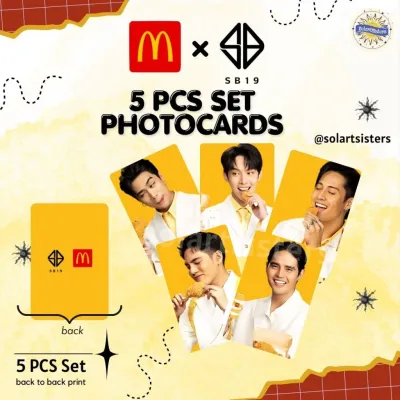
Prices are valid at publication and may change. Please refer to the product page for the latest price.
Next, choose a foundational layout style that matches the size and variety of your collection. If you have a complete set of postcards from a single era, a structured grid layout offers a clean, symmetrical, and highly organized look. For a more dynamic and evolving collection that includes different sizes, photocards, or concert tickets, a relaxed salon-style cluster is more forgiving. This style allows you to arrange items of various dimensions around a central point, making it easy to add new pieces later. Alternatively, a linear timeline layout works beautifully if you want to showcase the group’s chronological journey from their debut to their latest releases.
To tie the entire display together, define a unifying visual theme or color palette. SB19’s diverse concepts—ranging from dark, dramatic aesthetics to bright, colorful retro vibes—can look chaotic if mixed without a plan. You can create cohesion by grouping postcards by their dominant colors or by dedicating specific sections of the wall to particular eras. Using consistent matting or frame colors also helps bridge the gap between different design styles, ensuring the final arrangement looks like a curated exhibition rather than a random assortment of merchandise.
Select Frames and Mounts to Protect Your Postcards
Choosing the right framing materials is the most critical step in protecting your paper collectibles from environmental damage. In the Philippines, high relative humidity can cause paper to warp and mold to grow if prints are not framed correctly. When selecting frames, decide whether you want a uniform look or a mixed aesthetic. Uniform frames, such as sleek black aluminum or minimalist light wood, create a clean border that lets the artwork shine. Mixed frames can add character, but they should share a common element, such as matching depths or complementary tones, to avoid looking cluttered.

Never allow your postcards to touch the frame’s glass directly. In humid conditions, moisture can become trapped inside the frame, causing the printed surface of the postcard to stick to the glass. Over time, this can lead to permanent tearing and ruinous water stains. To prevent this, always use acid-free mats or mounting boards. A mat board creates a physical barrier and a small pocket of air between the postcard and the glass, allowing the paper to breathe and protecting it from condensation. Ensure the matting material is explicitly labeled as acid-free to prevent the paper from yellowing over the years.
Before purchasing any frames, verify the exact internal dimensions of both the frame and the mat opening. Postcards included in official merchandise kits do not always follow standard photo sizes. Some may be slightly larger or smaller than a typical 4×6 inch print. Measure each postcard with a precise ruler, noting both the total dimensions and the safe viewing area. You want to ensure that the mat opening secures the edges of the postcard without cropping out crucial details, member signatures, or official branding.
Map Out the Arrangement Before Drilling
To avoid turning your wall into a Swiss cheese of accidental drill holes, you must map out the entire arrangement before making any permanent changes. A simple and highly effective method is to create paper templates of your frames. Place each frame onto a sheet of kraft paper, wrapping paper, or old newspapers, and trace around the outer edges. Cut out these templates and write the name of the corresponding postcard on each one so you know exactly which piece goes where.
Using painter’s tape—which holds securely without peeling the paint off your wall—stick the paper templates onto your chosen wall space. This physical mockup allows you to step back and evaluate the overall composition from different angles. Pay close attention to the spacing between the templates. A good rule of thumb is to maintain a consistent gap of 2 to 3 inches between each frame. Consistent spacing establishes a steady visual rhythm, making the entire gallery wall feel balanced and professional.
As you arrange your templates, establish a clear focal point to anchor the display. This is typically a larger centerpiece, such as a group portrait or a special limited-edition print, placed at eye level—roughly 57 to 60 inches from the floor. Once your focal point is secured in the center of your layout, build the surrounding arrangement outward. This technique ensures that even if your collection is asymmetrical, the overall weight of the display remains balanced and visually pleasing.
Hang the Frames Safely and Securely
Once you are satisfied with the paper template layout, it is time to hang the frames. The installation method you choose must match the specific material of your wall. In many homes across the Philippines, walls are constructed from solid concrete or hollow blocks covered in plaster. For these surfaces, standard nails or drywall screws will not provide enough support. You will need to use a masonry drill bit to create holes, insert plastic wall anchors, and then drive screws into the anchors to hold your hanging hardware securely.
If you are renting or prefer not to drill into concrete, high-quality adhesive hooks or strips are an alternative, but they must be rated for the weight of your frames and suitable for humid environments. Standard adhesives can fail when exposed to tropical humidity, causing your framed collectibles to crash to the floor. Always clean the wall surface with rubbing alcohol and let it dry completely before applying any adhesives, and strictly follow the manufacturer’s weight limits and curing times.
During the installation process, use a spirit level and a measuring tape to verify that every frame is perfectly straight. Do not rely on your eyes alone, as baseboards and ceiling lines can often be slightly uneven. Place the level on top of each frame as you hang it, adjusting the hardware until the bubble is perfectly centered. If you are dealing with an exceptionally large, heavy arrangement, or if you are uncomfortable operating a power drill near hidden electrical conduits, stop and consult a qualified local handyman or professional installer to ensure a safe setup.
Maintain and Protect the Display Over Time
Creating your gallery wall is only the beginning; maintaining it properly ensures your SB19 postcards remain in pristine condition for years to come. Establish a gentle cleaning routine to keep dust from accumulating on the frames. Use a dry, soft microfiber cloth to wipe down the glass and frames weekly. Avoid spraying liquid glass cleaners directly onto the frames, as the liquid can easily seep through the edges and damage the paper inside. Instead, spray a small amount of cleaner onto a cloth first, then gently wipe the glass.
Regularly inspect the display for any signs of environmental wear. In tropical climates, seasonal shifts can bring intense humidity, which may cause moisture to condense inside the frames. If you notice any fogging or dampness behind the glass, temporarily dismantle the affected frames, let the postcards dry in a safe, air-conditioned space, and clean the glass thoroughly before reassembling. Additionally, monitor the wall for any shifting sunlight patterns throughout the year, and adjust your curtains or blinds if the sun begins to hit the display directly.
Finally, plan for the future growth of your collection. As the group releases new music and merchandise, you will undoubtedly want to add new postcards to your wall. By keeping your layout flexible or leaving designated open spaces on the outer edges of your gallery, you can easily integrate new frames without having to redesign the entire wall. Alternatively, you can keep a fixed number of frames and rotate different postcards in and out, giving your room a fresh look with every new comeback.
Frequently Asked Questions (FAQ)
Can I display SB19 postcards without traditional frames?
Yes, you can display your postcards using frameless methods such as magnetic wooden hangers, decorative clipboards, or wire grid panels. These options offer a more casual, modern aesthetic and make it incredibly easy to swap out prints whenever you like. However, displaying postcards without protective glass or acrylic leaves them highly vulnerable to dust, airborne oils, humidity, and physical damage from handling. If you choose a frameless display, ensure the room is well-ventilated and keep the prints out of reach of pets, small children, and direct air currents from fans or air conditioners.
How do I prevent the postcards from fading on the wall?
The most effective way to prevent fading is to use frames equipped with UV-filtering glass or acrylic, which blocks the harmful ultraviolet rays responsible for breaking down printed inks. Additionally, strategic room placement is crucial. Avoid hanging your gallery wall directly opposite large windows or in areas that receive direct sunlight at any point during the day. If the room is naturally very bright, consider using sheer curtains or UV-blocking window films to soften the incoming light, and keep the display away from high-humidity zones like kitchens or bathrooms where moisture can accelerate paper degradation.
Community discussion
Share your experience or ask a question. Comments are reviewed before publication.