
Decorating a Christmas tree is a beloved holiday tradition, but achieving a balanced, professional look requires more than just hanging baubles at random. To find the perfect number of ornaments, you must calculate a baseline based on your tree’s height and shape, then adjust for branch density and the size of your decorations. In tropical climates where high humidity can affect the structural integrity of real branches or cause certain delicate ornament materials to warp, planning ahead ensures your display remains secure and beautiful throughout the festive season. By using a systematic approach to scale, quantity, and placement, you can transform any tree into a stunning centerpiece without overspending on unnecessary decor or leaving awkward, empty gaps.
Assess Your Tree's Dimensions and Fullness
To begin, measure your tree’s physical dimensions accurately. Use a standard tape measure to find the exact height from the base of the stand to the very tip of the crown. Do not rely solely on the box label for artificial trees, as the stand can add several inches, and the top branch may need to be bent or trimmed to accommodate your tree topper. Next, measure the widest diameter at the base of the branches. This footprint determines the overall volume of the tree, which directly influences how many ornaments will be visible from different angles in your room.
Branch density is the next critical factor to evaluate. Inspect your tree to determine if it has a sparse, standard, or full profile. Sparse trees, often styled after natural pines or firs, have wide gaps between branch layers that expose the central trunk. Standard trees offer a balanced mix of open spaces and dense foliage, while full trees feature tightly packed branches that create a solid green wall. A full tree has significantly more surface area and requires a higher volume of decorations to look complete, whereas a sparse tree needs fewer, lighter pieces to avoid looking overcrowded.
Products mentioned in this guide
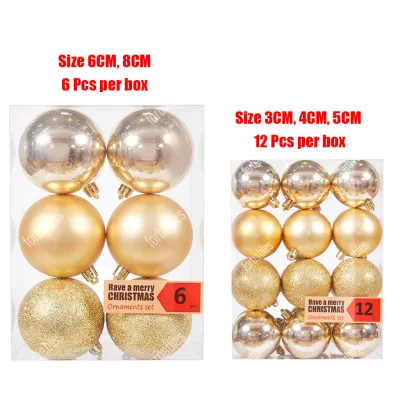
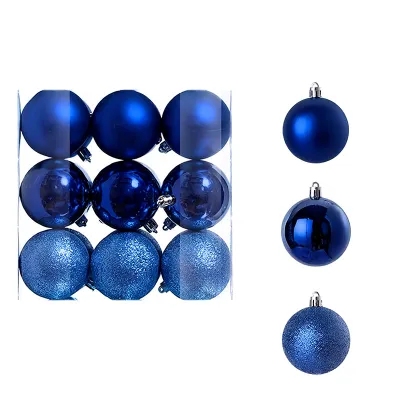
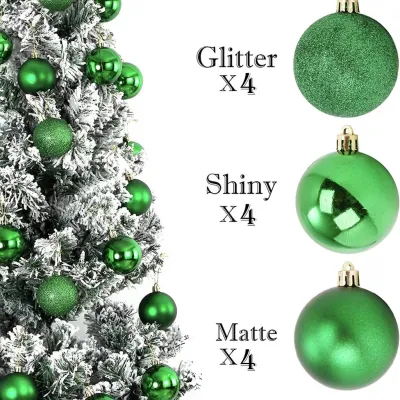
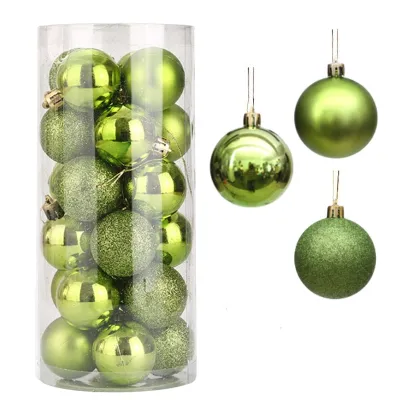
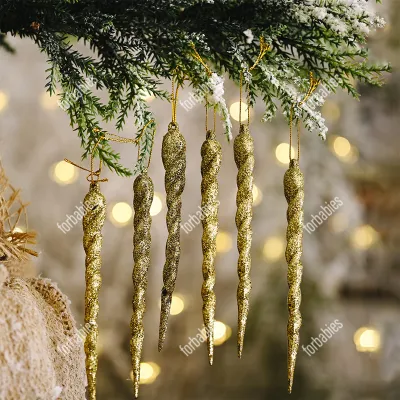
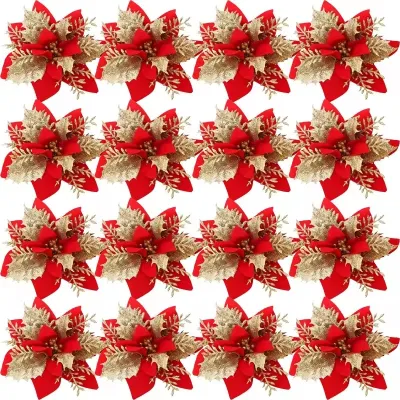
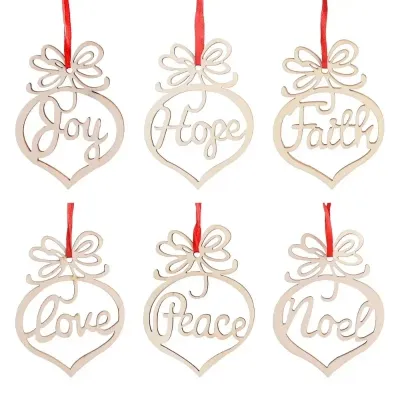
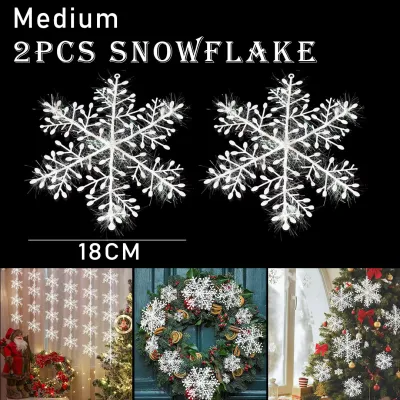
Prices are valid at publication and may change. Please refer to the product page for the latest price.
Finally, identify your tree’s specific silhouette type. Standard trees have a classic, wide triangular shape that tapers gradually toward the top. Slim trees offer a narrower profile, making them ideal for compact living spaces or corners, while pencil trees are extremely thin and vertical. The silhouette type dictates the overall surface area; a seven-foot pencil tree has a fraction of the decorating area of a seven-foot standard tree, meaning you must scale down your ornament quantities accordingly to maintain visual balance.
Calculate the Ideal Quantity of Christmas Ornaments
Determining the total number of ornaments starts with a simple baseline ratio based on tree height. For a standard-shaped tree with average density, a reliable starting point is to allocate approximately 10 to 15 ornaments per foot of height. For example, a modest five-foot tree would require between 50 and 75 ornaments, while a grand eight-foot tree would need between 80 and 120 pieces to look adequately dressed. This baseline assumes you are using standard medium-sized ornaments as your primary decorative element.

You must adjust this baseline multiplier up or down to match your tree’s density and your personal style preferences. If you prefer a minimalist, modern aesthetic that allows the natural beauty of the branches to show through, reduce your multiplier to 8 to 10 ornaments per foot. Conversely, if you love an abundant, lavishly decorated look where the foliage is heavily covered, increase the multiplier to 18 or 20 ornaments per foot. For exceptionally full artificial trees, you may need to lean toward the higher end of these ranges to prevent the decorations from getting lost in the deep foliage.
Remember to factor in other decorative elements that occupy physical and visual space on the tree. If you plan to wrap your tree in wide mesh ribbons, drape thick tinsel, or insert large decorative floral picks, these items will fill significant gaps. A heavily ribboned tree can easily reduce your required ornament count by 20% to 30%. This prevents overspending on extra boxes of ornaments that might cost upwards of ₱500 to ₱1,500 per set on online marketplaces, only to end up stored away unused. Additionally, if your tree features a large, elaborate topper—such as a traditional star lantern or an oversized custom bow—the surrounding upper branches will require fewer ornaments to avoid competing with the focal point.
Determine the Right Sizes and Proportions
Achieving a professional, designer-grade look requires mixing different ornament sizes to create depth and visual interest. Divide your ornament collection into three primary size categories: large statement pieces, medium fillers, and small accent baubles. Large ornaments, typically measuring 10 to 12 centimeters in diameter, serve as major focal points that anchor the design. Medium ornaments, ranging from 6 to 8 centimeters, provide the bulk of your coverage, while small ornaments of 3 to 5 centimeters are perfect for filling minor gaps and decorating the delicate tips of upper branches.
To prevent your tree from looking top-heavy or suffering from structural damage, establish maximum size and weight limits based on your tree’s height. Large, heavy glass ornaments should generally be reserved for trees that are six feet or taller, as their branches are thick enough to support the weight without sagging. For smaller tabletop trees, limit your largest ornaments to 6 centimeters to maintain proper scale. Always test the strength of a branch by gently placing an ornament on it; if the branch bends significantly, the ornament is too heavy for that position and should be moved closer to the trunk or replaced with a lightweight shatterproof alternative.
A balanced distribution ratio is key to a cohesive design. A classic designer formula is the 10-60-30 rule: allocate 10% of your total ornament count to large statement pieces, 60% to medium filler ornaments, and 30% to small accent pieces. For a tree requiring 100 ornaments, this translates to 10 large focal pieces, 60 medium ornaments, and 30 small baubles. This ratio ensures that the eye is drawn to key areas without being overwhelmed by massive shapes, while still maintaining a rich, layered texture throughout the entire height of the tree.
Plan Your Ornament Placement and Layering
When you are ready to decorate, always begin with your largest statement pieces to establish a strong visual foundation. Distribute these large ornaments evenly across the tree, working from the bottom upward and moving in a zigzag or triangular pattern. Avoid hanging them in straight vertical or horizontal lines, which can look rigid and unnatural. Position these larger items slightly deeper into the branches rather than right on the tips; this anchors the weight securely and draws the viewer’s eye inward, creating an illusion of greater depth.
Next, layer in your medium and small ornaments to fill the remaining spaces. Hang your medium ornaments in the mid-sections of the branches, and use the smallest, lightest baubles on the very tips of the branches where the wood is thinnest. To create a truly three-dimensional look, tuck some of your plain, solid-colored medium ornaments deep inside the tree near the center pole. These interior ornaments will catch the glow of your Christmas lights, reflecting light outward and making the entire tree appear to glow from within.
Throughout the decorating process, make it a habit to step back at least three to four meters from your tree to evaluate your progress. Squint your eyes slightly to blur the details; this technique helps you easily spot dark patches, empty gaps, or areas where too many similar ornaments are clustered together. If your tree is positioned near a ceiling fan or in a high-traffic hallway, observe how the ornaments hang when subjected to gentle air movement. Adjust any pieces that swing excessively or bump against neighboring branches to ensure your display remains safe and balanced. If you are hanging ornaments alongside string lights, ensure your lights carry valid local electrical safety certifications and that cords are not pinched by heavy ornament hooks. When decorating tall trees that require a ladder, always ensure the ladder is placed on a flat, stable surface, and have a family member spot you to prevent falls.
Adjust for Special Themes and Tree Types
Standard calculations must be modified when working with non-traditional tree shapes, such as slim or pencil trees. Because these trees have a much smaller diameter, they require significantly fewer ornaments to look complete. For a slim tree, reduce your baseline calculation by 30%, and for a pencil tree, cut the estimate by 50%. Additionally, avoid using very large ornaments on thin profiles; stick to small and medium sizes to prevent the decorations from protruding awkwardly and disrupting the sleek, vertical lines of the tree.
If you are planning a highly specific decorative theme, such as a modern single-size look using only oversized baubles, you must adjust your spacing and quantity rules. A single-size theme relies on negative space to look intentional rather than cluttered. Reduce your total ornament count by roughly 40% compared to the standard baseline, and space the ornaments wider apart so each piece has room to stand out. Ensure that the colors and textures are highly coordinated to maintain a clean, sophisticated aesthetic.
Always prioritize safety by checking the manufacturer’s guidelines for weight limits on artificial branches, especially when using heavy glass, ceramic, or metal ornaments. Overloading branches can cause permanent warping of the internal wire structure or even cause the tree to tip over. If you are decorating a real, cut tree, keep in mind that branches will naturally dry out and weaken over the weeks. Keep heavy ornaments closer to the sturdy main trunk, and use lightweight plastic, foam, or fabric decorations on the outer, delicate tips to ensure your holiday display remains beautiful and secure.
Frequently Asked Questions (FAQ)
How do I know if my tree branches can support heavy glass ornaments?
To determine if a branch can safely support a heavy ornament, start by checking the manufacturer’s specifications for your artificial tree, which often list maximum weight capacities per branch tip. For real trees, perform a gentle manual test by hanging the ornament and observing the branch’s reaction; if it sags more than a couple of centimeters, the branch is too weak. You can reinforce slightly sagging branches by wrapping sturdy floral wire around the ornament hook and securing it to a stronger branch directly above. Always place your heaviest, most delicate glass ornaments on the thicker, woody sections of the branches closest to the central trunk where support is greatest.
Should I use the same ornament sizes for a tabletop tree?
No, tabletop trees require a completely scaled-down approach to maintain proper visual proportions and structural stability. Standard large statement ornaments (10 centimeters or larger) will overwhelm a small tree, causing it to look cluttered and potentially making it top-heavy and prone to tipping over. Instead, limit your largest ornaments to 4 or 5 centimeters, and use miniature baubles of 2 to 3 centimeters as your primary fillers. Opt for lightweight materials such as shatterproof plastics, felt, or lightweight wood to ensure the delicate branches of a tabletop tree remain upright and perfectly balanced.
Community discussion
Share your experience or ask a question. Comments are reviewed before publication.