
Determining how many track lights you need for a room depends on your total square footage, ceiling height, and the specific lumen output of your chosen bulbs. To find your baseline, use the core formula: divide your total required lumens by the lumens produced per fixture. Before finalizing your layout, always check the track’s maximum wattage capacity to ensure your system operates safely.
In the Philippines, where homes often feature open-plan living spaces, high humidity, or concrete ceilings, planning your ceiling light layout carefully prevents dark corners and ensures your electrical system remains safe and efficient. By understanding your space’s dimensions and lighting goals, you can design a functional and visually appealing layout.
Understanding Track Lighting Basics and Ceiling Light Requirements
To design an effective layout, you must first define your lighting goals. Ambient lighting provides general illumination, task lighting focuses on work areas like kitchen counters, and accent lighting highlights artwork or architectural features. These goals dictate how densely you space your track heads.
Products mentioned in this guide
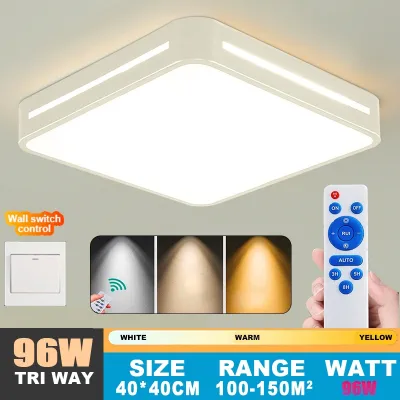
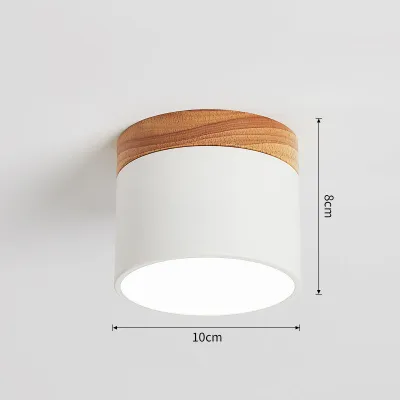
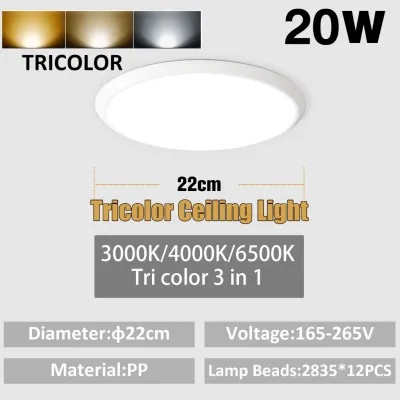

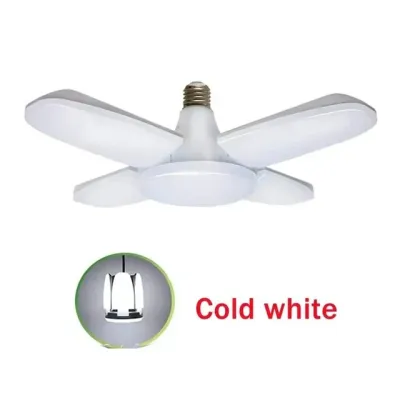
Prices are valid at publication and may change. Please refer to the product page for the latest price.
Next, identify your track system type. Track systems typically come in three standard profiles: H-type, J-type, and L-type. It is crucial to match your track heads to the specific profile of your track rail, as they are not universally interchangeable.
You must also verify the electrical limits of your system. Every track rail has a maximum wattage and amperage rating specified by the manufacturer. Overloading a single track run can lead to overheating, tripped breakers, or electrical hazards.
Finally, check local electrical standards. In the Philippines, the standard residential voltage is 230V at 60Hz. Ensure that your chosen ceiling light fixtures, track rails, and LED bulbs are rated for this voltage to prevent premature failure or safety risks.
How to Calculate the Number of Track Lights for Your Room
Calculating the exact number of fixtures for your space requires a simple four-step mathematical process. First, measure the room’s length and width in feet to calculate the total square footage. For example, a room that is 10 feet by 12 feet has an area of 120 square feet.

Second, determine the target lumens per square foot based on the room’s primary function. Task-heavy areas like kitchens or home offices generally require higher light levels, typically around 30 to 40 lumens per square foot. Hallways, bedrooms, or living rooms can comfortably use lower levels, around 10 to 20 lumens per square foot.
Third, multiply your total square footage by the target lumens per square foot. This calculation gives you the total required lumens for the entire space. For a 120-square-foot bedroom requiring 15 lumens per square foot, your total target is 1,800 lumens.
Fourth, divide this total required lumens by the lumen output of your selected track head bulbs. If you choose LED track heads that output 450 lumens each, dividing 1,800 by 450 indicates you need a minimum of four track heads. Always round up to the nearest whole number and verify that this quantity does not exceed the track’s physical or electrical limits.
Determining the Right Spacing and Layout for Track Heads
Once you know how many fixtures you need, positioning them correctly prevents dark spots, glare, and visual clutter. For standard ceiling heights of 8 to 9 feet, spacing track heads approximately 2 to 3 feet apart provides an even distribution of light. When placing the track parallel to a wall, position the rail about 2 to 3 feet away from the wall to prevent harsh, vertical shadows.
You can adjust this spacing to highlight specific focal points like kitchen islands, dining tables, or artwork. Angling the fixtures at roughly 30 degrees helps minimize glare and prevents the light from shining directly into your eyes.
Avoid placing fixtures too close together, which can cause overlapping beams and excessive heat buildup. Even energy-efficient LED bulbs produce some heat, and crowding them can shorten the lifespan of the internal drivers.
Lastly, ensure the physical weight of the placed heads does not exceed the track manufacturer’s specified limits. Ensure your track rail is securely anchored to the ceiling joists or appropriate drywall anchors to support the cumulative weight of all installed fixtures.
Adjusting for Specific Room Dimensions and Ceiling Heights
Standard calculations often need adjustments for spaces with non-standard proportions or varying ceiling heights. In homes with lower ceilings, wide beam angles of 40 degrees or more help spread light more evenly and reduce intense hotspots. Keep track heads low-profile to avoid visual obstruction and physical contact.
For high or vaulted ceilings, select track heads with narrower beam angles, such as spotlights of 15 to 25 degrees, and higher lumen outputs. This ensures the light beam remains concentrated enough to reach the living plane below without scattering.
Address narrow hallways or long corridors by using multiple shorter track runs or adjusting the track orientation. Bouncing light off the walls rather than pointing it straight down makes the corridor feel wider and more inviting, avoiding a runway effect.
Evaluate when open-plan areas require multiple independent track circuits rather than one continuous run. Large, multi-functional spaces benefit from separate circuits, allowing you to control the lighting levels in different zones independently to match the mood.
Safety, Installation, and Electrical Limits
Installing a ceiling track system requires strict adherence to electrical safety boundaries. Always turn off the power at the main circuit breaker before inspecting or modifying existing ceiling light wiring. Use a reliable voltage tester to verify the wires are completely dead before touching them.
Verify that the existing junction box and circuit breaker can handle the total added wattage of the new track system. Standard plastic boxes may need to be upgraded to heavy-duty metal boxes if you are installing long, heavy track runs.
Recognize the physical limits of ceiling drywall and joists when mounting heavy, multi-head track runs. Track lighting rails must be securely fastened to structural ceiling joists or supported by high-quality toggle bolts.
Stop and consult a licensed electrician if new wiring, junction box upgrades, or complex low-voltage transformer installations are required. Professional installation ensures compliance with local electrical codes and guarantees long-term safety.
Frequently Asked Questions (FAQ)
Can I mix different types of track heads on the same ceiling track?
Yes, you can generally mix different styles of track heads—such as spotlights, floodlights, or pendant adapters—on a single track run, provided they all share the exact same track profile and voltage rating. Always calculate the combined wattage of all mixed fixtures to ensure the total does not exceed the track’s maximum circuit capacity.
Do I need a special dimmer switch for my track lighting setup?
Dimmability depends on both the track head’s internal driver and the bulbs used. To avoid flickering or buzzing, verify that your track heads are labeled as dimmable and pair them with a compatible dimmer switch, such as an ELV or TRIAC dimmer, as specified by the manufacturer.
Community discussion
Share your experience or ask a question. Comments are reviewed before publication.