
Balancing a demanding study schedule with the biological necessity of sleep is a common challenge, especially when your only quiet hours occur late at night. To choose a bedside lamp that supports focused studying without disrupting your subsequent sleep, you must select a fixture that balances task illumination with circadian health. The ideal solution is an adjustable task lamp that offers warm color temperatures, precise dimming controls, and a highly directional beam.
By focusing the light strictly on your study materials and keeping the color spectrum warm, you can maintain high cognitive focus while preparing your brain for a restful night. This approach allows you to transition smoothly from reading to sleeping without the prolonged restlessness often caused by improper nighttime lighting.
How Light Exposure Affects Late-Night Studying and Sleep Quality
The human brain relies on environmental light cues to regulate the sleep-wake cycle, also known as the circadian rhythm. Sunlight contains high concentrations of blue light, which naturally signals our bodies to stay alert and active by suppressing the production of melatonin. Melatonin is the essential hormone responsible for signaling to your body that it is time to rest and recover.
Products mentioned in this guide
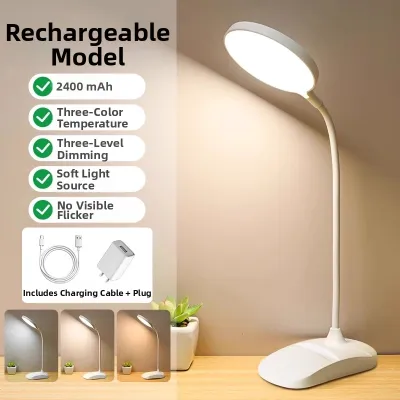
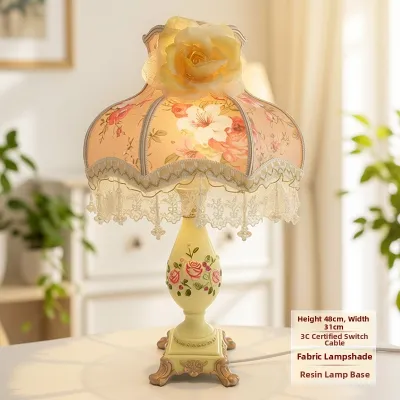
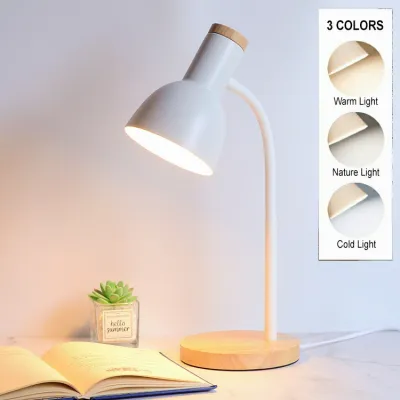
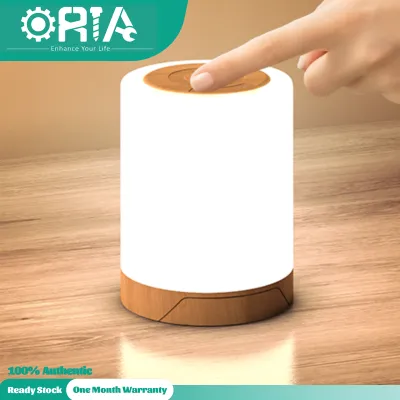
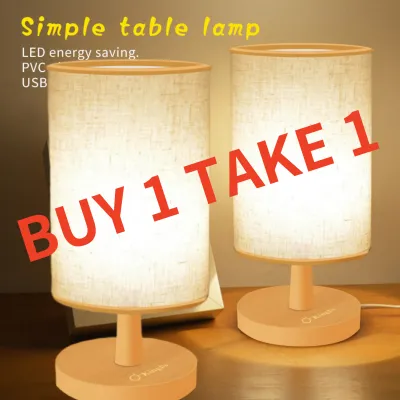
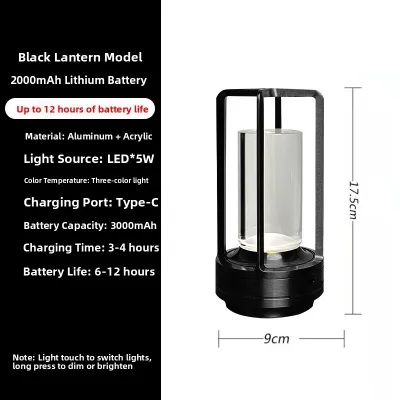

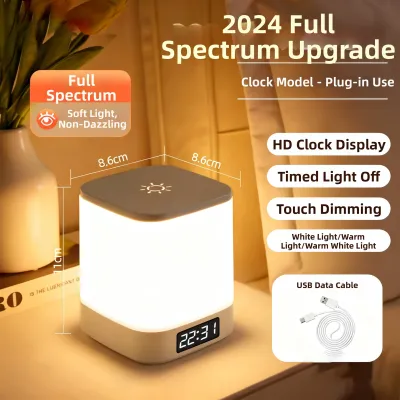
Prices are valid at publication and may change. Please refer to the product page for the latest price.
When you expose your eyes to bright, cool-toned light late at night, your brain interprets this exposure as daytime. This biological trigger halts melatonin production, keeping your heart rate and cognitive alertness elevated long after you turn off the lamp. Consequently, you may find yourself tossing and turning for hours after finishing a late-night study session.
To study effectively, your eyes require sufficient contrast and brightness to prevent strain and fatigue. The primary goal is to achieve adequate task illumination—allowing you to read printed text or take notes comfortably—without sending wakefulness signals to your brain. Achieving this balance requires a lamp designed specifically to control light warmth, intensity, and direction.
Essential Features for a Sleep-Safe Study Lamp
Resolving the conflict between late-night productivity and healthy sleep patterns requires looking beyond basic aesthetics. When shopping for a bedside lamp, you must evaluate specific technical features that directly impact both your visual comfort and your sleep hygiene.

Color Temperature and Adjustability
Color temperature is measured on the Kelvin (K) scale, which describes the warmth or coolness of a light source. Higher Kelvin ratings, such as 5000K to 6500K, represent cool daylight that boosts alertness but severely disrupts sleep prep. Lower ratings, ranging from 2700K to 3000K, produce a warm, amber-toned light that mimics the sunset and has a minimal impact on melatonin production.
For late-night study sessions, you should prioritize a lamp that offers warm white light around 2700K to 3000K. While cool light is highly effective for daytime focus, warm light provides a soothing environment that helps your mind wind down even as you read.
Opting for a lamp with adjustable color temperature is highly beneficial if you use the same bedside setup throughout the day. This feature allows you to select a neutral 4000K setting for afternoon tasks and then shift down to a warm 2700K setting as your bedtime approaches.
Brightness Control and Dimmability
Managing light intensity is crucial when studying in an otherwise dark bedroom. In a low-ambient environment, your pupils dilate to let in more light, making your eyes highly sensitive to sudden brightness. A lamp that is too bright will cause immediate glare, leading to visual fatigue and triggering unwanted cognitive alertness.
Dimming Methods to Consider:
- Stepless Dimming: This feature allows you to smoothly adjust the brightness from 100% down to a very low minimum, usually around 5% or 10%. It offers the most precise control for matching your changing eye sensitivity.
- Multi-Step Switches: These lamps offer fixed brightness levels, typically low, medium, and high. While functional, they lack the fine-tuning capabilities of stepless systems.
To protect your sleep, look for a lamp with a very low minimum brightness setting. This ensures you can lower the output to the absolute minimum required to read your book or tablet, preventing harsh glare from bouncing off the pages and into your eyes.
Directionality and Beam Angle
Keeping light confined to your immediate workspace is essential for preventing sleep disruption. Traditional lamps with fabric shades disperse light in a wide, 360-degree pattern, illuminating the entire bedroom. This wide-angle ambient light bounces off walls and ceilings, signaling your entire visual field to remain awake and active.
In contrast, a directional task lamp utilizes an adjustable arm, gooseneck, or a solid, opaque shade to focus light into a narrow beam. This design allows you to direct the light directly onto your textbook, notepad, or keyboard while keeping the rest of the room dark.
By restricting the beam angle, you prevent ambient light pollution from filling the bedroom. This is particularly valuable if you share a room, as it allows you to study diligently without casting disturbing light on a sleeping partner or family member.
Flicker-Free Design and Eye Comfort
Extended reading sessions under poor lighting can cause severe eye strain, dry eyes, and tension headaches. Many budget-friendly LED lamps utilize cheap drivers that produce high-frequency flickering. Although this flicker is often invisible to the naked eye, your brain still processes it, leading to rapid eye fatigue and a subconscious urge to increase the lamp’s brightness to compensate.
To ensure long-term comfort, verify that the manufacturer specifies a flicker-free driver or eye-comfort certification. Additionally, look for lamps equipped with built-in anti-glare diffusers, which soften the light output and eliminate harsh hotspots on your desk surface.
Another critical specification is the Color Rendering Index (CRI). A high CRI rating, ideally Ra90 or higher, ensures that colors and text contrast sharply and accurately. High color accuracy reduces the cognitive effort required to read small fonts, allowing you to study efficiently at lower brightness levels.
Traditional Bedside Lamps vs. Adjustable Task Lamps for Night Reading
When setting up a bedside study area, you must choose between a traditional decorative bedside lamp and an adjustable task lamp. Understanding how these two styles function will help you make the right choice for both your studies and your sleep quality.
Traditional bedside lamps are primarily designed to provide soft, ambient room lighting. They feature fabric, paper, or frosted glass shades that diffuse light in all directions to create a cozy atmosphere. While excellent for relaxing before bed, they are poorly suited for late-night studying. Because you cannot adjust the direction of the light, you are often forced to sit in awkward positions or lean close to the lamp, resulting in poor posture, neck strain, and direct glare in your eyes.
Adjustable task lamps, such as classic architect-style desk lamps or modern minimalist goosenecks, are engineered specifically for targeted work. They feature articulated joints, rotating heads, and solid shades that allow you to position the light source precisely where you need it. This flexibility makes them vastly superior for reading in bed, as you can pull the light source close to your page and push it away when you are finished.
Key Differences at a Glance:
- Light Distribution: Traditional lamps offer wide, diffuse ambient light, while task lamps provide focused, directional beams.
- Adjustability: Traditional lamps are completely static, whereas task lamps offer height, angle, and rotation adjustments.
- Space Footprint: Bedside tables in many homes are compact. A bulky traditional lamp leaves little room for books, writing tools, or a glass of water. A sleek task lamp with a small base or a clamp-on design maximizes your usable surface area.
- Cable Management: Task lamps often feature integrated cable routing along their arms, keeping cords tidy and preventing them from cluttering your nightstand.
Positioning and Safety Tips for Your Bedside Setup
How you position your lamp and manage your bedside environment plays a vital role in preventing eye strain and ensuring physical safety during late-night study sessions.
Optimal Positioning Rules:
- Keep Light Below Eye Level: Position the physical light source below your direct line of sight. If the bare bulb or diffuser is visible to your eyes while reading, it will cause immediate glare and discomfort.
- Angle Away from the Face: Direct the beam downward and slightly from the side. If you are writing by hand, place the lamp on the side opposite your dominant hand to avoid casting shadows across your paper.
Ambient Pairing:
- Avoid Extreme Contrast: Studying in a single pool of bright light within a pitch-black room causes severe eye strain as your eyes constantly adjust between the bright page and the dark surroundings. Pair your task lamp with a very dim, warm ambient light source, such as a low-lumen nightlight plugged into a wall outlet, to soften the contrast.
Electrical Safety Considerations:
- Verify Voltage and Plugs: In the Philippines, the standard household electrical supply is 220V at 60Hz. Always verify that your lamp is rated for 220V to prevent immediate damage, short circuits, or fire hazards. Look for official safety certifications, such as the Philippine Standard (PS) mark or the Import Commodity Clearance (ICC) sticker.
- Avoid Overloading: Do not daisy-chain extension cords near your bed. Ensure the lamp plug is securely connected directly to a wall outlet or a high-quality, surge-protected power strip.
- Isolate Power: Always isolate the power supply by unplugging the lamp before changing bulbs or cleaning the fixture.
- Clear Flammable Materials: Keep the lamp housing, which can generate mild heat during extended use, clear of flammable bedding, curtains, and paper materials.
Sleep Transition Features:
- Utilize Timers: Look for lamps with built-in auto-off timers (such as 30-minute or 40-minute settings) or plug your lamp into a smart plug. This ensures that if you accidentally fall asleep while reading, the light will turn off automatically, protecting your deep sleep cycles from disruption.
Frequently Asked Questions (FAQ)
Is a smart bulb in a regular lamp better than a dedicated study lamp?
Using a smart bulb in a traditional bedside lamp offers excellent control over color temperature and dimming levels via your smartphone. However, a smart bulb cannot overcome the physical design limitations of a standard lamp shade. Traditional shades still disperse light widely across the entire room, which can cause ambient glare and disturb others. A dedicated study lamp with physical optical controls, an adjustable arm, and a focused beam remains the superior option for targeted, sleep-safe illumination.
Should I use a clip-on reading light instead of a bedside lamp?
Clip-on reading lights are highly portable and excellent for travel, as they attach directly to your book or headboard to keep light focused on a small area. However, they often have limited battery life, small light coverage zones that can create harsh visual contrast, and may feel physically unstable on certain bed frames. For regular, long-term study sessions at home, a dedicated bedside task lamp provides a more stable, comfortable, and eye-friendly light source.
Community discussion
Share your experience or ask a question. Comments are reviewed before publication.