
Choosing the right bedside wall lamp requires balancing personal habits, room layout, and technical specifications. Because a bedroom serves as a sanctuary for rest as well as a space for reading or preparing for the day, a single lighting solution rarely fits every household. To make an informed decision, you must identify your primary bedtime activity, match the fixture’s technical specifications to that scenario, evaluate your home’s installation and electrical capacity, and choose materials that can withstand local environmental conditions. By taking a systematic approach, you can select a fixture that enhances both the utility and the comfort of your personal space.
Identify Your Primary Bedroom Lighting Scenario
Bedside wall lamps are highly specialized fixtures designed to deliver light precisely where it is needed. Unlike general ceiling lights that flood an entire room, wall-mounted sconces focus their output on a localized zone. Identifying how you spend your final hours before sleep is the critical first step in narrowing down your options. Selecting a lamp without a clear primary purpose often leads to mismatched brightness levels, awkward glare, or a lack of functional light when you need it most.
Focused Task Lighting for Reading in Bed
If your evening routine revolves around reading books, tablets, or e-readers, your primary need is focused task lighting. Task lighting provides a concentrated, directed beam of light that illuminates the page or screen without scattering excess light across the entire room. This targeted approach minimizes eye strain by creating a high-contrast reading environment. To achieve this, look for fixtures featuring adjustable swing arms, flexible goosenecks, or directional heads, which allow you to aim the light precisely at your reading material while keeping the other side of the bed dark for a sleeping partner.
Products mentioned in this guide
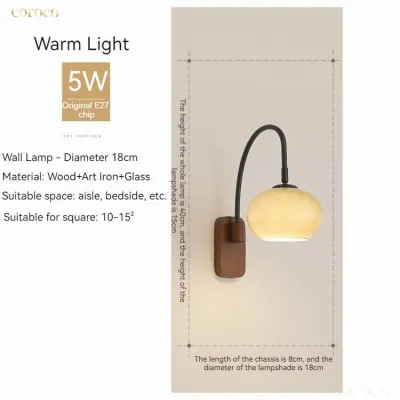
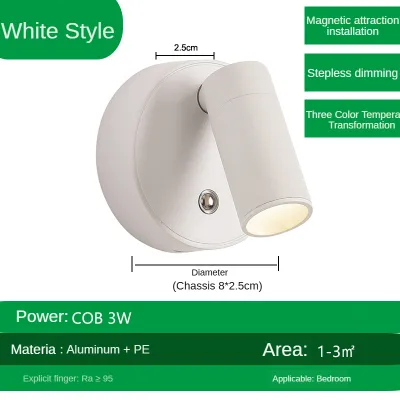
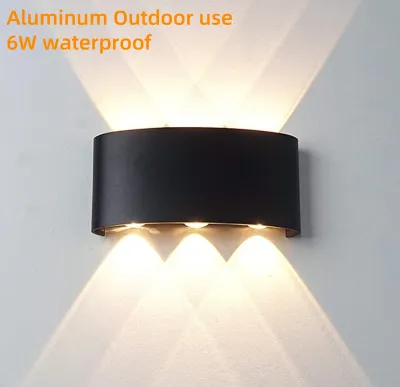
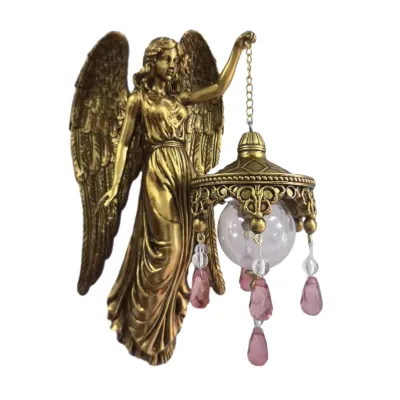
Prices are valid at publication and may change. Please refer to the product page for the latest price.
Soft Ambient Lighting for Relaxation
For those who use the bedroom primarily to wind down, watch television, or practice meditation, soft ambient lighting is the ideal choice. Ambient lighting focuses on creating a calm, glare-free atmosphere by diffusing light gently throughout the immediate bedside area. Instead of directing a harsh beam downward, ambient sconces typically bounce light off the wall or ceiling. Choosing fixtures with fabric, frosted glass, or opaque shades helps soften the light output, reducing harsh shadows and preparing your mind and body for sleep.
Low-Level Nighttime Illumination
If you frequently wake up during the night or need a gentle guide for late-night navigation, low-level nighttime illumination should be your focus. This scenario requires a very low brightness level and highly shielded light sources to prevent sudden visual shock. Downward-facing sconces or fixtures with integrated, low-lumen nightlights provide just enough visibility to navigate the room safely. This subtle illumination helps you avoid obstacles without triggering full alertness or suppressing melatonin production, making it easier to fall back asleep.
Match Lamp Specifications to Your Chosen Scenario
Once you have defined your primary lighting scenario, you must translate those needs into technical specifications. Lighting performance is determined by measurable factors rather than aesthetic appeal alone. Before purchasing any fixture, you must verify its compatibility with your existing bulbs, the specific base or interface type (such as E27 or GU10), the maximum wattage limit, and the physical dimensions of the unit.

Brightness and Color Temperature
To select the right light output, you must evaluate both lumens (brightness) and Kelvin (color temperature) ratings.
- Task Lighting (Reading): A light output of 300 to 450 lumens is generally suitable for reading. For color temperature, a neutral white range of 3000K to 4000K is often preferred, as it provides clear contrast for text. However, color temperature preferences are subjective; some readers find warmer tones more relaxing, while others prefer cooler light for focus.
- Ambient and Nighttime Lighting: For a relaxing atmosphere, look for bulbs emitting 150 to 300 lumens. A warm color temperature of 2200K to 2700K mimics the soft glow of candlelight, which helps signal to your body that it is time to rest. Always check the bulb manufacturer's packaging to verify the exact lumen output and Kelvin rating.
Beam Angle and Adjustability
The physical spread of light, known as the beam angle, dictates how well a lamp serves its purpose. Narrow beam angles (15 to 30 degrees) are highly concentrated and ideal for reading spots. They ensure the light remains confined to your side of the bed, preventing disturbance to anyone sharing the room. Wide beam angles (120 degrees or greater) are designed for ambient wall-washing. They scatter light broadly across the wall surface, creating a soft, indirect glow. If your needs change frequently, prioritize fixtures with multi-axis rotation or telescopic arms that allow you to modify the beam direction manually.
Shade Materials and Light Diffusion
The material of the lamp shade directly influences light transmission, glare control, and spatial effect. Opaque materials like metal or ceramic completely block lateral light, directing the entire output upward, downward, or through a specific opening. This is excellent for directional reading or dramatic accent lighting. Semi-translucent materials like frosted glass, fabric, or rattan allow light to filter through the sides, creating a soft, diffused glow. While fabric and frosted glass offer uniform diffusion, natural woven materials like rattan or bamboo cast intricate shadow patterns on the wall, which is a popular stylistic choice but may cause visual distraction if used for focused reading.
Evaluate Installation and Power Options
How a bedside wall lamp receives power affects both its visual integration and the complexity of its installation. You must decide between a permanent, integrated look and a flexible, non-invasive setup. Regardless of the method you choose, safety must remain your top priority throughout the planning and installation process.
Hardwired vs. Plug-in Sconces
Hardwired wall sconces connect directly to your home’s internal electrical wiring behind the wall. This option offers a clean, seamless appearance with no visible cords hanging down the wall, making it a favorite for modern or minimalist bedrooms. However, hardwiring requires a dedicated wall junction box and is highly permanent. Plug-in sconces, on the other hand, mount directly to the wall surface and plug into a nearby standard wall outlet. They are highly flexible, easy to relocate, and ideal for renters, though you must accept the visual presence of a hanging power cord.
Switch Types and Smart Controls
The ease of operating your bedside lamp impacts your daily convenience. In-line cord switches, common on plug-in models, rest on the hanging cord. They are simple but can sometimes slip behind nightstands, making them difficult to reach from the bed. On-fixture switches, such as rotary dials, toggle switches, or push buttons located on the backplate or shade of the lamp, offer immediate, tactile control without requiring you to leave the bed. If you prefer remote operation, verify if the fixture is compatible with smart bulbs or smart plugs. This compatibility allows you to dim the light, adjust color temperatures, or set automatic sleep schedules using a smartphone application or voice commands. Note that you must verify if the fixture’s dimming method is compatible with your chosen smart bulb or external dimmer switch.
Electrical Safety and Local Compatibility
Before purchasing any lighting fixture, you must verify that its electrical specifications match the local power supply in the Philippines, which standardizes at 220 volts (V) and a frequency of 60 hertz (Hz). Using a fixture rated solely for 110V without a proper step-down transformer will damage the lamp and pose a severe fire hazard. Additionally, check that the fixture carries recognized electrical safety certifications (such as the Philippine Standard or Import Commodity Clearance marks, or reputable international equivalents).
For any fixed wiring installation, you must prioritize safety by following these critical steps:
- Power Isolation: Always isolate the electrical power by turning off the corresponding circuit breaker at your main panel before touching any wires. Use a reliable voltage tester to confirm the power is completely off.
- Manufacturer Instructions: Thoroughly read and follow the manufacturer’s installation instructions for your specific model.
- Professional Installation: If your bedroom lacks an existing wall junction box, if you need to run new electrical lines through concrete or drywall, or if you are unfamiliar with safe electrical practices, stop immediately. You must hire a qualified, licensed electrician to perform the installation. This ensures compliance with the Philippine Electrical Code and protects your home from electrical faults.
Design and Spatial Considerations for Bedside Placement
A bedside wall lamp must harmonize with the physical dimensions of your bedroom furniture and withstand the local environment. Improperly sized or poorly positioned lamps can cause physical discomfort, visual clutter, or premature wear.
Sizing and Proportions
To maintain visual balance, scale the dimensions of your wall sconce to match your bed and nightstand. A massive, heavy metal sconce can overwhelm a single bed or a small, minimalist nightstand, while a tiny reading light may look lost next to a king-size bed with a tall, upholstered headboard. As a general guideline, the width of the lamp should not exceed one-third of the width of your nightstand. Ensure the depth of the fixture does not protrude so far into the room that it interferes with sitting up or reaching for items on your bedside table.
Mounting Height and Clearance
Determining the correct mounting height is essential to prevent glare and physical injury. When sitting upright in bed, the bottom of the lampshade should align roughly with your shoulder level. This positioning ensures that the light source illuminates your lap or book, while the shade itself shields your eyes from direct bulb glare. If you choose a swing-arm or projecting fixture, ensure it is mounted high enough to clear your head when you get in and out of bed. Typically, mounting the center of the fixture’s backplate approximately 55 to 60 inches (140 to 152 centimeters) from the floor provides an optimal balance of reach and safety for standard bed heights.
Material Durability in Humid Climates
Environmental conditions play a significant role in the lifespan of your lighting fixtures. In tropical climates like the Philippines, bedrooms often experience high humidity, salt air in coastal regions, or rapid temperature fluctuations from frequent air conditioning. Untreated or low-grade metals can rust, tarnish, or corrode quickly under humid conditions. Look for fixtures made of solid brass, powder-coated steel, or anodized aluminum, which offer superior resistance to moisture. While natural fibers like rattan, bamboo, or untreated wood complement tropical interior styles, they can absorb moisture and develop mold or mildew if the room lacks proper ventilation. Always check the manufacturer’s care labels and product specifications to confirm the fixture is rated for indoor residential use and to identify any specific cleaning or maintenance requirements. If your bedroom is highly humid, prioritize materials that are non-porous and easy to wipe clean.
Can One Bedside Wall Lamp Serve Multiple Purposes?
If your bedroom serves as a multi-functional space, you may wonder if a single wall lamp can handle reading, ambient lighting, and nighttime navigation. Fortunately, modern lighting technology and innovative fixture designs make it entirely possible to achieve multi-purpose utility without installing multiple separate units.
Dimmable Fixtures and Smart Bulbs
Integrating dimming functionality is the most effective way to transition a single lamp across different scenarios. By pairing a dimmable wall sconce with a compatible dimmable LED bulb, you can adjust the light output from a bright, clear level for reading down to a soft, low-lumen glow for winding down. If your fixture does not have a built-in dimmer, installing a smart bulb allows you to control brightness and even adjust the color temperature from cool white to warm amber via an app. Before purchasing, always verify that the fixture, the wall switch, and the bulb are explicitly rated as compatible for dimming to prevent flickering or buzzing.
Adjustable and Dual-Light Designs
Another practical solution is selecting a fixture specifically engineered for dual-purpose use. Many modern bedside sconces feature dual-light designs, combining a fabric or glass shade for soft, ambient room light with an attached, adjustable LED reading spotlight on a flexible arm. These components are usually controlled by independent switches on the backplate, allowing you to use them separately or together. Alternatively, a highly adjustable swing-arm lamp can be pointed upward against the wall to wash the room in indirect light, then swung downward to focus on your book when you are ready to read.
Frequently Asked Questions (FAQ)
How high should a bedside wall lamp be mounted?
While exact placement depends on your bed’s height and your personal physical proportions, a standard guideline is to mount the fixture so that the bottom of the shade sits roughly 30 to 36 inches (76 to 91 centimeters) above the top of your mattress. Alternatively, measuring 55 to 60 inches (140 to 152 centimeters) from the floor to the center of the mounting plate works well for most standard beds. To find the perfect height before drilling holes, sit up in your bed in your normal reading position and have someone hold the lamp against the wall, adjusting it until the light source is at shoulder level and the bulb is hidden from your direct line of sight.
Do I need an electrician to install a hardwired wall sconce?
Yes, hiring a licensed professional is highly recommended for installing a hardwired wall sconce. Hardwiring requires working directly with your home’s mains electrical system, which carries significant risks of electrical shock, short circuits, or fire hazards if handled incorrectly. If your bedroom wall does not already have an existing electrical junction box, or if you need to run new wiring through concrete or drywall, a qualified electrician will ensure the installation is structurally sound, safely grounded, and compliant with the Philippine Electrical Code. For plug-in wall sconces, professional installation is generally not required, as these fixtures simply mount to the wall surface and plug directly into an existing standard outlet.
Community discussion
Share your experience or ask a question. Comments are reviewed before publication.