
Finding the right bedside wall lamp requires balancing your need for clear reading light with your partner’s need for a dark, undisturbed sleep environment. The ideal fixture directs illumination precisely onto your book or device while containing light spill. By focusing on directional shade designs, independent controls, and careful placement, you can create a comfortable reading zone that respects shared bedroom space. This guide breaks down the essential features and installation checks to help you select and position a wall sconce that works for both of you.
In tropical climates like the Philippines, where bedrooms often utilize ceiling fans to maintain airflow, wall-mounted fixtures offer an additional practical benefit. They free up valuable space on your bedside table, keeping the surface clear for essentials and allowing for better ventilation around the bed. Selecting the right fixture involves evaluating physical design, electrical compatibility, and spatial layout to ensure a seamless fit.
Key Design Features That Minimize Light Spill
To prevent light from scattering across the entire bed, the physical design of the wall lamp is your first line of defense. Opaque shade materials, such as matte metals, thick ceramics, or heavily lined fabrics, are highly effective because they block light from escaping through the sides of the fixture. In contrast, translucent glass, thin paper, or open-top fabric shades allow light to diffuse outward and upward, illuminating the ceiling and inevitably waking a sleeping partner.
Products mentioned in this guide
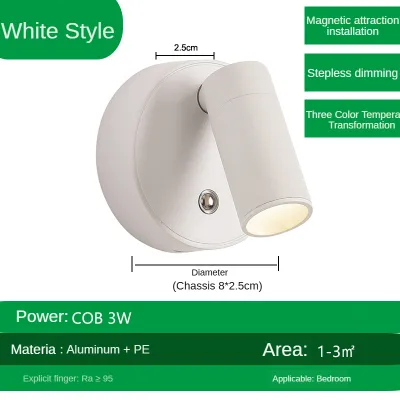
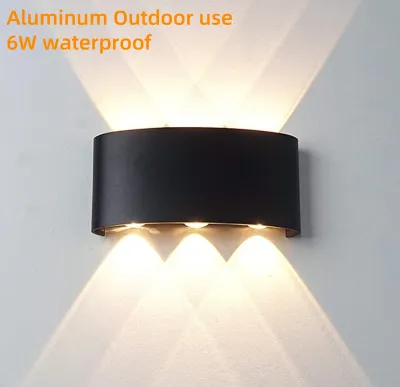
Prices are valid at publication and may change. Please refer to the product page for the latest price.
Adjustability is another critical feature to look for when browsing local lighting retailers or online marketplaces. Fixtures equipped with flexible goosenecks, articulated swing arms, or multi-axis swivel joints allow you to position the light source exactly where you need it. This mechanical flexibility means you can pull the lamp close to your book while reading and push it back against the wall when finished, keeping the light beam highly localized.
Furthermore, look for directional modifiers built directly into the fixture’s head. Some reading sconces feature deep recessed bulb housings, internal baffles, or adjustable barn doors that physically restrict the peripheral spread of light. When reviewing product specifications, pay close attention to the beam angle. A narrow spotlight beam is far more effective for partner-friendly reading than a wide floodlight distribution, which disperses light across a broader area.
Adjusting Brightness and Color Temperature for Nighttime
Controlling the intensity and tone of the light is just as important as directing its path. If you plan to read late into the night, verify the dimming compatibility of both the wall sconce and the bulb you intend to use. Not all fixtures support dimming, and using an incompatible bulb can lead to annoying flickering or premature bulb failure. Always check the manufacturer’s label to confirm whether the fixture uses a triac, step-dimming, or electronic low-voltage dimming method.

Color temperature plays a significant role in both eye comfort and sleep hygiene. For bedside reading, select bulbs with warm white descriptions, typically rated between 2700K and 3000K. These lower Kelvin ratings emit a soft, amber-toned light that is much gentler on the eyes and less disruptive to your body’s natural circadian rhythms than cool daylight tones. Cool blue-toned light mimics midday sun, which can keep you awake and easily disturb a sleeping partner even if the beam is narrow.
To manage glare and harsh hotspots on your pages, consider fixtures that feature frosted inner lenses or integrated diffusers. These components soften the light output without reducing its directional focus. Additionally, pay close attention to the maximum wattage limit printed on the fixture’s socket label. Installing a bulb that exceeds this limit is a fire hazard and can generate excessive heat, which is particularly undesirable in warm tropical bedrooms.
Independent Switching and Control Options
A partner-friendly bedside lamp must be easy to operate independently without requiring you to get out of bed or turn on the main overhead bedroom lights. Integrated switches located directly on the fixture’s backplate or base—such as toggle switches, rotary dials, or push buttons—are highly convenient because they are within arm’s reach. Alternatively, plug-in models often feature inline cord switches, though you must ensure the cord is positioned where you can easily reach it without dangling over the bed.
If you prefer modern convenience, verify the fixture’s smart bulb readiness before making a purchase. Smart bulbs require a constant, uninterrupted power supply to maintain their wireless connection. If the wall sconce features a built-in rotary dimmer switch, it will likely conflict with the smart bulb’s internal electronics, causing flickering or connectivity drops. For smart setups, choose a simple on/off switch fixture and verify that the base interface matches your smart bulb.
For hardwired installations, plan your electrical circuits carefully. Ensure that the bedside wall lamps are wired on a completely separate circuit from the main room lighting. This allows you to switch your reading light on and off without affecting any other lights in the room, preserving a quiet, dark environment for your partner.
Placement and Installation Considerations
Proper placement is the key to maximizing reading comfort while minimizing light crossover to the other side of the bed. Rather than relying on generic mounting height recommendations, take a personalized measurement. Sit up in your bed in your typical reading posture—whether propped up by pillows or reclining slightly—and have someone measure the height from the top of your mattress to your shoulder or eye level. Mounting the light source near this height ensures the beam projects directly onto your book.
Horizontal offset is equally important for preventing shadows. Position the wall lamp slightly behind and to the side of your reading shoulder. If the lamp is placed directly overhead or too far forward, your head and shoulders will cast frustrating shadows across your reading material, forcing you to strain your eyes or sit uncomfortably.
When deciding between hardwired and plug-in models, weigh the aesthetic benefits against the installation requirements. Hardwired sconces offer a clean, seamless look with no visible cords, but they require routing electrical wires through your walls. Because this involves working with fixed electrical wiring, always prioritize safety. Isolate the power at the main circuit breaker before beginning any work, follow the manufacturer’s installation instructions precisely, and consult a qualified professional electrician to ensure compliance with local electrical standards. Plug-in models offer a simpler, non-invasive alternative, but you must secure the cords safely to prevent them from becoming tripping hazards or getting caught in bedside furniture.
Matching the Sconce to Your Bedroom Layout
Before finalizing your choice, verify that the physical dimensions of the wall lamp match your bedroom’s layout and daily movements. Review the fixture’s maximum extension and protrusion measurements. A lamp that extends too far from the wall can interfere with tall headboards, decorative pillows, or your path when getting in and out of bed. This is especially important in compact bedrooms where space around the bedside table is limited.
Align the lamp’s adjustable range with your specific reading habits. If you prefer to read while lying flat on your side, you will need a fixture with a highly flexible arm that can tilt downward. If you prefer sitting upright, a fixed-arm sconce with a downward-facing shade might suffice.
Finally, consider the visual weight and style of the sconce as a conditional preference. While the aesthetic design does not affect the light’s performance, choosing a finish and scale that complements your headboard and bedside furniture creates a cohesive, relaxing environment. Ensure the metal or fabric finishes match your existing decor while prioritizing the functional, directional lighting features that keep your reading time peaceful for everyone.
Frequently Asked Questions (FAQ)
Can I use a smart bulb in a reading wall sconce?
Yes, but you must verify compatibility first. Smart bulbs require a constant power supply, so they should not be used with fixtures that have built-in manual dimmer switches, as this can damage the bulb’s internal electronics. Always check the fixture’s label to ensure the socket base and the maximum wattage limit match your smart bulb’s specifications.
What is the best height to install a bedside reading light?
The best height is personalized to your reading posture. Measure from the top of your mattress to your shoulder or eye level while sitting in bed. The ideal mounting height typically aligns the bottom of the lamp shade with your shoulder, allowing the beam to illuminate your book without shining directly into your eyes or spilling over to your partner’s side of the bed.
Community discussion
Share your experience or ask a question. Comments are reviewed before publication.