
Finding the perfect balance between focused task lighting and sophisticated interior design can be a challenge when furnishing a home. A classic billiard table lamp, traditionally reserved for game rooms, offers an exceptional solution that doubles as a stylish linear pendant over a kitchen island or home bar. This cross-scenario compatibility works because both setups share a fundamental layout: a long, rectangular surface requiring uniform, glare-free illumination. By selecting a fixture with the right physical dimensions, appropriate shade materials, and versatile dimming capabilities, you can easily transition this classic gaming accessory into a stunning culinary or social focal point.
To make this design transition successful, you must look beyond the traditional green felt aesthetic and focus on the functional specifications of the fixture. This guide details how to calculate the ideal proportions, select the right light quality, and ensure a safe, compliant installation in your home.
Why Use a Billiard Table Lamp Over an Island or Bar?
The primary appeal of a billiard table lamp lies in its linear, multi-light structure. Unlike single-source pendants that cast a conical pool of light directly beneath them—often leaving the ends of a long counter in shadow—a multi-light linear fixture distributes illumination evenly across a rectangular plane. This balanced light distribution is just as valuable for prepping ingredients on a kitchen island as it is for lining up a shot on a pool table.
Products mentioned in this guide

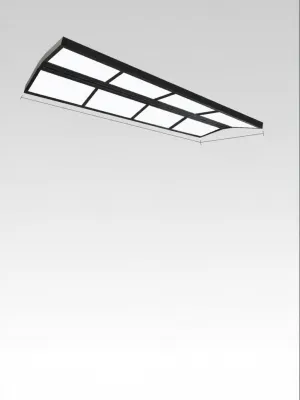
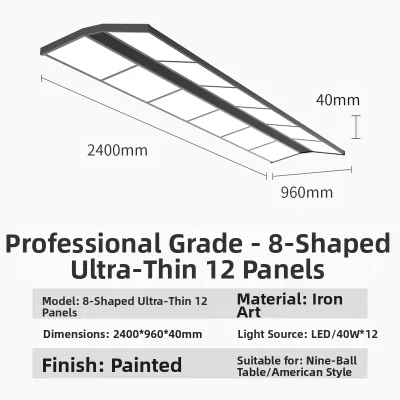
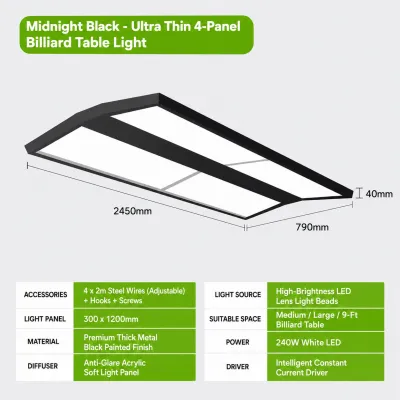
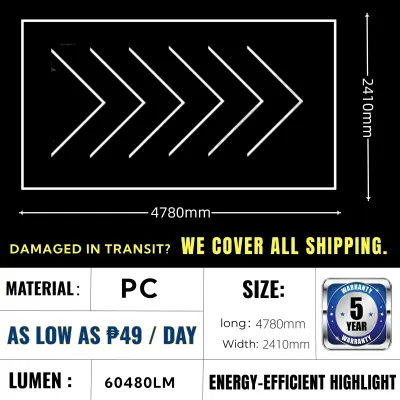
Prices are valid at publication and may change. Please refer to the product page for the latest price.
From a design perspective, these fixtures introduce a strong horizontal profile that helps anchor a room. The structured frame of a multi-light pendant adds an architectural element that can define the dining or bar area within an open-concept living space. Whether your home features an industrial, rustic, or modern aesthetic, the clean lines of a multi-light frame establish a sense of symmetry and purpose.
Adapting a fixture designed for a game room to a high-traffic kitchen or bar requires careful consideration of the environment. Kitchens and bar areas are subject to heat, moisture, and airborne cooking oils, which can quickly degrade delicate materials. In tropical climates like the Philippines, high humidity can also accelerate the corrosion of low-grade metals, making durable finishes and easy-to-clean materials essential for long-term performance.
Sizing and Proportion: Matching the Fixture to Your Surface
Installing a fixture that is either too small or too large can disrupt the visual balance of your room and compromise lighting efficiency. Achieving the right proportions requires measuring your counter surface carefully and comparing those dimensions against the physical specifications of the lamp.

Calculating the Right Length and Width
When choosing a linear pendant, the length of the fixture should be proportional to the length of your kitchen island or bar counter. A reliable rule of thumb is to select a lamp that is approximately one-half to two-thirds the length of the surface it hangs over. For example, if your kitchen island is 6 feet (72 inches) long, your light fixture should ideally measure between 36 and 48 inches in length.
Leaving adequate clearance on both ends of the counter is crucial for both safety and aesthetics. You should maintain at least 6 to 12 inches of space between the outer edge of the lamp shades and the edge of the counter. This clearance prevents the fixture from looking cramped, reduces the risk of tall guests bumping into the shades, and ensures the light does not spill awkwardly into nearby walkways.
Width constraints are equally important to prevent the fixture from overwhelming narrow counters. The width of the lamp shades should not exceed the width of the island or bar; ideally, the fixture should be at least 6 inches narrower than the counter on all sides. This ensures that the light source remains centered over the task area and does not block sightlines across the room.
Determining the Number of Light Sources
Billiard-style fixtures typically feature two, three, or four separate light sources mounted along a single horizontal bar. The number of shades you choose directly affects both the visual weight of the fixture and the spread of light across your counter. A larger number of lights provides a more continuous line of illumination, which is ideal for longer surfaces.
To maintain symmetrical proportion, scale the number of lights to the overall length of your island or bar. A 3-light billiard table lamp is generally the visual sweet spot for standard 5-to-6-foot counters, offering balanced illumination without looking overly busy. For larger islands measuring 8 feet or more, a 4-light configuration provides the necessary horizontal reach to cover the entire workspace without dark spots.
Lighting Quality: Balancing Task and Ambient Needs
While a pool player requires high-contrast, downward-focused task light to read the table, a kitchen or home bar demands a more versatile lighting scheme. Your selected fixture must be capable of shifting from bright, functional workspace lighting to soft, inviting ambient light for evening socializing.
Brightness and Beam Angle for Food Prep vs. Socializing
Food preparation involves sharp knives, hot surfaces, and precise measurements, all of which require bright, shadow-reducing task lighting. To achieve this, look for fixtures that allow for high-lumen output bulbs. However, when the kitchen transitions into a gathering space or the home bar opens for guests, this intense brightness can feel harsh and uninviting.
The interior finish of the lamp shades plays a critical role in directing this light and managing glare. Shades with a white or silver interior finish reflect light highly efficiently, casting a bright, focused beam downward that is excellent for task work. Conversely, shades with a gold, brass, or dark interior finish soften the light output, creating a warmer, more diffused glow that is much more conducive to a relaxed social atmosphere.
The Importance of Dimmability and Bulb Selection
To bridge the gap between task and ambient lighting, dimmability is an essential feature. When purchasing a multi-light pendant, verify that the fixture is compatible with dimmable LED bulbs and that your home is equipped with a compatible wall dimmer switch. This allows you to dial down the intensity of the light once dinner prep is complete and the socializing begins.
When selecting bulbs, pay close attention to the color temperature, bulb base, and maximum wattage limits specified on the fixture’s safety label. For a versatile kitchen or bar space, a color temperature of 3000K (warm white) offers an excellent compromise, providing sufficient clarity for tasks while remaining warm enough for dining. Always verify the bulb base type (such as the standard E27 screw base common in the Philippines) and ensure the total wattage of your selected bulbs does not exceed the fixture’s rated limit to prevent overheating.
Style and Aesthetics: Adapting the Classic Pool Table Look
Integrating a billiard-style fixture into your main living area requires moving away from the stereotypical ‘sports bar’ aesthetic. By choosing modern materials and coordinating finishes, you can elevate the look of the lamp so it complements your existing interior decor.
Moving Beyond the Traditional Green Glass Shade
The classic green glass or heavy tiffany-style shades associated with traditional pool rooms can feel out of place in a modern residential kitchen. Fortunately, contemporary manufacturers offer these linear fixtures in a wide variety of updated materials that blend seamlessly with modern home designs.
Consider alternative shade materials based on how they diffuse light and alter the room’s mood:
- Frosted Glass: Diffuses light in all directions, softening the downward beam and providing gentle ambient light throughout the entire room.
- Spun Metal: Directs all light strictly downward, creating a dramatic, focused pool of light on the counter while keeping the ceiling in shadow.
- Clear Glass: Offers a clean, industrial look that showcases decorative filament bulbs, though it requires low-wattage or warm bulbs to prevent harsh glare.
- Fabric Shades: Soften the overall aesthetic and add texture, though they are best reserved for dry bar areas rather than prep islands where grease and steam accumulate.
Matching Finishes to Kitchen and Bar Hardware
To ensure your new linear pendant looks like an intentional design choice rather than an afterthought, coordinate its metal finish with the existing hardware in your kitchen or bar. Matching the metal of the lamp frame to your cabinet pulls, kitchen faucet, or the frames of your bar stools creates a cohesive, professionally designed look.
Popular finishes like matte black, brushed brass, and polished nickel offer excellent versatility. If you prefer a more dynamic look, you can intentionally contrast the finishes by pairing a matte black fixture with warm brass accents elsewhere in the room. This approach makes the pendant a standout focal point while maintaining a connection to the broader color palette of the space.
Installation and Electrical Considerations
Installing a heavy, multi-light linear pendant requires careful attention to physical clearance, structural support, and electrical safety. Because these fixtures are suspended over high-traffic areas, proper installation is critical to prevent accidents.
Finding the Perfect Hanging Height
The standard height for hanging a pendant over a kitchen island or bar counter is 30 to 36 inches (approx. 76 to 91 cm) from the countertop to the bottom of the fixture’s shades. This height provides excellent light coverage across the surface while keeping the light source out of your direct line of sight when standing.
However, because billiard-style fixtures feature a solid, horizontal bar and multiple opaque shades, they can block views across the room more than individual, slim pendants. If you have an open-concept kitchen where you regularly converse with guests across the island, consider hanging the fixture slightly higher—closer to 36 inches—to maintain clear sightlines. Additionally, if your home features ceiling fans to manage tropical heat, ensure the pendant is positioned at least 1.5 to 2 feet away from the sweep of the fan blades to avoid dangerous collisions or strobing shadow patterns.
Checking Voltage, Weight, and Ceiling Support
Before purchasing or installing any lighting fixture, you must verify its electrical compatibility and physical mounting requirements. Ensure the fixture’s voltage rating matches the local electrical standard of 220V to 240V at 60Hz. Standardizing your hardware to local electrical specifications prevents premature bulb failure and potential safety hazards.
Because linear multi-light fixtures often feature heavy metal frames and glass shades, they can weigh significantly more than standard single-light pendants. Standard residential plastic junction boxes are typically not rated to support these heavier loads. You must check the fixture’s total weight against the weight capacity of your ceiling’s electrical box.
For a safe and secure installation, always follow these critical safety steps:
- Isolate Power: Turn off the electricity at the main circuit breaker before touching any wiring.
- Check Instructions: Review both the fixture's installation manual and the ceiling box specifications.
- Reinforce Support: If the fixture exceeds the weight limit of your existing junction box, install a heavy-duty, fan-rated box or secure the mounting bracket directly to a structural ceiling joist.
- Consult a Professional: For fixed wiring, working at heights, or structural reinforcement, always hire a licensed professional electrician to complete the installation safely.
Frequently Asked Questions (FAQ)
Can I use a billiard light over a dining table?
Yes, you can use a billiard light over a dining table, provided you adjust the sizing and hanging height carefully. Because diners remain seated, the fixture must be hung at a height that prevents the shades from blocking views across the table while still keeping the bulbs high enough to avoid casting direct glare into people’s eyes. Ensure the length of the fixture is proportional to the dining table, leaving at least 12 inches of clearance on both ends so the light does not feel overbearing to those sitting at the head of the table.
Do I need a special junction box for a heavy multi-light pendant?
Yes, heavy multi-light pendants often require a specialized or reinforced junction box. Standard residential plastic electrical boxes are typically only rated for fixtures weighing up to 15 to 25 pounds (approx. 7 to 11 kg). If your billiard-style lamp exceeds this weight, you must replace the existing box with a heavy-duty, fan-rated metal junction box or secure the fixture’s mounting bracket directly to the wooden ceiling joists. Always check the manufacturer’s product label for the exact weight of the fixture and consult a qualified electrician to ensure your ceiling support meets local structural safety codes.
Community discussion
Share your experience or ask a question. Comments are reviewed before publication.