
Reading late at night while your partner sleeps beside you requires a delicate balance. In many Philippine households, where bedrooms might be cooled by a single shared wall fan or air conditioning unit, keeping the space peaceful and dark is essential for your partner’s rest. A standard room light or a bedside lamp casts a wide, ambient glow that easily spills across a shared double or queen-sized bed. To enjoy your favorite novel without causing friction, you need a dedicated book light designed specifically for targeted illumination, precise beam control, and adjustable brightness.
Selecting the right reading light involves understanding how light behaves in a dark room. By focusing on optical features, physical designs, and power specifications, you can find a device that illuminates your pages clearly while keeping your partner’s side of the bed completely dark.
Identify Features That Keep Light Confined to Your Pages
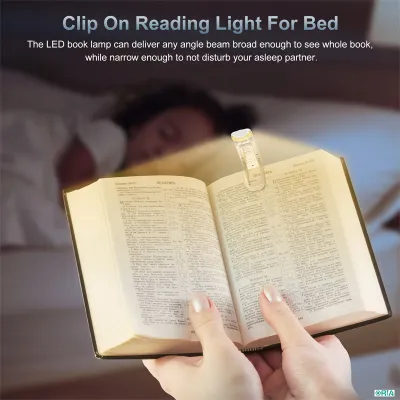
The primary mechanism for keeping light confined is the optical lens design. Standard flashlights and cheap reading lights often use simple convex lenses that scatter light in a wide flood pattern. For reading in a shared bed, look for lights featuring Total Internal Reflection (TIR) lenses or deeply recessed LEDs. These designs shape the light into a tight, defined cone, illuminating only the pages of your book while leaving the surrounding mattress in darkness.
Products mentioned in this guide
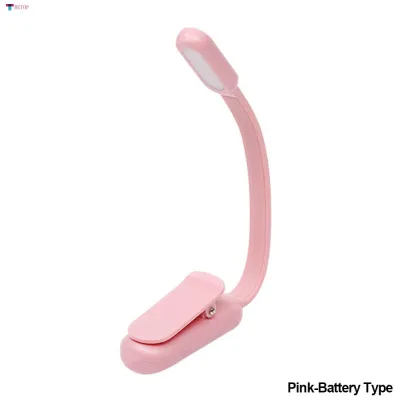
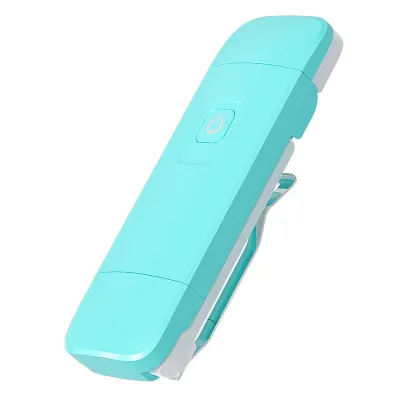
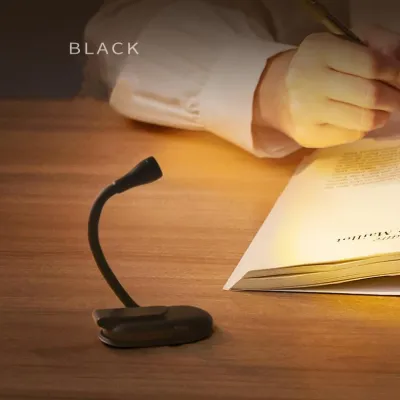
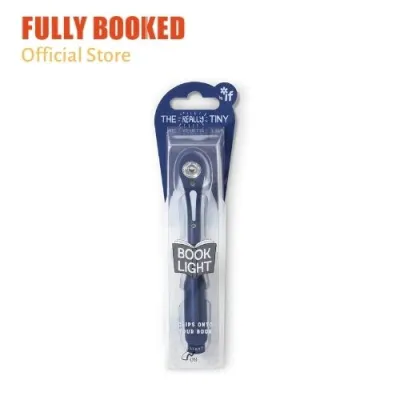
Prices are valid at publication and may change. Please refer to the product page for the latest price.
Brightness control is another critical factor. Many basic lights offer only one or two high-output settings that are far too bright for a pitch-black room. Opt for models with stepless dimming or at least three distinct brightness levels. The lowest setting should ideally emit less than 5 lumens. In a completely dark room, your eyes adapt quickly, and a very low light level is more than sufficient to read printed text clearly without casting a bright glow across the room.
Color temperature plays a significant role in both visual comfort and sleep hygiene. Cool white light (5000K to 6500K) contains high amounts of blue spectrum light, which can be highly disruptive to a sleeping partner if even a small amount spills over. Warm white (2700K to 3000K) or amber light (under 2000K) is much softer on the eyes. Amber light, in particular, minimizes blue light exposure, making it easier for you to wind down and ensuring any stray light is less likely to wake your partner.
Choose the Right Form Factor for Your Reading Posture
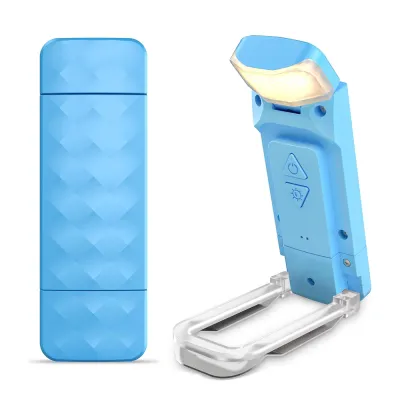
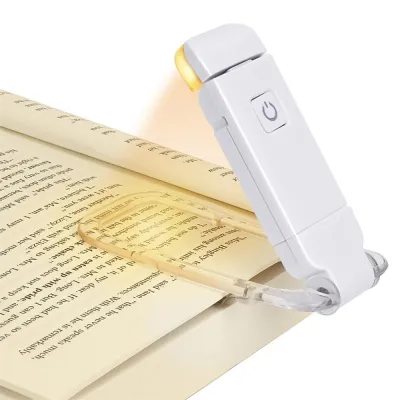
The physical design of your book light dictates how easily you can control the direction of the beam. Clip-on lights are a classic choice, attaching directly to the cover or pages of your book, or even to a headboard. When evaluating clip-on models, inspect the clamp mechanism. A strong spring-loaded clamp with non-slip silicone or rubber padding is essential to prevent the light from slipping off thin paperbacks or damaging delicate book covers.

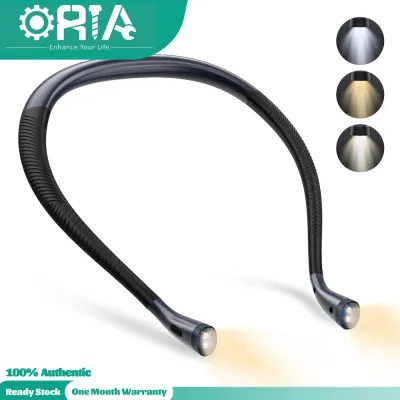
For those who prefer reading on their back or side, wearable neck lights offer an alternative. These devices rest comfortably around your neck, with flexible arms that you can bend to point the light heads precisely at your book. This design keeps the light source close to your chest, naturally shielding your partner from direct glare. However, consider the weight distribution; a neck light that is too heavy can become uncomfortable during long reading sessions, especially on warm, humid tropical nights.
Power sources are another key consideration for overnight convenience. Rechargeable models with built-in lithium-ion batteries are highly popular and environmentally friendly. Look for devices that charge via a standard USB-C port, which is highly compatible with the mobile phone chargers already present in most homes. If you live in an area prone to seasonal power interruptions or brownouts, having a reliable rechargeable light that can double as an emergency reading source is a practical bonus. Alternatively, replaceable AAA battery models offer the convenience of instant power without waiting for a charge, though they carry ongoing operating costs.
Read Specifications to Guarantee Zero Glare
When shopping on an online marketplace or at a local department store, reading the technical specifications carefully will help you avoid buying an unsuitable light. Look for manufacturers that specify the beam angle. A beam angle of 60 degrees or less is ideal for keeping the light concentrated on a standard book spread. Avoid any product labeled as a “floodlight” or “ambient light,” as these are designed to scatter light as widely as possible.
Check the lumen specifications of the device. A maximum output of 20 to 50 lumens is standard for reading, but the minimum output is what matters most for shared beds. If the manufacturer does not list a low-lumen mode (ideally 1 to 3 lumens), the light may be too intense for late-night use. Additionally, verify the electrical certification of rechargeable models, looking for safety marks such as CE, FCC, or local safety standards to ensure the internal charging circuitry is safe to plug into your household outlets.
Battery capacity is typically measured in milliampere-hours (mAh). A capacity of 1000mAh or more generally provides dozens of hours of illumination on the lowest setting, meaning you will not have to charge the device constantly. Look for models with clear battery life indicators, such as small LED lights near the power button, so you are never caught off guard by a sudden blackout mid-chapter. Quality reading lights typically range from ₱300 to ₱1,200 on local online marketplaces, making them an affordable investment for better sleep.
Position Your Light to Eliminate Stray Beams
Even the best book light can disturb your partner if it is positioned incorrectly. To minimize light bleed, always angle the light head so that the beam strikes the page at a downward angle, bouncing the light back toward your chest rather than outward into the room. Avoid pointing the light head directly toward your partner’s side of the bed.
You can also use physical barriers to your advantage. If you read in a bed equipped with a mosquito net, draping the net strategically can help diffuse and block stray light. Alternatively, positioning a thick pillow or a bolster between you and your partner creates a natural shadow barrier, ensuring that any residual light spill is completely blocked from reaching their eyes.
Finally, adjust your physical reading posture. Holding the book slightly closer to your body allows you to use a lower brightness setting effectively. By keeping the book angled slightly away from your partner, the pages themselves act as a shield, absorbing and blocking the light from traveling across the mattress.
Frequently Asked Questions (FAQ)
Can a regular desk lamp work as a book light in bed?
A standard desk lamp is generally unsuitable for reading in bed with a sleeping partner. Desk lamps typically use wide-angle bulbs designed to illuminate an entire workspace, which will inevitably flood the bedroom with light. They also require a stable bedside table, making it difficult to angle the beam precisely onto your pages without casting shadows or creating direct glare across the bed.
Is amber light really better for sleep than cool white light?
Yes, warm amber light is highly beneficial for nighttime reading. Cool white light contains blue wavelengths that signal to your brain that it is daytime, potentially disrupting your natural sleep cycle. Amber light lacks these blue wavelengths, providing a soft, relaxing glow that is gentle on your eyes and far less disruptive to a partner trying to sleep nearby.
How do I know if a clip-on light will fit my headboard?
To determine if a clip-on light will fit your headboard, measure the thickness of your headboard before purchasing. Most clip-on book lights have a maximum jaw opening of 1 to 1.5 inches (about 2.5 to 3.8 cm), which is ideal for books but often too narrow for thick wooden or upholstered headboards. If your headboard is thick, look for a light with an extra-wide clamp or consider a neck-worn model instead.
Community discussion
Share your experience or ask a question. Comments are reviewed before publication.