
Choosing a capiz shell Jesus Christ statue for your home altar requires balancing spiritual devotion with practical craftsmanship and spatial design. A home altar, or padasalan, serves as a peaceful sanctuary for daily prayer, reflection, and family gathering. Introducing a sacred image crafted from capiz shell adds a distinct, luminous quality to this space, but making the right choice involves understanding the material’s physical properties, selecting a depiction that aligns with your prayer life, and ensuring the statue is placed safely within your home environment.
To find the ideal statue, you must evaluate the scale of your altar, the ambient light in the room, and the structural quality of the hand-assembled shells. Unlike heavy plaster or stone, capiz is an organic, translucent material that interacts dynamically with light. By assessing these factors alongside proper safety and maintenance practices, you can select a devotional piece that will serve as a beautiful, lasting focal point for your spiritual practices.
Understanding Capiz Shell as a Devotional Material
Capiz shells are derived from the outer covering of the Placuna placenta, a marine bivalve mollusk native to the shallow coastal waters of the Philippines. For centuries, Filipino artisans have harvested, cleaned, and processed these shells, transforming them into delicate, translucent panes. When used in religious art, this material offers a unique pearlescent quality that cannot be replicated by synthetic resins or heavy stone. The natural variations in the shell ensure that no two statues are completely identical, giving your devotional space a highly personalized touch.
Products mentioned in this guide
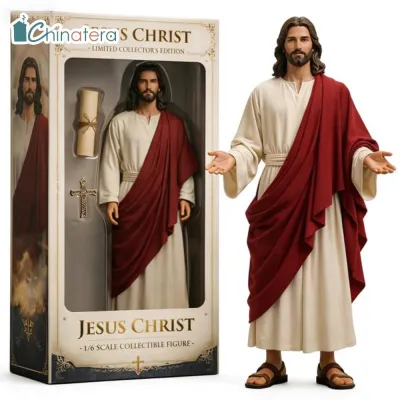
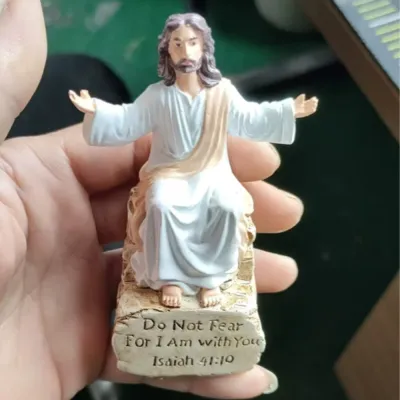

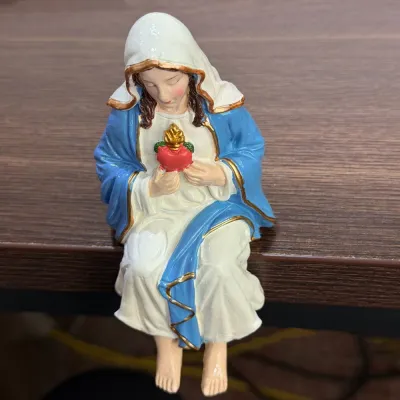
Prices are valid at publication and may change. Please refer to the product page for the latest price.
The most notable characteristic of capiz shell is its natural translucency. When light passes through the shell’s layered calcium carbonate structure, it diffuses into a soft, warm glow that creates a serene atmosphere highly conducive to prayer and meditation. This gentle illumination can make the sacred image appear almost radiant, especially when placed near a soft light source. Unlike opaque materials that absorb light, capiz reflects and transmits it, changing in appearance throughout the day as the room’s natural light shifts.
However, this organic origin means that capiz shell is inherently delicate and lightweight. It lacks the structural density of solid wood, marble, or plaster, making it susceptible to physical damage if mishandled or subjected to sudden impacts. The shells are typically cut into precise shapes and bound together using thin metal frames, often made of brass or lead solder. Understanding this delicate balance between ethereal beauty and structural fragility is essential before incorporating a capiz statue into your daily devotional routine.
Selecting the Right Depiction for Your Spiritual Focus
When choosing a jesus christ statue made of capiz shell, the specific iconographic depiction should mirror your personal spiritual focus or your family’s devotional tradition. Different postures, gestures, and symbols emphasize distinct aspects of Christ’s life and teachings, helping to direct your thoughts during prayer.

The Sacred Heart of Jesus (Sagrado Corazon)
This depiction emphasizes Christ’s boundless love, compassion, and humanity. In capiz form, the flames and crown of thorns surrounding the heart are often highlighted with delicate metalwork or subtle color tints. The natural translucency of the shell can be particularly effective here, as a soft light placed behind or within the statue can make the sacred heart appear to glow from within, symbolizing the warmth of divine love.
The Divine Mercy (Señor de la Divina Misericordia)
Focusing on the message of forgiveness and trust, this depiction features Jesus with His right hand raised in blessing and His left hand pointing to His heart, from which red and pale rays emerge. Capiz artisans often use tinted shell pieces or intricate leaded lines to represent these rays. A capiz Divine Mercy statue serves as an excellent focal point for afternoon prayers or the Chaplet, with the shell’s natural shimmer beautifully capturing the concept of divine light streaming into the world.
Christ the Good Shepherd or Teacher
These depictions present a more serene, comforting image of Jesus, often holding a lamb or a sacred book. The soft, organic texture of capiz shell complements these gentle themes perfectly. The pearlescent white and cream tones of the natural shell convey a sense of peace, humility, and protection, making it a soothing presence for family altars where children gather for evening prayers.
The Santo Niño
Deeply rooted in local historical devotion, the image of the Infant Jesus as a king is a staple in many households. A capiz shell Santo Niño often features highly detailed robes and a crown crafted from layered shells. The reflective properties of the material give the regal vestments a shimmering, majestic appearance that stands out prominently even on a crowded altar shelf.
Sizing and Proportions for Your Altar Space
Before purchasing a statue, you must carefully measure your altar space to ensure the piece fits harmoniously without overcrowding or being dwarfed by other elements. A cramped altar can feel visually chaotic, which detracts from the quiet focus needed for prayer.
Measuring Your Altar Space
- Height Clearance: Measure the distance from the altar surface to the underside of any shelves, hanging crucifixes, or ceiling beams. Be sure to leave at least 5 to 10 centimeters of empty space above the top of the statue’s halo or crown to prevent a cramped appearance.
- Surface Depth: Ensure the tabletop or shelf is deep enough to accommodate the statue's base securely, leaving ample room in front for small offerings, rosaries, or prayer books.
- Width and Lateral Clearance: Consider the width of the statue's hands or robes. There should be enough clearance on either side so the statue does not press against walls, picture frames, or other sacred images.
- Visual Weight and Balance: Capiz shell has a much lighter "visual weight" than dark wood or heavy plaster. Because it is translucent and light-colored, a larger capiz statue (e.g., 30 to 40 centimeters tall) can sit on a medium-sized altar without looking overly dominant. If you have a smaller prayer corner, a modest 15-to-20-centimeter statue will provide a delicate, elegant focal point without taking up precious space needed for other devotional items.
Layering with Other Altar Elements
To maintain a respectful and balanced layout, organize your altar in layers. Place your capiz Jesus statue in the center as the primary focal point. If you also have a wall-mounted crucifix, position the statue slightly below and in front of it. Keep secondary items, such as candle holders, small flower vases containing fresh blooms, and rosary boxes, to the sides or slightly forward. This arrangement ensures that the light-catching qualities of the capiz shell remain the central visual element when you sit down to pray.
Safety and Placement Around Altar Candles
Because capiz shell is an organic material held together by heat-sensitive adhesives or soldered metal frames, safety must be your top priority when designing your altar layout. Traditional devotional practices often involve open flames and burning incense, both of which pose specific risks to capiz art.
Thermal Sensitivity and Fire Prevention
Capiz shells consist primarily of calcium carbonate bound by organic proteins, which can scorch, discolor, or crack when exposed to high heat. Furthermore, the solder used to join the shell panels has a relatively low melting point. Placing a capiz statue too close to active votive candles, tealights, or oil lamps can melt the binding joints, causing the statue to warp or collapse.
To prevent damage and fire hazards, maintain a strict minimum clearance of 30 centimeters (approximately 12 inches) between your capiz statue and any open flame or active incense burner. Never place candles directly underneath or immediately beside the statue. The rising heat and soot from burning candles can quickly coat the porous shell surface, leaving permanent dark stains that are incredibly difficult to clean without damaging the material.
Sun Exposure and Environmental Factors
While capiz shell looks beautiful when illuminated, placing it in direct, harsh tropical sunlight can cause long-term damage. Prolonged exposure to intense ultraviolet (UV) rays will dry out the organic proteins within the shell, causing it to turn yellow, lose its pearlescent luster, and become brittle over time. Position your altar away from windows that receive direct afternoon sun, or use sheer curtains to diffuse the incoming light.
Additionally, high humidity levels can affect the metal framework holding the shells together. In tropical climates, brass or lead solder can tarnish or oxidize if exposed to constant moisture. Ensure your altar room has adequate ventilation, and avoid placing the statue directly in the path of humid drafts or damp walls.
Electrical Safety for Backlit Statues
Some modern capiz statues feature integrated internal lighting or are designed to be backlit by small lamps to highlight their translucency. If your statue uses electrical components, you must verify several safety specifications before plugging it in:
- Voltage Compatibility: Ensure the lighting element is rated for the standard voltage of your home (typically 220V in the Philippines).
- Wattage Limits: Use only low-wattage LED bulbs. Traditional incandescent bulbs generate significant heat, which can warp the shell panels and melt internal adhesives over time. LEDs run cool and are far safer for delicate organic materials.
- Electrical Certification: Look for safety certification marks (such as the PS mark or ICC sticker) on the plug, cord, and light fixture to ensure the electrical components meet local safety standards.
- Power Isolation: Always isolate the power supply by unplugging the cord from the wall outlet before moving, adjusting, or cleaning the statue. Never handle electrical components with damp hands.
Inspecting Craftsmanship and Quality Before Buying
Whether you are shopping at a local devotional craft store, an artisanal market, or browsing an online marketplace, conducting a thorough quality inspection will ensure you purchase a piece that is both beautiful and structurally sound.
Key Inspection Points
- Edge Finish: Examine the edges of the individual shell pieces. They should be smoothly cut and filed, fitting snugly within their metal frames. Sharp, jagged, or poorly aligned edges indicate rushed craftsmanship and can catch on altar cloths or scratch your hands during handling.
- Adhesion and Framing: Inspect the solder lines or adhesive joints. The metal borders should be uniform and continuous, with no visible gaps, loose wires, or weak points. Gently touch the panels to ensure the shells are firmly anchored to the underlying frame (which is typically made of thin wire, wood, or resin).
- Shell Clarity and Uniformity: Hold the statue up to a light source to check the quality of the capiz. While natural variations, subtle grain lines, and minor color shifts are normal and desirable, look out for large cloudy patches, deep hairline cracks, or dark, irregular stains that could compromise the shell's structural integrity over time.
- Base Stability: Place the statue on a completely flat, level surface. It should stand firmly without wobbling. A top-heavy or uneven base increases the risk of the statue tipping over, which can easily shatter the delicate shell panels. If the statue is light, check if the base is weighted or has non-slip felt padding on the bottom.
Shopping in Online Marketplaces
If you are purchasing your statue through an online marketplace, you cannot inspect the physical item beforehand. In this scenario, protect your purchase by taking the following steps:
- Request Real-Time Photos: Ask the seller to provide close-up photos or a short video of the exact statue they plan to ship, preferably taken under natural daylight and with a light source behind it.
- Verify Packaging Standards: Capiz is highly fragile and can easily crack during transit. Confirm with the seller that they will use robust packaging, such as thick bubble wrap, sturdy double-walled cardboard boxes, or custom wooden crates to protect the item during shipping.
- Review Return Policies: Carefully read the platform's return and refund policies regarding fragile items damaged during delivery. Ensure you take an unboxing video as proof of condition immediately upon receiving the package.
Frequently Asked Questions (FAQ)
How do I clean a capiz shell Jesus statue without damaging it?
To clean your capiz statue safely, start by gently dusting the surface with a soft, dry microfiber cloth or a clean, soft-bristled makeup brush to remove loose dust and soot. If there are stubborn spots or sticky residues, wipe them gently with a slightly damp cloth using plain, lukewarm water. Immediately dry the area with a clean towel to prevent water spots or moisture from oxidizing the metal joints. Never use harsh chemical cleaners, window sprays, acidic solutions, or abrasive scrubbing pads, as these will permanently strip away the shell’s natural pearlescent finish and degrade the protective clear coat.
Can I place a capiz shell statue in an outdoor garden shrine?
It is strongly advised to keep capiz shell statues strictly indoors. Capiz is an organic material that cannot withstand the harsh outdoor elements. Continuous exposure to heavy tropical rain, high humidity, fluctuating temperatures, and direct UV rays will rapidly degrade the shell, causing it to turn yellow, crack, and lose its structural integrity. Furthermore, moisture will corrode the metal solder and wire frames, leading to structural failure. For outdoor garden shrines, opt for durable, weather-resistant materials like stone, concrete, or treated outdoor resins, and save your delicate capiz statue for your indoor home altar.
Community discussion
Share your experience or ask a question. Comments are reviewed before publication.