
Finding a replacement stand for your artificial Christmas tree requires three critical physical measurements: the outer diameter of the bottom pole, the insertion length before the first obstruction, and the specific locking mechanism used to secure the tree. Relying on generic “universal” labels often leads to unstable setups or stands that simply will not fit. By taking precise measurements in millimeters, you can confidently select a replacement base that keeps your holiday centerpiece upright, secure, and perfectly balanced throughout the festive season.
Why Exact Measurements Matter for Artificial Trees
Real tree stands are designed to hold organic trunks of varying shapes. They typically feature wide water reservoirs, heavy-gauge adjustable eye-bolts, or sharp metal spikes at the bottom to bite into raw wood. These mechanisms are completely incompatible with the hollow, uniform metal or plastic poles of artificial trees. An artificial tree relies on a precise, snug sleeve-like fit where the pole slides directly into a metal or plastic tube.
Many replacement stands sold on online marketplaces are marketed as “universal.” However, in the manufacturing of artificial holiday decor, there is no single industry standard for pole thickness. Common outer diameters range from 1.25 inches to over 2 inches, with metric variations that differ by mere millimeters. A discrepancy of even one millimeter can mean the pole will not slide into the stand, or conversely, will wobble precariously once inside.
Products mentioned in this guide
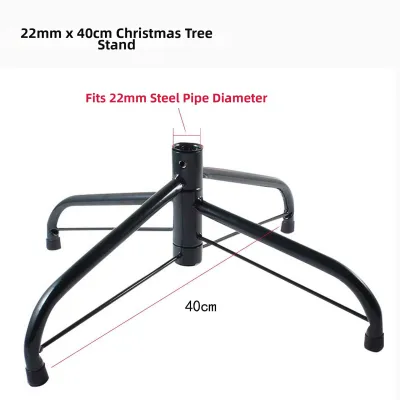
1 Lazada user ratings
fits our Christmas tree. sturdier than the original stand that came with our tree.
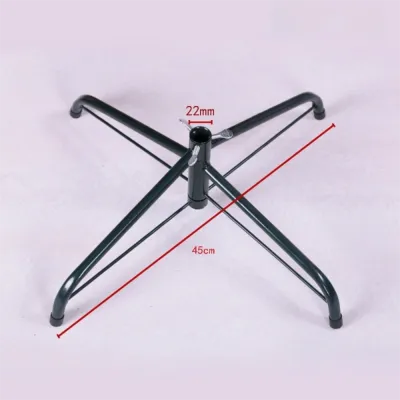
32 Lazada user ratings
Fits multiple tree sizes, Durable iron material, Easy to store and carry, Sturdy metal construction, Sturdy metal construction,
🛠️Durability:mukhang matibay 👌Ease of Use:madali ikabit 🎨Design:tama ang napili kong size 🔧Material:maayos ang ginamit na bakal
Perfect for artificial trees, Sturdy metal construction,
thank you po matibay at maganda yung item
Perfect for artificial trees,
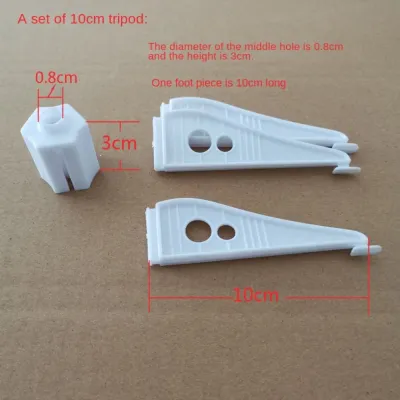
11 Lazada user ratings
👌Ease of Use:good
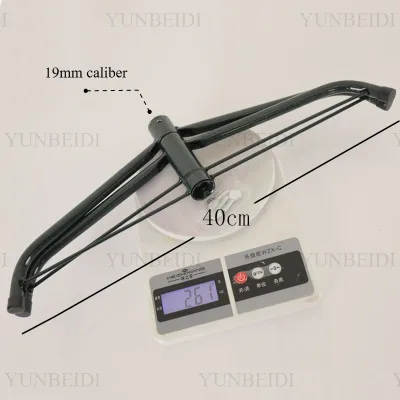
5 Lazada user ratings
Good purchase
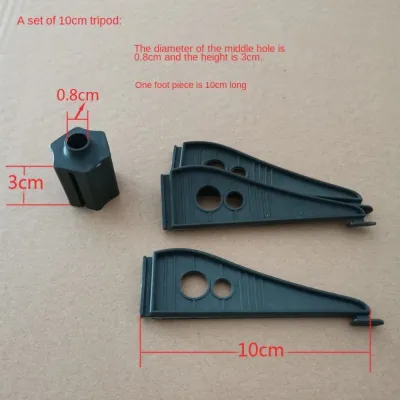
2 Lazada user ratings
Perfect for Christmas decor, Easy to assemble, Durable plastic base, medyo malaki lng kesa s gusto kung sukat
🛠️Durability: 10 👌Ease of Use: 10 🎨Design: 10 🔧Material: 10
Prices are valid at publication and may change. Please refer to the product page for the latest price.
Before you begin handling the physical parts, check the original manufacturer’s manual or specification sheet if you still have it. Some brands list the exact pole diameter and stand requirements in the technical specifications. If the documentation is unavailable, physical measurement is the only reliable path to verify compatibility before making a purchase.
Tools You Need to Measure Your Tree Pole
To obtain measurements precise enough to guarantee a match, you will need a few basic household and workshop tools. A digital caliper is the most highly recommended tool for this task. Calipers allow you to measure the outer diameter of a cylindrical pole down to a fraction of a millimeter, eliminating the guesswork of trying to align a flat ruler across a curved surface.

If you do not own calipers, a flexible sewing measuring tape is an excellent alternative. You can wrap this tape tightly around the circumference of the pole and use a simple mathematical formula to calculate the diameter.
For measuring vertical depth and length, a standard rigid ruler or a retractable metal tape measure is ideal. These tools provide a straight, unyielding edge to measure the distance from the bottom of the pole to the nearest obstruction.
Finally, keep a small flashlight nearby. A flashlight is invaluable for peering inside the receiver tube of your old stand or inspecting the bottom of the tree pole to identify internal locking pins, notches, or electrical connection paths.
Step-by-Step Guide to Measuring the Tree Pole and Connector
Before taking any measurements, prepare a safe workspace. Lay the bottom section of your artificial tree horizontally on a clean, flat surface like a carpeted floor or a large table. Alternatively, have a helper hold the section firmly upright to prevent it from tipping over and damaging the delicate branches, hinges, or integrated wiring.
If your tree is pre-lit and features an “instant-connect” power pole where electrical currents pass directly through the central column, always isolate the power first. Unplug the tree from the wall outlet and ensure no electrical current is active before touching or measuring the metal connectors. If you are replacing a rotating stand that includes integrated electrical outlets, verify the voltage, wattage limits, and electrical certification labels on both the old and new units to prevent electrical hazards.
As you proceed, record every measurement in millimeters. While some product listings use inches, manufacturers of replacement parts frequently use metric specifications for precision. Having both units written down will make your online search much easier.
Measuring the Pole Diameter
To find the outer diameter of the bottom pole, place the jaws of your digital caliper flat against the outer metal surface of the lowest section. Ensure you are measuring the main structural pole itself, not a decorative plastic cap or a flared end piece.
If you are using a flexible measuring tape, wrap it snugly around the circumference of the pole. Note the exact measurement in millimeters, then divide that number by 3.1416 (Pi) to calculate the outer diameter. For example, a circumference of approximately 100 millimeters indicates a pole diameter of roughly 31.8 millimeters (or 1.25 inches).
Take multiple measurements at different points along the bottom three inches of the pole, rotating your tool slightly each time. Manufacturing tolerances can sometimes result in slightly oval or imperfectly round poles. Additionally, make sure you are measuring the main pole that inserts into the stand, rather than the smaller connector pins used to join the upper sections of the tree together.
Determining the Insertion Length
The insertion length is the depth to which the pole must slide into the replacement stand’s collar to remain stable. To find this, look for the first physical obstruction on the bottom pole. This is typically the lowest branch tier, a metal hinge bracket, or a decorative plastic collar.
Place your rigid ruler or tape measure at the very bottom edge of the pole and measure vertically up to this first obstruction. This distance represents the maximum depth the pole can penetrate into a stand.
When shopping for a replacement, the receiver tube of the new stand must have an inner depth that is equal to or slightly shorter than this insertion length. If the stand’s tube is too deep, the lowest branches of your tree will hit the top of the stand collar, preventing the pole from bottoming out securely and causing the tree to lean.
Identifying the Locking Mechanism
A secure stand does not just hold the pole; it locks it in place to prevent twisting or tilting. Inspect the bottom of your tree pole and your old stand to identify how they lock together. The most common mechanism is a set of three thumb screws that tighten directly against the metal pole.
If your original setup used thumb screws, check if the bottom of the tree pole has a reinforced collar, a flat spot, or pre-drilled holes designed to receive the screws. Note the vertical distance from the bottom of the pole to where these screws must make contact.
Other trees utilize a keyway system, where a small notch or groove on the pole must align with a matching pin inside the stand’s receiver tube. Some modern quick-set trees feature a push-button lock or a threaded collar that screws directly onto the base. Identifying these specific design elements ensures you do not buy a simple friction-fit stand when your tree requires a mechanical lock to stay upright.
Verifying Compatibility Before You Buy
Once you have gathered your measurements, it is time to cross-reference them with potential replacement stands. The most critical check is comparing your pole’s outer diameter to the stand’s listed inner tube diameter. The inner diameter of the stand’s receiver tube must be slightly larger than your pole’s outer diameter—ideally by no more than 0.5 to 1 millimeter—to ensure a snug fit without forcing.
Do not overlook the physical dimensions and weight capacity of the stand itself. A stand might have the correct tube diameter but be designed only for a 4-foot tree. If your tree is 7.5 feet or taller, verify that the replacement stand’s base width and weight capacity are rated to support the height and bulk of your specific model. A wider base provides the necessary leverage to prevent tipping.
When browsing online marketplaces, look past generic product titles. Scroll down to the detailed product specifications, technical diagrams, and user question-and-answer sections. Often, other buyers will have asked about specific pole sizes, providing valuable real-world confirmation of whether the stand fits your particular brand of tree.
What to Do If You Cannot Find an Exact Match
If your measurements do not align perfectly with standard replacement stands, you still have safe options. For a pole that is slightly too small for a replacement stand’s tube, you can use commercially available plastic or rubber adapter sleeves. These sleeves slide over your pole to increase its effective outer diameter, ensuring a tight fit inside the stand’s collar.
Alternatively, you can contact the original manufacturer of your tree or authorized holiday decor dealers in the Philippines to inquire about official spare parts. Many major brands maintain inventories of replacement bases specifically designed for their older models.
However, safety must remain your top priority. Never attempt to drill new holes into the metal tree pole, grind down the metal to make it fit a smaller stand, or use unstable makeshift shims like folded cardboard or loose paper. Altering the structural integrity of the pole or using insecure supports can lead to a sudden collapse, risking damage to your home, integrated electrical wiring, and delicate ornaments.
Frequently Asked Questions (FAQ)
Can I use a real tree stand for an artificial Christmas tree?
No, using a real tree stand for an artificial tree is highly discouraged and generally unsafe. Real tree stands are designed with wide, open water basins and sharp metal spikes or large, coarse bolts meant to bite into soft, organic wood. Artificial tree poles are narrow, smooth, and hollow, meaning the spikes or bolts of a real tree stand will not be able to grip the metal surface securely. This lack of a precise mechanical fit allows the pole to slide, tilt, or slip out entirely, creating a severe tipping hazard.
What if my tree pole is slightly smaller than the replacement stand tube?
If the replacement stand’s tube is only slightly larger than your tree pole (by 1 to 3 millimeters), you can stabilize the fit using non-damaging shims. Wrapping a uniform layer of heavy-duty silicone tape or inserting a rigid rubber sleeve around the bottom of the pole can bridge the gap and center the tree. However, you must ensure that the stand’s locking mechanism—such as the tightening thumb screws—can still pass through the shim to engage and lock the metal pole securely in place. If the gap is wider than a few millimeters, do not attempt to shim it; instead, source a stand with a matching inner diameter.
Community discussion
Share your experience or ask a question. Comments are reviewed before publication.