
Choosing the right corner lamp for a reading corner requires balancing spatial constraints, adjustable task lighting, and proper bulb compatibility while ensuring the design fits your room’s aesthetic and safety needs. A well-chosen lamp bridges the gap between general ambient lighting and focused task lighting, transforming an underutilized corner into a cozy, functional retreat. By focusing on practical measurements, light control, and structural stability, you can find a fixture that prevents eye strain and enhances your reading experience.
To make an informed decision, you must evaluate how the lamp interacts with your physical space, your seating, and your daily reading habits. This guide breaks down the essential steps to select, verify, and position the ideal corner floor lamp for your home.
Assess Your Reading Corner's Layout and Power Access
Evaluating the physical space and electrical layout of your room is the essential first step before purchasing any lighting fixture. Many homes feature compact living spaces or specific furniture arrangements where every square centimeter counts. A bulky lamp base can easily crowd out an armchair or block a natural walkway, making the corner feel cramped rather than cozy. Measuring the exact floor clearance around your reading chair ensures you select a base footprint that fits comfortably without overlapping furniture legs.
Products mentioned in this guide
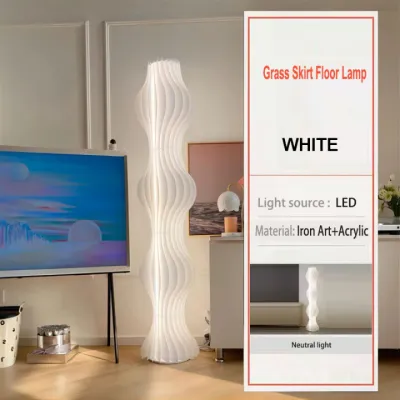
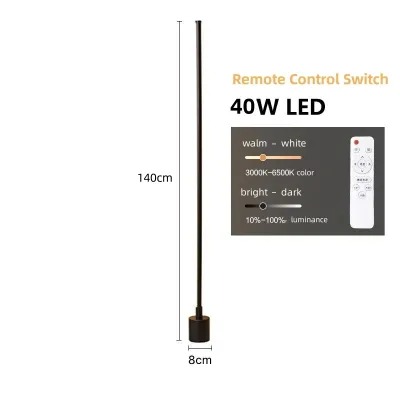
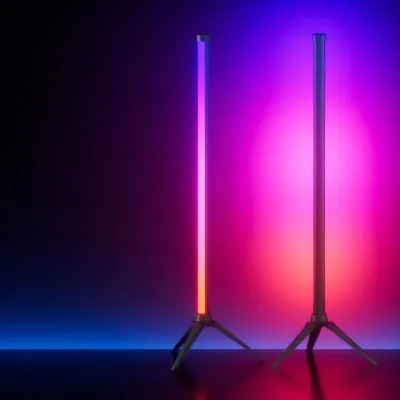
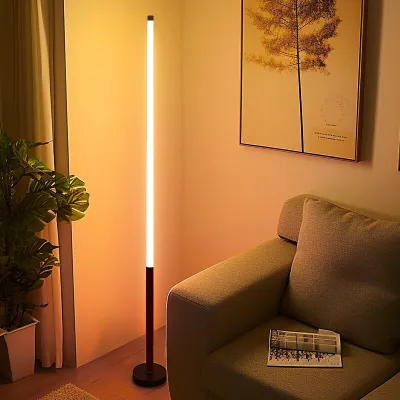
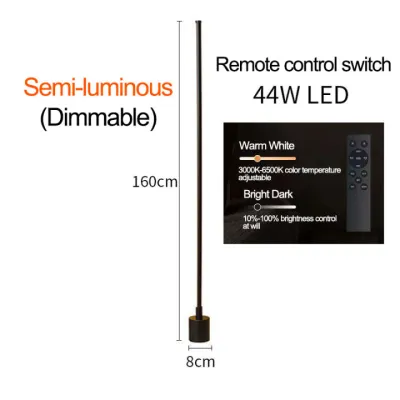
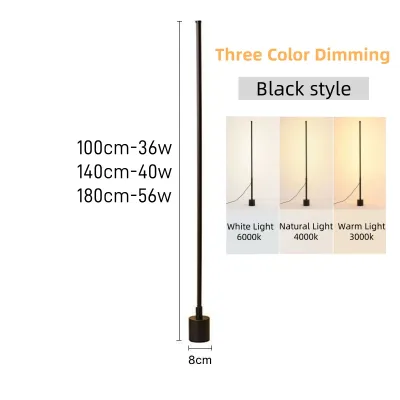
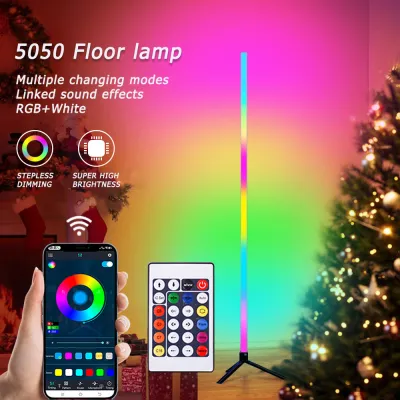
Prices are valid at publication and may change. Please refer to the product page for the latest price.
Next, locate the nearest electrical outlets to plan your cord routing. In many homes, concrete wall construction limits the number of available outlets, and adding new ones can be a difficult, costly task. Relying on long extension cords is highly discouraged, as they create unsightly clutter and present serious tripping hazards. Measure the distance from the outlet to your planned reading spot to ensure the lamp’s built-in cord can reach safely while remaining flat against the wall or tucked neatly behind furniture.
Finally, look upward to check for any overhead obstructions that might limit the lamp’s height or movement. Low ceilings, wall-mounted air conditioning units, floating shelves, or nearby window valances can restrict where a tall lamp can stand. If you are considering an arc lamp or a model with a wide swing arm, make sure the arm has enough clearance to rotate freely without hitting adjacent walls, shelving, or the path of a ceiling fan.
Determine the Ideal Height and Light Direction
To read comfortably without eye strain, the lamp must deliver light directly onto your page without shining into your eyes. The relationship between the lamp’s overall height and your seated eye level is critical. When you are sitting in your favorite reading chair, the bottom of the lamp shade should ideally align near your shoulder height. If the shade is too high, the exposed bulb will create a harsh glare in your peripheral vision; if it is too low, the light spread will be too narrow to illuminate your book properly.

Adjustable features offer the flexibility needed to customize your lighting setup for different reading positions. Look for corner lamps with swing arms, goosenecks, or telescoping poles that allow you to modify the light angle on the fly. A flexible gooseneck lets you bend the light close for fine print, while a swing arm can extend over your shoulder when you lean back and retract when you sit upright.
Shade design plays a major role in directing light where it is needed most. For dedicated reading, choose a lamp with an opaque or semi-opaque shade that channels the light downward. Metal, thick fabric, or dense plastic shades prevent light from scattering sideways into the rest of the room, focusing a clean beam directly onto your reading material. Avoid completely translucent glass globes or paper shades for primary reading tasks, as they diffuse light in all directions rather than concentrating it downward.
Evaluate Brightness and Bulb Compatibility
Ensuring your lamp provides comfortable, adjustable illumination requires a close look at the fixture’s electrical specifications. Always verify the standard voltage and base type of the lamp before purchasing. In the Philippines, the standard household voltage is 220V at 60Hz, so ensure both the fixture and the bulbs you select are rated for this standard. The most common socket sizes are E27 and E14; matching the bulb base to the socket is essential for a secure, safe connection.
Never exceed the manufacturer’s maximum wattage limit specified on the lamp’s safety label. Overloading a fixture with a high-wattage bulb can cause excessive heat buildup, damaging the socket, wiring, or shade. If you prefer high brightness, energy-efficient LED bulbs are an excellent choice because they deliver high light output while drawing very little wattage and generating minimal heat.
For maximum comfort, look for lamps with built-in dimming features or compatibility with external dimmer switches. Being able to adjust the brightness allows you to transition from bright, focused daytime reading to a softer, warmer glow in the evening. Keep in mind that if you plan to use LED bulbs, they must be explicitly labeled as dimmable to work properly with a dimming switch without flickering or buzzing.
When reviewing manufacturer specifications, focus on lumens rather than wattage to determine actual brightness. For comfortable reading, a light output of 450 to 800 lumens is generally recommended. This range provides sufficient clarity for text without causing glare on white pages or digital screens.
Match the Lamp Style to Your Room's Decor
While functionality is paramount, your corner lamp should also complement your existing interior design. The key is to balance aesthetic preferences with practical structural stability. A highly decorative, top-heavy lamp might look stunning, but if the base is too light or narrow, it will wobble easily. Ensure that any stylish design you choose maintains a heavy, solid base that keeps the fixture anchored firmly to the floor.
Consider the visual weight and profile of the lamp to ensure it fits the scale of your room. A minimalist, slender metal pole lamp works beautifully in small corners or modern apartments, as it occupies very little visual space. Conversely, a large arc lamp with a heavy marble base requires a spacious room with high ceilings to avoid overwhelming the surrounding furniture.
Materials, finishes, and colors should align with your room’s existing palette and environmental conditions. In tropical climates with high humidity, metal finishes should be powder-coated or treated to resist rust and corrosion over time. If you choose a fabric shade, opt for tightly woven, durable materials that are easy to dust and clean, as open windows can introduce dust and moisture that might stain delicate paper or silk shades.
Verify Safety, Stability, and Installation Requirements
Safety is a critical consideration for any electrical appliance placed in a high-traffic living area. A stable, heavy base is essential to prevent the lamp from tipping over, especially in active households with children or pets. When shopping, check the product specifications for the total weight of the base; a heavier base lowers the center of gravity, making the lamp much more resilient to accidental bumps.
Cord management is another vital safety factor. Keep the power cord flat against the floor and route it away from walking paths to prevent tripping. Some lamps feature built-in cord clips or hollow poles that allow you to route the wire cleanly down to the base. If the cord must cross a small section of open floor, use a low-profile rubber cord cover to secure it safely.
Always read and follow the manufacturer’s safety instructions regarding heat clearance. Even energy-efficient bulbs generate some heat, so ensure the lamp shade is positioned a safe distance away from curtains, wooden walls, and flammable upholstery. Proper ventilation around the top of the shade is necessary to allow heat to dissipate naturally, preventing damage to the fixture and reducing safety risks.
Build Your Shortlist and Finalize the Purchase
To make your final decision, synthesize your spatial, functional, and aesthetic requirements into a practical comparison. Create a simple checklist of your top choices, comparing their adjustability, bulb compatibility, base stability, and overall dimensions. This structured approach helps you identify which model offers the best balance of features for your specific reading corner.
Before checking out, verify the retailer’s return policies, warranty terms, and assembly requirements. Some floor lamps arrive in multiple pieces and require basic tools for assembly, while others come fully put together. Ensure the retailer offers a clear return window in case the lamp’s height or light direction does not work as expected once placed in your actual room.
Set a realistic budget in Philippine Pesos (₱) that reflects the quality and safety features you need. While budget-friendly options are widely available, investing a bit more in a lamp with a heavy, stable base, certified electrical components, and robust adjustability is a wise decision. Prioritizing safety and build quality ensures your reading corner remains a comfortable, well-lit sanctuary for years to come.
Frequently Asked Questions (FAQ)
Can I use a smart bulb in any corner floor lamp?
You can use a smart bulb in most corner floor lamps, provided you verify a few technical compatibility details first. Smart bulbs require a constant, uninterrupted flow of electricity to maintain their wireless connection to your home network. Because of this, they are highly compatible with lamps that feature simple, mechanical on/off switches, such as foot pedals or inline cord toggles.
However, you should avoid using smart bulbs in lamps with built-in rotary dimmers, touch-sensitive switches, or multi-way three-pole switches. The dimming circuitry in these fixtures can restrict voltage to the bulb, which can damage the smart bulb’s internal electronics and cause flickering or connectivity drops. Additionally, check the physical dimensions of the shade to ensure the smart bulb, which is often slightly larger than standard bulbs, has enough physical clearance and airflow to prevent heat buildup.
How far should the corner lamp be placed from my reading chair?
For the most comfortable reading experience, place your corner lamp slightly behind and to the side of your reading chair, roughly 50 to 90 centimeters away from your seated shoulder. This positioning allows the light to cast downward over your shoulder directly onto your book or tablet. Placing the lamp in this zone prevents your head, hands, or the back of the chair from casting distracting shadows across your reading material.
Before finalizing your furniture layout, sit in the chair and test the light spread at different times of day. Adjust the distance and shade angle to ensure the light does not reflect harshly off glossy book pages or create a distracting glare on digital screens. Finding the right balance between proximity and angle ensures a perfectly illuminated, glare-free reading environment.
Community discussion
Share your experience or ask a question. Comments are reviewed before publication.