
Choosing a customizable Santa Claus LED sign for your condo involves balancing festive aesthetics with the practical realities of high-density urban living. To make the right choice, you must evaluate your available wall or window space, verify electrical specifications for local outlets, and select materials that resist the humid tropical climate. By focusing on these core factors, you can secure a vibrant holiday centerpiece that fits your layout perfectly without violating building guidelines.
Quick Guide to Choosing a Custom Santa LED Sign
To select the ideal custom Santa Claus LED sign, start by measuring your intended display area to ensure the sign does not overwhelm your living room or block pathways. A rapid assessment of your wall or shelf dimensions prevents you from ordering a display that crowds your existing holiday decor.
Next, work closely with your chosen manufacturer to review digital design proofs, checking that the colors, fonts, and custom text align with your holiday theme. This step ensures the final product matches your expectations before it goes into production.
Products mentioned in this guide
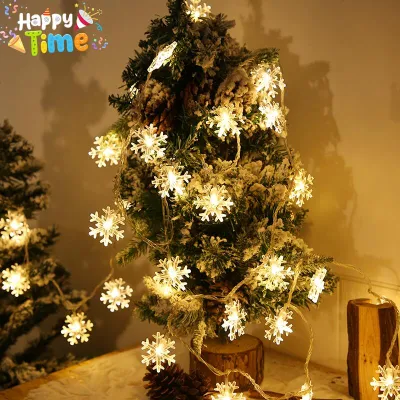
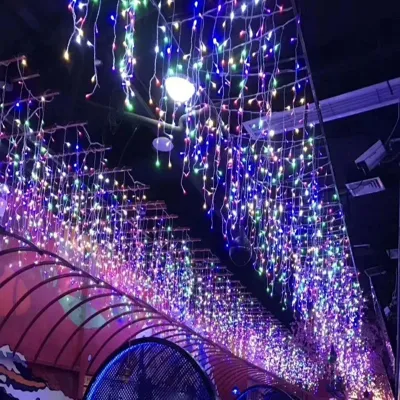
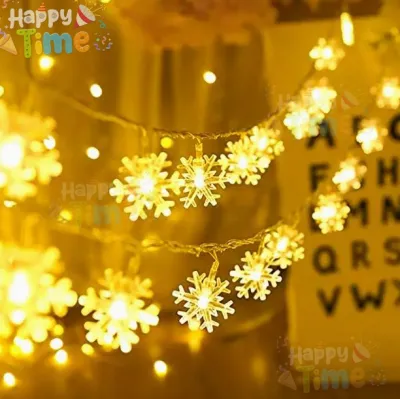
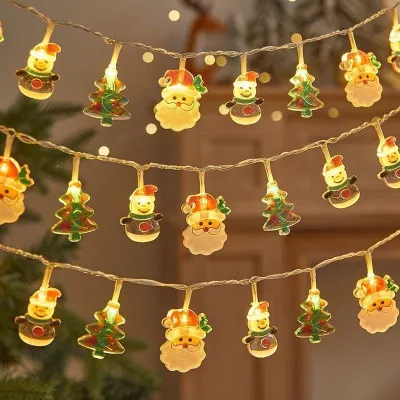
Prices are valid at publication and may change. Please refer to the product page for the latest price.
Finally, verify that the sign’s power adapter is rated for the standard local voltage and that your installation method complies with your condominium’s tenant or homeowner policies regarding wall alterations. Opting for damage-free mounting solutions keeps your setup safe and hassle-free.
Measuring Your Condo Space for the Right Sign Size
Condo living in the Philippines often requires maximizing multi-functional spaces, meaning every square inch of holiday decor must be carefully planned. Before browsing online marketplaces or local custom shops, use a physical measuring tape to map out the exact boundaries of your target wall, window, or shelf. Remember to leave a buffer of at least ten to fifteen centimeters on all sides of the sign so the display does not look cramped next to existing furniture, curtains, or shelving units.

Viewing distance is another critical factor in compact layouts. A massive, ultra-bright sign that looks spectacular in a spacious suburban house can easily cause eye strain or unwanted glare in a cozy studio or one-bedroom condo. As a general rule, a sign measuring forty to sixty centimeters in width is highly visible and legible from across a typical condo living room without dominating the entire visual field.
Do not forget to trace the path of the power cord. Measure the distance from your desired mounting spot to the nearest wall outlet, keeping in mind that custom LED signs usually come with a power adapter cord of a specific length. Relying on daisy-chained extension cords or letting cables drape across high-traffic walkways creates a serious tripping hazard and looks untidy. Plan for a clean, direct run down the wall or behind furniture to keep your holiday setup safe and visually seamless.
Exploring Customization and Design Options
Customizing your Santa Claus LED sign allows you to tailor the holiday cheer to your specific interior design style. One of the first decisions you will face is selecting the right color temperature and palette. Warm white and soft yellow tones evoke a classic, cozy, and nostalgic Christmas ambiance that pairs beautifully with traditional wooden furniture and warm-toned fabrics. On the other hand, vibrant multicolor setups featuring bright reds, greens, and cool whites deliver a modern, energetic festive energy that stands out dramatically against neutral or minimalist condo walls.
Adding personalized text—such as your family name, a warm “Maligayang Pasko,” or a classic “Ho Ho Ho”—adds a unique touch to the display. When selecting fonts for your custom text, prioritize legibility over overly intricate cursive styles. Script fonts with very thin lines can become blurry or difficult to read when the LEDs are illuminated, especially from a distance. Opt for bold, clean, or moderately stylized fonts that maintain their shape and clarity even at high brightness levels.
The acrylic backing of your LED sign also plays a major role in its overall footprint and aesthetic. Manufacturers typically offer two main styles: “cut-to-shape” (where the acrylic backing closely mirrors the outline of the Santa design) and “whole-board” (where the design is mounted on a solid rectangular or circular acrylic sheet). For compact condo spaces, a cut-to-shape backing is generally preferred because it minimizes excess plastic, reduces the overall weight of the sign, and allows your wall color to show through, creating a cleaner and more integrated look.
Comparing LED Neon Flex and Traditional Bulb Designs
When shopping for a Santa Claus LED sign, you will primarily choose between modern LED neon flex and traditional bulb-based designs. LED neon flex utilizes flexible silicone or PVC tubing packed with high-density light-emitting diodes. This construction offers exceptional shatter resistance and durability, making it an excellent choice for busy households, pet owners, or homes with young children. Unlike traditional glass neon tubes, flexible LED neon will not crack, shatter, or leak harmful gases if accidentally bumped during holiday gatherings.
Brightness control is another area where these technologies differ. LED neon flex provides a continuous, smooth line of light that distributes illumination evenly across the design. In a smaller condo room, this helps minimize harsh glare and hotspots. Many modern LED neon signs also come equipped with inline dimmers or remote controls, allowing you to dial down the intensity during movie nights or quiet evenings. Traditional exposed bulb designs, while offering a charming vintage aesthetic, can sometimes feel overly intense or distracting in confined spaces if they lack proper diffusion or dimming capabilities.
Heat management is a vital safety consideration, particularly in tropical climates where indoor temperatures can rise quickly. LED neon flex operates at a very low voltage and generates minimal heat, even after hours of continuous use. This low thermal output makes it safe to mount near delicate fabrics, curtains, or artificial Christmas trees without posing a fire hazard. Traditional incandescent bulbs, by contrast, can become hot to the touch and require careful placement to prevent damage to nearby holiday decorations or sensitive surfaces.
Electrical Safety and Condo-Friendly Installation
Before plugging in your new custom sign, always verify its electrical specifications to ensure compatibility with local infrastructure. In the Philippines, the standard household electrical supply is 220V at 60Hz. Ensure that the power adapter provided with your LED sign is rated for this voltage range. Using an incompatible adapter or plugging a 110V-only device directly into a local outlet can permanently damage the LEDs and create a serious electrical hazard. Look for clear certification markings on the power brick before installation.
Holiday decorating often involves combining multiple light sources, from Christmas tree fairy lights to window stars. To prevent overloaded circuits and tripped breakers, calculate the total wattage of all holiday lighting connected to a single outlet or circuit. While LED signs are highly energy-efficient—typically drawing between twenty to sixty watts depending on their size—combining them with older, high-wattage incandescent decorations can strain your condo’s electrical system. Spread your electrical load across different outlets if you plan on running an extensive light display.
Condo living often comes with strict rules regarding property alterations, and renters must be especially careful to avoid damaging walls. To keep your security deposit intact, opt for damage-free, renter-friendly mounting methods. High-quality adhesive hooks designed for heavy loads are excellent for securing lightweight, cut-to-shape acrylic signs to smooth painted walls. Alternatively, if your condo features picture rails or window frames, you can use thin, high-strength hanging wires to suspend the sign safely. Always clean the wall surface thoroughly with rubbing alcohol before applying adhesives to ensure a secure bond in humid tropical conditions.
Final Checklist Before Ordering Your Custom Sign
Before finalizing your order and submitting your payment in ₱, take a moment to run through a comprehensive pre-purchase checklist. First, carefully review the digital design proof provided by the manufacturer. Double-check the spelling of any custom names or greetings, verify that the color layout matches your expectations, and confirm that the final dimensions align with the measurements you took in your living room. Once a custom sign goes into production, alterations are rarely possible, and errors can be costly to rectify.
Next, read the manufacturer’s terms and conditions regarding warranties and returns. Because custom-made items are tailored to your specific requirements, they are typically non-refundable unless they arrive damaged or defective. Ensure you understand the process for reporting transit damage and verify the estimated production and shipping lead times. Holiday shipping queues can grow rapidly as December approaches, so ordering well in advance is essential to ensure your Santa sign arrives in time for your festive setup.
Finally, compare total price quotes from different custom sign makers. When evaluating costs, look beyond the base price of the sign itself. Factor in local shipping fees, packaging surcharges for fragile items, and any potential import duties if you are ordering from an international supplier. Securing a clear, all-inclusive quote upfront ensures there are no unexpected expenses, allowing you to manage your holiday decorating budget effectively.
Frequently Asked Questions (FAQ)
Can I leave my LED neon sign on overnight?
While modern LED neon signs are highly energy-efficient and generate very little heat, it is generally not recommended to leave them running unattended overnight. Continuous operation can shorten the overall lifespan of the light-emitting diodes and the power adapter. To maximize safety and conserve energy, plug your sign into a smart plug or a mechanical timer set to turn the display off automatically when you go to bed.
How do I clean dust off my acrylic-backed LED sign?
Dust and fingerprints can quickly dull the shine of your acrylic-backed LED sign. To clean it safely, always unplug the sign from the wall outlet first to isolate the electrical components. Use a soft, dry microfiber cloth to gently wipe away dust from the acrylic backing and the silicone tubing. Avoid using harsh chemical cleaners, alcohol-based sprays, or abrasive pads, as these can scratch the delicate acrylic surface and cause the material to cloud over time.
Community discussion
Share your experience or ask a question. Comments are reviewed before publication.