
Quick Answer: Matching Your Lamp to the Room
Choosing the right desk lamp with stand depends on matching its physical design and light output to your specific activity and surface. For bedside reading, you need a lamp that provides focused, glare-free task lighting to prevent eye strain while keeping the rest of the room dim. In contrast, a living room lamp serves a more versatile role, offering ambient or accent lighting that complements your overall decor.
Key decision factors include the adjustability of the stand, precise glare control, and customizable color temperatures. By evaluating these traits, you can find a model that fits your space perfectly. Whether you are investing ₱1,000 or ₱5,000, selecting the right specifications ensures long-term comfort and utility.
Understanding the Lighting Needs of Each Space
Before looking at technical specifications, it is essential to understand how lighting needs shift between a private bedroom and a shared living area. Each environment demands a different balance of light intensity, direction, and aesthetic integration.
Products mentioned in this guide
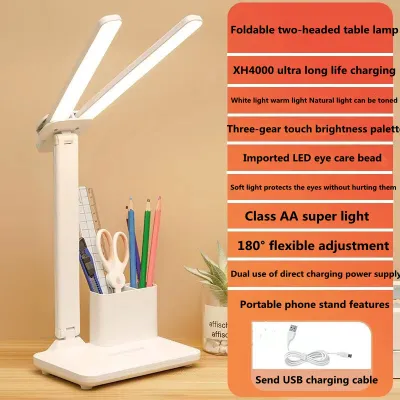
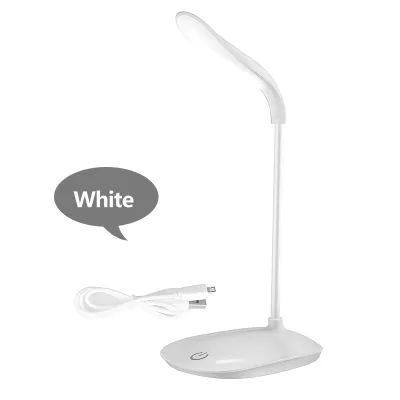
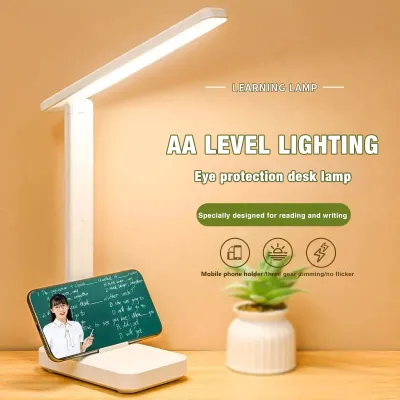
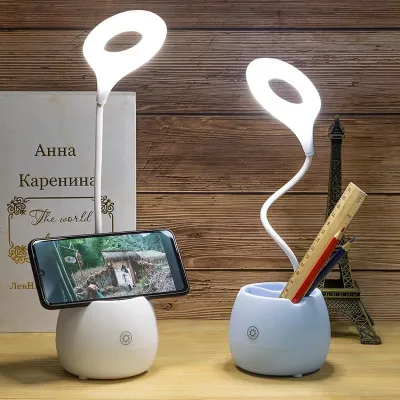
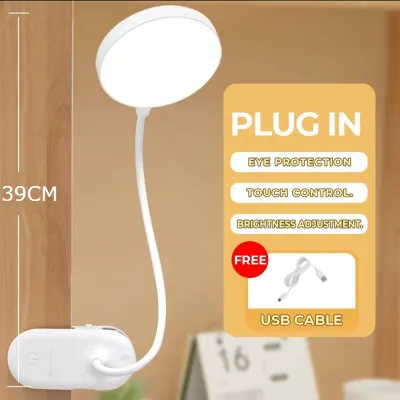
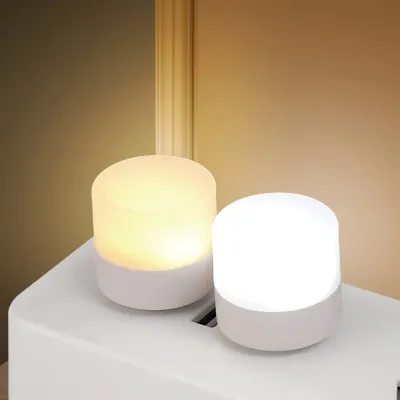
Prices are valid at publication and may change. Please refer to the product page for the latest price.

Bedside Reading: Focused and Eye-Friendly
Reading in bed requires highly directed, glare-free illumination that targets your book or tablet without spilling harsh light across the entire room. This localized focus ensures you can read comfortably without disturbing a sleeping partner.
To maintain a relaxing sleep environment, the light source should offer lower overall brightness and warm color tones. These warm tones signal to your body that it is time to wind down, unlike the stimulating blue light of daytime.
The physical stand must allow you to position the light source slightly above or beside your line of sight. This positioning prevents the bulb from shining directly into your eyes, keeping your reading sessions comfortable and strain-free.
Living Room: Ambient and Versatile
In the living room, a desk lamp with stand functions as both a practical light source and a key decorative element. It often sits on a console table, side table, or shelf, providing supplementary light for various activities.
You might use this lamp to create a cozy atmosphere while watching television, to illuminate a laptop on a side table, or to highlight a specific corner of the room. This requires a balance between the lamp’s output and the room’s existing overhead fixtures.
Because the living room is a highly visible, shared space, the lamp’s design must complement your broader interior style. The stand’s material, color, and shape should harmonize with your furniture and decor.
Essential Features to Evaluate
Selecting the ideal desk lamp with stand requires a close look at its mechanical features, light quality, and power options. These specifications determine how well the lamp performs in its designated spot.
Adjustability and Stand Design
The mechanics of the stand dictate how easily you can direct the light where it is needed most.
- Fixed Stands: These offer a classic look and high stability, making them excellent for ambient living room lighting where the lamp stays in one position.
- Gooseneck Stands: Featuring a flexible, bendable neck, these allow for quick, seamless adjustments, which is highly convenient for bedside reading.
- Articulated Arms: Multi-jointed metal arms provide the highest level of directional control, letting you extend, raise, or lower the light source over a wide area.
When choosing a stand, always check the base footprint and weight. A heavy, stable base prevents the lamp from tipping over if it is placed on a narrow nightstand or a delicate side table. Additionally, ensure the stand’s height and reach are sufficient to clear headboards or extend across a deep sofa side table. In humid tropical climates like the Philippines, choosing powder-coated or rust-resistant metal finishes for these joints can prevent wear over time.
Brightness, Color Temperature, and Dimming
The quality of the light output directly affects your comfort and the room’s atmosphere.
- Lumen Range: Look for lamps that specify their lumen output. A lower range is suitable for bedside reading, while higher lumens are helpful for living room tasks.
- Dimming Capabilities: Models with multi-level or stepless dimming allow you to transition smoothly from bright task lighting to soft, ambient evening light.
- Color Temperature: Warm white light (around 2700K to 3000K) is ideal for relaxing and reading before sleep. Cool white light (4000K and above) is better suited for focused tasks or daytime use.
Many modern lamps feature adjustable color temperature controls, allowing you to switch modes depending on the time of day. Always check the product label for maximum brightness limits and verify if the dimming function is compatible with your existing smart home setups if you plan to integrate them.
Power Source and Cord Management
How a lamp receives power affects both its placement flexibility and the visual neatness of your room.
- Plug-In Models: Traditional corded lamps offer unlimited runtime and consistent brightness, making them reliable choices for permanent setups.
- Rechargeable Models: USB-rechargeable or battery-operated lamps provide excellent portability, allowing you to move the lamp between tables without worrying about outlet locations.
In areas prone to occasional power fluctuations or brownouts, a rechargeable desk lamp with stand can also serve as a handy backup light source. If you choose a plug-in model, plan your cord routing carefully to maintain a clean aesthetic. This is especially important in the living room, where exposed, dangling cords can detract from your decor. Consider the trade-offs between the continuous power of a corded lamp and the clutter-free convenience of a cordless design.
Space and Placement Constraints
Before making a purchase, it is crucial to measure your furniture and verify that the lamp will physically fit your space. In tropical climates, homes often feature open layouts to maximize airflow, meaning your lighting choices are highly visible from multiple angles.
Measure your nightstand or side table dimensions against the lamp’s base diameter and its maximum extended height. A base that is too large will crowd your table, leaving little room for books, glasses, or a phone.
Ensure that the lamp head and joints can move freely without hitting nearby shelves, headboards, wall art, or window treatments. If the lamp is placed near an open window, consider how high humidity or a sudden breeze might affect a lightweight lamp, and opt for a heavier, more stable base.
Check the distance to the nearest power outlet. Assess the required cord length to ensure you do not have to stretch cords tightly or use unsafe extension cords across high-traffic walkways.
Finally, consider the visual weight of the lamp. A massive, industrial-style lamp can easily overwhelm a delicate bedside table, while a tiny, minimalist lamp might look lost on a large living room console.
Safety and Electrical Checks
Ensuring your lamp meets basic safety standards is essential for protecting your home and family.
Always verify voltage compatibility before plugging in your lamp. In the Philippines, the standard household voltage is 220V; using a 110V lamp without a proper transformer can damage the device or cause an electrical hazard. Check the product label or packaging for standard electrical safety marks to verify compliance.
Keep the lamp, its bulb, and its cord away from flammable materials such as bedding, curtains, or paper. This is particularly important if you are using high-heat bulb types like halogen or high-wattage incandescent bulbs, which can become extremely hot during prolonged use.
Consult the manufacturer’s manual for specific weight limits, bulb wattage restrictions, and cleaning guidelines. When cleaning, always isolate the power by unplugging the lamp first to avoid any electrical shock.
If you notice any flickering, unusual overheating of the base or cord, or exposed wiring, discontinue using the lamp immediately. Do not attempt to repair damaged internal wiring yourself; instead, consult a qualified professional to inspect or repair the fixture.
Frequently Asked Questions (FAQ)
Can one desk lamp work for both the bedroom and living room?
Yes, a highly versatile desk lamp with stand can transition between both spaces if it features adjustable color temperature, a wide dimming range, and a neutral design. However, physical constraints like base size, cord length, and the specific height of your furniture may still make dedicated, specialized models a better fit for each room’s unique layout.
How do I prevent glare when reading in bed?
To prevent glare, position the lamp head slightly above and behind your shoulder, angling the light down toward your reading material rather than directly at your face. Additionally, choose a lamp that features a built-in diffuser or an opaque shade, which shields the bulb from direct view and softens the light output.
Community discussion
Share your experience or ask a question. Comments are reviewed before publication.