
Choosing the right desk light depends on balancing distinct optical, structural, and aesthetic features. Bedside reading requires focused, adjustable, and glare-free task lighting that minimizes eye strain and avoids disturbing others. Meanwhile, living room ambient lighting requires diffused, omnidirectional, and visually appealing illumination that softens shadows and enhances the room’s overall mood.
Understanding the Core Lighting Differences
Bedside reading is a classic task-lighting scenario where the primary objective is visual clarity. To read comfortably without squinting, your eyes require a concentrated beam directed onto the page. This targeted illumination minimizes shadows on the text and prevents the eye fatigue associated with reading in dim environments.
In contrast, living room ambient lighting focuses on creating a relaxing, glare-free atmosphere. Instead of focusing light on a single point, ambient lamps disperse light outward to soften the room’s overall contrast. This diffused glow fills the gaps between other light sources, reducing harsh shadows in corners and making the living space feel more inviting.
Products mentioned in this guide
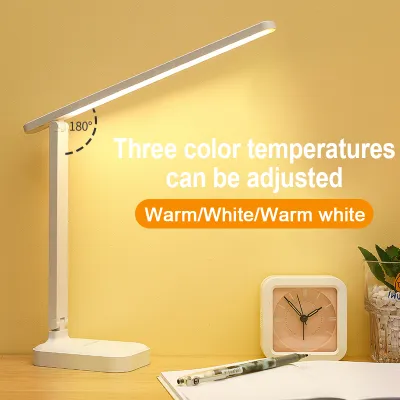
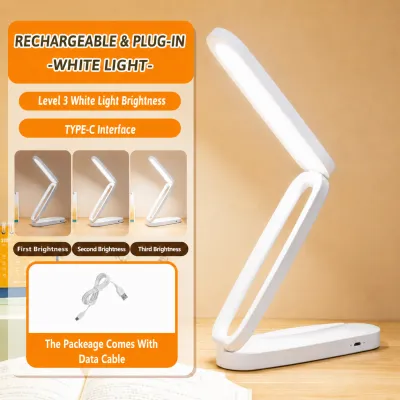
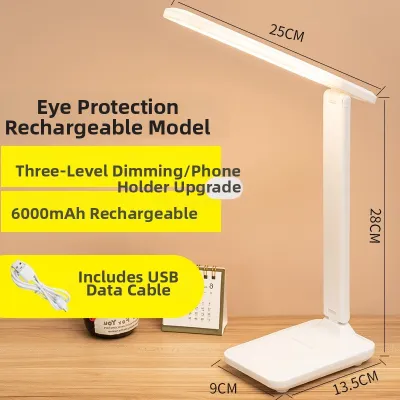
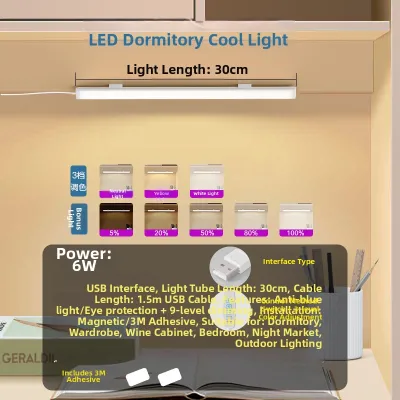
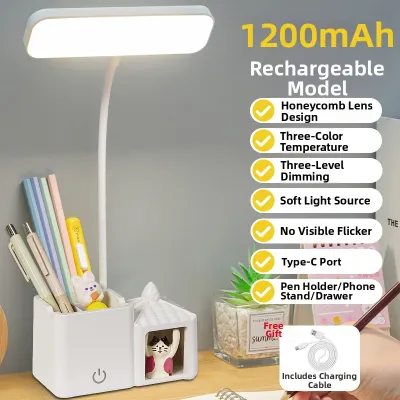
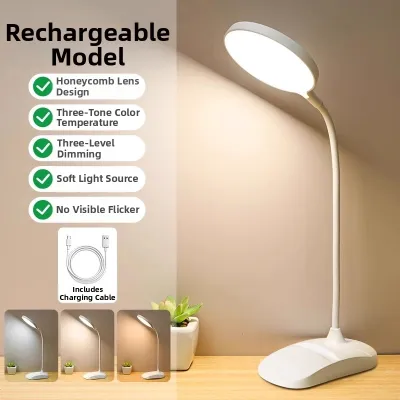
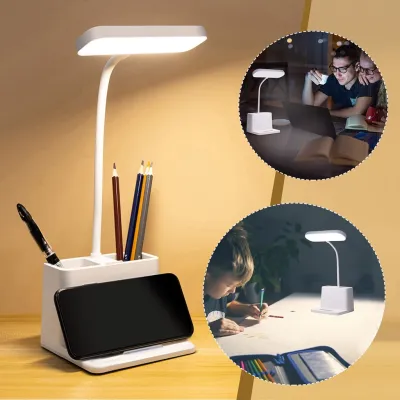
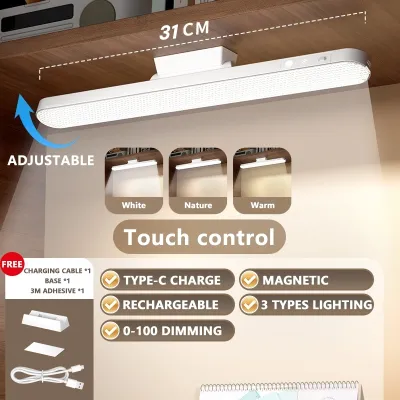
Prices are valid at publication and may change. Please refer to the product page for the latest price.
These differing goals dictate distinct physical specifications. Bedside reading lights benefit from narrow beam angles and adjustable directions, whereas ambient lamps rely on wide, omnidirectional distribution. Furthermore, while reading lights require sufficient brightness to render text clearly, ambient lights prioritize lower, warmer light outputs that do not strain the eyes during casual conversation or television viewing.
Selecting Features for Bedside Reading Comfort
When selecting a desk light for bedside reading, physical adjustability is a primary consideration. A lamp with a flexible gooseneck or an adjustable articulated arm allows you to direct the light beam precisely onto your book or tablet. This directional control is particularly valuable if you share a bed, as it lets you illuminate your reading material without spilling bright light onto a sleeping partner.

Brightness control is equally critical for nighttime reading comfort. A desk light with multi-level dimming or continuous step-less adjustment allows you to adapt the light output to the ambient darkness of the room. As the night progresses, lowering the brightness helps your eyes transition to a resting state while still providing enough contrast to read without strain.
Color temperature significantly influences your body’s natural sleep cycle. For bedside reading, warmer light tones between 2700K and 3000K are generally preferred. These warm temperatures mimic sunset tones, which help promote relaxation. When shopping, check the product packaging or online specifications for the Kelvin (K) rating to ensure the light source aligns with your evening routine.
The physical design of the switch can greatly affect your daily experience. Reaching for an inline cord switch in the dark can be frustrating and may lead to knocking items off your nightstand. Look for bedside lamps featuring touch-sensitive bases or easily accessible switches located directly on the lamp base, allowing you to turn the light on or off with minimal effort.
Choosing Design and Diffusion for Living Room Ambiance
In a living room, the primary role of a desk light is to contribute to a layered, comfortable atmosphere. The material of the lamp shade plays a decisive role in how light is distributed throughout the space. Shades made of fabric, textured paper, or frosted glass act as natural diffusers, scattering the light evenly and eliminating the harsh glare associated with bare bulbs or metal task shades.
The aesthetic design of the lamp should complement your living room’s existing decor and furniture scale. A lamp placed on a side table or console acts as a visual accent even when turned off. Consider how the base material—such as ceramic, wood, or brushed metal—interacts with your furniture textures, and ensure the lamp’s height is proportional to the seating around it so the bulb remains hidden from seated guests.
Unlike bedside reading lights, ambient living room lamps generally perform better when they are fixed and omnidirectional. A fixed-height lamp with a classic drum or empire shade casts light both upward toward the ceiling and downward onto the tabletop, creating a soft wash of light. This dual-direction glow helps eliminate dark corners and blends seamlessly with other ambient sources like floor lamps or recessed ceiling lights.
Integrating smart capabilities can further enhance your living room’s versatility. Equipping your ambient desk light with a smart bulb or choosing a fixture with integrated color-tuning features allows you to adjust the room’s mood instantly. You can transition from a bright, neutral white for daytime hosting to a warm, dim amber glow for movie nights or quiet evening relaxation.
Deciding Between Dedicated Lamps and Versatile Hybrids
For some households, finding a single versatile desk light that can serve both bedside and living room functions is an appealing prospect. Hybrid lamps often feature adjustable arms paired with semi-translucent shades, or wide dimming ranges that transition from bright task levels to low ambient glows. These options offer flexibility, but they also require careful consideration of physical and aesthetic trade-offs.
Using a highly adjustable task lamp in a living room can introduce unwanted visual clutter, as the mechanical arms and industrial styling may clash with cozy living room decor. Conversely, attempting to use a traditional ambient lamp with a thick fabric shade for bedside reading can lead to eye fatigue, as the diffused light may not provide the sharp contrast needed to read small print clearly.
Before purchasing a new fixture, you can assess whether an existing desk light can be repurposed for a different role. Use this quick checklist to evaluate your current setup:
- Bulb Compatibility: Can the current fixture accept a dimmable LED bulb or a smart bulb to allow for adjustable brightness and color temperature?
- Shade Swapping: Is the lamp shade removable, allowing you to swap a dark, opaque shade for a lighter, more translucent fabric shade to increase ambient output?
- Smart Plug Integration: Can you connect the lamp to a smart plug to enable scheduling, voice control, or automation within your home network?
- Base Stability: Is the base heavy enough to remain stable if moved to a high-traffic area like a living room console table?
Verifying Electrical Safety and Placement Stability
Before finalizing your purchase of any desk light, verifying electrical safety and physical stability is essential to prevent hazards in your home. In the Philippines, the standard household voltage is 220V at 60Hz. Always check the product specifications to ensure the lamp’s integrated driver or bulb socket is fully compatible with this local standard, and verify that the plug type matches your wall outlets without requiring unstable adapters.
Overheating is a serious risk when using incorrect bulbs in enclosed or shaded lamps. Every lamp socket features a maximum wattage rating label, which must never be exceeded. When using traditional incandescent bulbs or even modern LED replacements, verify that the bulb’s actual wattage consumption is well within the limit specified by the manufacturer to prevent damage to the socket, shade, or wiring.
Physical stability and cord management are particularly important in high-traffic living areas and tight bedside spaces. Ensure the lamp base is heavy and wide enough to resist tipping over if accidentally bumped. Route the power cord safely behind furniture to prevent tripping hazards, and avoid stretching cords tightly across walkways, especially in humid tropical environments where cord insulation must remain free from excessive tension and wear. For any custom modifications or fixed-wiring integrations, always isolate the power supply at the circuit breaker and consult a qualified professional.
Frequently Asked Questions (FAQ)
Is a desk light bright enough to be the main light source in a living room?
No, desk lights are designed to provide localized task or accent lighting rather than general ambient illumination for an entire room. To achieve comfortable overall brightness, combine your table lamps with primary overhead fixtures, such as recessed ceiling lights or a central pendant, alongside floor lamps to distribute light evenly across different heights.
How do I clean fabric or paper lamp shades without damaging them?
To clean delicate fabric or paper shades, perform regular gentle dusting using a clean microfiber cloth, a soft-bristled brush, or a lint roller. Avoid using liquid cleaners, wet sponges, or harsh chemical sprays, as moisture can stain paper, warp fabric frames, or degrade adhesives. Always refer to the manufacturer’s care label for specific material instructions.
Community discussion
Share your experience or ask a question. Comments are reviewed before publication.