
A dinosaur projector light can transform a child’s bedroom into a captivating prehistoric sanctuary, easing bedtime anxieties and sparking a love for science and history. However, finding the ideal model requires looking beyond whimsical designs. Parents must balance visual appeal with strict safety standards, optical quality, and energy efficiency to ensure the light supports, rather than disrupts, a child’s sleep cycle.
In the diverse housing landscapes of the Philippines—from compact high-rise condominiums in metro areas to spacious suburban homes—ambient lighting plays a major role in establishing a soothing evening routine. Selecting the right projector involves evaluating how the device handles heat in a tropical climate, how it connects to local power grids, and whether its optical output is gentle on developing eyes. By focusing on key technical specifications and practical usability features, you can choose a light that is both safe and delightful.
Quick Answer: Core Criteria for Choosing a Dinosaur Projector
When shopping for a dinosaur projector light, prioritizing a few essential technical specifications will help you narrow down the options quickly. The most critical factors to consider include eye-safe illumination, reliable power compatibility, and optical clarity.
Products mentioned in this guide
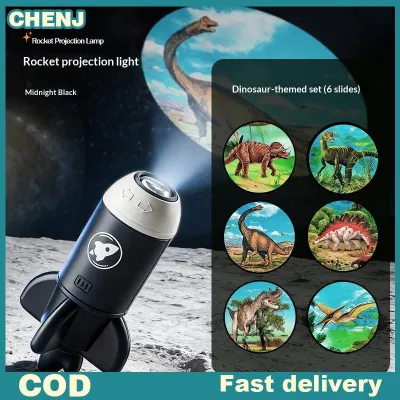
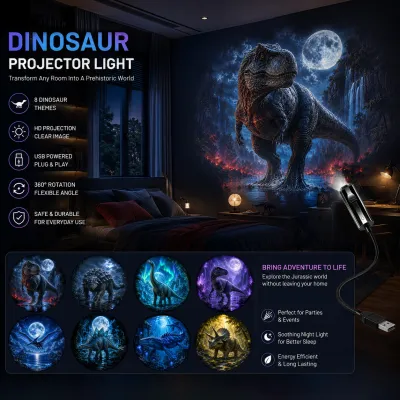
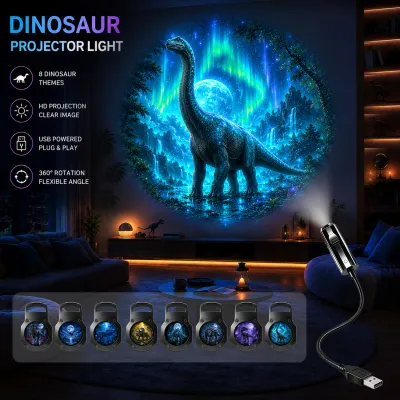
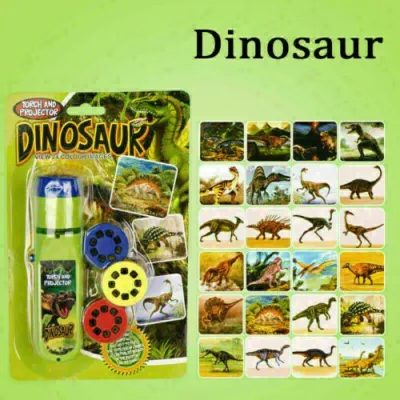
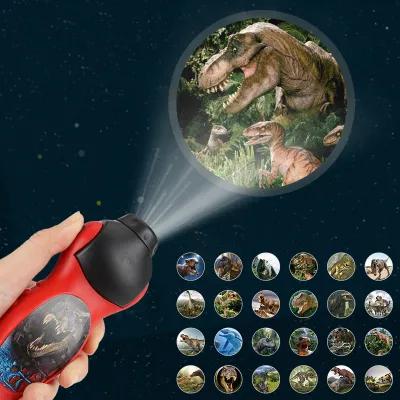
Prices are valid at publication and may change. Please refer to the product page for the latest price.
- Eye-Safe Illumination: Look for projectors equipped with dimmable light-emitting diodes (LEDs) and warm color temperature options, such as amber, soft orange, or red. These wavelengths are gentle on the eyes and do not interfere with a child's natural sleep-wake cycle.
- Reliable Power Compatibility: Choose a model powered via a standard 5V USB interface. This ensures compatibility with certified local USB wall adapters and provides a steady, flicker-free light source compared to battery-only models.
- Optical Clarity and Focus: Select a projector that features a high-quality glass or thick acrylic lens system with a manual focus ring. This allows you to adjust the sharpness of the dinosaur silhouettes based on your ceiling height, preventing blurry, eye-straining projections.
- Automated Controls: Ensure the device includes a built-in sleep timer with auto-shutoff options (such as 30, 60, or 90 minutes) to conserve energy and allow your child to sleep in healthy, natural darkness once they drift off.
Evaluating Projection Quality and Eye Comfort
An ambient light designed for a child’s bedroom must prioritize visual comfort. Poorly designed projectors can emit harsh glare or produce muddy, unrecognizable shapes that cause visual fatigue. Understanding the relationship between light output, lens quality, and sleep biology is key to making a smart purchase.

Brightness, Color Temperature, and Eye Safety
Children’s eyes are more sensitive to light than adult eyes because their crystalline lenses are highly transparent, allowing more light—especially high-energy blue light—to reach the retina. Exposure to cool white or bright blue light in the evening suppresses the secretion of melatonin, a hormone critical for regulating sleep cycles. When evaluating a dinosaur projector light, look for models that allow you to select warm color temperatures below 3000 Kelvin.
Adjustable brightness, or dimming capability, is equally vital. A projector used during bedtime wind-down should have a low-lumen setting (ideally under 50 lumens) so that the projected dinosaurs act as a soft, comforting background presence rather than a bright task light. Stepless dimming or multiple distinct brightness levels allow you to dial down the intensity as your child transitions from playtime to sleep.
Projection Clarity, Focus, and Coverage
Many budget-friendly projector lights utilize cheap, thin plastic lenses that warp easily under mild heat or fail to project sharp images over distance. This results in distorted, blurry dinosaur shapes that can strain a child’s eyes as they try to resolve the image. To avoid this, look for projectors that feature multi-layered glass or high-grade optical acrylic lenses.
A manual focus ring is a valuable feature, as it allows you to calibrate the lens system to match the specific throw distance of your room. The throw distance is the physical space between the projector lens and the ceiling or wall. Most residential bedrooms require a sharp projection at a distance of 1.5 to 3 meters. A focusable lens ensures that whether the projector is placed on a low nightstand or a high dresser, the Tyrannosaurus or Triceratops outlines remain crisp, clear, and recognizable.
Sleep Timers and Auto-Shutoff Functions
While a soft light can help a child fall asleep, continuous light exposure throughout the night can reduce sleep quality and lead to frequent nighttime awakenings. A built-in sleep timer is an indispensable feature for parental peace of mind. It automates the transition to complete darkness without requiring you to creep into the room and risk waking a sleeping child.
Look for devices that offer multiple timer intervals, such as 30, 60, or 90 minutes, which accommodate different sleep-onset times. Additionally, an auto-shutoff function preserves the lifespan of the internal LED bulbs and the small electric motors used to rotate the projection. This simple automation prevents the device from running continuously for eight to ten hours, reducing wear and tear and saving electricity.
Power Options and Electrical Safety in the Philippines
Operating electrical devices in a child’s bedroom requires careful attention to power specifications, local electrical standards, and material safety. This is particularly important when managing ambient lighting that may run for several hours at a time.
USB-Powered vs. Battery-Operated Models
Projectors generally fall into two categories: those powered by a continuous USB connection and those relying on dry-cell or rechargeable batteries. USB-powered models are highly recommended for stationary bedroom use. They deliver a consistent, flicker-free current that keeps the projection bright and the rotation motor running smoothly without the environmental waste and ongoing cost of disposable batteries.
Battery-operated models offer excellent portability, making them useful for temporary play spaces or during power interruptions. However, as the batteries drain, the light output dims and the rotation motor slows down, which can frustrate a child. If you choose a battery-powered model, look for one with a built-in rechargeable lithium-ion battery that can be topped up via a USB-C port, rather than a device that requires frequent replacement of alkaline AA or AAA batteries.
Voltage Adapters and Charger Safety
The standard household electrical supply in the Philippines is 220V at 60Hz. Because most dinosaur projector lights operate on a low-voltage 5V direct current (DC) system, they rely on an external USB wall adapter to step down the voltage. Parents must ensure that any adapter plugged into the wall is fully certified and compatible with the 220V standard.
Avoid using unbranded, cheap, or damaged charging blocks, as well as high-wattage fast chargers designed for modern smartphones. These fast chargers can sometimes fail to negotiate the correct voltage with simple toy-grade circuits, leading to overheating or electrical failure. Always check the output rating printed on the adapter; a standard, certified 5V adapter with a 1A or 2A output is typically the safest and most reliable choice for a bedroom projector.
Material Safety and Heat Dissipation
Because children may handle the projector, the materials used in its construction must be non-toxic and physically durable. Look for products made from high-impact, BPA-free ABS plastic. This material is resilient enough to withstand accidental drops and does not release harmful chemical vapors if the device warms up during operation.
Although LEDs are highly efficient and generate far less heat than traditional incandescent or halogen bulbs, the internal driver boards and motors still produce thermal energy. In the warm, humid climate of the Philippines, proper heat dissipation is essential to prevent internal components from degrading. Ensure the projector housing features subtle ventilation slots and that the casing remains cool to the touch even after an hour of continuous operation.
Recommended Feature Profiles for Different Room Needs
Not every child has the same bedtime routine or bedroom layout. Matching the projector’s features to your specific use case ensures you get the most value out of the device.
Best Feature Set for Sleep and Wind-Down
If the primary goal of the projector is to help your child transition peacefully to sleep, prioritize simplicity and calming visual cues. The ideal sleep-focused projector should offer a static projection mode (with the option to turn off rotation entirely) to prevent the visual stimulation of moving shapes.
Select a model that features a dedicated warm-color mode, low-lumen output, and a reliable 30-minute sleep timer. Avoid models that include loud mechanical motors or integrated music players that loop high-pitched, digital melodies, as these sounds can keep a sensitive child awake. A silent, warm, and stationary dinosaur silhouette is the most effective configuration for encouraging deep, restful sleep.
Best Feature Set for Playtime and Storytelling
For active evening play, sensory stimulation, or interactive storytelling sessions, look for a projector with a more dynamic feature set. A model with 360-degree silent rotation, multiple interchangeable projection films (featuring different prehistoric scenes, fossil patterns, or specific dinosaur species like the Stegosaurus and Brachiosaurus), and vibrant multi-color modes will keep children engaged.
When using these dynamic features, look for a device that has a manual toggle switch or a remote control. This allows you to easily disable the rotation and switch the color scheme from a bright, multi-colored play mode to a dim, warm-toned sleep mode once playtime is over, establishing a clear boundary between play and rest.
Best Feature Set for Portability and Travel
For families who travel frequently, visit relatives, or enjoy backyard camping, a portable projector is an excellent way to maintain a familiar bedtime routine. The ideal travel-friendly dinosaur projector should be compact, lightweight, and feature a robust, drop-resistant outer shell.
Look for a model with a built-in rechargeable battery that can be charged via a standard USB-C cable, allowing you to power it using a portable power bank if mains electricity is unavailable. A wide, stable, non-slip silicone base is also crucial, ensuring the projector remains upright when placed on temporary surfaces like hotel nightstands, folding tables, or uneven camping platforms.
Setup and Placement Tips for the Best Dinosaur Display
To achieve the most vivid and immersive projection, proper installation and placement are just as important as the specifications of the light itself. Following a few practical setup guidelines will ensure optimal performance and safety.
First, determine the ideal throw distance for your specific device, which is typically between 1.5 and 3 meters. Placing the projector too close to the ceiling results in a small, overly bright image that can cause glare, while placing it too far away washes out the fine details of the dinosaur silhouettes. Adjust the manual focus ring until the outlines of the prehistoric creatures are sharp and clear across the entire projection area.
Second, consider the color and texture of your room’s surfaces. Light-colored, matte ceilings and walls (such as off-white, cream, or light gray) serve as the best canvas, reflecting the light accurately without distorting the colors. Dark paint, glossy finishes, or heavily textured surfaces (such as rough plaster or wood paneling) will absorb the light and blur the projection, making it difficult to see the shapes clearly.
Finally, prioritize physical safety in your placement. Position the projector on a flat, stable nightstand, shelf, or dresser that is completely out of your child’s direct reach. This prevents curious toddlers from staring directly into the high-intensity LED lens, touching the optical elements, or accidentally pulling on the USB power cord. Ensure that all power cords are neatly routed, secured behind furniture, and kept away from walking paths to eliminate any tripping hazards. When cleaning or adjusting the device, always isolate the power by unplugging the adapter from the wall first.
Frequently Asked Questions (FAQ)
Are projector lights safe for a baby's developing eyes?
Yes, dinosaur projector lights are generally safe for babies and young children when used correctly. Because the light is projected onto a ceiling or wall, the illumination that reaches your child’s eyes is indirect and highly diffused, which minimizes glare and eye strain. However, direct exposure to the light source must be avoided. Always place the projector on a high, stable surface out of your child’s reach, and ensure they do not look directly into the projector lens when the device is powered on.
Will a power bank keep the projector running all night?
While a portable power bank can physically power a USB dinosaur projector, it is not recommended for continuous, overnight use. Many modern power banks feature an automatic low-current shutoff mechanism. Because energy-efficient LED projectors draw very little electrical current, the power bank may mistake the projector for a fully charged phone and automatically shut down after a few minutes. For reliable, uninterrupted overnight operation, it is best to plug the projector into a standard wall outlet using a certified 5V USB adapter.
Community discussion
Share your experience or ask a question. Comments are reviewed before publication.