
Enhancing an outdoor space with a display figurine set can instantly transform a standard garden into a personalized sanctuary. In the Philippines, where lush tropical foliage and vibrant blooms naturally dominate the landscape, these decorative accents introduce structure, narrative, and focal points. However, selecting the right set requires more than just finding an appealing design. The local climate—characterized by intense solar exposure, high humidity, and heavy seasonal rainfall—presents distinct challenges for outdoor decor. To ensure your investment remains beautiful and structurally sound over time, it is essential to evaluate material compositions, scale, and environmental factors systematically. This guide provides a practical framework for choosing a display figurine set that harmonizes with your landscape while standing up to the elements.
Assessing Your Garden Environment and Design Theme
Before browsing available designs, take a close look at the specific microclimates within your garden. A single outdoor space often contains several distinct zones, each presenting different environmental stressors. Areas that receive direct, unfiltered sunlight for most of the day will accelerate the fading of paint and the degradation of certain plastics. Conversely, heavily shaded spots under dense tree canopies or roof overhangs tend to retain moisture, creating prime conditions for moss, algae, and mold growth. If you plan to position your display figurine set near water features, such as ponds, fountains, or swimming pools, the pieces will face constant exposure to splashing and high localized humidity. Identifying these zones beforehand allows you to select figurines engineered to withstand those specific conditions.
The aesthetic theme of your home and landscape should also dictate the style of the display figurine set you choose. A modern minimalist garden with clean lines, gravel paths, and structured plants like snake plants or palms pairs naturally with abstract, geometric, or monochromatic stone figurines. For a rustic or traditional Filipino garden featuring bamboo, pocket gardens, and abundant ferns, classic terracotta or weathered stone sets evoke a timeless, organic feel. Whimsical themes, which might include playful animal shapes or fairy-tale motifs, work best when tucked into unexpected corners, such as beneath large taro leaves or along winding stepping-stone paths. Ensuring that the figurines complement, rather than clash with, your existing architectural style creates a cohesive visual narrative.
Products mentioned in this guide
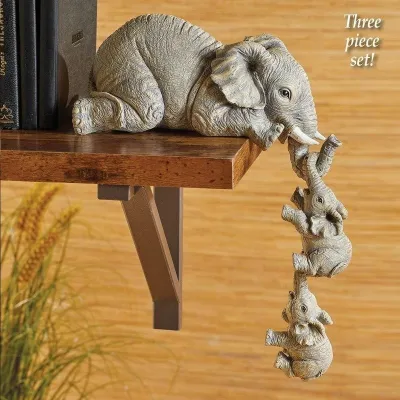
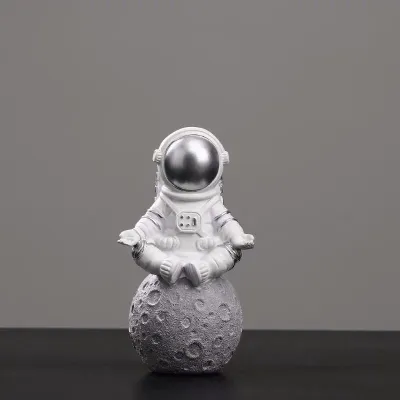
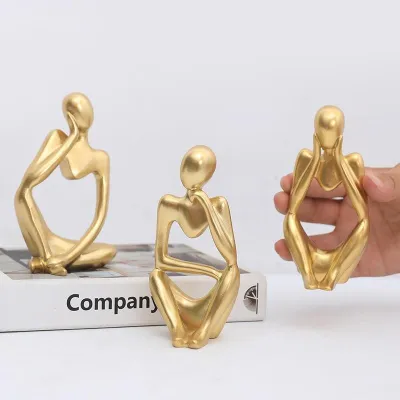


Prices are valid at publication and may change. Please refer to the product page for the latest price.
Finally, consider the natural flow and focal points of your garden layout. Walk through your outdoor space and observe where your eyes naturally land. A well-placed display figurine set can draw attention to an underutilized corner, frame a garden pathway, or serve as a centerpiece for a circular flower bed. Avoid scattering pieces randomly across the lawn, as this can create visual clutter and make garden maintenance, like mowing or weeding, more difficult. Instead, group the figurines in designated garden beds or on stable platforms where they can be appreciated as intentional design choices.
Evaluating Materials for Outdoor Durability and Care
Selecting the right material is the most critical decision when purchasing a display figurine set for outdoor use. Resin and polyresin are highly popular choices due to their ability to capture intricate details, textures, and vibrant colors that other materials cannot easily replicate. These materials are also relatively lightweight, making them easy to reposition as your garden layout evolves. However, because resin is a synthetic compound, it is susceptible to UV degradation and heat warping if left unprotected. When considering a resin set, always check the manufacturer’s product label to verify if it has been treated with UV-resistant stabilizers and moisture-blocking coatings.

For unmatched longevity and stability, natural stone, concrete, and cast iron remain the gold standards for outdoor ornaments. Heavy stone and concrete figurines are highly resistant to strong winds, making them ideal for open, exposed areas of your garden. Over time, these materials develop a natural patina, growing moss or weathering in a way that many gardeners find highly desirable. However, their extreme weight requires a stable, level ground surface to prevent sinking or tilting. You must also check if the manufacturer recommends applying a penetrating sealer to concrete or stone to prevent water absorption, which can lead to surface flaking over years of wet-and-dry cycles. Cast iron offers a classic, heavy-duty alternative but must be monitored for rust, requiring periodic applications of rust-inhibiting paint or clear coats.
Ceramic and terracotta figurines offer a distinct, artisanal charm with rich glazes or warm, earthy tones. Terracotta is highly porous by nature, meaning it absorbs moisture from the soil and air, which can lead to structural weakness or white mineral buildup on the surface. Glazed ceramic is less porous but remains highly fragile and susceptible to chipping or cracking if bumped by garden tools or pets. When shopping for these materials, look for explicit outdoor ratings on the product packaging. Never assume a ceramic or terracotta set is suitable for permanent outdoor display based on appearance alone; indoor-only decorative ceramics will quickly deteriorate when exposed to tropical rain and humidity.
Ultimately, relying on official manufacturer specifications and product care tags is the safest way to evaluate weatherproofing claims. Avoid making assumptions based solely on generic material categories. A high-quality, outdoor-rated resin set may easily outlast a poorly fired, cheap ceramic set, while a properly sealed concrete piece will endure for decades. Always look for written guarantees regarding weather resistance, UV protection, and recommended maintenance schedules before finalizing your selection.
Planning Scale, Placement, and Visual Balance
Achieving visual harmony with a display figurine set requires careful planning of scale and proportion. A common mistake is choosing figurines that are either too small, causing them to be swallowed up by surrounding foliage, or too large, which can overwhelm the delicate balance of your plants. Measure the height and width of the plants in the intended placement zone. For low-growing ground covers or manicured lawns, smaller figurines can stand out clearly. If you are placing the set among tall shrubs, ornamental grasses, or large-leafed tropical plants like caladiums and monstera, you will need larger, more substantial pieces to ensure they remain visible and impactful.
When arranging your display figurine set, employ proven grouping strategies to create a natural and engaging composition. Arranging items in odd numbers—such as groups of three or five—is a classic design principle that feels more organic and less rigid than even-numbered pairings. Vary the heights of the figurines within the set to create depth and movement; for example, place the tallest piece slightly to the back and off-center, with the smaller pieces cascading toward the front. This staggered arrangement mimics natural growth patterns and guides the viewer’s eye through the display rather than presenting a flat, static line.
You must also account for primary sightlines from key viewing angles around your property. Consider where you spend the most time appreciating your garden. Ensure the display figurine set is clearly visible from indoor windows, patio seating areas, and main walkways. A set placed at the end of a straight path acts as a visual destination, encouraging people to walk through the space. If the figurines are meant to be a pleasant surprise, tuck them slightly behind foliage along a curved path, ensuring they are positioned at an angle that reveals them naturally as a visitor walks by.
Inspecting Quality, Stability, and Safety Before Purchase
Before committing to a purchase, conduct a thorough quality and safety inspection of the display figurine set. If shopping in person, run your hands over the surfaces to check for uniform casting and smooth finishes. Rough edges, air bubbles, or thin spots in resin or ceramic can indicate poor manufacturing quality and serve as weak points where cracks are likely to develop. Examine the base of each figurine closely; it must be perfectly flat and wide enough to support the weight of the piece. A top-heavy figurine with a narrow base is highly prone to tipping over on uneven garden soil, gravel, or during periods of strong wind.
Safety is another critical factor, particularly if your garden is frequented by young children or pets. Verify that the paints, glazes, and protective finishes used on the figurines are specified as non-toxic and lead-free. Pets may sniff, lick, or accidentally bump into the decor, while children might be tempted to handle the pieces. If the product description does not explicitly state the safety standards of the finishes, contact the manufacturer or retailer to confirm before placing the items in areas accessible to family members and animals.
For heavier stone, concrete, or metal figurine sets, proper ground support is essential to prevent accidents. Heavy objects placed directly on soft, wet soil can sink unevenly over time, creating a tipping hazard. Plan to install these pieces on a solid foundation, such as a flat concrete stepping stone, a compacted gravel bed, or a dedicated pedestal. Additionally, ensure that the figurines are positioned far enough away from primary walking paths and stepping stones so they do not present a tripping hazard in low-light conditions. If a heavy figurine is knocked over onto a foot, it can cause serious injury, making secure placement a top priority.
Navigating Purchase Channels and Order Verification
Finding the perfect display figurine set involves exploring various retail channels, each offering distinct advantages. Specialized garden centers and nurseries often carry curated selections of high-quality, outdoor-tested ornaments, and their staff can provide valuable advice on material suitability for your local climate. Local artisans and craft markets are excellent sources for unique, hand-carved stone or hand-fired ceramic pieces that add a distinct personal touch to your landscape. Established online home decor stores and dedicated ecommerce platforms offer the widest variety of styles and sizes, allowing you to compare options easily from home.
When purchasing online, pay close attention to shipping policies and packaging standards, especially for fragile ceramic, terracotta, or glass sets. Verify that the seller uses robust protective packaging, such as molded foam and heavy-duty boxes, to prevent transit damage. Review the retailer’s return and damage replacement guarantees to ensure you are covered if a piece arrives broken. Additionally, keep in mind that shipping fees in ₱ can vary significantly based on the total weight of the order; heavy concrete or cast iron sets may incur substantial delivery charges that should be factored into your overall budget.
To avoid mismatched expectations upon delivery, always confirm the exact specifications listed in the product description. Do not rely solely on promotional photos, which can often make items appear larger or smaller than they actually are. Use a measuring tape to visualize the stated dimensions in your physical garden space. Check the total weight of the set to determine if you will need assistance moving the pieces, and verify the precise number of items included in the set to ensure you are receiving the complete display as pictured.
Frequently Asked Questions (FAQ)
How do I protect painted figurines from fading in direct sunlight?
To protect painted figurines from fading under intense tropical sunlight, check the manufacturer’s guidelines for compatible clear protective sealants. Applying a high-quality, UV-resistant clear acrylic spray designed for outdoor use can create a barrier that shields the paint from damaging ultraviolet rays. Depending on the level of daily sun exposure your garden receives, you may need to reapply this protective coating once or twice a year to maintain its effectiveness. Additionally, you can naturally prolong the vibrancy of the paint by placing the figurines in partially shaded areas, such as beneath the canopy of large garden plants, under a pergola, or along a shaded patio border.
Can I leave porous figurines outside during the heavy rainy season?
Leaving porous figurines outside during the heavy rainy season carries a high risk of structural damage. Materials like unglazed terracotta, porous natural stones, and low-fired ceramics readily absorb water from the wet ground and constant rainfall. When these saturated materials dry unevenly in the hot sun, the internal stress can cause the figurine to crack, flake, or crumble over time. To prevent this, check the product specifications for explicit waterproofing treatments, or apply a specialized breathable masonry sealer. If the figurines are highly valuable or fragile, the safest approach is to move them to a covered patio, garage, or indoor storage area during the months of heaviest rainfall.
Community discussion
Share your experience or ask a question. Comments are reviewed before publication.