
Designing an inspiring and productive workspace requires a thoughtful balance between visual aesthetics and functional utility. A desk lamp in a calming lake blue hue can serve as a sophisticated focal point, softening the sterile look of modern computer hardware while injecting personality into your home office or study area. However, choosing the right lamp goes far beyond selecting an appealing color. In regions like the Philippines, where seasonal power interruptions can disrupt work schedules and high humidity can affect electronic components, a rechargeable, cordless model offers invaluable flexibility and reliability. To ensure your investment enhances both your productivity and your decor, you must evaluate how a lamp performs as a dedicated light source, how its materials withstand daily wear, and how its battery system integrates into your daily routine.
Evaluating Core Lighting Features for Prolonged Study Sessions
When selecting a desk lamp for intensive reading or screen-based work, the quality of the light emitted is paramount to preventing eye fatigue. You should look for models that offer adjustable brightness levels, typically measured in lumens, and multiple color temperature settings. A versatile lamp should allow you to transition from a cool white light (around 5,000 Kelvin) for high-focus tasks and document editing, to a warm white light (around 2,700 Kelvin) that is gentler on the eyes during late-night study sessions. This flexibility helps align your workspace lighting with your natural circadian rhythm, reducing the sleep-disrupting effects of blue light exposure in the evening.
Eye comfort also depends heavily on the lamp’s ability to minimize flicker and glare. Low-quality light-emitting diodes (LEDs) often exhibit rapid, invisible flickering that can cause headaches and eye strain over prolonged periods. When browsing options on online marketplaces, check the product specifications for flicker-free technology or eye-comfort certifications. Additionally, a high-quality lamp should feature an integrated diffusion panel or a frosted lens cover. This design element scatters the light evenly, preventing harsh, direct glare from bouncing off your monitor screen or glossy textbook pages.
Products mentioned in this guide
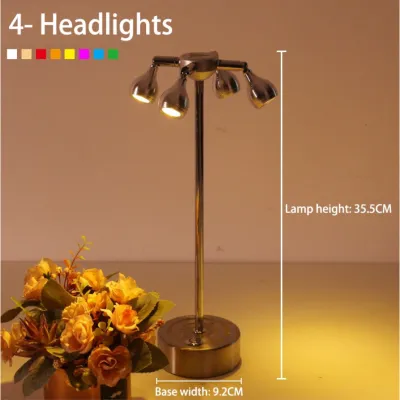
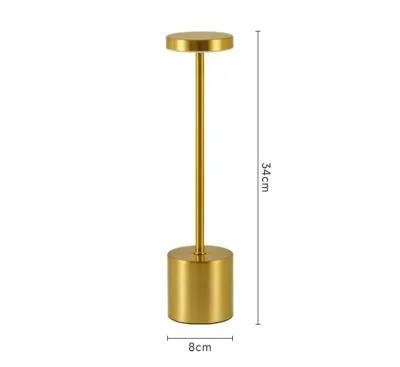
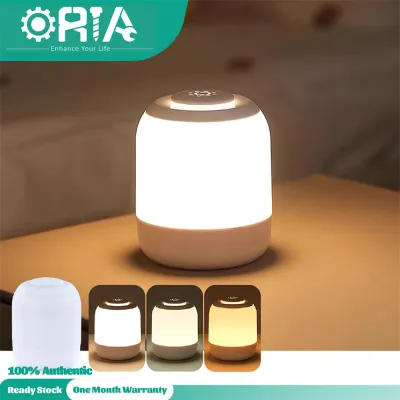
Prices are valid at publication and may change. Please refer to the product page for the latest price.
Ergonomic adjustability is another critical factor for maintaining a comfortable posture and preventing shadows. A lamp with a rigid, non-adjustable arm forces you to position your body or your work materials around the light, rather than the other way around. Opt for designs featuring a flexible gooseneck or a multi-axis folding arm. These mechanisms allow you to direct the light beam precisely where it is needed, casting shadows away from your writing hand and keeping the light source below eye level to prevent direct glare.
Selecting the Right Lake Blue Finish for Your Workspace
The visual appeal of a lake blue desk lamp depends heavily on its surface finish and material composition, which dictate how the color ages and how easily it is maintained. Painted metal or plastic finishes are common, but they vary widely in durability. A high-gloss painted finish can look vibrant, but it is highly susceptible to showing fingerprints, smudges, and fine scratches from daily handling. In contrast, a matte or powder-coated finish offers a more understated, modern look while effectively hiding dust and oils from your hands. For premium setups, an anodized aluminum finish provides excellent resistance to corrosion and wear, which is particularly beneficial in humid tropical climates where moisture can degrade lower-quality coatings.

It is also important to consider how the specific shade of lake blue will interact with the ambient lighting in your room. Color perception is highly subjective and changes based on the light source. Under cool, natural daylight streaming through a window, a lake blue lamp may appear bright and vibrant, leaning toward a teal or cyan hue. Under warm, incandescent indoor lighting, the same lamp might shift toward a deeper, more muted slate blue. To avoid disappointment, check user-submitted photos in product reviews to see how the color behaves under various lighting conditions rather than relying solely on heavily edited promotional graphics.
Integrating a colored lamp into your existing workspace requires a cohesive design strategy. Lake blue is a versatile, cool-toned color that pairs exceptionally well with minimalist white desks, natural wood grains like oak or maple, and dark gray accessories. If your desk is already crowded with black computer peripherals and metallic hardware, a matte lake blue lamp can introduce a welcome pop of color without clashing. Consider matching the texture of the lamp—whether metallic, matte, or satin—with other desk accessories, such as your keyboard frame, mouse pad, or pen holders, to create a unified and intentional aesthetic.
Decoding Battery Life and Charging Specifications
Because a rechargeable desk lamp relies on an internal battery for cordless operation, understanding battery specifications is crucial for planning your daily usage. Battery capacity is measured in milliampere-hours (mAh). As a general rule, a higher mAh rating indicates a larger energy reservoir, but actual runtime depends heavily on your usage patterns. Operating the lamp at its maximum brightness setting or using a cooler color temperature will drain the battery much faster than running it on a dim, warm setting. When evaluating product listings, look for detailed runtime estimates provided by the manufacturer for different brightness levels to ensure the lamp can last through your typical work or study session without needing a cord.
The charging interface and power compatibility are equally important for seamless integration into your home office. Modern rechargeable lamps typically feature a USB-C port, which offers faster charging speeds and allows you to use the same cable and power adapter as your smartphone or laptop. Older or budget-friendly models may still use micro-USB ports, which can be slower and less durable over time. Verify the input voltage and current requirements (such as 5V/1A or 5V/2A) specified by the manufacturer. Using an incompatible fast-charging brick that exceeds the lamp’s rated input can lead to overheating or damage to the internal charging circuitry.
To maximize the lifespan of the lithium-ion batteries commonly used in these lamps, you must practice safe charging habits, especially in warm climates. Avoid leaving the lamp plugged into a charger indefinitely once it reaches full capacity, as continuous trickle charging can accelerate battery degradation. If you notice the lamp’s runtime decreasing significantly, or if the base of the lamp becomes unusually hot during charging, these are early signs of battery wear. Charge the device on a hard, flat surface that allows heat to dissipate naturally, and avoid charging it on soft bedding or papers that can trap heat.
Measuring Your Desk for Optimal Lamp Placement
Before finalizing your purchase, you must assess your physical desk layout to determine the most stable and space-efficient mounting style. Standard table lamps with a weighted base are highly portable and easy to reposition, but they occupy valuable real estate on your desktop. If you work on a compact desk or have a multi-monitor setup, a clamp-on desk lamp might be a practical choice. A sturdy clamp secures the lamp to the edge of your desk, freeing up space for your keyboard, mouse, and notebooks while keeping the light source elevated and stable.
Calculating the correct placement of the lamp relative to your computer screen is essential for maintaining a comfortable, glare-free workspace. The lamp should be positioned to the side of your monitor, with the light head angled downward and away from the screen surface. If the light shines directly onto your monitor, it will create a washed-out reflection that forces your eyes to strain to read text. Ideally, the light should illuminate your physical documents, keyboard, and immediate writing area while remaining out of your direct line of sight.
Weight distribution and base stability are critical safety considerations, particularly for lamps with long, adjustable arms. When you extend the arm of a desk lamp forward to illuminate a specific spot, the center of gravity shifts. A lamp with an inadequately weighted base can easily tip over, potentially damaging your desk accessories or the lamp itself. Check the product specifications for the total weight of the lamp and look for models that feature non-slip rubber padding on the bottom of the base. This padding not only prevents the lamp from sliding on smooth wooden or glass desks but also protects your furniture from scratches.
Final Verification Checklist Before Checkout
Purchasing lighting products online requires a systematic verification process to ensure compatibility, safety, and value for your money. First, verify the electrical specifications of the charging adapter you plan to use. While the lamp itself operates on low-voltage DC power via a USB cable, any wall adapter you connect to the mains must be compatible with the standard 220V electrical system used in the Philippines. Ensure the adapter features a standard Type A or Type B plug to avoid the need for bulky adapters that can create loose connections.
Next, carefully review the seller’s return policies and the manufacturer’s warranty terms. Electronic items can occasionally arrive with manufacturing defects, such as faulty charging ports or dead LED segments. A reliable seller should offer a clear return window, and the product should ideally be backed by a warranty that covers electronic components. When planning your budget in ₱, balance the initial cost against the expected lifespan of the product; investing slightly more in a certified, well-reviewed model can save you the hassle and expense of replacing a cheap, unreliable lamp within a few months.
Finally, dedicate time to analyzing customer feedback on online marketplaces, paying close attention to reviews that mention long-term performance. Look for comments regarding how well the battery holds a charge after several months of daily use. Additionally, cross-reference user-uploaded photos with the official product images to verify the actual color of the lamp. Product photography is often stylized or color-corrected, and a lamp advertised as a vibrant lake blue might arrive looking more like a dull gray or a bright sky blue. Reading honest user experiences will help you make an informed decision and secure a lamp that truly enhances your workspace.
Frequently Asked Questions (FAQ)
Can I use a rechargeable desk lamp while it is plugged in?
Yes, many modern rechargeable desk lamps support pass-through charging, allowing you to use the light while it is connected to a power source. However, you must check the manufacturer’s user manual to confirm if this feature is officially supported. Continuous use while plugged in can generate additional heat, as the battery is being charged and discharged simultaneously. In warm, humid environments, this excess heat can accelerate the degradation of the lithium-ion battery, reducing its overall capacity over time. For optimal battery health, it is best to use the lamp cordlessly and plug it in primarily for recharging when the light is turned off.
Does the color of the lamp body affect the light output?
The exterior color of the lamp body, such as lake blue, does not directly affect the color or quality of the light output, provided the interior of the lamp head is properly designed. High-quality desk lamps typically feature a white or highly reflective silver interior lining inside the shade. This lining ensures that all light emitted by the LEDs is directed downward onto your workspace without being absorbed or tinted by the exterior color. However, you should avoid lamps with dark or unlined interiors, as they can absorb a significant portion of the light, resulting in a dimmer output and reduced energy efficiency.

Community discussion
Share your experience or ask a question. Comments are reviewed before publication.