
Selecting the right lampshade is one of the most effective ways to reduce eye strain during long work-from-home sessions. The primary goal of a task-oriented lampshade is to shield your eyes from the direct glare of the bulb while distributing light evenly across your workspace. When you work for hours under harsh, unshielded light, your eyes constantly adjust to extreme contrasts, leading to fatigue, headaches, and dry eyes. A well-chosen lampshade acts as a barrier and a diffuser, transforming a sharp point of light into a soft, manageable glow.
To minimize eye fatigue, look for a lampshade that balances coverage and diffusion. Opaque or semi-opaque materials are generally superior for dedicated task lighting because they prevent light from shining directly into your peripheral vision. Additionally, the interior lining of the shade plays a critical role; a light-colored or reflective inner surface directs light downward onto your desk without creating harsh visual contrast. By understanding these core principles, you can create a comfortable, glare-free environment that supports productivity throughout the day.
Key Lampshade Features to Evaluate for Extended Desk Work
When shopping for or evaluating a lampshade for a home office, several physical attributes dictate how well it protects your eyes from strain. Assessing these features systematically helps you avoid common lighting pitfalls.
Products mentioned in this guide
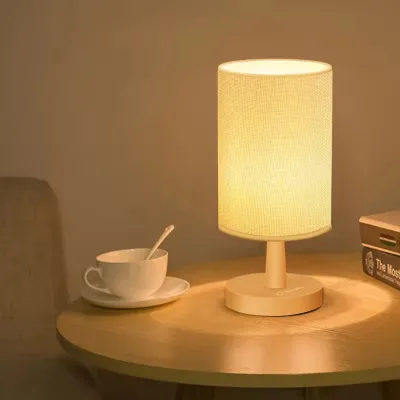
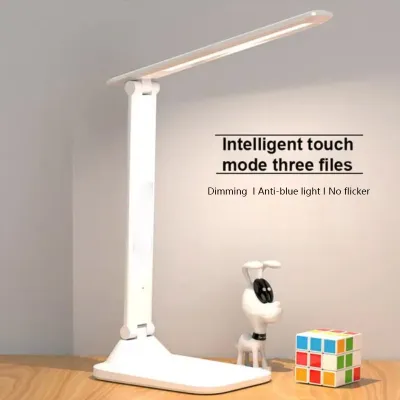
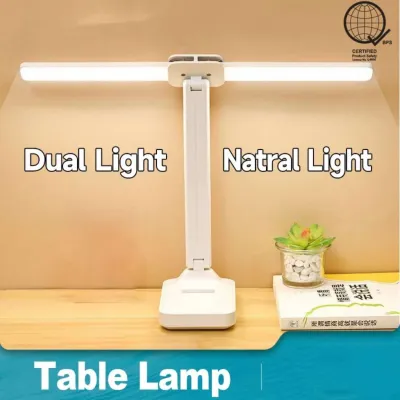
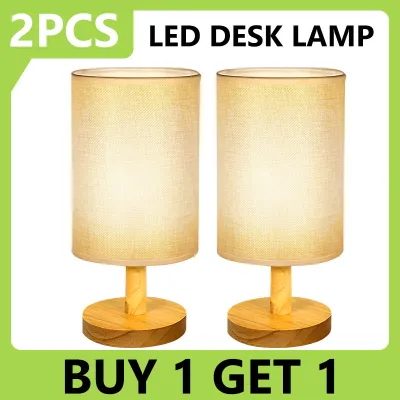
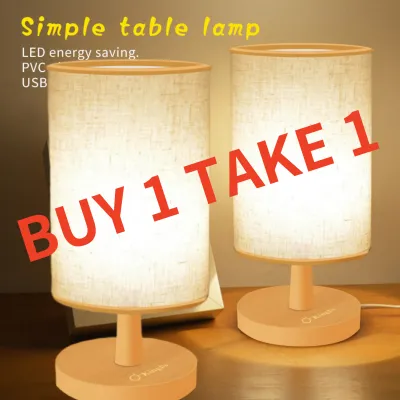
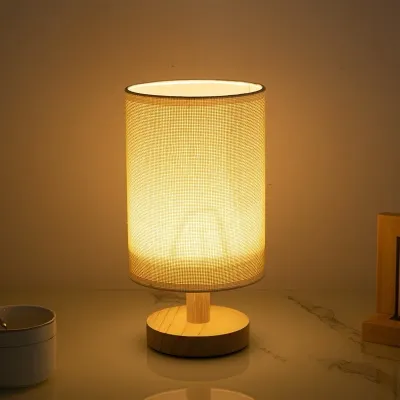
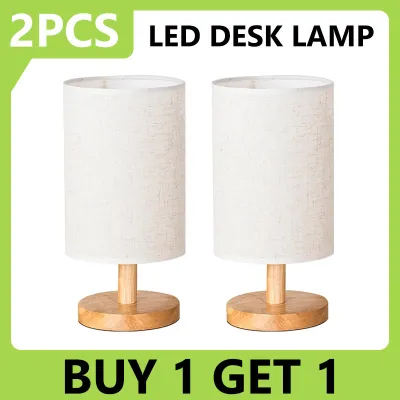
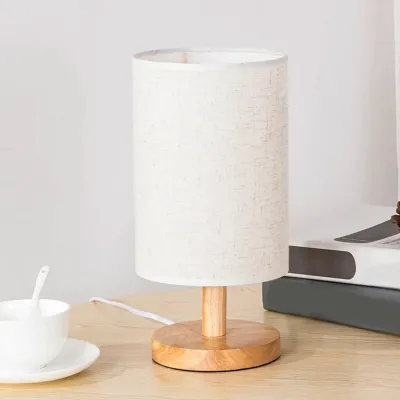
Prices are valid at publication and may change. Please refer to the product page for the latest price.
Material and Opacity
The material of your lampshade determines how much light escapes through the sides and how softly that light is diffused. Fabric shades, such as those made of linen or cotton, are excellent for creating soft, ambient light. However, in tropical climates like the Philippines, high humidity can cause untreated fabrics to attract dust or develop mold over time, requiring regular cleaning.
Paper shades offer beautiful, lightweight diffusion but are highly susceptible to warping or tearing in humid environments. Glass shades can be effective if they feature a frosted or opal finish, which diffuses light evenly; clear glass shades should be avoided for desk work as they offer no protection against raw bulb glare. Metal shades are completely opaque, directing all light out of the top and bottom openings. While metal is highly durable and easy to clean, it provides zero side diffusion, which can create a spotlight effect if not balanced with ambient room light.
Shape and Light Direction
The geometry of a lampshade controls the spread of light across your desk surface and limits upward spill that can reflect off the ceiling.
- Drum Shades: These cylindrical shades have equal openings at the top and bottom. They provide a balanced mix of focused downward task light and soft upward ambient light, making them highly versatile for general desk work.
- Cone and Coolie Shades: Featuring a wide bottom and a narrow top, these shapes direct the vast majority of light downward over a broad area. They are excellent for illuminating large desk surfaces, though you must ensure the wide bottom opening does not expose the bare bulb to your eyes while you are seated.
- Empire Shades: These classic shades have a flared bottom and a slightly tapered top. They direct light downward while allowing a moderate amount to escape upward, offering a traditional look with functional downward illumination.
Interior Lining and Color
The inside of the lampshade is just as important as the outside. A white or light-colored interior lining reflects the maximum amount of light downward, ensuring your workspace is sufficiently bright without requiring a higher-wattage bulb. Silver or gold metallic linings can also reflect light efficiently; however, gold linings will warm up the perceived color temperature of the light, which is cozy but may not always be ideal for tasks requiring high color accuracy. Dark interior linings absorb light, reducing the lamp’s efficiency and potentially forcing you to strain your eyes to see fine details.
Size and Proportion
A lampshade must be properly proportioned to both the lamp base and the bulb you intend to use. Always check the manufacturer’s maximum wattage label on the lamp socket before installation. In warm, tropical environments, heat dissipation is a crucial safety consideration. A shade that is too small or lacks adequate ventilation can trap heat generated by the bulb, potentially damaging the shade material or the lamp wiring. Ensure there is at least several centimeters of clearance between the bulb and the inner surface of the shade to allow for proper airflow.
Matching the Lampshade to Your Workspace and Tasks
Your daily routine and desk layout should dictate the specific type of lampshade you choose. Different tasks and screen setups require distinct lighting configurations to prevent visual fatigue.

Screen-Heavy Setups
If your workday consists primarily of staring at a computer monitor or laptop screen, your main enemy is reflection. Highly transparent shades or open-top shades that cast bright light onto the wall behind your monitor can create distracting reflections on your screen. For screen-heavy setups, choose an opaque or semi-opaque drum shade. Position the lamp to the side of your monitor and slightly behind the screen level so that the light source is completely hidden from your direct line of sight and does not bounce off the glass display.
Paperwork and Reading Tasks
For tasks that involve reading physical documents, writing, or sketching, you need focused, high-intensity illumination directly on your desk surface. A cone or empire-shaped shade with a bright white interior lining is ideal for this scenario. The flared shape directs a wide cone of light downward, illuminating your paperwork evenly without casting harsh shadows. Ensure the lamp is positioned on the opposite side of your dominant hand to prevent your hand from casting shadows across your work area as you write.
Small or Cluttered Desks
When desk space is limited, a large, bulky lampshade can make your workspace feel cramped and restrict your movement. In these situations, look for compact lampshade profiles, such as narrow rectangular or slim oval shades. Alternatively, consider a clamp-on desk lamp or a wall-mounted swing-arm lamp equipped with a small, adjustable metal shade. These options keep the light source elevated and adjustable, freeing up valuable desk real estate while still directing light exactly where you need it.
Ambient vs. Task Lighting
To truly minimize eye strain, you must balance your desk’s task lighting with the ambient light of the room. Working in a dark room with only a single, bright desk lamp forces your eyes to constantly adjust between the bright paper or screen and the surrounding darkness. This contrast is a leading cause of eye fatigue. Use a semi-opaque fabric or paper lampshade to allow some light to filter horizontally into the room, helping to raise the overall ambient light level. Supplement this with soft overhead lighting or a secondary floor lamp to create a balanced, low-contrast visual environment.
How to Test and Optimize Your Current Lampshade Setup
Before purchasing a new lampshade, you can perform a few simple, low-risk checks to see if your current setup can be optimized for better eye comfort.
The Glare Test
Sit in your normal working position at your desk and look toward your computer screen. Pay attention to your peripheral vision. Can you see the glowing filament or the bright surface of the lightbulb inside your lamp? If so, your lampshade is either sitting too high, is too short for the lamp base, or is too transparent. You can also check for harsh reflections by placing a small mirror on your desk or screen; if you can see the bulb reflected in the mirror, your light source is causing glare.
Adjusting Bulb Placement
If your lamp utilizes a harp—the metal wire support that holds the shade—you may be able to adjust the height of the shade relative to the bulb. Some harps are adjustable, allowing you to raise or lower the shade to ensure the bulb is fully covered. If your lamp uses a clip-on shade that attaches directly to the bulb, try switching to a lower-profile bulb shape, such as a golf-ball or A15 bulb, to keep the light source tucked safely inside the shade.
Adding Diffusers
If your current lampshade is open at the bottom and casts a harsh, direct beam onto your desk, you can soften the light by using a frosted bulb instead of a clear one. For shades with wide bottom openings, you can also look for compatible clip-on bottom diffusers made of frosted acrylic. Safety Warning: Never drape loose fabric, paper, or DIY plastic diffusers directly over a bulb or inside a lampshade, as this poses a severe fire hazard due to heat buildup.
When to Stop and Replace
There are times when a lampshade is simply incompatible with your work-from-home needs. If you experience persistent eye strain despite adjusting the bulb placement, or if the shade material is yellowed, brittle, or showing signs of heat damage, it is time for a replacement. Always prioritize safety by checking the manufacturer’s labels for maximum wattage limits and ensuring your lamp is plugged into a stable, certified electrical outlet (typically 220V in the Philippines) before making any modifications.
Frequently Asked Questions (FAQ)
Does a darker lampshade color cause more eye strain?
Yes, a dark exterior lampshade color can indirectly contribute to eye strain. Dark colors absorb light rather than diffusing it, which reduces the overall brightness of your workspace. This absorption can create a high-contrast environment where the area directly under the lamp is bright, but the rest of the desk is dark. This stark contrast forces your pupils to constantly dilate and constrict as your eyes move across your desk, leading to rapid fatigue. If you use a dark shade, ensure it has a highly reflective white or metallic interior lining to direct sufficient light downward, and compensate for the lack of side diffusion by keeping your room’s ambient lights turned on.
Can I use a smart bulb to compensate for a poor lampshade?
While a smart bulb allows you to adjust color temperature and brightness, it cannot fully compensate for a poorly designed or improperly sized lampshade. A smart bulb can reduce overall brightness to make glare less intense, but it cannot fix the physical direction of light or eliminate harsh shadows caused by an incorrect shade shape. If a shade exposes the bare bulb to your eyes, even a dimmed smart bulb will still present a distracting hot spot in your peripheral vision. Additionally, if you plan to use a smart bulb, verify its compatibility with your lamp’s socket and any existing dimmer switches to prevent flickering or electrical issues.

Community discussion
Share your experience or ask a question. Comments are reviewed before publication.