
Selecting the perfect lamp shade for your living room is more than a simple decor choice; it is a balancing act between functional lighting design and visual harmony. The right shade does not merely cover a light bulb—it diffuses glare, directs light where it is needed most, and serves as a sculptural element that ties your entire seating area together. Conversely, an ill-fitting or mismatched shade can make an expensive lamp look awkward and disrupt the flow of an otherwise beautifully designed room. By understanding how to coordinate shapes, sizes, materials, and colors with your existing furniture, you can easily transform your living space into a warm, inviting, and well-lit haven.
Define Your Living Room Style and Lighting Goals
To begin your selection process, look closely at your living room’s dominant design theme. Take cues from your largest furniture investments, such as a sleek mid-century modern sectional, a classic wooden Narra showcase cabinet, or a rustic reclaimed wood coffee table. If your space features clean lines and minimalist surfaces, a highly ornate or fringed shade will feel out of place. On the other hand, a bohemian or eclectic space filled with lush indoor plants and woven textures welcomes organic materials and relaxed shapes. Identifying this primary style baseline ensures that your new lamp shade reinforces, rather than contradicts, your room’s established aesthetic.
Next, determine the primary job your lamp will perform in the room. If you need general ambient lighting to brighten the entire space for family gatherings or movie nights, you require a translucent shade. Materials like light-colored linen, cotton, or thin paper allow light to diffuse laterally through the shade, casting a soft, overall glow across the room. If your goal is task lighting—such as reading in a cozy armchair or working at a side desk—you need an opaque or semi-opaque shade. These materials, such as heavy parchment, metal, or dark fabrics, block lateral light and direct it in concentrated beams upward and downward, highlighting specific areas without creating glare.
Products mentioned in this guide
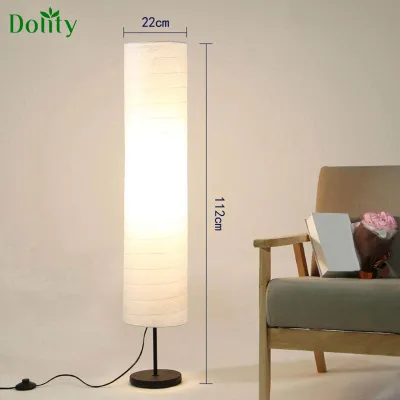
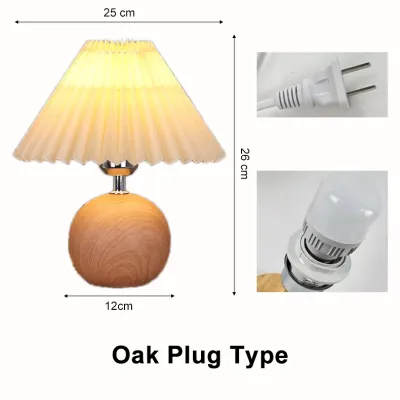
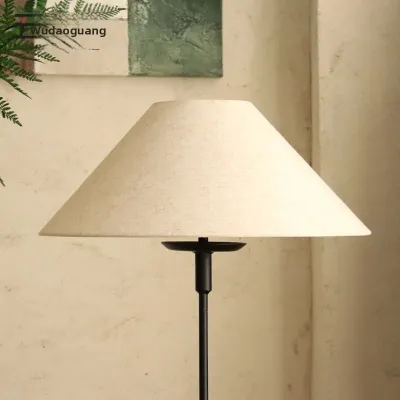
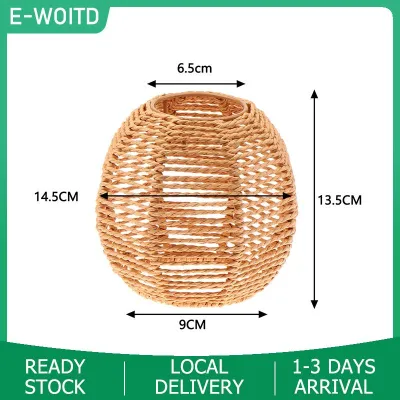
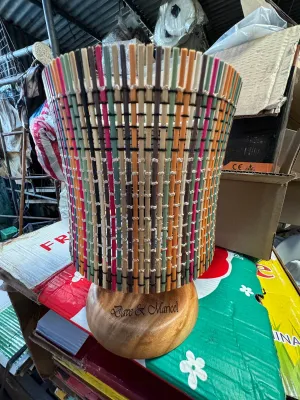
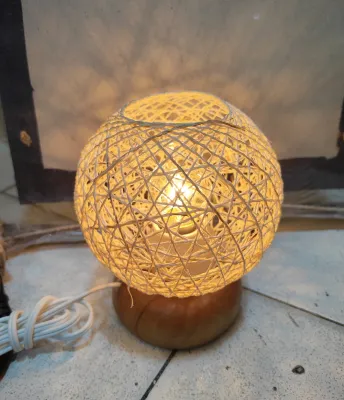
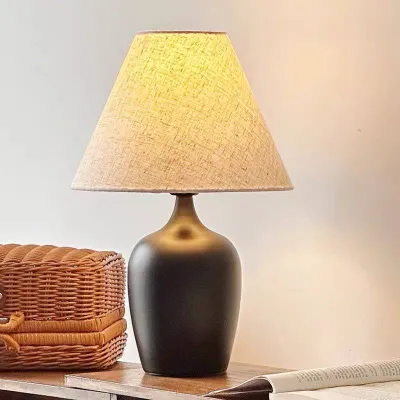
Prices are valid at publication and may change. Please refer to the product page for the latest price.
Finally, pay close attention to the interior lining of the lamp shade, as it plays a critical role in how the room’s decor is perceived. The lining acts as a reflector, altering the color temperature and mood of the emitted light. A white or silver lining reflects a crisp, cool, and clean light, which is excellent for highlighting contemporary decor and making small spaces feel breezy. Conversely, a gold or champagne lining warms up the light, casting a rich, amber glow that beautifully enhances natural wood grains and creates a cozy, intimate atmosphere during tropical evenings. Black linings block lateral light entirely, creating dramatic, focused pools of light that emphasize texture and form.
Match Lamp Shade Shapes to Your Base and Room Proportions
Achieving visual balance requires matching the shape of your lamp shade to the silhouette of your lamp base. As a general design rule, match like with like: angular bases pair best with angular shades, while curved bases complement rounded shades. For example, a straight-sided drum or cylinder shade naturally suits sleek, modern, or cylindrical bases. An elegant, sloped Empire or classic Bell shade beautifully balances curved, urn-shaped, or ornate traditional bases. Square or rectangular shades work wonderfully with blocky, geometric, or architectural bases, echoing their clean lines and structured form.

Proportion is equally vital to ensure your lamp looks balanced rather than top-heavy or stunted. To find the correct size, follow a few standard design guidelines. First, the bottom width of the lamp shade should always be wider than the widest point of the lamp base. Ideally, the shade’s width should be approximately twice the width of the base itself. Second, the height of the shade should be roughly two-thirds the height of the lamp base. Finally, when the lamp is assembled, the shade must be long enough to completely cover the internal hardware, including the electrical socket, switch, and harp, without exposing the bulb when you are seated nearby.
You must also consider the physical scale of your living room. In spacious, open-plan living areas—which are highly favored in modern homes to maximize natural ventilation—small lamps can easily get lost. In these larger spaces, opting for a bold, oversized statement drum shade can help anchor a seating arrangement and define the zone. In contrast, compact apartments or cozy reading corners require a more tailored approach. A narrow, shallow shade prevents the lamp from protruding into walkways or crowding small side tables, ensuring the space remains functional and uncluttered.
Coordinate Colors, Materials, and Patterns with Existing Furniture
The materials you choose for your lamp shade should complement the textures already present in your living room. Fabric shades, such as linen and cotton, offer a soft, versatile texture that coordinates effortlessly with casual fabric sofas and light drapes. In humid tropical climates, selecting high-quality, breathable fabrics is essential to prevent moisture retention and dust buildup. If your living room features rich, organic textures like a leather sofa or polished wooden coffee tables, introducing a woven rattan or abaca lamp shade can create a stunning, cohesive look that celebrates natural materials. For a more industrial or contemporary edge, glass or metal shades provide a sleek, durable, and easy-to-clean alternative.
Color coordination can either help your lamp blend seamlessly into the background or stand out as a bold design statement. If you prefer a calm, harmonious atmosphere, use an analogous color strategy. Choose a shade in a neutral tone—such as cream, beige, or soft gray—that closely matches your wall color or sofa fabric. This allows the lamp to integrate quietly into the room’s overall palette. If you want to create a focal point, opt for a complementary color. A vibrant shade, such as a deep forest green or rich terracotta, can add an exciting pop of color against a neutral wall, drawing the eye and adding depth to the space.
When introducing patterns, the key is to balance the visual weight of the room. If your living room already features patterned curtains, textured rugs, or busy upholstery, a solid-colored lamp shade is the safest choice to prevent visual clutter and give the eyes a place to rest. Conversely, if your room is dominated by solid colors and clean surfaces, a subtly patterned lamp shade—such as a classic stripe, a delicate geometric print, or a soft botanical motif—can inject personality and charm. Keep the scale of the pattern in proportion to the shade itself, ensuring it enhances rather than overwhelms the lamp base.
Proven Lamp Shade and Decor Pairing Combinations
Modern and Minimalist Living Rooms
For clean, uncluttered contemporary spaces, simplicity is key. Opt for straight-sided Drum or Square shades crafted from solid, high-quality linen, crisp cotton, or even matte metal. These shapes feature clean, vertical lines that emphasize structure and order. Pair these shades with geometric, thin metal rods, or sleek cylindrical ceramic bases in neutral tones such as matte black, chalk white, concrete gray, or brushed nickel. To maintain a streamlined and sophisticated aesthetic, avoid any ornate trims, fringes, or tassels. The beauty of this pairing lies in its functional simplicity and precise proportions, allowing the sculptural form of the lamp to stand out.
Traditional and Classic Interiors
If your living room embraces an elegant, warm, and historically inspired style, lean toward classic silhouettes. Choose sloped Empire or gently flared Bell shades made from luxurious fabrics like silk, heavy textured cotton, or thick parchment. These shapes soften the light and add a sense of grace to the room. Look for subtle decorative details such as delicate pleating, piping, braided trims, or soft fringes that catch the light beautifully. Pair these shades with ornate lamp bases featuring polished brass finishes, carved dark wood, or classic ceramic urn designs. This combination creates a rich, layered, and timeless look that honors traditional craftsmanship.
Industrial and Eclectic Spaces
For living rooms that celebrate raw textures, mixed materials, and bold contrasts, look for unique and unconventional pairings. Consider open metal wireframes, distressed iron, smoked glass, or dark woven split-bamboo shades. These materials allow the inner workings of the lamp to remain visible, adding an artistic, structural element to your decor. Pair these shades with exposed filament LED Edison-style bulbs and rugged bases made from concrete blocks, exposed piping, or reclaimed wood. The striking contrast between these raw, industrial elements and the warm, amber glow of the bulb creates a cozy, creative, and highly personalized eclectic atmosphere.
Common Lamp Shade Pairing Mistakes to Avoid
One of the most frequent decorating mistakes is ignoring proportion. A shade that is too small will make your lamp look awkwardly top-heavy and unfinished, while a shade that is too wide can overwhelm a delicate base and spill over the edges of your side table, creating a hazard in high-traffic areas. Another common pitfall is a style clash, such as placing a highly ornate, ruffled traditional shade on a stark, ultra-modern concrete base. While eclectic design encourages contrast, the pieces must still share a common design language or scale to look intentional rather than accidental.
Additionally, do not neglect light output when selecting your shade material. Choosing a dark, heavy, or completely opaque shade for a dark corner where you actually need bright ambient light can leave your living room feeling dim, cramped, and uninviting. Always match the opacity of the material to your practical lighting needs. In humid regions, paper shades are also prone to warping over time; choosing synthetic blends or treated natural fibers can prevent this issue.
Finally, prioritize safety and heat boundaries. Before purchasing or installing any lamp shade, always verify the lamp’s maximum wattage rating, its voltage compatibility, and the specific base or socket interface (such as E27 or E14). Ensure there is adequate physical clearance—ideally at least 2 to 3 inches—between the light bulb and the shade material to prevent heat buildup, which is especially critical for fabric, paper, or natural woven shades like rattan. If you are installing fixed wiring, wall sconces, or heavy suspended ceiling shades, always isolate the power at the main circuit breaker, follow the manufacturer’s installation instructions, and consult a qualified professional to ensure a safe and secure setup.
Frequently Asked Questions (FAQ)
Can I use a dark-colored lamp shade in a small living room?
Yes, you can use a dark-colored lamp shade in a small living room, but you must be strategic about its placement and design. Dark shades absorb lateral light and direct it primarily upward and downward, making them ideal for creating focused, cozy task lighting or highlighting a specific corner. To prevent the room from feeling too dim, choose a dark shade that features a white, silver, or gold interior lining. This light-colored lining acts as a highly efficient reflector, maximizing the light output from the top and bottom openings while maintaining a sleek, dramatic exterior aesthetic.
How do I measure for a replacement living room lamp shade?
To measure for a replacement lamp shade, you need to record three key dimensions: the bottom width (diameter), the top width, and the slant height (or vertical height for straight-sided shades). First, measure your lamp base’s height and widest point to ensure the new shade’s bottom width is wider than the base and its height is roughly two-thirds of the base. Next, identify your lamp’s fitter type. Spider fitters require a harp and a finial, uno fitters screw directly onto the socket, and clip-on fitters snap directly onto the bulb. Matching both the physical measurements and the fitter type ensures a perfect, stable fit.

Community discussion
Share your experience or ask a question. Comments are reviewed before publication.