
Choosing a plasma ball for condo ambient lighting in the Philippines requires balancing visual appeal with the practical realities of compact urban living. Rather than searching for a single universally acclaimed model, finding the right option involves evaluating sphere size, light output, electrical safety, and aesthetic compatibility with your interior decor. Because condominiums often feature open-plan layouts, shared electrical circuits, and limited surface areas, selecting a decorative light source requires careful attention to product specifications, placement, and build quality. By understanding how these factors interact with your living space, you can select a plasma sphere that provides a captivating, safe, and visually integrated glow.
Determining if a Plasma Ball Fits Your Ambient Lighting Needs
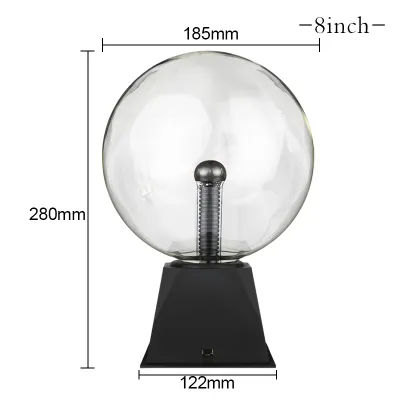
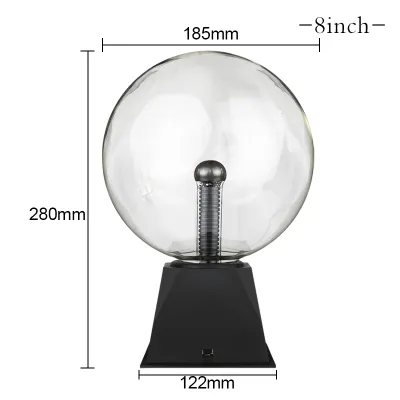
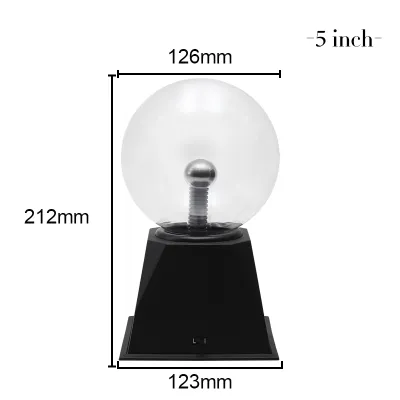
Before integrating a plasma ball into your condo, it is essential to determine whether this unique light source aligns with your overall lighting design. Plasma balls are distinct from traditional lamps; they utilize high-voltage, high-frequency electricity to ionize noble gases within a glass sphere, creating moving tendrils of colorful light. While smaller novelty versions measuring three to four inches in diameter are common on office desks, they generally lack the illumination necessary to serve as effective ambient lighting. For a condo living room or bedroom, larger decorative spheres measuring six, eight, or ten inches are far more suitable, as they emit a more substantial glow that can contribute meaningfully to a room’s secondary lighting layer.
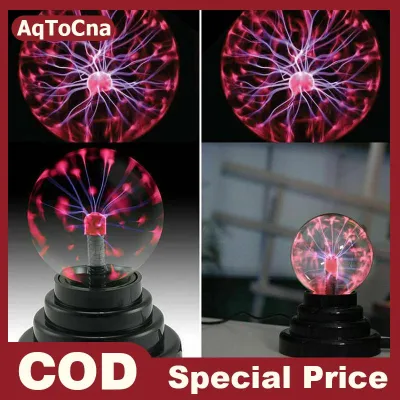
The color temperature and visual character of a plasma ball are highly specialized. Unlike the warm, steady glow of standard 2700K to 3000K LED ambient lamps, plasma discharges typically produce cool-toned, energetic hues of violet, blue, and pink. This dynamic, high-contrast light works exceptionally well as an accent or focal point in modern, industrial, or retro-themed interiors, but it can clash with traditional or rustic decors that rely solely on soft, warm lighting. To integrate a plasma ball successfully, treat it as a decorative accent rather than a primary light source. It should complement, not compete with, your existing layered lighting plan, which might include warm overhead downlights, task lamps, and subtle LED strip lighting along shelves or behind media consoles.
Products mentioned in this guide
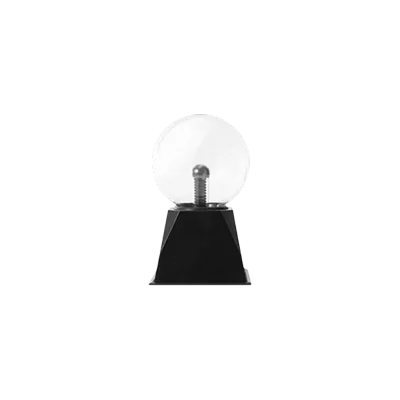
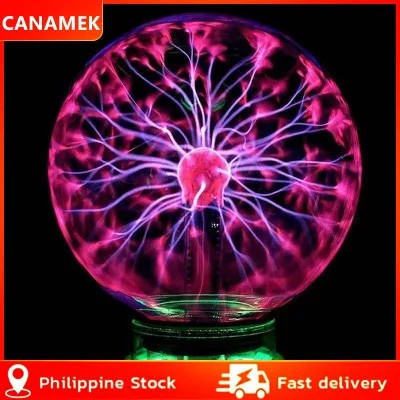
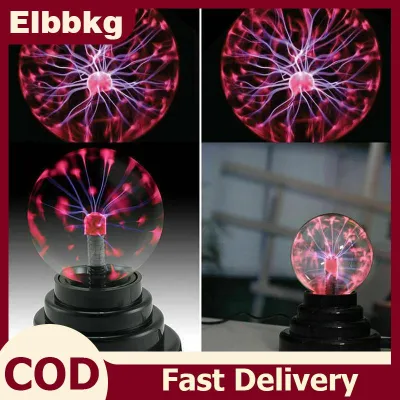
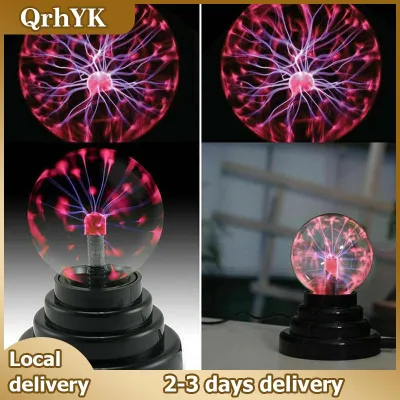
Prices are valid at publication and may change. Please refer to the product page for the latest price.
Sizing and Placement Strategies for Compact Condo Layouts
Condominiums in the Philippines often feature compact floor plans where every square meter of surface area must be utilized efficiently. When selecting a plasma ball, matching the sphere’s diameter to your available furniture is crucial. A large ten-inch model can easily overwhelm a narrow entryway console or a floating shelf, making the space feel cluttered. Conversely, a tiny four-inch model may get lost visually when placed on a wide television credenza. For most standard condo layouts, a six-inch or eight-inch sphere offers an ideal balance, providing a prominent visual display without dominating the surface it rests upon.

Placement height and viewing angles also play a significant role in how effectively the ambient light is experienced. Plasma balls are highly interactive and visually complex, meaning they are most effectively appreciated when positioned at or slightly below eye level when seated. Placing the unit on a side table next to a sofa, on a study desk, or on a media console ensures that the moving electrical arcs are clearly visible without requiring you to look upward or strain your eyes.
Furthermore, the physical constraints of condo living demand careful consideration of clearance and safety. Because plasma spheres are made of glass and contain delicate electronic components, they must be placed away from high-traffic pathways where they could be accidentally bumped or knocked over. In tropical climates, many households rely on stand fans, ceiling fans, or air conditioning units to maintain airflow. Ensure the plasma ball is positioned far from lightweight curtains, hanging fabrics, or decorative plants that could flutter into the unit. Additionally, avoid placing the device in tight, enclosed cabinetry or directly against concrete walls, as these areas can restrict airflow and trap heat, potentially shortening the lifespan of the internal transformer.
Electrical Compatibility and Safety Checks
Electrical safety is a paramount consideration when introducing any high-voltage decorative appliance into a high-density residential building like a condominium. The standard electrical system in the Philippines operates at 220 volts and 60 hertz. However, many plasma balls available on online marketplaces are manufactured for international markets and may be rated only for 110 volts. Operating a 110V appliance on a 220V circuit without a proper step-down transformer will cause immediate damage to the unit and poses a severe fire hazard. Always inspect the product label, packaging, or online specification sheet to verify that the input voltage is explicitly rated for 220V or that the unit includes a certified multi-voltage power adapter.
In addition to voltage, check for recognized electrical safety certification marks on the product or its packaging. Certifications from established testing bodies indicate that the internal wiring, transformer, and insulation have undergone rigorous safety evaluations. Avoid purchasing unbranded, exceptionally cheap models that lack clear certification details, as poor internal construction can lead to electrical shorts or overheating.
Proper cord management is also essential for maintaining both safety and a clean aesthetic. Ensure the plasma ball is placed close to an active wall outlet so the power cord does not stretch across walkways, creating a tripping hazard. If you must route the cable along a wall or behind furniture, use adhesive cable clips or plastic conduits to keep it secure and hidden.
Finally, establish safe operating boundaries. Never place a plasma ball near moisture sources, such as humidifiers, indoor water features, or open windows where sudden tropical rain showers could splash the unit. If you are performing any maintenance, cleaning, or adjusting the placement of the device, always isolate the power by unplugging the unit from the wall first. For any complex electrical installations or if you suspect an issue with your condo’s wall outlets, consult a qualified professional rather than attempting to modify the wiring yourself.
Matching Build Quality and Base Design to Your Interior
The aesthetic appeal of a plasma ball depends heavily on its physical construction and how well its base design complements your condo’s interior theme. A poorly designed base made of thin, shiny plastic can detract from an otherwise sophisticated room. When evaluating options, look for bases constructed from high-quality materials such as matte-finished acrylic, brushed metal, or realistic wood veneers. A matte black or metallic base fits seamlessly into modern minimalist or industrial condo designs, while a wood-grain finish can soften the high-tech look of the plasma sphere, making it more compatible with Scandinavian or biophilic decor styles.
Stability is another critical factor, particularly in homes with pets or young children. A top-heavy plasma ball with a narrow, lightweight base is highly susceptible to tipping. Prioritize models that feature a wide, weighted base with rubberized, non-slip feet on the bottom. This added grip prevents the unit from sliding on polished surfaces like glass coffee tables, varnished wood shelves, or smooth laminate countertops.
Inspect the quality of the glass sphere itself. High-quality plasma balls utilize thick, hand-blown glass that is more resistant to minor impacts and thermal stress than thin, machine-pressed alternatives. Pay close attention to the seam where the glass sphere meets the base. A clean, tight seal with no visible adhesive residue indicates high-quality manufacturing. A compromised seal can allow the low-pressure noble gases inside the sphere to escape slowly over time, which will eventually diminish the brightness of the electrical arcs or cause the unit to stop functioning entirely. Reading verified user reviews can provide valuable insights into the long-term durability of the glass and the integrity of the seal.
Selecting Operating Modes and Light Control Features
Modern plasma balls often come equipped with various operating modes and control features that allow you to customize the lighting effect to suit different times of day and moods. The most common configuration includes a standard “on” mode, which produces a continuous, mesmerizing display of electrical tendrils, and a touch-responsive mode, where the arcs concentrate into a single, thicker beam of light wherever your hand contacts the glass. Some models also feature a sound-activated mode, which uses an internal microphone to make the plasma arcs pulse and dance in sync with music, voices, or ambient sounds. While sound activation can be an entertaining feature during social gatherings, a steady, continuous mode is generally more conducive to a relaxed, calming condo environment.
When selecting a model, check if it offers adjustable brightness or intensity controls. Being able to dim the plasma display is highly beneficial for late-night use, allowing you to transition the room into a quiet, sleep-friendly space without the distraction of overly bright, flashing lights.
For maximum convenience, consider how the plasma ball integrates with your daily routine. If you plan to place the unit on a high shelf or in a hard-to-reach corner, look for models that include a remote control. Alternatively, verify if the device features a physical, mechanical toggle switch rather than a digital soft-touch button. A mechanical switch can be left in the “on” position, allowing you to plug the unit into a smart plug. This setup enables you to control the plasma ball using voice assistants, mobile apps, or automated schedules, seamlessly incorporating this unique accent light into your condo’s smart home ecosystem.
Frequently Asked Questions (FAQ)
Do plasma balls consume a lot of electricity?
No, decorative plasma balls are generally very energy-efficient. Most models designed for home use have a wattage rating between 5 watts and 20 watts, which is comparable to a standard LED light bulb. To verify the exact energy consumption of a specific model, check the product specifications or the label on the power adapter before purchasing. Because their power draw is so low, running a plasma ball for several hours each evening as part of your ambient lighting setup will have a negligible impact on your monthly electricity bill in the Philippines.
Can a plasma ball interfere with Wi-Fi or condo electronics?
Yes, there is a potential for minor electromagnetic interference. Plasma balls operate by generating high-frequency, high-voltage electromagnetic fields to ionize the gases inside the sphere. If placed directly next to sensitive electronic devices—such as Wi-Fi routers, smart home hubs, wireless phone chargers, or audio speakers—the electromagnetic field can cause signal disruption, slower internet speeds, or audible static. To prevent this, maintain a safe clearance of at least one to two meters between your plasma ball and any sensitive electronic equipment or wireless transmitters.
How do I clean and maintain the glass sphere safely?
To clean your plasma ball safely, always begin by unplugging the power cord from the wall outlet and allowing the glass sphere to cool down completely. Use a clean, dry, or slightly damp microfiber cloth to gently wipe away dust, fingerprints, and smudges from the glass surface. Never use harsh chemical glass cleaners, alcohol-based solvents, or abrasive scrubbing pads, as these can strip away protective coatings on the glass or damage the plastic base. Ensure the unit is completely dry before plugging it back in and turning it on.
Community discussion
Share your experience or ask a question. Comments are reviewed before publication.