
A rechargeable lamp for altar use must feature a warm color temperature, a stable and slip-resistant base, a compact footprint, and robust battery management to serve as a safe, reliable, and respectful source of illumination. In the Philippines, where tropical humidity is high and unexpected power interruptions can occur, a cordless, rechargeable light source provides both practical utility and peace of mind. By eliminating messy power cords and reducing reliance on open flames, these modern devices help maintain a serene devotional environment while significantly lowering fire risks. Selecting the right model requires balancing aesthetic preferences with strict physical and electrical safety standards.
Unlike standard task lighting designed for reading or working, altar illumination serves a deeply personal and spiritual purpose. The light should not draw attention to itself with harsh glare or modern, industrial designs; instead, it should gently highlight sacred statues, framed pictures, and offerings. Transitioning from traditional wax candles or oil lamps to a rechargeable LED alternative allows households to preserve this peaceful atmosphere without the constant worry of unattended flames. Understanding the specific technical features that make a lamp suitable for this unique environment is the first step in creating a safe, beautiful home shrine.
Why Altar Lighting Requires Specialized Features
Home altars and family shrines are highly specialized environments that demand more from a lighting fixture than a typical living room side table or office desk. These sacred spaces are often adorned with delicate lace runners, wooden carvings, paper offerings, and dried flowers, all of which are highly combustible materials. Traditional wax candles and oil lamps, while deeply rooted in devotional practices, present a constant fire hazard if left burning unattended. Replacing them with an electronic alternative is a highly practical safety measure, but only if the chosen device is specifically designed to handle the unique physical conditions of an altar.
Products mentioned in this guide
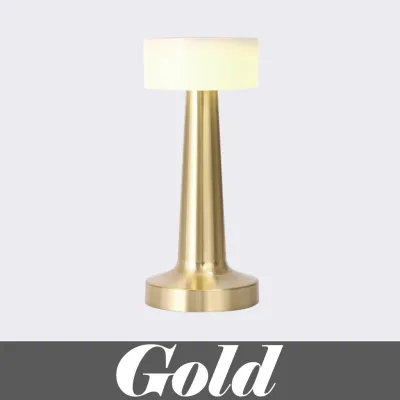
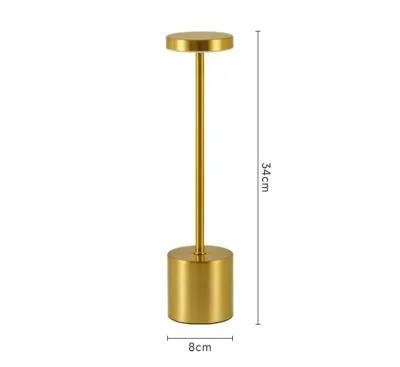
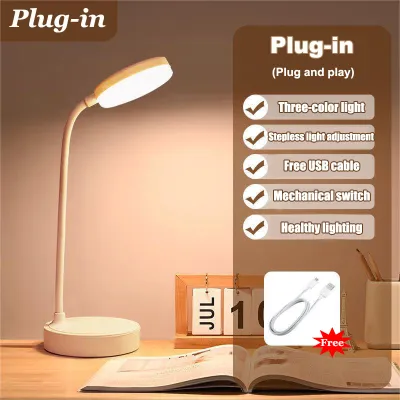

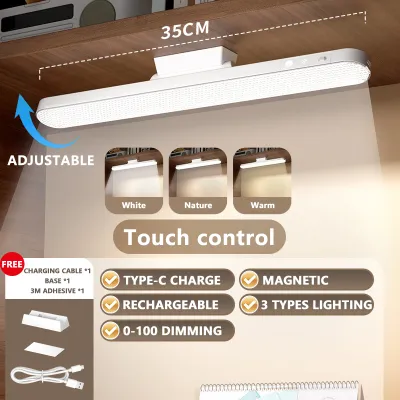
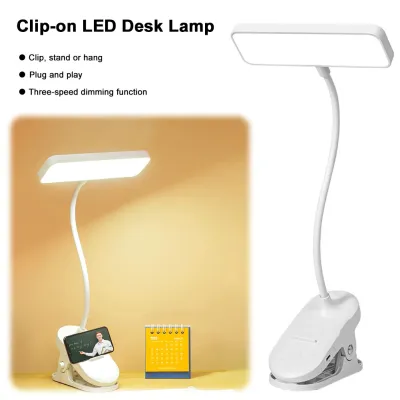
Prices are valid at publication and may change. Please refer to the product page for the latest price.
One of the primary challenges of altar lighting is the expectation of continuous or frequent use. Many households prefer to keep their shrines illuminated for several hours each evening, during family novenas, or even throughout the day during special religious observances. This extended duty cycle places a much higher demand on the lamp’s internal battery and thermal management systems than occasional task lighting would. A low-quality lamp that is not built for prolonged operation can quickly overheat, leading to premature battery degradation or, in worst-case scenarios, electrical failures.
Furthermore, the visual quality of the light plays a crucial role in maintaining a respectful, calm ambiance. Standard room lighting is often bright, cool-toned, and utilitarian, designed to maximize visibility for daily chores. An altar, however, requires a soft, warm, and stable glow that fosters a sense of peace and quiet contemplation. Harsh glare, high-frequency flickering, or overly intense light beams can easily disrupt the meditative focus of family members during prayer, making the choice of light quality just as important as the physical safety of the device.
Essential Features for a Rechargeable Altar Lamp
Selecting a rechargeable lamp that successfully balances safety, functionality, and aesthetics involves evaluating several key technical specifications. By focusing on light quality, battery performance, and physical design, you can build a reliable shortlist of options that will safely enhance your devotional space for years to come.

Light Quality and Color Temperature
The visual character of your altar is heavily influenced by the color temperature of the light source, which is measured in Kelvin (K). For devotional settings, a warm color temperature ranging from 2700K to 3000K is generally preferred as a conditional preference. This warm, golden glow closely mimics the natural, gentle light of traditional wax candles and oil lamps, creating a soft and inviting atmosphere that naturally aids in quiet reflection. Cool white or daylight lamps, which typically exceed 5000K, tend to feel clinical and overly bright, which can detract from the serene ambiance of a home shrine.
In addition to color temperature, flicker-free operation is an essential feature to verify before making a purchase. Many budget-friendly LED lamps utilize low-quality drivers that produce a rapid, high-frequency flicker. While this flicker may not always be consciously visible, it can cause significant eye strain, headaches, and physical fatigue during extended periods of silent prayer, reading, or meditation. Ensuring the lamp is rated as flicker-free helps maintain a comfortable and distraction-free environment for everyone in the household.
Finally, the ability to adjust the brightness of the lamp adds immense practical value to an altar setting. Look for models that feature multi-level brightness settings or, ideally, stepless dimming controls. This flexibility allows you to customize the light output to match different times of day and various devotional activities. You can keep the light soft and subtle during quiet evening reflections, or brighten it slightly when cleaning the altar, arranging fresh flowers, or reading small-print devotional texts.
Battery Life and Charging Convenience
Because a rechargeable altar lamp is designed to operate without a permanent, unsightly power cord, its battery capacity and charging mechanism are critical to its daily utility. You should begin by matching the lamp’s battery capacity to your household’s typical usage patterns. If your family gathers for a brief, thirty-minute prayer session each evening, a modest battery that provides four to six hours of continuous light will be perfectly adequate and can easily last a week between charges.
However, if you prefer to keep your home shrine illuminated continuously throughout the day or overnight, you will need a lamp equipped with a high-capacity lithium-ion battery. Many modern rechargeable lamps feature energy-efficient LED chips that can sustain low-brightness levels for twelve to twenty-four hours on a single charge. Evaluating these run-time specifications helps ensure that the lamp will not go dark unexpectedly during important family observances or long prayer vigils.
The charging interface itself is another important consideration for convenience and long-term durability. Modern USB-C ports are highly recommended over older micro-USB connections because they offer superior physical durability, faster charging speeds, and universal compatibility with standard smartphone chargers already present in most households. This compatibility simplifies cable management around the altar, allowing you to charge the lamp easily without keeping multiple specialized cords near the sacred space.
To prevent the lamp from losing power unexpectedly, look for models that include a clear, unobtrusive battery level indicator. This feature, which often consists of a small, color-changing LED light or a discreet multi-dot display, allows you to monitor the remaining charge at a glance. By knowing exactly when the battery is running low, you can proactively plug the lamp in to charge during times when the altar is not actively in use, ensuring it is always ready for your next devotional service.
Size, Base Stability, and Heat Management
The physical design and dimensions of a rechargeable lamp must be carefully matched to the layout of your altar. Home shrines in the Philippines are often set up in compact spaces, such as wall-mounted wooden shelves, small side tables, or dedicated alcoves. A lamp with a compact footprint is essential to ensure it fits neatly on the shelf without crowding or overshadowing religious statues, framed pictures, vases, or offering plates.
Base stability is a paramount safety feature that should never be overlooked, especially on crowded altar tables. The lamp must have a weighted base to lower its center of gravity, making it highly resistant to tipping over. Additionally, look for a base equipped with a non-slip silicone, rubber, or foam bottom pad. This non-slip layer prevents the lamp from sliding or shifting if the altar table is accidentally bumped, or if minor vibrations occur from daily household activity, protecting both the lamp and your sacred items from damage.
Heat management is another critical safety factor for any electronic device placed near combustible materials. Although LED technology is highly efficient and generates far less heat than traditional incandescent bulbs, the internal battery and driver components still produce warmth during operation. High-quality rechargeable lamps are designed with efficient internal heat sinks or ventilated housings that dissipate this warmth safely. Before purchasing, verify that the lamp housing is designed to remain cool to the touch even after several hours of continuous use, eliminating any risk of heat damage to delicate wooden surfaces or nearby decorative fabrics.
Safety and Placement Considerations for Altars
Integrating any electronic device into a devotional space requires establishing clear safety boundaries, particularly when the altar also hosts traditional elements like burning incense, wax candles, or oil lamps. Always maintain a safe clearance of at least thirty centimeters between the rechargeable lamp and any active heat source or open flame. Hot ash drifting from burning incense sticks can settle on the lamp’s housing, potentially melting plastic components, blocking ventilation paths, or accumulating inside the charging port, which can lead to electrical short circuits or overheating.
Environmental conditions also play a significant role in the safe operation of rechargeable electronics. In the Philippines, high ambient humidity combined with airborne dust and incense smoke can create a film on electronic surfaces over time. If your altar is housed inside an enclosed wooden cabinet or a poorly ventilated niche, check the manufacturer’s operating temperature limits and ensure there is adequate airflow around the device. Proper ventilation prevents heat from building up around the battery compartment, which is crucial for maintaining battery health and preventing thermal runaway.
Finally, every household should establish clear stopping conditions to ensure safety. Immediately cease using the rechargeable lamp and disconnect it from any power source if you observe warning signs such as a swollen or bloated battery casing, a cracked outer shell, frayed or damaged charging cables, or if the device becomes unusually hot to the touch during charging or operation. In these situations, do not attempt to open or repair the battery yourself. Discard the damaged cable or lamp safely, or consult the manufacturer or a qualified electrical professional for assistance.
How to Build Your Altar Lamp Shortlist
To find the ideal rechargeable lamp for your home shrine, begin by creating a personalized requirement matrix based on your specific setup. Measure the exact physical dimensions of your altar shelf, noting the available depth and height clearance, and estimate your typical daily usage hours. This simple planning step will help you quickly filter out models that are too bulky for your space or lack the battery capacity required to sustain your daily prayer schedule.
When browsing online marketplaces or visiting local home improvement stores, carefully verify the product labels, packaging, and technical specifications. Look for recognized electrical safety certifications, such as the Philippine Standard (PS) quality mark or the Import Commodity Clearance (ICC) sticker, which confirm that the device has undergone rigorous safety testing and complies with local electrical standards. Additionally, verify the voltage compatibility of the charging adapter (typically 5V for USB devices) and ensure the wattage limits align with your household’s existing USB power blocks.
Finally, compare the warranty terms and after-sales support offered by different manufacturers. A reliable warranty that covers battery degradation, charging port failures, and manufacturing defects is a strong indicator of a high-quality product. Choosing a reputable brand that provides clear customer support channels ensures that you can easily address any technical issues that may arise, keeping your devotional space safely and beautifully illuminated for years to come.
Frequently Asked Questions (FAQ)
Can I leave a rechargeable lamp plugged in continuously on my altar?
While many modern rechargeable lamps are equipped with built-in overcharge protection circuits, leaving a lithium-ion battery permanently connected to an active charger is generally not recommended. Continuous charging can accelerate battery degradation over time and may lead to minor, persistent heat buildup within the battery compartment. To maximize the lifespan of the battery and maintain the highest level of safety, it is best to cycle the battery by unplugging the charger once the lamp is fully charged, or to strictly follow the manufacturer’s specific guidelines regarding continuous plug-in operation.
Is it safe to use a rechargeable lamp near burning incense?
Yes, it is safe to use a rechargeable lamp near burning incense, provided you maintain a safe physical distance and establish a regular cleaning routine. Incense smoke carries fine particulate matter and oily residues that can settle on the lamp’s surface, while burning sticks produce hot, falling ash. If the lamp is placed too close, this ash can damage the housing or enter the charging port, creating a potential short-circuit hazard. To prevent this, place the lamp at a safe distance from the incense burner, and regularly wipe down the unplugged lamp with a dry, soft microfiber cloth to keep the ports and heat dissipation vents free of dust and residue.
Community discussion
Share your experience or ask a question. Comments are reviewed before publication.