
Selecting the ideal rechargeable lamp shade for your bedside or living room requires balancing battery runtime, light quality, physical dimensions, and safety certifications. Because these cordless fixtures rely on internal power cells rather than a continuous wall outlet, matching the battery capacity to your daily usage patterns ensures your space remains reliably illuminated without constant trips to the charging station. By understanding the key technical specifications and design elements, you can find a versatile lighting solution that enhances both the functionality and aesthetic appeal of your home.
Define Your Lighting Goals for the Bedside or Living Room
Before browsing designs, identify exactly how you intend to use the light in your specific space. A bedside table typically requires focused task lighting that allows you to read comfortably without straining your eyes or disturbing a sleeping partner. In contrast, a living room setup often benefits from soft, diffused ambient lighting that fills dark corners, softens shadows, and creates a relaxing atmosphere during evening hours.
Consider how the new cordless fixture will interact with the existing light sources in your home. In tropical environments like the Philippines, where large windows may let in abundant natural light during the day, your rechargeable lamp might only serve as a supplementary accent in the evening. Assess whether you need a shade that directs light downward onto a book or one made of translucent material that scatters a warm, omnidirectional glow throughout the room.
Products mentioned in this guide
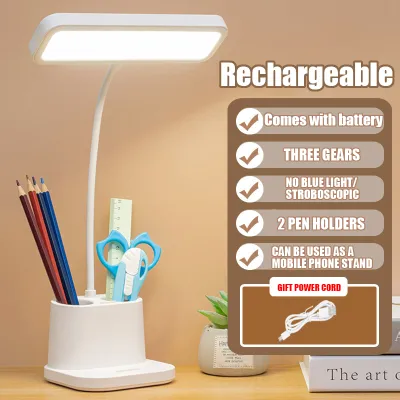
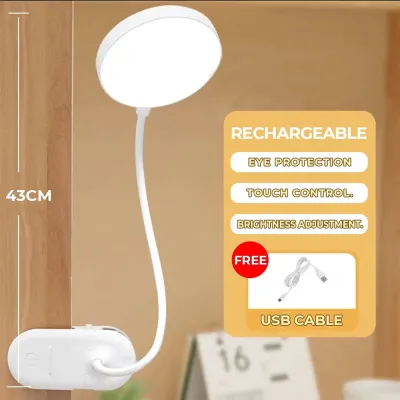
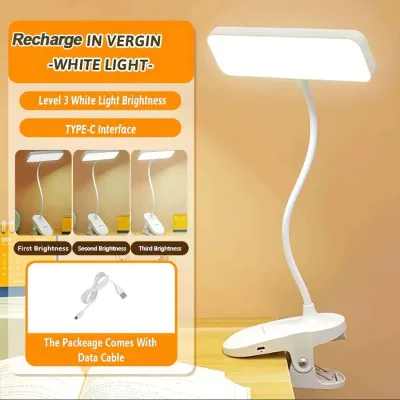
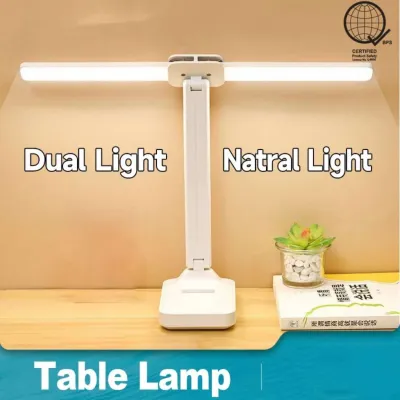
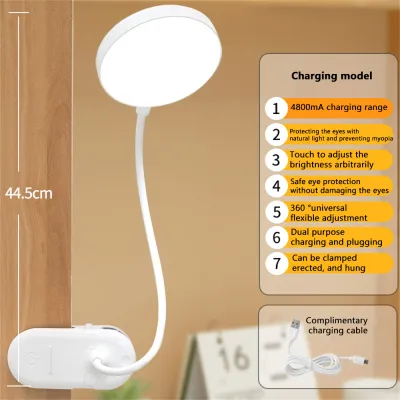
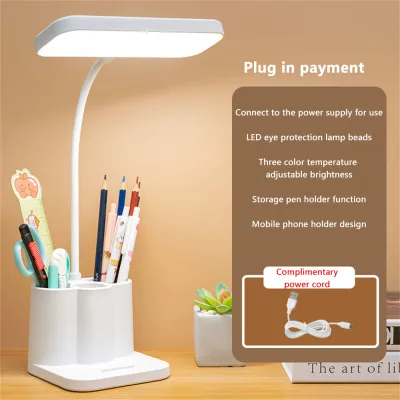
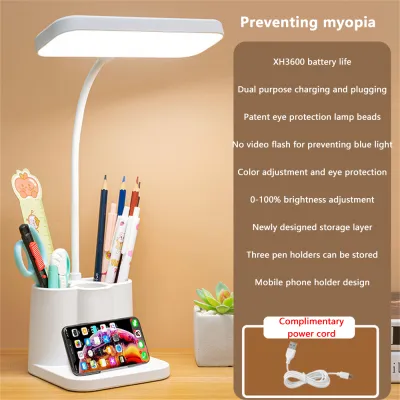
Prices are valid at publication and may change. Please refer to the product page for the latest price.
Evaluate Battery Capacity and Charging Convenience
Because cordless lamps operate on rechargeable lithium-ion or similar battery cells, reviewing the power specifications is essential for a seamless experience. Manufacturers typically list estimated runtimes for both the lowest and highest brightness settings. A lamp that lasts for dozens of hours on a dim ambient setting might only run for a few hours when turned up to full brightness for reading, so you must verify that the high-output runtime matches your typical evening usage.

Next, examine the charging interface and the physical port location on the lamp base or shade assembly. Most modern rechargeable fixtures utilize standard USB-C or micro-USB ports, which allow you to share cables with your mobile devices or power banks. Check the manufacturer’s documentation for the estimated recharge time from empty to full, ensuring it fits into your daily routine without leaving you in the dark.
Proper battery maintenance is crucial for longevity, especially in warm, humid tropical climates. High ambient temperatures can accelerate battery degradation over time, so it is wise to review the manufacturer’s guidelines regarding optimal operating and charging temperatures. Look for instructions on charging cycles, such as avoiding leaving the battery completely depleted for extended periods, to preserve the cell’s overall lifespan.
Assess Brightness, Color Temperature, and Dimming Controls
The quality of light emitted by your rechargeable lamp directly impacts the comfort of your living space. Start by checking the lumen rating, which measures the total light output of the integrated LED source. For bedside reading, a moderate lumen output that focuses light downward prevents harsh glare, while a living room accent lamp might require a different output level depending on whether it is used for general atmosphere or specific tasks.
Color temperature, measured in Kelvins (K), dictates the visual warmth of the light. Warmer tones, typically ranging from 2700K to 3000K, mimic traditional incandescent bulbs and are highly recommended for bedrooms because they promote a relaxing, cozy environment. For living rooms where you might host guests, read, or work, a neutral white light around 4000K can provide better clarity and complement your existing interior decor.
To maximize the versatility of a cordless lamp, look for models that feature step-less dimming or multiple preset brightness levels. A built-in memory function is highly convenient, as it automatically restores the lamp to your last used brightness level when turned back on. Test or verify how the controls operate—whether through a physical switch, a touch-sensitive base, or a remote control—to ensure the interface is intuitive for daily use.
Match Dimensions, Materials, and Design to Your Space
A rechargeable lamp must fit physically and visually onto your furniture. Before purchasing, measure the surface area of your bedside nightstand or living room side table, keeping in mind that cordless lamps are highly portable and might be moved frequently. Ensure the base diameter and the widest part of the shade leave enough clearance for other essentials like books, glasses, or a phone.
The material of the lamp shade determines both its durability and how it diffuses light. Fabric shades, such as linen or cotton, offer a classic look and gently diffuse light, but they can accumulate dust and require regular vacuuming or brushing. Plastic, acrylic, or metal shades are highly durable and easy to wipe clean with a dry cloth, making them practical choices for high-traffic living areas or homes with pets and children.
Finally, ensure the overall design language aligns with your existing interior style. Whether your home features a minimalist, rustic, or contemporary aesthetic, the lamp’s finish—such as matte black, brushed brass, or natural wood—should complement nearby objects. Because cordless lamps lack a power cord, they offer a clean, uncluttered look that can elevate the visual appeal of any tabletop or shelf.
Verify Safety Labels and Manufacturer Guidelines
Electrical safety should always be a primary consideration when introducing battery-powered appliances into your home. Look for recognized national or international electrical certification marks on the product packaging or the lamp itself to ensure it has undergone rigorous safety testing. Verify the rated input and output parameters, such as voltage and amperage, to ensure you use a compatible charging adapter that will not overheat the battery.
In tropical regions where humidity is naturally high, or if you plan to place the lamp near an open window or on a patio, check the product’s Ingress Protection (IP) rating. While standard indoor lamps are not designed to handle moisture, some versatile rechargeable models feature basic water resistance that protects them from accidental splashes or damp air. Always consult the manufacturer’s instructions regarding safe placement and environmental limits.
Additionally, review the manufacturer’s warranty terms before finalizing your purchase. Because all rechargeable batteries experience natural degradation over years of use, check if the warranty covers premature battery failure or if the manufacturer offers replacement battery packs. Understanding these policies beforehand helps protect your investment and ensures long-term utility.
Execute Your Selection and Pre-Purchase Checks
To make an informed decision, compile a shortlist of candidate lamps that meet your aesthetic and functional requirements. Compare their key specifications—such as battery capacity, lumen output, and dimensions—alongside their retail prices in ₱. This side-by-side comparison allows you to evaluate which model offers the best value for your specific budget and lighting needs.
When shopping on online marketplaces, pay close attention to verified buyer feedback rather than relying solely on promotional descriptions. Look for reviews that specifically mention real-world battery performance over several months of use, as well as the overall sturdiness of the build. Photos and videos uploaded by actual customers can provide a more accurate representation of the lamp’s true size and light diffusion quality.
Before completing your transaction, confirm the retailer’s return policy and the process for registering your warranty. Ensure you can easily return or exchange the product if the light output is insufficient, or if the physical dimensions do not fit your space as expected. Keeping your proof of purchase and registering the product promptly secures your access to customer support should any technical issues arise.
Frequently Asked Questions (FAQ)
Can I leave a rechargeable lamp plugged in continuously?
Most modern rechargeable lamps feature built-in battery management systems designed to prevent overcharging when connected to a power source. However, leaving a cordless lamp plugged in continuously can still subject the battery to constant heat, which may accelerate degradation over time. To maintain optimal battery health, it is highly recommended to follow the manufacturer’s specific charging instructions and occasionally allow the battery to discharge during normal use.
Are rechargeable lamps safe for humid environments?
Standard rechargeable lamps designed for indoor use are generally not sealed against moisture and should not be used in highly humid environments like bathrooms or uncovered outdoor spaces. High humidity can cause moisture to penetrate the casing, potentially damaging the internal circuitry or the battery. Always check the product specifications for an explicit IP (Ingress Protection) rating before exposing any rechargeable fixture to damp conditions.
Community discussion
Share your experience or ask a question. Comments are reviewed before publication.