
Choosing a scrying mirror—a dark, highly polished reflective surface used as a striking decorative accent—requires balancing material properties, room proportions, and framing styles. Unlike standard silver-backed mirrors that bounce light to make a space feel larger, these deep, dark surfaces serve as moody focal points that absorb light and invite quiet contemplation. To select the right piece, you must evaluate whether a natural volcanic stone like obsidian, a sleek pane of black glass, or a heavily veined polished stone fits your aesthetic preferences and structural mounting limits.
Integrating a dark reflective surface into your home decor is an exercise in balancing shadow and light. Because these mirrors do not behave like traditional glass, their placement, size, and surrounding accents must be carefully planned. By understanding the physical characteristics of different materials and how they interact with your room’s existing design, you can select a piece that serves as both a captivating conversation starter and a harmonious design element.
Comparing Scrying Mirror Materials: Glass, Obsidian, and Stone
Black Glass
Black glass is one of the most popular options for those seeking a flawless, highly reflective surface. Manufactured by adding dark pigments directly into molten glass, this material offers exceptional clarity and a perfectly uniform plane. Because it lacks the natural variations found in stone, black glass provides a crisp, uninterrupted reflection that works exceptionally well in modern, minimalist, or high-tech interiors.
Products mentioned in this guide
![[NaJUAN] High Quality Natural Black Obsidian Scrying Mirror Healing Crystals Stone Round Plate Mirror Home Decor with Shelf](https://img.lazcdn.com/g/p/6c2d304fdf4a8fc446932187cc5eecae.jpg_400x400q80.jpg_.webp)
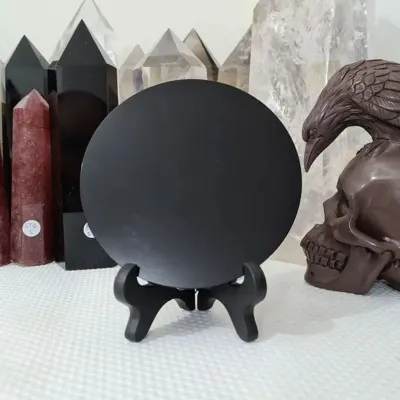
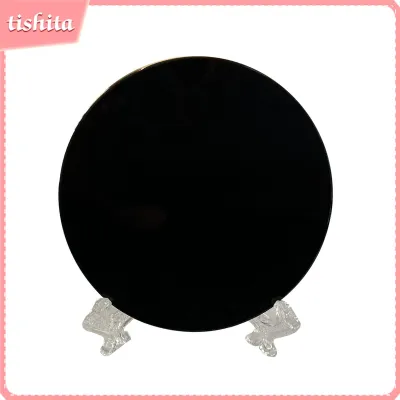
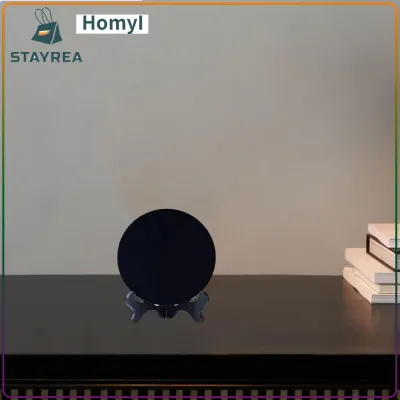
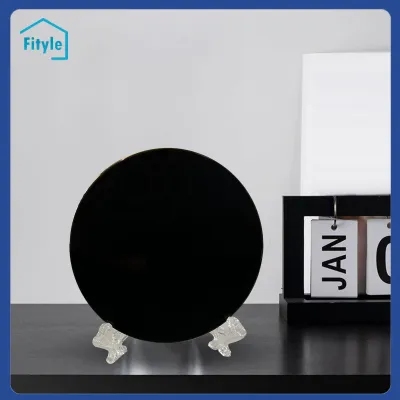

Prices are valid at publication and may change. Please refer to the product page for the latest price.
However, the pristine surface of black glass comes with practical trade-offs. It is highly susceptible to showing fingerprints, dust, and smudges, requiring frequent maintenance to keep its sleek appearance. Additionally, glass is inherently fragile and prone to chipping or shattering if mishandled, making it less suitable for high-traffic areas or homes with active pets and young children.
Obsidian
Obsidian is a naturally occurring volcanic glass formed when silica-rich lava cools rapidly, preventing crystalline growth. This organic origin gives each obsidian mirror a unique character, often featuring subtle internal flow lines, microscopic mineral inclusions, or slight surface variations. The reflection off polished obsidian is deep and slightly softer than that of manufactured glass, offering a rich, historical aesthetic that appeals to collectors and lovers of natural history.
Because obsidian is a natural stone, finding large, flawless pieces can be challenging and often carries a premium. The material is also relatively heavy and brittle, meaning it requires the same careful handling as manufactured glass but with the added complexity of irregular natural edges or backings. Its unique volcanic origin makes it a standout feature piece, but buyers should inspect the surface closely to ensure any natural inclusions do not compromise the structural integrity of the disc.
Polished Stone
Polished stones, such as black onyx, dark marble, or highly polished granite, offer a completely different visual experience. These materials are opaque and feature intricate, natural veining patterns that run through the surface. Rather than providing a sharp, mirror-like reflection, polished stone offers a diffused, painterly sheen that emphasizes the texture and organic beauty of the rock itself.
These stone slabs are incredibly durable and resistant to minor scratches compared to glass, but they are also exceptionally heavy. A medium-sized stone mirror can weigh several times more than a glass equivalent of the same dimensions. This significant weight demands robust mounting solutions and careful consideration of the wall’s structural capacity before installation.
Determining the Ideal Size and Shape for Your Room
Assessing Visual Weight and Room Dimensions
Before purchasing a dark mirror, it is essential to measure your available wall or tabletop space and consider the visual weight of dark objects. In interior design, dark colors pull the eye inward, making them feel heavier than light-colored items of the same size. A large black mirror can easily dominate a small room, absorbing too much ambient light and creating a somber atmosphere if not balanced correctly.

For compact rooms or cozy study spaces, a smaller tabletop mirror ranging from 15 to 20 centimeters in diameter provides a subtle, intriguing accent without overwhelming the area. In contrast, larger living rooms or entryways can accommodate wall-mounted pieces of 50 centimeters or more, provided the surrounding wall color and decor help integrate the dark surface into the overall design scheme.
Selecting the Right Silhouette
The geometric shape of your mirror influences the spatial flow and focal points of your room. Round mirrors are highly versatile; their soft, continuous curves break up the rigid lines of rectangular furniture, bookshelves, and door frames, creating a more organic and welcoming feel. Oval mirrors offer a similar softening effect but with a classic, portrait-like elegance that suits traditional or vintage-inspired spaces.
Rectangular and square mirrors provide a structured, architectural look that aligns perfectly with modern, industrial, or minimalist design themes. These shapes can be used to echo the clean lines of a mantelpiece, console table, or headboard. When choosing a shape, consider the existing lines in your room and decide whether you want the mirror to blend seamlessly with those structures or provide a contrasting, organic counterpoint.
Viewing Distance and Scale
Consider how you and your guests will interact with the mirror based on its placement. If the mirror is intended as a personal tabletop accent, a smaller size allows for close-up viewing and easy handling. If the goal is to create a primary wall anchor, the mirror must be large enough to be appreciated from across the room, ensuring its dark surface reads as an intentional design choice rather than an empty dark spot on the wall.
Selecting Frame Styles to Complement Your Interior Decor
Frameless and Beveled Edges
For a sleek, contemporary aesthetic, a frameless dark mirror with clean or beveled edges is an excellent choice. This style allows the dark, reflective surface to stand entirely on its own, creating a minimalist look that integrates seamlessly into modern spaces. Frameless mirrors are particularly effective when you want to emphasize the pure geometry of the shape, such as a perfect circle or a sharp rectangle, without any visual distraction.
Metallic Frames
Metallic frames provide a striking contrast against the deep, light-absorbing surface of a dark mirror. A frame in brushed gold, warm bronze, or polished brass adds a touch of luxury and warmth, catching the light and drawing attention to the mirror’s boundary. For a cooler, more industrial or high-tech look, silver, chrome, or pewter frames offer a clean, sophisticated border that highlights the deep black center.
Wooden and Carved Frames
Wooden frames bring warmth, texture, and an organic feel to dark mirrors, making them ideal for traditional, rustic, or eclectic interior themes. A dark, polished mahogany or walnut frame can enhance the moody, classic look of the mirror, while a distressed, light-colored oak or driftwood frame provides a rustic contrast. In tropical environments where humidity levels fluctuate, it is crucial to ensure that any wooden frame is properly sealed and treated to prevent warping, cracking, or mold growth over time.
Placement and Lighting Strategies for Dark Reflective Surfaces
Managing Glare and Reflections
Because dark mirrors rely on a highly polished surface to create depth, they are incredibly sensitive to lighting. Placing a dark mirror directly opposite a bright, uncovered window will result in harsh, blinding glare that washes out the deep reflection and makes the surface uncomfortable to look at. Instead, position the mirror on a wall adjacent to windows, where it can capture soft, angled natural light and reflect the ambient colors of the room.
Creative Accent Lighting
To maximize the decorative impact of a dark mirror, consider using dedicated accent lighting. Flanking the mirror with soft wall sconces or positioning a directional spotlight overhead can highlight the texture of the frame and reveal the subtle depth of the dark surface. Using warm-toned bulbs can create a cozy, inviting glow that contrasts beautifully with the cool, dark depths of the mirror, turning a simple wall accent into a dramatic focal point.
Safe Mounting and Structural Support
Due to the substantial weight of materials like thick glass, obsidian, and polished stone, identifying safe mounting zones is critical. Avoid hanging heavy mirrors in high-traffic areas, narrow hallways, or near doorways where they could be easily bumped or jarred. Always ensure that the mounting hardware is rated for the specific weight of your mirror, and use heavy-duty wall anchors or mount directly into wall studs to prevent accidental falls.
Cleaning and Maintaining Your Scrying Mirror
Safe Cleaning Routines
Keeping your dark mirror free of dust, fingerprints, and smudges is essential for maintaining its deep, reflective quality. Always use a clean, dry microfiber cloth to gently wipe away surface dust before applying any liquid cleaners, as dragging dust particles across the surface can cause micro-scratches. For daily maintenance, a simple wipe with a dry microfiber cloth is often all that is required.
When a deeper clean is necessary, choose a cleaning agent formulated specifically for your mirror’s material. For black glass, a standard, ammonia-free glass cleaner applied to the cloth rather than sprayed directly onto the mirror works beautifully. For natural stone mirrors like obsidian, onyx, or marble, avoid acidic or abrasive household cleaners, which can etch the polished surface and permanently dull the shine; instead, use a mild, pH-neutral stone cleaner.
Hardware and Frame Maintenance
In addition to cleaning the reflective surface, regularly dust the frame and inspect the mounting hardware. In humid climates, moisture can slowly degrade metal hanging wires, brackets, and wall anchors, potentially compromising the security of the installation. A quick check every few months ensures that the mirror remains safely secured to the wall and that the frame shows no signs of splitting or loosening.
Knowing When to Seek Professional Help
While minor smudges and dust are easy to manage at home, deeper scratches, chips, or structural damage to a heavy frame require professional attention. Attempting to buff out deep scratches on natural stone or glass without the proper equipment can unevenly wear down the surface, creating dull spots. If your mirror suffers significant damage, consult a professional stone restorer or a qualified framing specialist to preserve the beauty and safety of your piece.
Frequently Asked Questions (FAQ)
Can a dark mirror make a small room look bigger?
No, dark mirrors do not visually expand a room in the same way that standard, silver-backed clear mirrors do. While traditional mirrors bounce light back into the space to create the illusion of extra square footage, dark reflective surfaces absorb light and draw the eye inward. They are best used to add visual depth, contrast, and a moody, sophisticated focal point rather than to make a small space feel physically larger.
Is natural stone too heavy to hang on a standard wall?
Polished stone and thick obsidian mirrors can be exceptionally heavy, but they can be safely hung on standard walls if the correct installation methods are used. For heavy pieces, it is critical to avoid relying on simple nails or standard plastic drywall plugs. Instead, use heavy-duty toggle bolts, sleeve anchors, or mount the hanging brackets directly into the wooden or metal studs behind the wall. If you are mounting a heavy stone mirror onto a solid concrete or masonry wall, use appropriate masonry anchors and drills. If you are uncertain about the weight limit of your wall or the installation process, always consult a qualified professional installer to ensure the mirror is suspended safely.
Community discussion
Share your experience or ask a question. Comments are reviewed before publication.