
To protect your sleep quality, the best night lamp for a bedroom table is one that provides low-intensity, warm-toned illumination (ideally between 2200K and 2700K) and features adjustable dimming settings. In a tropical climate like the Philippines, where bedrooms balance air conditioning, high humidity, and various ventilation setups, selecting the right bedside lighting also requires a focus on durable materials, heat dissipation, and local electrical safety certifications. By prioritizing warm color temperatures, adjustable brightness, and proper physical placement, you can create a soothing sanctuary that supports your body’s natural sleep-wake cycle.
How Light Exposure Affects Your Sleep Cycle
Our bodies rely on natural environmental cues to regulate the circadian rhythm, the internal 24-hour clock that dictates when we feel alert and when we feel sleepy. The primary driver of this system is light exposure, which directly influences the production of melatonin, a hormone synthesized by the pineal gland that signals to your body that it is time to rest. When your eyes detect bright light, particularly during the late evening hours, a specialized group of photoreceptors in the retina sends signals to the brain to suppress melatonin production, keeping you in an artificial state of high alertness.
To support a healthy sleep cycle, you must carefully manage the color and intensity of the light in your bedroom. Bright, cool-toned light—which contains high amounts of blue wavelengths—mimics natural midday sunlight and is highly effective at keeping you awake. Conversely, warm, dim lighting mimics the gentle hues of a sunset, allowing your brain to naturally wind down and begin the transition into sleep mode. Choosing a dedicated night lamp for your bedroom table that emits this softer, warmer spectrum ensures you have sufficient visibility for nighttime tasks without disrupting your body’s physiological preparation for rest.
Products mentioned in this guide


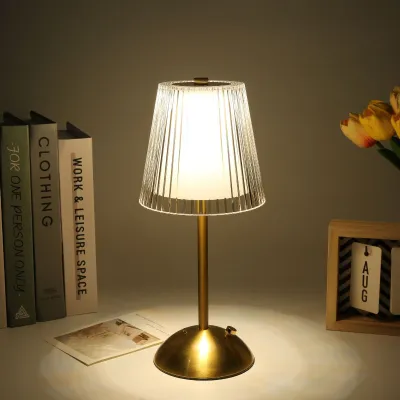
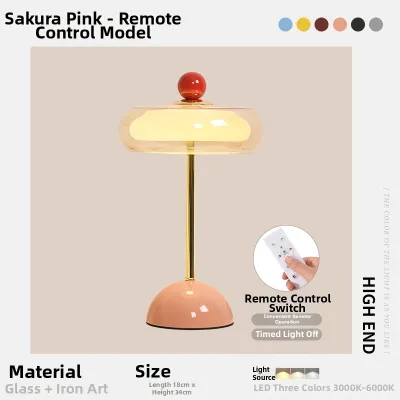
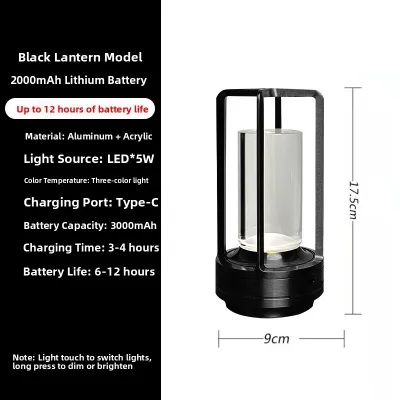
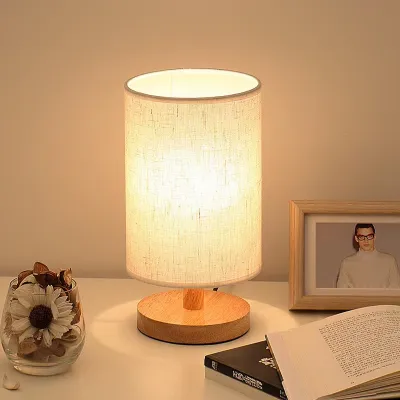
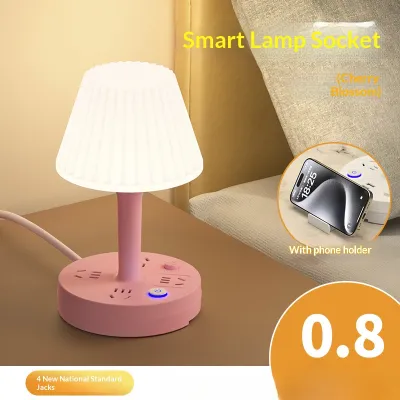
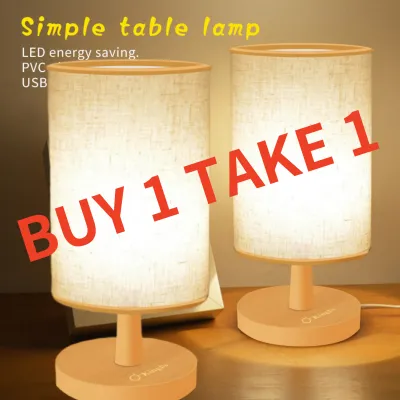
Prices are valid at publication and may change. Please refer to the product page for the latest price.
Essential Features for a Sleep-Friendly Bedside Lamp
Finding the perfect balance between evening functionality and sleep preservation requires looking closely at the technical specifications of both the lamp fixture and the bulb you choose to install.

Color Temperature: When shopping for bulbs, pay close attention to the Correlated Color Temperature (CCT) rated in Kelvins (K). For a bedside table, you should strictly look for bulbs labeled “extra warm white” or “soft white,” which typically range from 2200K to 2700K. Avoid bulbs labeled “daylight” (5000K to 6500K) or “cool white” (4000K) for bedtime use, as these emit high levels of blue light that will actively interfere with your sleep hygiene.
Brightness Control: A sleep-friendly lamp must offer adjustable brightness levels to accommodate different activities. Look for fixtures equipped with integrated rotary dimmers, touch-sensitive bases with multiple brightness tiers, or compatibility with smart dimming protocols. For general nighttime navigation or winding down, the light output should ideally be kept below 100 to 200 lumens, which provides just enough illumination to prevent trips and falls without causing glare.
Bulb Compatibility and Safety: Before purchasing any lamp or replacement bulb, verify that the electrical specifications are fully compatible with your home’s wiring. In the Philippines, the standard household electrical system operates at 220 volts (V) and 60 hertz (Hz). Ensure that any imported lamp or smart bulb is rated for 220V to prevent overheating, flickering, or premature component failure. Check the fixture’s maximum wattage limit—usually printed on a sticker near the socket—and never exceed this threshold, especially when using traditional incandescent or halogen bulbs that generate significant heat. Additionally, look for standard, easily replaceable base types such as E27 (medium screw base) or E14 (small screw base) to ensure you can easily find replacement bulbs in local hardware stores. Always look for safety certifications like the Philippine Standard (PS) mark or the Import Clearance Certificate (ICC) sticker on the packaging to ensure the electrical components have undergone rigorous safety testing. For safety, always isolate the power source before installing or replacing a bulb.
Smart and Timer Features: Modern smart lighting offers excellent utility for optimizing your sleep environment. Smart bulbs allow you to program automatic schedules, gradually dimming the light over a 30-minute period to simulate a natural sunset as you prepare for bed. Some smart systems can be controlled via mobile applications or voice assistants, allowing you to turn off the light without having to reach out or sit up, which helps keep your heart rate low and your mind relaxed right before drifting off.
Matching Lamp Types to Your Nighttime Routine
Every individual utilizes their bedside space differently, meaning the physical design of your lamp should align with your specific evening habits.
For Bedtime Reading
If your evening routine involves reading physical books or e-readers, a generalized ambient glow may cause eye strain, while a bright overhead light will disrupt your sleep cycle. The ideal solution is a directional reading lamp, such as an adjustable gooseneck lamp or a swing-arm table lamp. These designs allow you to focus a narrow beam of light directly onto your pages while keeping the rest of the room relatively dark. To prevent sleep disruption, ensure the lamp head is positioned to cast light downward, shielding the bare bulb from your direct line of sight and preventing harsh glare from bouncing off the pages into your eyes.
For Ambient and Navigation Lighting
For those who simply need a gentle guide for middle-of-the-night wakeups or a relaxing backdrop while preparing for bed, ambient lamps are the most appropriate choice. Look for table lamps featuring thick, opaque, or heavily textured fabric shades, or those with frosted or tinted glass enclosures. These materials scatter the light evenly across the room, eliminating harsh shadows and bright hot spots. A low-profile, stable lamp with an enclosed shade ensures that even if you look directly toward the bedside table in the dark, your eyes will not be exposed to the intense glare of an uncovered light source.
For Nighttime Childcare or Nursing
Parents tending to infants or young children during the night require a highly specialized lighting setup that balances visibility with extreme gentleness. A touch-activated bedside lamp is exceptionally beneficial here, as it allows you to tap the base silently to turn on a low-level glow without fumbling for a noisy inline switch in the dark. For late-night feedings, diaper changes, or soothing a restless child, consider utilizing a lamp or smart bulb capable of emitting red or deep amber light. Red light has the longest wavelength on the visible spectrum and is scientifically proven to have the least impact on melatonin production, allowing both you and your child to return to sleep much more easily after the task is complete.
Placement and Usage Tips to Minimize Sleep Disruption
Even the most advanced sleep-friendly lamp can disrupt your rest if it is positioned incorrectly or used at the wrong times.
Positioning and Height: The physical placement of your night lamp for a bedroom table should be carefully calibrated relative to your bed. When you are lying down on your pillow, the bottom of the lampshade should ideally sit at or slightly below your eye level. This geometric alignment ensures that the physical shade blocks the direct glare of the bulb from shining into your eyes while you are resting. If the lamp is too tall, or if your bedside table is elevated significantly higher than your mattress, you will be exposed to the bright, unshielded underside of the fixture, which can instantly trigger alertness.
Shade Selection: The material, shape, and color of your lampshade play a critical role in controlling light distribution. Deep drum shades or tapered empire shades made from woven linen, cotton, or dark-colored parchment are excellent for bedside use because they direct the light upward and downward rather than outward. In humid tropical environments, choose breathable, high-quality fabrics or treated paper shades that do not trap excessive moisture, and clean them regularly with a dry microstatic cloth to prevent dust buildup, which can dim the light output and degrade air quality.
Evening Routine: To maximize the benefits of your sleep-friendly bedside lamp, establish a consistent pre-sleep transition routine. Turn off all bright overhead fluorescent or cool-toned LED ceiling lights approximately 30 to 60 minutes before your target bedtime. Relying solely on the warm, low-intensity glow of your bedside table lamp during this wind-down period signals to your brain that the day is ending, allowing your natural melatonin production to rise unhindered.
Frequently Asked Questions (FAQ)
Is it better to use a smart bulb or a lamp with a built-in dimmer?
The choice depends on your preference for convenience versus simplicity. Smart bulbs offer unparalleled customization, allowing you to fine-tune the exact color temperature, set automated sleep timers, and control the light via your smartphone or voice assistant. However, they require a stable Wi-Fi connection and a compatible non-dimming fixture. Physical dimmers built directly into the lamp base provide reliable, tactile control that does not rely on internet connectivity or software updates. If you choose a smart bulb, ensure it is installed in a standard on/off fixture; pairing a smart bulb with a traditional physical wall or cord dimmer can cause electrical buzzing, flickering, and permanent damage to the bulb’s internal circuitry.
Can I use a regular desk lamp on my bedside table?
While you can physically place a desk lamp on your bedside table, standard office desk lamps are typically engineered for task productivity, featuring cool-toned, high-intensity beams designed to promote focus and alertness. If you decide to repurpose a desk lamp for your bedside, you must modify it to protect your sleep quality. Check the fixture’s maximum wattage limit and replace the cool-white or daylight bulb with a warm-toned LED bulb (2200K to 2700K) with a low lumen output. Additionally, adjust the lamp’s flexible neck or head to point the light downward and away from your bed to prevent direct glare from shining into your eyes while you rest.
Community discussion
Share your experience or ask a question. Comments are reviewed before publication.