
Choosing a St. Benedict bell garden ornament for an outdoor space in the Philippines requires balancing devotional significance with practical outdoor durability. Because these ornaments feature the highly detailed St. Benedict medal, selecting a piece that resists tropical weathering while complementing your garden’s scale and acoustic environment is essential. By understanding the materials, sizes, and installation requirements available, you can find an ornament that serves as a beautiful, lasting addition to your home.
This guide outlines how to define the bell’s role in your landscape, evaluate materials against intense humidity and rain, balance acoustics for close-knit residential areas, verify authentic designs, and install your ornament safely.
Defining the Role of the Bell in Your Garden
Before browsing options, clarify how the ornament will function in your outdoor space. Garden bells generally fall into three categories: devotional focal points, wind-activated acoustic features, or purely decorative accents. Identifying your primary goal helps narrow down the design, placement, and material requirements.
Products mentioned in this guide

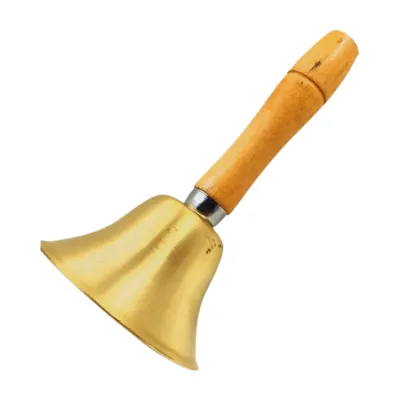
Prices are valid at publication and may change. Please refer to the product page for the latest price.
Stationary devotional ornaments often feature a static St. Benedict statue or plaque paired with a small, symbolic bell motif. These pieces are designed to sit quietly on garden altars, pedestals, or nestled among low-growing plants. They serve as visual reminders of faith and are rarely meant to produce continuous sound. If your goal is to create a quiet, meditative corner for prayer, a stationary ornament is often the most appropriate choice.
In contrast, functional hanging bells and wind chimes rely on natural air movement to produce sound. These ornaments feature a suspended bell, a clapper, and often a wind sail decorated with the St. Benedict medal. They add an acoustic layer to the garden, transforming gentle breezes into soft, resonant tones. When selecting a functional bell, consider how often the wind blows through your yard and whether you prefer a constant acoustic presence or an occasional, manual ring.
Aligning the ornament’s purpose with your personal spiritual practices ensures the piece remains meaningful over time. For instance, some homeowners prefer a manual pull-bell mounted near an entryway, allowing family members and guests to ring the bell as a blessing upon entering or leaving the home. Others prefer a wind-driven chime placed near a bedroom window where the gentle sound can be heard indoors during quiet hours.
Evaluating Materials for Tropical Weather Resistance
The tropical climate of the Philippines presents unique challenges for outdoor decor. High humidity, heavy monsoon rains, intense solar radiation, and salty coastal breezes can rapidly degrade low-quality materials. Selecting a weather-resistant material is the most critical factor in ensuring your St. Benedict bell remains beautiful and structurally sound.

Brass and Bronze
Brass and bronze are highly recommended metals for outdoor bells due to their exceptional resistance to deep structural corrosion. While these metals will naturally oxidize over time when exposed to rain and humidity, they develop a greenish-blue surface layer known as verdigris. This patina does not weaken the metal; instead, it forms a protective barrier against further weathering and adds a classic, antique aesthetic to the garden. If you prefer a bright, polished look, brass will require regular polishing and a clear protective lacquer, whereas allowing the natural patina to develop requires virtually no maintenance.
Cast Iron
Cast iron offers a heavy, traditional look and produces a deep, clear ring. However, iron is highly susceptible to rust when exposed to moisture. To survive the wet season, a cast-iron bell must have a thick, intact protective coating, such as powder coating or outdoor-grade paint. If the coating chips or scratches, rust will quickly form and spread, potentially staining nearby walls or paving. Homeowners choosing cast iron must be prepared to inspect the ornament regularly and apply rust-inhibiting touch-ups as needed.
Resin and Stone Composites
Resin and stone-plastic composites are popular for highly detailed St. Benedict statues and decorative bell frames. These materials are lightweight, affordable, and can mimic the appearance of carved stone or aged bronze. However, standard resin can become brittle and crack under intense, direct sunlight. When choosing resin, verify that the manufacturer specifies UV resistance and outdoor rating. Placing resin ornaments in semi-shaded areas, such as under a pergola or a large tree canopy, can also extend their lifespan.
Treated Wood
Some wind chimes incorporate wooden accents, such as top suspension discs or wind sails. In tropical environments, untreated wood will quickly rot, warp, or fall victim to termites. Ensure any wooden components are made from durable hardwoods or have been pressure-treated and sealed with marine-grade varnish. Regularly reapplying a water-resistant sealant is necessary to prevent the wood from splitting under the alternating cycle of heavy rain and intense sun.
Matching Size, Scale, and Acoustic Output to Your Space
A garden ornament should harmonize with its surroundings both visually and acoustically. An improperly sized bell can either get lost in lush tropical foliage or visually overwhelm a delicate patio setup. Similarly, the sound produced must be appropriate for your living environment.
Visual scale is determined by the surrounding elements. In a spacious backyard with mature mango trees, large palms, or concrete boundary walls, a small, delicate bell will be visually insignificant. A larger, more robust metal bell or a tall statue-and-bell combination creates a balanced focal point. Conversely, for pocket gardens, townhouses, or veranda spaces, a smaller, intricately detailed hanging bell prevents the area from feeling cluttered.
Sound profile is influenced by the bell’s physical dimensions, wall thickness, and clapper material. Large, heavy bells with thick walls produce a deep, low-pitched resonance that carries over long distances. Small, thin-walled bells produce a higher, brighter pitch that remains localized. The material of the clapper also plays a role; a metal clapper striking a metal bell creates a sharp, clear ring, while a wooden or resin clapper softens the impact, resulting in a gentler sound.
Neighborhood proximity is a crucial consideration in densely populated residential areas, such as subdivisions or condominium complexes. A loud, heavy bell that rings continuously during windy afternoon storms can quickly become a nuisance to nearby neighbors. If you live close to others, opt for a manual pull-bell that only rings when intended, or choose a wind chime with a small, lightweight sail that requires a stronger breeze to activate. Some hanging bells also feature removable clappers or silencers, allowing you to mute the sound during severe weather or quiet hours.
Navigating Sourcing Channels and Verifying Product Details
Finding a high-quality St. Benedict bell requires careful sourcing, especially when looking for accurate devotional details and durable construction. Buyers can explore several retail channels, both physical and digital, to find the right piece.
Local garden centers and specialized religious goods stores are excellent starting points. Visiting a physical store allows you to inspect the material quality firsthand, feel the weight of the bell, and hear its actual tone before purchasing. Religious goods shops, particularly those located near historic basilicas or parish churches, often carry beautifully crafted devotional items with accurate medal designs.
Online marketplaces and specialized ecommerce platforms offer a wider variety of styles, sizes, and price points. When shopping online, verifying seller credentials and reading customer reviews is essential. Look for reviews that specifically mention how the item performs outdoors over several months, as well as feedback regarding packaging quality, since heavy metal or fragile resin items can easily be damaged during transit. Check the merchant’s return and replacement policies to protect your purchase.
Always scrutinize the product description for exact specifications. Do not rely solely on product photos, which can sometimes be misleading regarding scale. Note the total weight of the ornament; a heavy cast-iron or bronze bell requires robust mounting hardware, which may not be included in the package. Ensure the listing explicitly states what mounting accessories, such as chains, brackets, or screws, are provided so you can prepare the installation site in advance.
Planning Safe Installation and Long-Term Maintenance
Proper installation ensures your garden bell remains secure during extreme weather, while regular maintenance preserves its appearance and acoustic quality. Because hanging bells represent a suspended load, safety must be your top priority during the mounting process.
Secure Mounting and Structural Integrity
Before hanging a bell, assess the load-bearing capacity of the supporting structure. Heavy metal bells should only be mounted to solid wood beams, concrete walls, or sturdy metal pergolas. If hanging the bell from a tree branch, select a thick, healthy branch that is unlikely to snap during high winds. Avoid mounting heavy ornaments to thin vinyl siding, hollow drywall, or lightweight decorative trellises.
Use high-quality, rust-resistant mounting hardware. Stainless steel or hot-dip galvanized screws, eye hooks, and chains are highly recommended for tropical environments, as they will not rust or weaken over time. Ensure all hooks are closed or feature safety latches to prevent the bell from being lifted off its mount during strong gusts of wind. If your installation requires working at height, drilling into concrete, or securing exceptionally heavy loads, always follow the manufacturer’s installation instructions or consult a qualified professional contractor to complete the work safely.
Placement Safety
Avoid hanging heavy bells directly over high-traffic walkways, seating areas, or children’s play zones. In the event of a severe storm or typhoon, suspended ornaments can swing violently or fall, posing a safety hazard. Position the bell in a location where it has ample clearance to swing without hitting nearby walls, window panes, or branches, which could damage both the ornament and your home.
Maintenance Routine
Establish a quarterly inspection and cleaning schedule to keep your ornament in top condition. High humidity encourages the growth of mold, mildew, and algae, especially on resin or stone composite surfaces. Use a soft brush and clean water to gently remove dirt, fallen leaves, and spiderwebs. Avoid using harsh chemical cleaners or abrasive scrubbers, which can strip away protective coatings, paint, or natural patinas.
During your routine inspection, check all hanging cords, chains, and mounting screws for signs of wear. Nylon cords can degrade from UV exposure, while metal chains can develop weak links. Replace any worn components immediately to prevent the bell from falling. If a severe tropical storm or typhoon is forecasted, temporarily remove hanging bells and store them indoors to protect them from damage.
Building Your Selection Shortlist
To make a confident purchase, synthesize your research into a practical comparison framework. This helps you weigh different options based on your specific garden layout, aesthetic preferences, and budget in Philippine Pesos (₱).
When evaluating potential purchases, use the following criteria to guide your decision:
- Material Durability: Does the material suit your local microclimate? (e.g., brass for coastal areas, powder-coated iron for sheltered patios, UV-resistant resin for shaded garden beds).
- Devotional Accuracy: Does the ornament feature a clear, respectful, and accurate representation of the St. Benedict medal? Verify that the key inscriptions—such as the initials C.S.P.B. (Crux Sancti Patris Benedicti) and the surrounding letters of the traditional blessing—are legible and correctly cast.
- Acoustic Level: Is the sound output appropriate for your property size and proximity to neighbors?
- Installation Requirements: Do you have a suitable, safe structure to support the weight of the bell, or will you need to purchase additional mounting hardware?
- Budget: Set a realistic budget in ₱ that accounts for both the ornament itself and any necessary installation hardware or professional assistance.
By distinguishing between your non-negotiable requirements (such as weather resistance and safety) and your flexible aesthetic preferences (such as color or specific decorative flourishes), you can easily identify the best St. Benedict bell for your outdoor space. Remember to consult a professional installer if you are dealing with heavy cast-iron pieces or complex high-altitude mountings.
Frequently Asked Questions (FAQ)
Can a St. Benedict bell be placed indoors if outdoor conditions are too harsh?
Yes, transitioning an outdoor-rated St. Benedict bell to an indoor space is an excellent way to preserve its finish if your local outdoor conditions are exceptionally harsh. When moving a bell indoors, ensure the ceiling or wall structure can support the weight of the ornament. Hanging a heavy metal bell from standard indoor drywall ceiling panels requires locating a solid wooden ceiling joist or using heavy-duty toggle bolts.
Indoor environments generally require less frequent cleaning, but dust can still accumulate in the intricate crevices of the St. Benedict medal. Wipe the bell periodically with a dry, microfiber cloth. Keep in mind that indoor acoustics differ significantly from outdoor spaces; a bell that sounds soft in an open garden may sound much louder and more resonant inside a closed room. Adjust the placement away from high-traffic indoor pathways to prevent accidental bumps.
How do I clean a tarnished metal garden bell without damaging its finish?
Before applying any cleaning agents, always check the manufacturer’s care instructions, as some bells feature specialized protective lacquers that can be ruined by solvents. For uncoated brass or bronze bells that have developed a heavy, dark tarnish, you can use a gentle, non-abrasive cleaning paste made from equal parts baking soda and lemon juice. Apply the paste with a soft cloth, rub gently in circular motions, rinse thoroughly with clean water, and dry the metal completely.
Always test any cleaning method on a small, inconspicuous area of the bell first to ensure it does not cause discoloration. Avoid using steel wool, wire brushes, or harsh chemical acids, as these will scratch the metal and strip away the fine details of the St. Benedict medal. If the bell is a valuable antique or features delicate historical detailing, it is best to leave the natural patina intact or seek professional restoration services to avoid accidental damage.
Community discussion
Share your experience or ask a question. Comments are reviewed before publication.