
Finding the right study lamp for student needs involves more than simply picking the brightest light on the shelf. A student’s study lamp must provide adjustable brightness, customizable color temperatures, and flexible physical positioning to prevent eye strain during long study sessions. In the Philippines, where study spaces range from air-conditioned bedrooms to humid, fan-cooled study corners, selecting a lamp requires balancing visual comfort with practical electrical and physical durability. By focusing on ergonomic adjustability and eye-safe illumination controls, you can create an environment that supports sustained concentration without causing physical fatigue.
Understand Your Lighting Needs for Long Study Sessions
Task lighting serves a distinct purpose compared to general room lighting. While a ceiling fixture illuminates an entire room, it often casts shadows over your desk when you lean forward to read or write. A dedicated study lamp focuses light directly onto your workspace, highlighting text and screens while minimizing the shadows created by your head and hands. This targeted illumination reduces the cognitive load required to process visual information, helping you maintain focus for longer periods.
Relying solely on ambient light or, conversely, using a single bright lamp in a pitch-black room can quickly lead to eye strain. When the contrast between your desk and the surrounding room is too high, your pupils must constantly adjust as your gaze shifts between your book and the darker corners of the room. This continuous adjustment causes eye fatigue, headaches, and a general drop in concentration. A balanced setup uses a dedicated task lamp to illuminate the immediate work area while keeping the rest of the room softly lit.
Products mentioned in this guide
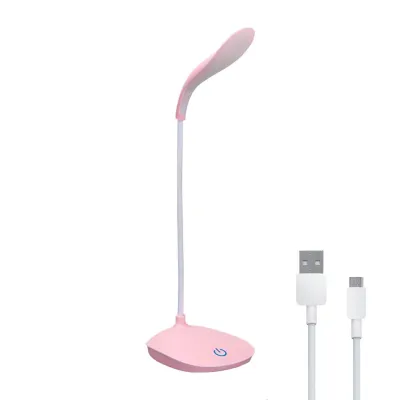
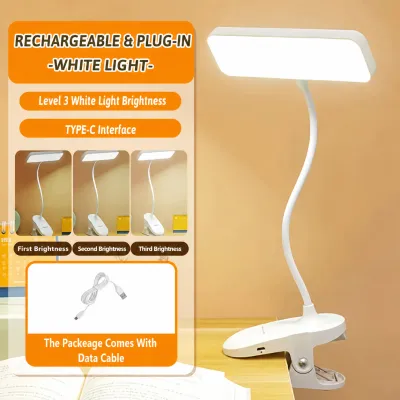
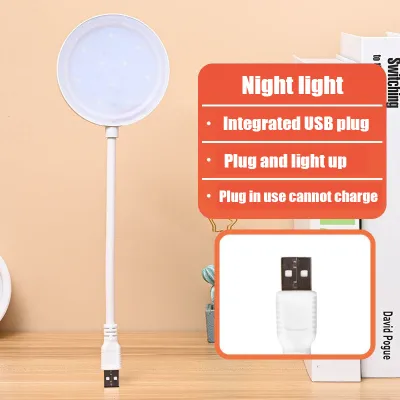
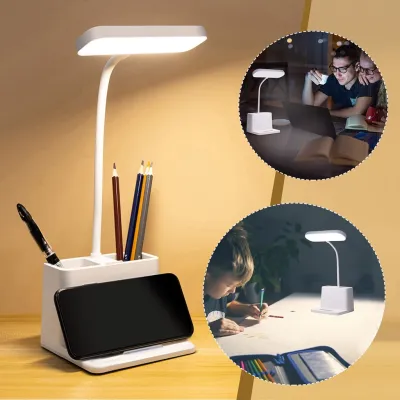
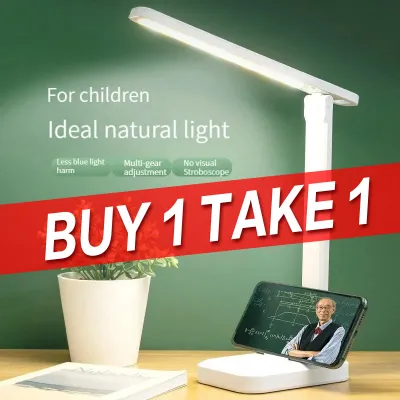
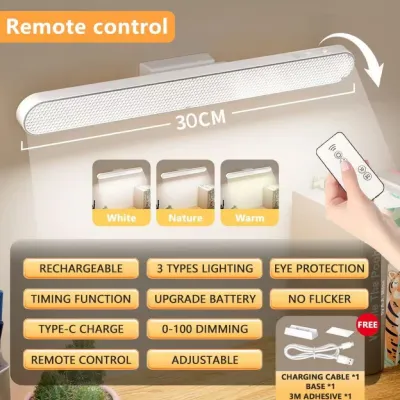
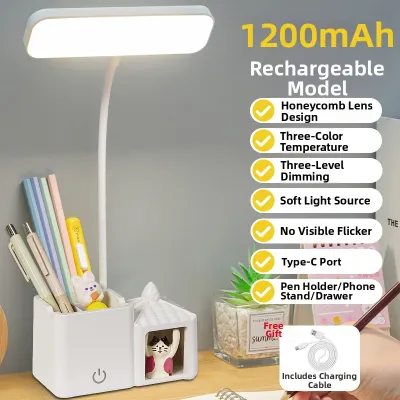
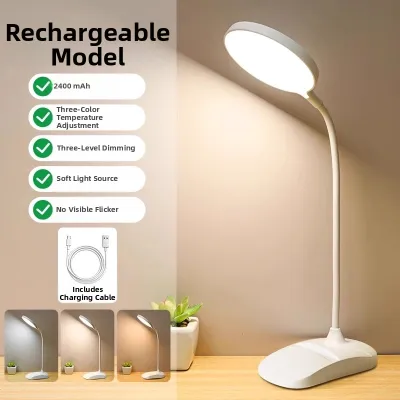
Prices are valid at publication and may change. Please refer to the product page for the latest price.
Poor desk lighting manifests in several observable ways. You might notice a harsh glare reflecting off glossy textbook pages or laptop screens, which forces you to squint or tilt your head at uncomfortable angles. Deep, dark shadows cast by your hands or the lamp itself can obscure your writing, leading to poor posture as you lean in to see clearly. Recognizing these issues is the first step toward establishing a baseline for a healthy, comfortable, and productive study environment.
Evaluate Brightness and Illumination Controls
When selecting a study lamp for student desks, prioritize models that offer adjustable brightness levels rather than a single, fixed output. Your lighting needs change depending on the time of day and the task at hand. Reading a physical textbook under bright afternoon sun requires different light intensity than typing on a self-illuminated laptop screen at midnight. Step-less dimming or multiple preset brightness levels allow you to fine-tune the output to match your immediate environment.

To understand a lamp’s light intensity, check the product specifications for lumens or lux ratings. Lumens measure the total amount of light emitted by the source, while lux measures the intensity of light falling on a specific surface. For comfortable reading and writing, look for a lamp that delivers sufficient lux to your desk surface without creating blinding hot spots. High-quality LED lamps often provide detailed specifications on their packaging, allowing you to verify their output before making a decision.
Harsh, direct light can create uncomfortable reflections on paper and screens. To prevent this, look for lamps equipped with built-in diffusers, frosted shades, or specialized optical panels that scatter the light evenly. A well-diffused light source softens shadows and eliminates the intense glare that causes rapid eye fatigue. This is especially important if you study with glossy materials, tablets, or glass-topped desks that naturally reflect light back toward your eyes.
Select the Right Color Temperature for Focus and Comfort
Color temperature, measured in Kelvin (K), significantly influences your alertness and comfort levels. Light tones generally fall into three categories: warm white (around 2700K to 3000K), neutral white (around 4000K), and cool white (5000K and above). Warm light creates a relaxing, cozy atmosphere, making it suitable for light reading before bed. However, it is not ideal for high-focus tasks as it can induce sleepiness over time.
For intense study sessions, neutral or cool white light is generally preferred. Cool light mimics daylight, which helps suppress melatonin production and promotes alertness, making it excellent for complex problem-solving or early morning study. A versatile study lamp features adjustable color temperature settings, allowing you to transition from a crisp, cool light during daytime study to a softer, warmer tone as you wind down in the evening.
Another critical specification to verify is the Color Rendering Index (CRI). CRI measures how accurately a light source reveals the true colors of objects compared to natural sunlight, rated on a scale up to 100. For students studying art, design, anatomy, or any subject requiring accurate color identification in diagrams, a lamp with a high CRI (typically 90 or above) is essential. Checking the CRI rating on the product label ensures that colors appear vivid and true to life, preventing mistakes caused by color distortion.
Check Adjustability and Ergonomic Design
An adjustable lamp arm and head are essential for directing light exactly where you need it. Look for lamps with multi-axis rotation, flexible goosenecks, or articulated joints. This flexibility allows you to position the light source below eye level to prevent direct glare, while angling it to eliminate shadows cast by your writing hand. If you are right-handed, the lamp should ideally be positioned on the left side of your desk, and vice versa for left-handed writers.
Stability is another crucial factor, especially on busy desks where books and laptops are constantly shifted. Evaluate the weight of the lamp base to ensure it will not tip over when the arm is fully extended. Alternatively, if desk space is limited, consider a clamp-on model or a monitor light bar. A sturdy clamp secures the lamp to the edge of your desk, freeing up valuable surface area for notebooks and devices while maintaining a stable, wobble-free position.
Consider the overall physical footprint of the lamp in relation to your workspace. A massive lamp might overwhelm a small study corner, while a tiny lamp may fail to provide adequate coverage across a large desk. Measure your available desk space and compare it with the lamp’s dimensions. In humid tropical environments, dust can accumulate quickly on flat surfaces; choosing a lamp with a clean, minimalist design and enclosed joints makes regular cleaning easier and prevents dust from interfering with mechanical parts.
Verify Power, Safety, and Desk Compatibility
Before purchasing any study lamp, verify its electrical specifications to ensure compatibility with your home setup. In the Philippines, the standard electrical system operates at 220V and 60Hz. Check the product label or power adapter to confirm it matches these ratings. Using a lamp designed for a different voltage without a proper converter can damage the internal electronics or pose a safety hazard.
If you choose a lamp that uses replaceable bulbs, always check the manufacturer’s maximum wattage limit printed inside the socket. Installing a bulb that exceeds this limit can generate excessive heat, potentially melting plastic components or damaging the lamp’s wiring. For integrated LED lamps, which do not have replaceable bulbs, verify the rated lifespan and warranty terms to ensure long-term reliability.
Electrical safety should always be a priority. Look for recognized safety certification marks on the packaging, such as the Philippine Standard (PS) mark or the Import Commodity Clearance (ICC) sticker, which indicate the product has undergone safety testing. Additionally, inspect the power cable’s length and routing. A cable that is too short may require unsafe extension cord daisy-chains, while a poorly routed cable can create a tripping hazard or get pinched behind heavy desk furniture.
Frequently Asked Questions (FAQ)
Should I use a study lamp alongside overhead room lighting?
Yes, you should always use your study lamp in conjunction with ambient room lighting. Relying solely on a bright desk lamp in a dark room creates a high-contrast environment that forces your eyes to adjust continuously as you look around, leading to rapid eye strain and fatigue. To create a comfortable study space, keep your overhead room lights on at a soft, glare-free level to balance the focused illumination provided by your desk lamp.
How do I clean and maintain my study lamp?
To clean your study lamp safely, always unplug it from the wall outlet first and allow any hot components to cool down completely. Wipe the exterior surfaces with a dry or slightly damp microfiber cloth to remove dust and fingerprints, avoiding harsh chemical cleaners or abrasive pads that could scratch the finish. For integrated electronic controls or USB ports, use only a dry cloth to prevent moisture from entering the internal circuitry. Always refer to the manufacturer’s instructions for specific material care guidelines.
Community discussion
Share your experience or ask a question. Comments are reviewed before publication.