
Choosing between a bedside reading lamp and a living room ambient lamp comes down to balancing focused task lighting with diffused background illumination. A bedside reading lamp requires directional control, adjustable brightness, and a narrow beam to prevent eye strain without waking a partner. In contrast, a living room ambient lamp focuses on soft diffusion, decorative integration, and wider light distribution to complement the room’s overall layout and existing fixtures. In residential spaces in the Philippines, where high humidity and tropical warmth influence material choices, selecting the right table lamp also involves checking physical durability, heat dissipation, and electrical safety. Understanding these distinct roles ensures you purchase a fixture that serves its exact purpose while enhancing your home’s comfort.
Core Differences in Lighting Needs
Task lighting and ambient lighting serve entirely different visual functions. Task lighting, which is essential for bedside reading, delivers a concentrated beam of light directly onto a page or device. This localized illumination must be carefully controlled to prevent glare, which occurs when light reflects harshly off white paper or glossy screens. Proper glare control in a bedroom setup ensures that the reader can focus comfortably for extended periods without casting disruptive light across the rest of the bed.
Ambient lighting, on the other hand, is designed to fill a room with a soft, general glow that softens shadows and reduces the contrast between dark corners and bright screens. In a living room, a table lamp acts as a secondary light source that works alongside ceiling fixtures, downlights, or natural window light. Instead of focusing on a single point, an ambient lamp distributes light outward and upward, bouncing off walls and ceilings to create a warm, welcoming atmosphere.
Products mentioned in this guide
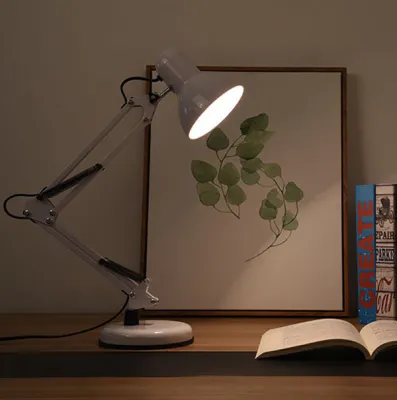
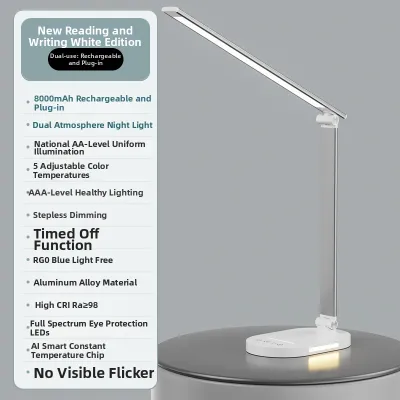
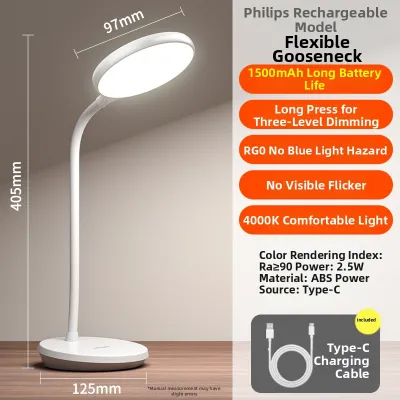

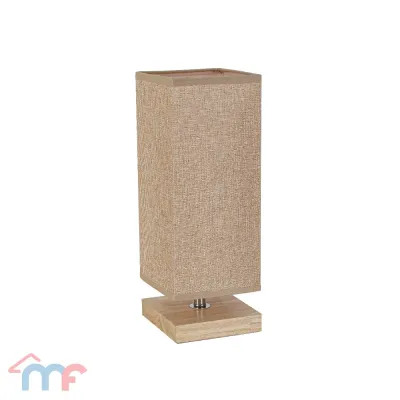
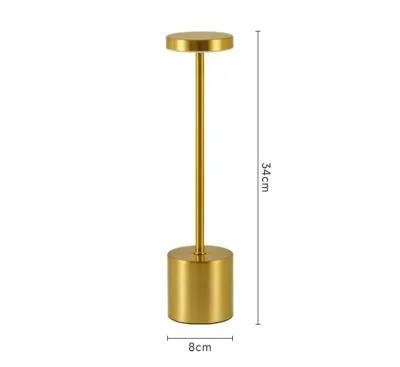
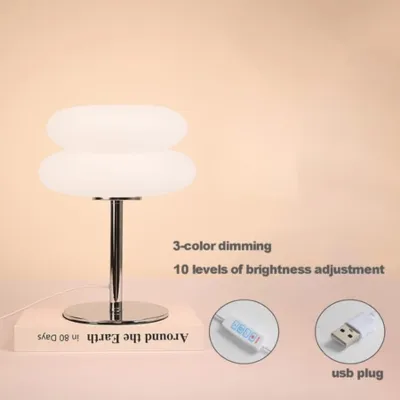
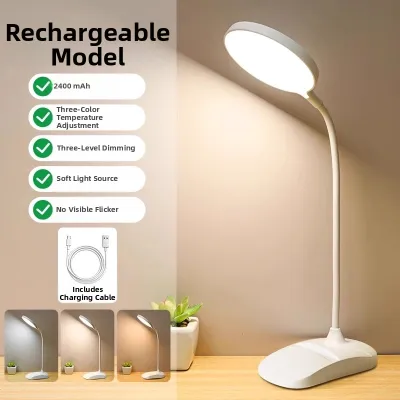
Prices are valid at publication and may change. Please refer to the product page for the latest price.
The integration of these lamps depends heavily on your existing room layout. In a living room, a table lamp is often placed on a side table next to a sofa, a console behind a couch, or an accent credenza. Its role is to bridge the gap between high overhead lights and the lower seating area, creating layers of light that make the space feel cozy and balanced. In the bedroom, the layout is much more intimate, requiring the lamp to sit within arm’s reach on a nightstand where its light can be easily controlled without standing up.
Key Specifications for Bedside Reading Lamps
When shopping for a bedside reading lamp, checking the product specifications label is the first step to ensuring visual comfort. Look for bulbs or integrated LED fixtures that offer adjustable color temperatures, typically ranging from a warm 2700K to a neutral 4000K. While warmer tones are generally preferred before sleep to promote relaxation, a slightly cooler, neutral white can improve contrast for reading. Verifying that the fixture supports dimming allows you to transition from active reading to a low-level nightlight.

Physical adjustability is a critical feature for task-focused bedside lamps. Models with goosenecks, swing arms, or adjustable joints allow you to direct the beam precisely onto your book while keeping the light source below eye level to avoid direct glare. The shade design also plays a major role; opaque materials like metal, thick ceramic, or heavy lined fabric direct the light downward or in a narrow beam, preventing the light from spilling across the bed and disturbing anyone sleeping nearby.
The physical footprint of the lamp base must be evaluated against your nightstand dimensions. A bedside table often holds essentials like a phone, a glass of water, and reading materials, meaning a compact base is highly advantageous. Additionally, consider the placement of the power switch. Reaching for an inline cord switch dangling behind a nightstand in the dark can be frustrating; look for lamps with switches integrated directly into the base, a touch-sensitive surface, or an easily accessible pull chain.
Before purchasing, always verify the lamp head interface (such as an E27 or E14 screw base) and the maximum wattage limit printed on the socket label. Exceeding the recommended wattage limit poses a serious fire hazard, especially in enclosed or semi-enclosed reading shades. If you plan to use LED bulbs, ensure the fixture is rated for LED compatibility, particularly if the lamp features an integrated dimmer switch, as non-compatible pairings can cause annoying flickering or premature bulb failure.
Essential Features for Living Room Ambient Lamps
Living room ambient lamps prioritize aesthetic integration and soft light diffusion over focused task delivery. The material of the lampshade is the primary tool for achieving this diffused effect. Translucent shades made of linen, cotton, paper, or frosted glass allow light to pass through gently in all directions, scattering the illumination to eliminate harsh shadows. In tropical climates like the Philippines, choosing breathable, high-quality fabric or glass shades helps prevent moisture buildup and ensures the material does not degrade under humid conditions.
The scale and design of the lamp should harmonize with your living room furniture. A lamp that is too small will look lost next to a large sectional sofa, while an oversized lamp on a delicate side table can look top-heavy and pose a tipping hazard. Evaluate the finish of the lamp base—whether ceramic, wood, brass, or matte metal—to ensure it complements your existing decor, such as coffee tables, picture frames, or wall colors.
Base stability is crucial in high-traffic living areas where family members, guests, or pets might accidentally bump into furniture. Heavy ceramic, stone, or solid metal bases provide the necessary ballast to keep the lamp upright. Cord management is another practical consideration; look for lamps with long, durable cords that can reach outlets behind sofas without stretching taut across walkways, which creates a tripping hazard.
To maximize the versatility of your living room lighting, check if the fixture supports multi-way switching or smart bulb integration. A three-way socket allows you to use a three-way bulb to adjust the brightness levels from low ambient glow to bright social lighting. Alternatively, installing a compatible smart bulb lets you control the color temperature and brightness via a smartphone app or voice commands, allowing you to easily transition the living room from a bright family gathering space to a dim home theater environment.
Cross-Scenario Compatibility and Safety Checks
If you are looking for a versatile table lamp that can transition between the bedroom and the living room, seek out hybrid designs. These fixtures often combine a decorative, stable base with a semi-adjustable shade or a multi-directional light output. For example, a lamp with a fabric drum shade that also features a small, adjustable reading arm offers the best of both worlds: soft ambient light for the room and a focused beam for reading.
Before finalizing any purchase, verify that the lamp’s electrical specifications match your home’s infrastructure. In the Philippines, the standard voltage is 220V at 60Hz, and plug types are typically Type A or Type B. Importing lamps from regions with different voltage standards (such as 110V) without checking compatibility can damage the fixture or cause electrical failures. Always look for official safety certification marks, such as the Philippine Standard (PS) mark or the Import Commodity Clearance (ICC) sticker, to ensure the product has undergone rigorous safety testing.
Safety boundaries must be strictly observed during installation. Keep all electrical cords tucked neatly behind furniture and away from high-traffic walkways to prevent accidental trips and damage to the cord insulation. Avoid placing lamps near flammable decorations, curtains, or indoor plants, and ensure there is adequate clearance around the bulb to allow heat to dissipate safely. This is particularly important in warm, humid environments where heat buildup can occur more rapidly.
While setting up a standard plug-in table lamp is a straightforward task, certain scenarios require professional assistance. If you plan to connect your table lamps to a wall-mounted dimmer switch, integrate them into a complex smart-home automation panel, or modify fixed wall outlets to accommodate new lamp placements, always isolate the power at the main circuit breaker first. For any fixed wiring modifications or complex electrical integrations, stop and consult a qualified professional electrician to ensure compliance with local electrical codes.
Frequently Asked Questions (FAQ)
Can I use a bedside reading lamp in the living room?
Yes, but you should consider the functional and visual trade-offs. Bedside reading lamps are often highly utilitarian, featuring adjustable necks, clamp bases, or narrow metal shades designed to direct light to a single spot. Placing this type of lamp in a living room can look out of place next to plush decorative furniture. Furthermore, because these lamps restrict light distribution, they will not contribute to the general ambient warmth of the room and may create harsh, uncomfortable glare for others sitting nearby.
What bulb type is best for both reading and ambient lighting?
An LED bulb with adjustable brightness and color temperature is the most versatile option for dual-purpose setups. Before purchasing, check the fixture’s label to verify its maximum wattage limit and compatible base type, such as an E27 screw base. Using a smart LED bulb or a dimmable bulb allows you to switch from a bright, neutral white light (around 4000K) for focused reading to a soft, warm white glow (around 2700K) for relaxing ambient lighting, all within the same fixture.
Community discussion
Share your experience or ask a question. Comments are reviewed before publication.