
To choose the right table light for nighttime studying without eye strain, you need a lamp that offers adjustable brightness (measured in lumens), customizable color temperatures, and a highly flexible arm or head to direct light precisely where you need it. By matching the light output to your specific task and balancing it with your room’s ambient lighting, you can minimize harsh contrasts and glare that fatigue your eyes during late-night sessions.
Selecting a suitable light source is not just about illuminating your books; it is about creating a balanced visual environment. When your workspace is properly lit, your eyes do not have to work as hard to focus, allowing you to study longer and retain information more comfortably.
Why Nighttime Studying Requires Specific Lighting
When you study at night, the contrast between a highly illuminated book page or a glowing laptop screen and a pitch-black room forces your pupils to constantly adjust. This continuous dilation and constriction can tire the tiny muscles in your eyes, leading to that familiar heavy, dry feeling after just an hour of reading.
Products mentioned in this guide
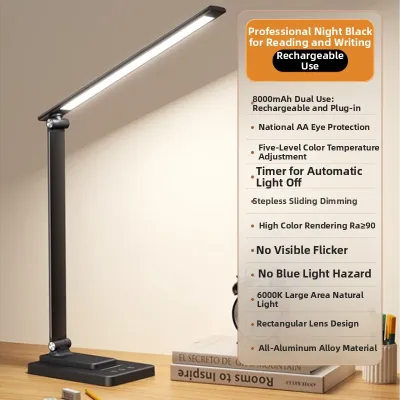
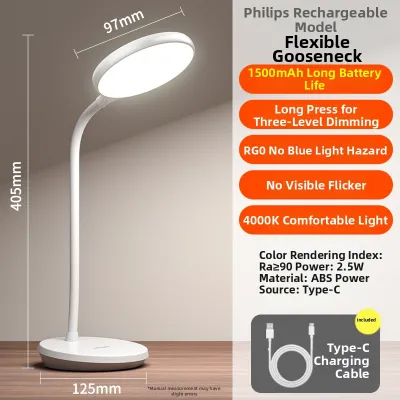
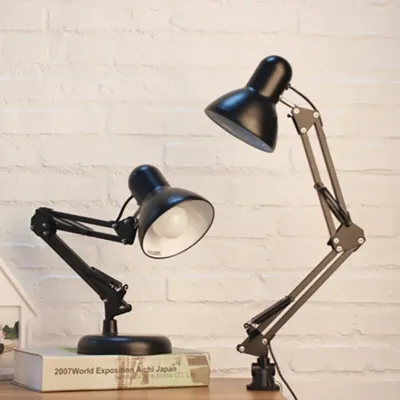
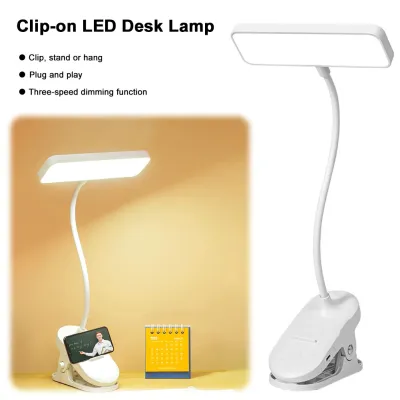
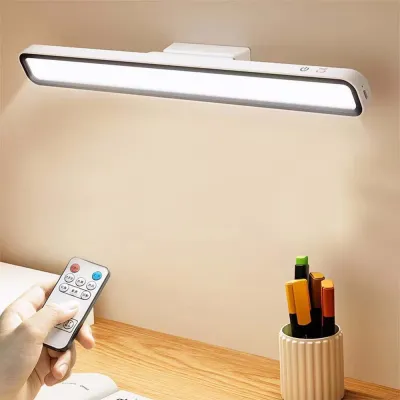
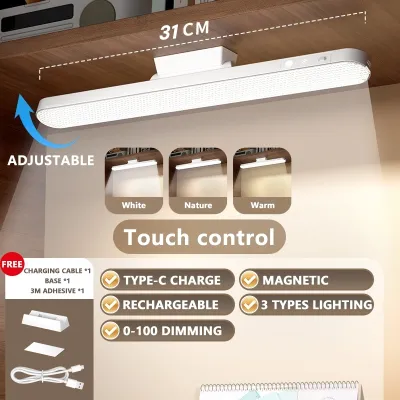
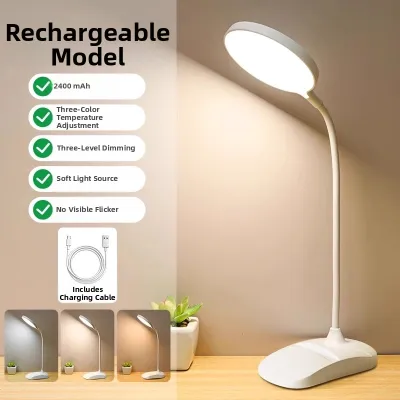
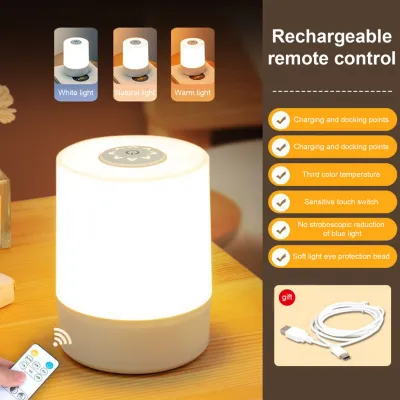
Prices are valid at publication and may change. Please refer to the product page for the latest price.
Using only a bright overhead ceiling light is not always the best solution either, as it can cast your own head and shoulders as shadows over your desk. A dedicated table light solves this by focusing illumination directly onto your study materials, isolating the light to your active workspace without lighting up the entire room.
Furthermore, improper light placement or using a bulb that is too bright can cause severe glare on glossy textbook pages or digital displays. This reflected glare forces you to squint or lean at awkward angles, which strains not only your eyes but also your neck and back.
Essential Features for an Eye-Friendly Study Table Light
When shopping for a table light, look closely at the product packaging for brightness indicators measured in lumens rather than watts. Watts only measure how much electricity a bulb consumes, whereas lumens tell you the actual amount of visible light emitted. For focused reading and writing, look for a lamp that provides adjustable lumen levels so you can dim or brighten the output as the night progresses.

Color temperature is another critical specification, usually measured in Kelvins (K) and labeled as warm, neutral, or cool white. Warm light (around 2700K to 3000K) is gentler on the eyes in the late evening, while neutral or cool white light (4000K to 5000K) can help you stay alert during intense focus sessions. Choosing a table light with adjustable color temperature settings allows you to transition between these modes depending on your fatigue levels and personal preferences.
You should also verify the dimming capabilities and flicker-free claims directly from the manufacturer’s specification sheet. Low-quality LED lights can sometimes exhibit a rapid, invisible flicker that causes headaches and eye strain over time. Checking for certified flicker-free technology on the product label is a reliable way to protect your vision.
Finally, evaluate the physical adjustability of the lamp’s head, arm, and base. A table light with a flexible gooseneck or multi-jointed swing arm allows you to position the light source close to your desk surface, preventing the bulb from shining directly into your eyes.
Positioning and Adjusting Your Table Light for Maximum Comfort
To prevent glare and shadows, place your table light on the opposite side of your dominant hand. If you are right-handed, position the lamp on the left side of your desk so your hand does not cast a shadow across your notebook as you write.
Keep the bottom of the lamp shade at about chin level when you are seated. This height ensures the light spreads evenly across your workspace while keeping the bright, exposed bulb completely out of your direct line of sight.
If you are studying with a computer monitor or tablet, angle the table light so it illuminates your physical reference documents without reflecting off the digital screen. Pointing the light slightly downward and away from the screen prevents distracting reflections that force your eyes to refocus constantly.
Never study in a completely dark room with only your desk lamp turned on. To reduce harsh contrast, balance your task light with a low ambient room light, such as a dim warm ceiling light or a secondary floor lamp in the corner of the room. This balanced environment allows your eyes to transition smoothly when you look away from your desk.
Creating a Checklist for Your Next Table Light Purchase
Before buying a table light online, cross-check the product specifications on the e-commerce platform. Verify the voltage compatibility (ensuring it matches the standard 220V system used in the Philippines) and check the interface type, wattage limits, and dimming methods listed by the seller.
If you are testing a lamp in a physical retail store, perform a few hands-on checks. Adjust the joints and neck to ensure they remain stable and do not droop under the lamp’s weight, and look at the light from your typical sitting height to check for glare.
Always review the warranty terms and local return policies for electrical items. Since eye comfort is highly subjective, having the option to exchange or return a table light if the light quality or flicker causes you discomfort is an important safeguard.
Set a realistic budget in Philippine Pesos (₱) based on the essential features you need. While basic models are highly affordable, investing a bit more in a table light with reliable step-less dimming, color adjustment, and a sturdy adjustable arm can make a significant difference in your long-term study comfort.
Frequently Asked Questions (FAQ)
Is a warmer or cooler light better for reading at night?
Both warm and cool light have their places, and the best choice often depends on your personal preference and how close you are to bedtime. Warm white light is generally softer and less disruptive to your sleep cycle, making it ideal for late-night reading. Cool white light provides high contrast, which can make text easier to read when you need to focus, but it may feel too harsh in a dark room. Look for a table light with adjustable color settings so you can switch between them as needed.
Do I need a smart table light for studying?
A smart table light offers convenient features like app control, scheduling, and voice commands, but these are not strictly necessary for eye comfort. Traditional manual controls, such as physical buttons or touch-sensitive sliders on the base, are perfectly adequate for adjusting brightness and color temperature. When choosing a table light, prioritize core eye-safety features like flicker-free operation, stable adjustability, and smooth dimming over smart connectivity.

Community discussion
Share your experience or ask a question. Comments are reviewed before publication.