
Finding the perfect bedside lighting requires balancing two distinct needs: the desire for a serene, relaxing atmosphere and the practical requirement of clear, focused light for reading. The wabi-sabi design philosophy, which celebrates natural imperfections, simplicity, and organic textures, offers a beautiful solution through minimalist fixtures. Choosing a wabi sabi wall lamp allows you to introduce soft, warm tones into your bedroom while keeping your nightstand clutter-free. However, achieving this dual purpose of ambient warmth and functional reading light requires careful attention to materials, bulb specifications, and fixture design. By focusing on how natural textures diffuse light and selecting adjustable features, you can create a cozy sanctuary that remains highly functional for nighttime reading.
Identifying Authentic Wabi-Sabi Materials and Forms
To select a fixture that genuinely contributes to a calming, organic bedroom aesthetic, you must first understand how authentic wabi-sabi materials interact with light. Unlike modern, polished fixtures featuring sleek metals and perfectly symmetrical glass, wabi-sabi lighting embraces the beauty of imperfection, natural aging, and asymmetrical, organic forms. The materials used are tactile, grounded, and deeply tied to the earth, helping to soften the overall mood of a sleeping space.
Common materials in this style include raw or reclaimed wood, textured ceramics, unpolished stone, handwoven rattan, and organic linen shades. Textured ceramics, such as coarse terracotta or stoneware with uneven glazes, bring a rustic, hand-thrown feel to the room, with options in the market ranging from budget-friendly options under ₱1,500 to premium artisan pieces exceeding ₱8,000. Rattan and linen, being naturally fibrous and semi-translucent, act as gentle diffusers that soften the output of the bulb, preventing harsh glare and creating a comfortable, relaxing glow.
Products mentioned in this guide
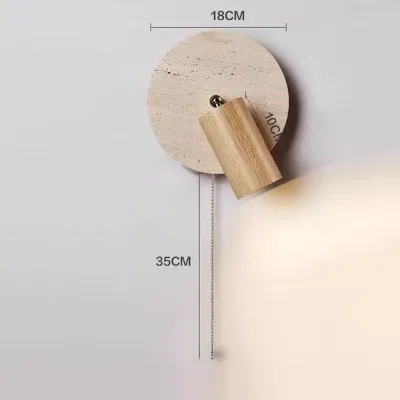
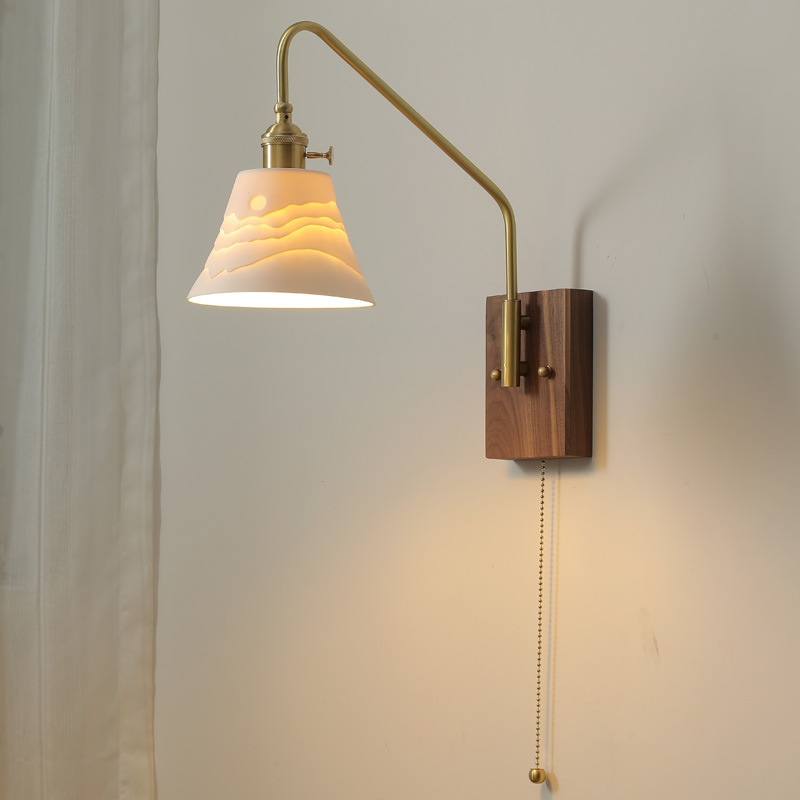
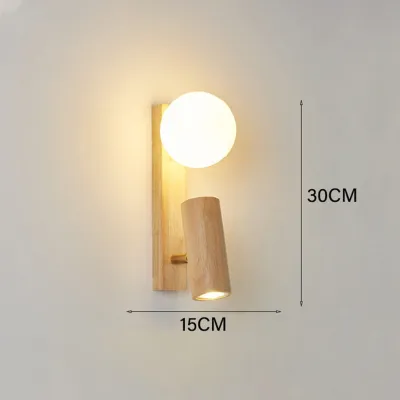
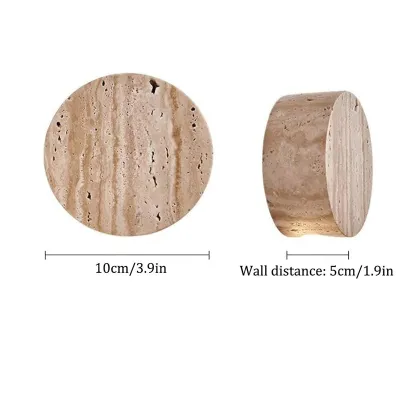
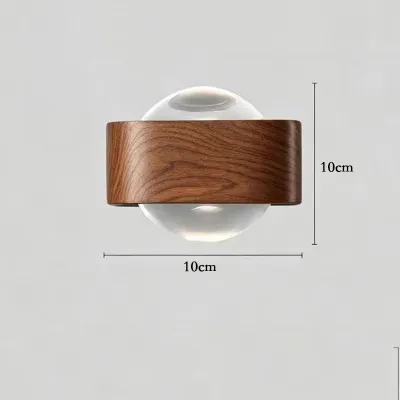
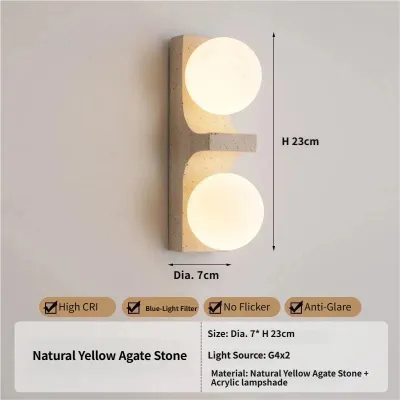
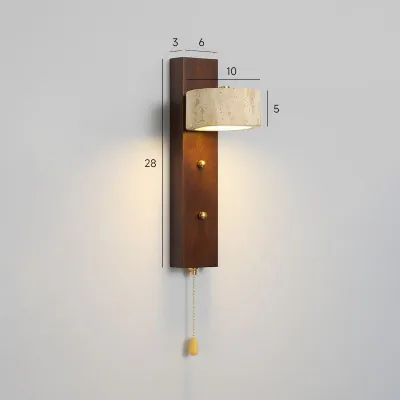
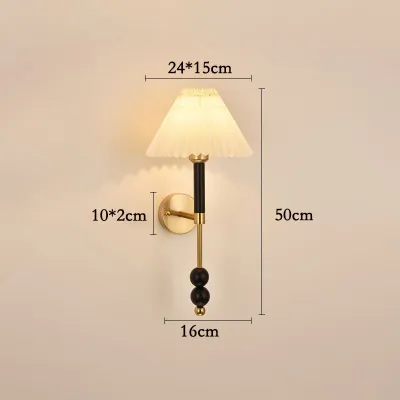
Prices are valid at publication and may change. Please refer to the product page for the latest price.
Color palettes in wabi-sabi design are strictly earthy and muted, drawing inspiration from the natural world. Think of warm sandy beige, rich terracotta, deep charcoal, soft cream, and muted moss green. When choosing a wabi sabi wall lamp, select a color that complements your existing bedding and wall finishes. These earthy tones do not compete for attention; instead, they blend seamlessly into the background during the day and come alive with warm, textured contrast once the lamp is illuminated at night.
Achieving the Right Balance: Ambient Glow vs. Reading Light
The primary challenge of bedside lighting is managing the conflict between ambient lighting and task lighting. Ambient lighting is designed to be soft, warm, and widely diffused, signaling to your brain that it is time to wind down. Task lighting, on the other hand, requires a concentrated beam of sufficient brightness to prevent eye strain while you focus on the pages of a book. Balancing these two needs is entirely possible when you select the correct bulb and a thoughtful fixture design.

Selecting the Right Bulb for Eye Comfort
To maintain the cozy, rustic vibe of a wabi-sabi bedroom while ensuring you can read comfortably, you must pay close attention to color temperature. Look for LED bulbs that emit a warm white light, ideally between 2700K and 3000K. This range mimics the gentle glow of candlelight, which is highly compatible with the earthy textures of ceramic and wood. Avoid cool white or daylight bulbs (4000K and above), as their blue-toned light can feel clinical and disrupt your natural sleep cycle.
Beyond color temperature, always verify the fixture’s maximum wattage limit before installing a bulb. Many artisan wabi-sabi lamps made from natural materials have lower wattage thresholds, often capped at 40W or 60W equivalent, to prevent overheating. Choosing energy-efficient LED bulbs is highly recommended because they produce very little heat compared to traditional incandescent bulbs. Excessive heat can dry out, warp, or scorch natural materials like linen, rattan, or raw wood over time, potentially creating safety hazards or ruining the fixture’s delicate aesthetic.
Choosing a Fixture Design That Serves Both Needs
If you prioritize reading, look for a wabi sabi wall lamp that incorporates functional flexibility. Sconces featuring adjustable swing arms, rotating joints, or pivoting shades allow you to direct the light precisely onto your book when reading, and then swing the fixture back toward the wall to create a soft, indirect bounce light when you want to relax.
Another excellent solution is a dual-light setup or a fixture with a semi-translucent shade. A semi-translucent linen or finely woven rattan shade allows light to escape in multiple directions, illuminating the surrounding wall with a soft glow while casting a direct, downward pool of light onto your bed. However, pay close attention to shade opacity. A completely opaque ceramic or stone shade will block all lateral light, focusing the beam strictly upward or downward. While this is highly effective for focused reading, it will fail to provide general room ambiance unless paired with other secondary light sources in the bedroom.
Technical Checks: Voltage, Mounting, and Switches
Before committing to a purchase, it is vital to perform several technical and electrical checks to ensure the lamp is safe, compatible, and practical for daily use. Neglecting these details can lead to installation failures, electrical hazards, or a fixture that is highly inconvenient to operate.
First, verify that the lamp’s voltage rating matches the local electrical supply in the Philippines, which is standard 220V at 60Hz. Many wabi-sabi light fixtures sold on international online marketplaces are designed for 110V systems. Connecting a 110V lamp directly to a 220V outlet without a proper transformer or a compatible 220V driver will instantly blow the bulb, damage the fixture’s internal wiring, or create a serious fire hazard. Always check the product specifications and look for local safety certifications to ensure safe operation.
Second, decide between a hardwired and a plug-in wall sconce. Hardwired sconces connect directly to the electrical wiring inside your wall, offering a clean, minimalist look with no visible cords—a perfect match for the minimalist wabi-sabi aesthetic. However, they require existing wall junction boxes and professional installation. Plug-in sconces, by contrast, are incredibly easy to install and highly reversible, making them ideal for renters. The trade-off is the visible power cord dangling down the wall. If you choose a plug-in model, look for options with decorative fabric-wrapped cords (such as twisted jute or linen) that complement the organic style rather than detract from it.
Third, consider the weight of the fixture. Authentic wabi-sabi lamps crafted from solid stone, thick concrete, or heavy hand-thrown ceramics can be surprisingly heavy. These fixtures cannot be safely mounted onto standard drywall or plasterboard using simple plastic wall plugs. They require secure anchoring into wooden wall studs or, in the case of concrete hollow block walls common in Philippine homes, the use of heavy-duty masonry anchors. Always check the product’s weight specification and plan your mounting hardware accordingly.
Finally, evaluate the switch placement. A bedside lamp is only useful if you can easily turn it on and off from a comfortable, resting position in bed. For hardwired fixtures, ensure the wall switch is positioned within arm’s reach of your headboard. For plug-in models, check where the inline switch is located along the cord; if it sits too far down, you may find yourself awkwardly reaching behind your nightstand in the dark.
Ideal Placement and Safe Installation Guidelines
Proper placement of your wall lamp is essential to maximize reading comfort and preserve the relaxing atmosphere of your bedroom. Incorrect positioning can lead to awkward shadows, direct glare in your eyes, or physical discomfort when trying to adjust the light.
The ideal mounting height for a bedside wall sconce is generally between 30 to 36 inches (76 to 91 cm) above the top of your mattress. When sitting up in bed, the bottom of the lampshade should align roughly with your shoulder level. This height ensures that the light source casts a clear, downward beam onto your book or tablet without shining directly into your eyes when you look up. If the lamp features an adjustable arm, you have slightly more flexibility, but starting within this height range provides the best ergonomic foundation.
In terms of horizontal placement, mount the lamp approximately 10 to 12 inches (25 to 30 cm) away from the outer edge of your headboard. This spacing prevents your head, shoulders, or pillows from casting large, distracting shadows over your reading material. It also ensures that the fixture does not interfere with your movement when sitting up or getting in and out of bed.
Safety Boundaries
When installing your wall lamp, safety must be your absolute priority. For any hardwired installation, you must turn off the main power supply at your home’s circuit breaker panel before handling any wires. Never rely solely on the wall switch to cut the power. Use a reliable, non-contact voltage tester to verify that the wires are completely dead before proceeding with the installation.
If your bedroom walls are made of solid concrete or masonry, routing new electrical wires requires chiseling conduits and patching plaster, which can be highly complex. If you lack an existing junction box, are unfamiliar with local residential wiring color codes, or feel unsure about making secure connections, do not guess or bypass the grounding wire. Always consult a qualified, licensed electrician to handle the installation. A professional will ensure that the fixture is securely mounted, safely wired, and fully compliant with the Philippine Electrical Code.
Caring for Natural Textures in a Tropical Climate
Caring for natural, organic materials requires special attention in a tropical climate like the Philippines, where high humidity, warm temperatures, and seasonal rains are standard. While materials like rattan, raw wood, and linen perfectly embody the wabi-sabi aesthetic, they are also highly susceptible to environmental wear if left unmaintained.
High humidity levels can cause unsealed wood to warp or crack as it absorbs and releases moisture. Woven rattan and organic linen shades are particularly vulnerable to harboring mold, mildew, and dust mites in damp environments. To protect these materials, ensure your bedroom maintains adequate ventilation. Utilizing ceiling fans, standing fans, or air conditioning helps circulate the air and keep local humidity levels under control, preventing moisture from settling on your light fixtures.
When cleaning your wabi sabi wall lamp, always use safe, dry, and reversible methods. Use a soft, dry brush (such as a clean paintbrush or a horsehair duster) or a dry microfiber cloth to gently sweep away dust from textured ceramic, stone, or woven surfaces. This removes dust from the crevices without scratching the delicate, natural patina of the material.
Never use harsh chemical cleaners, bleach, abrasive scrubbing pads, or excessive water on natural materials. These aggressive cleaning methods can strip the natural protective oils from raw wood, cause rattan fibers to swell and weaken, discolor linen shades, and accelerate rust on any internal metal frames or mounting brackets. Periodically inspect your lamp shades for any signs of dampness or early mold growth; if spotted, gently wipe the area with a dry cloth and temporarily move the shade to a well-ventilated, dry area to air out.
Frequently Asked Questions (FAQ)
Can I use a smart bulb in a wabi-sabi wall sconce?
Yes, you can install a smart bulb in a wabi-sabi wall sconce, provided the bulb’s base size (such as E27 or E14) matches the fixture’s socket and its wattage does not exceed the manufacturer’s specified limit. Smart bulbs are an excellent way to adjust brightness levels and color temperatures to suit both reading and relaxing. However, keep in mind that if you turn the lamp off using its physical wall switch or inline cord toggle, the smart bulb will lose all electrical power. When this happens, you will not be able to control the bulb via mobile apps, smart home hubs, or voice assistants until the physical switch is turned back on.
Is a plug-in or hardwired wall lamp better for a bedroom?
The choice depends on your living situation and aesthetic preferences. A hardwired wall lamp is ideal if you own your home and desire a clean, premium look with completely hidden wires, though it requires professional installation and permanent wall modifications. A plug-in wall lamp is the better option for renters or those seeking a quick, DIY-friendly setup. It simply mounts to the wall and plugs into a nearby outlet, making it easy to remove when you move out. If you choose a plug-in model, you can maintain the wabi-sabi aesthetic by using decorative cord covers or choosing a fixture with an attractive, fabric-wrapped power cord.
Community discussion
Share your experience or ask a question. Comments are reviewed before publication.