
Choosing the right indoor water fountain display for your home in the Philippines involves balancing space constraints, material durability under tropical conditions, and functional features like adjustable pump speeds and splash protection. The ideal choice depends on whether you seek a compact tabletop accent for a study or a prominent floor-standing statement piece for a living room, aligned with your home’s ventilation and decor style. By understanding how different materials and designs interact with your living environment, you can select a water feature that offers reliable performance and aesthetic appeal.
In the warm climate of the Philippines, the gentle sound of moving water provides a soothing sensory experience that can make indoor spaces feel more tranquil and inviting. However, because local homes vary widely from open-air, naturally ventilated spaces to tightly sealed, air-conditioned condominiums, selecting a fountain requires careful planning. Evaluating structural, electrical, and environmental factors beforehand ensures your fountain remains a beautiful, low-maintenance addition to your interior decor.
Key Factors to Consider Before Buying
Before browsing specific designs, assess the physical space where you plan to install the fountain. Tabletop models are highly versatile and portable, making them suitable for desks, side tables, or shelving units. However, they require a completely level, stable surface that can support both the weight of the fountain and the water reservoir. Floor-standing models, on the other hand, serve as dramatic focal points but require dedicated floor space, clear clearance from foot traffic, and a structural foundation capable of supporting heavier loads, especially if the fountain is constructed from natural stone.
Products mentioned in this guide
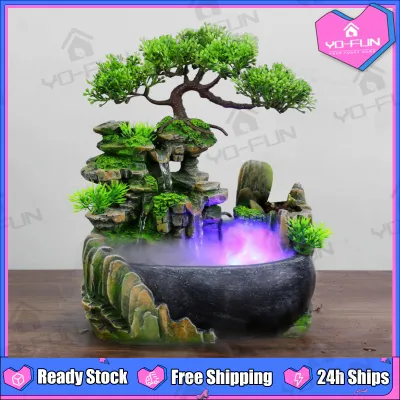
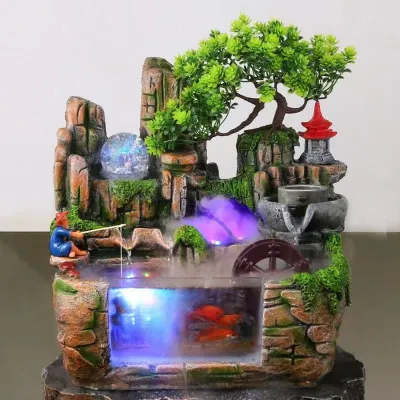
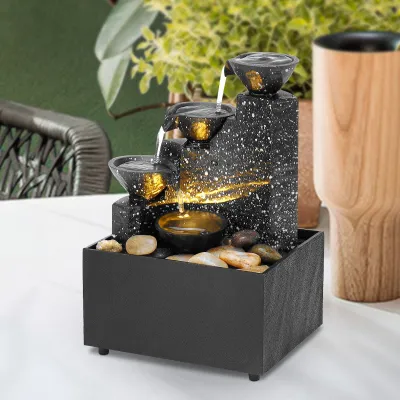
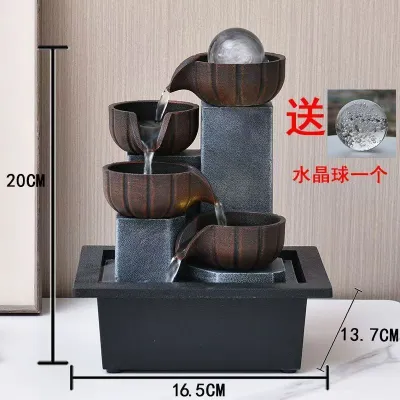
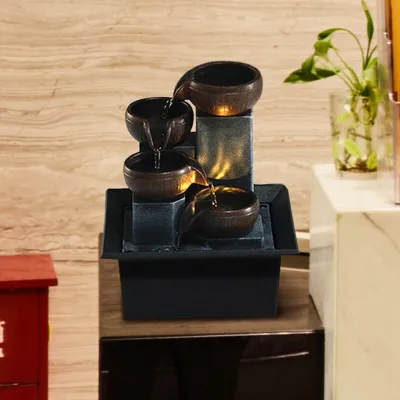
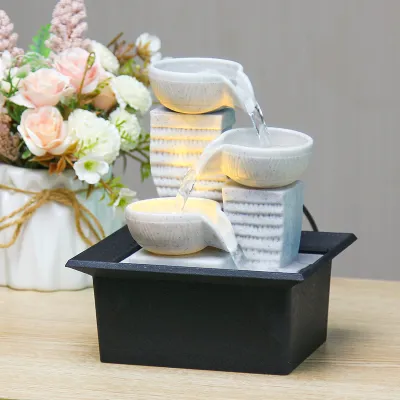
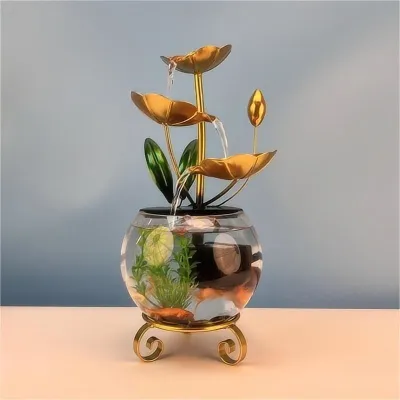
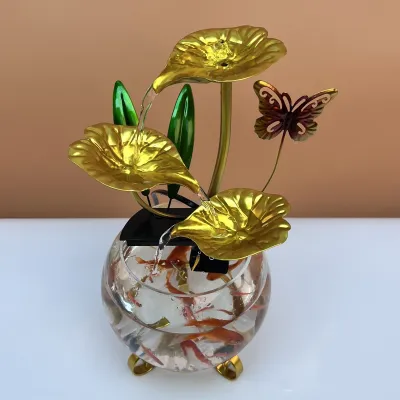
Prices are valid at publication and may change. Please refer to the product page for the latest price.
Power access and cord management are critical safety considerations for any indoor water feature. Fountains rely on submersible electric pumps that require a continuous power connection. In the Philippines, the standard household voltage is 220V, so you must verify that the fountain’s pump matches this rating and carries appropriate electrical safety certifications, such as a Import Commodity Clearance (ICC) sticker or Philippine Standard (PS) mark. Plan the placement of your fountain close to an electrical outlet to avoid running long extension cords across walkways, which creates a tripping hazard and increases the risk of the fountain being accidentally pulled over.
Ambient humidity and ventilation play a significant role in how your fountain operates. The tropical climate of the Philippines is naturally humid, but the rate of water evaporation from your fountain will vary depending on room ventilation. In naturally ventilated rooms with open windows or ceiling fans, evaporation occurs at a moderate, steady rate. In contrast, air-conditioned spaces strip moisture from the air, which significantly accelerates water evaporation. This means fountains placed in air-conditioned bedrooms or living rooms will require more frequent water top-ups to prevent the pump from running dry.
Budgeting for an indoor water fountain involves looking beyond the initial purchase price. While entry-level tabletop models may cost between ₱1,500 and ₱3,500, larger floor-standing units or artisan-crafted pieces can range from ₱10,000 to ₱30,000 or more. In addition to the upfront cost, factor in ongoing operational expenses. These include the electricity consumed by a pump running multiple hours a day, water treatment solutions to prevent algae growth, and the eventual replacement of wear-and-tear components like pump impellers or integrated LED light bulbs.
Comparing Materials for Indoor Water Fountains
The material of your indoor water fountain dictates its weight, durability, visual character, and maintenance requirements. Resin and polyresin are among the most popular materials for modern indoor fountains. These synthetic materials are molded to replicate the texture and appearance of natural stone, wood, or metal at a fraction of the weight. Polyresin fountains are highly versatile, easy to relocate, and resistant to cracking under normal handling. Cleaning is straightforward, requiring only a gentle wipe with a soft, damp cloth, though they can degrade if exposed to harsh abrasive cleaners or direct, intense sunlight near windows.

Natural stone and slate fountains offer unmatched organic beauty and structural stability. Because they are heavy, they are highly resistant to tipping, making them an excellent choice for households with active pets or young children. The natural texture of slate or granite creates a beautiful, irregular water flow that produces a rich, deep trickling sound. However, stone is porous and heavy. It requires a sturdy supporting surface, is difficult to move during cleaning, and may require periodic application of a stone sealer to prevent mineral deposits from bonding permanently to the surface.
Ceramic and glass fountains provide a sleek, clean aesthetic that complements contemporary interiors. Glazed ceramic surfaces are completely non-porous, making them exceptionally easy to sanitize and highly resistant to algae attachment. Glass fountains, often designed as vertical panels where water sheets down the surface, offer a highly reflective, modern look that can make small rooms feel brighter. The primary trade-off with both materials is fragility. They are susceptible to chipping, cracking, or shattering if bumped, meaning they should be placed in low-traffic areas where they are safe from accidental impacts.
Metal fountains, typically crafted from copper, brass, or stainless steel, introduce an industrial or artistic element to your decor. Stainless steel offers a polished, modern appearance that resists corrosion and is easy to wipe down. Copper and brass develop a natural patina over time as they react with water and air, changing color to a deeper bronze or greenish hue. While some homeowners appreciate this evolving, rustic look, others may find the maintenance challenging. Metal surfaces also show water spots and mineral scaling very clearly, requiring regular polishing with specialized cleaners to maintain a pristine appearance.
Matching Fountain Styles to Your Home Decor
Integrating a water fountain into your home decor requires matching its visual design and water flow characteristics with your existing interior theme. Modern and minimalist styles favor clean lines, geometric shapes, and subtle water movement. These fountains often feature single-stream cascades or water sheeting quietly over a flat slate or metal panel. The sound produced is typically soft and unobtrusive, making these designs ideal for home offices, study areas, or minimalist apartments where visual clutter is kept to a minimum.
Zen and Asian-inspired fountains are highly popular in Filipino homes, blending naturally with tropical design elements. These fountains frequently incorporate faux bamboo, tiered bowls, river pebbles, and natural textures. The water flow is designed to be rhythmic and gentle, creating a peaceful acoustic backdrop. Zen fountains pair exceptionally well with indoor plants, such as peace lilies or snake plants, and fit perfectly in dedicated relaxation corners, meditation spaces, or near the entryway of a home to welcome guests with a calming ambiance.
Classic and traditional fountains draw inspiration from European gardens and historical architecture, featuring tiered urns, classical pedestals, or ornate relief carvings. Because these designs often involve water falling from one tier to another over multiple levels, they tend to produce a more pronounced, splashing sound. These fountains serve as excellent focal points in spacious, formal living rooms or ancestral-style homes characterized by heavy hardwood furniture, high ceilings, and classic decorative accents.
Contemporary art pieces use water as a dynamic medium, combining abstract sculptural forms with unique water pathways and integrated lighting. You might find fountains where water flows over a spinning acrylic sphere, cascades down a spiral track, or trickles through an abstract metal sculpture. These fountains function as active art installations and are highly suited for modern entertainment areas, dining rooms, or main entryways where they can serve as engaging conversation starters for visitors.
Essential Features and Functional Checks
When evaluating an indoor water fountain, performing a few functional checks ensures the unit operates reliably and quietly. The pump is the heart of the fountain, and its mechanical noise should never overpower the sound of the flowing water. Look for fountains equipped with high-quality, submersible pumps that feature adjustable flow rate controls. This allows you to customize the speed of the water, which directly influences both the visual flow and the volume of the sound. Ensure the pump is mounted on rubber suction cups or vibration-dampening pads to prevent mechanical hums from transferring to the fountain basin.
Integrated LED lighting can dramatically enhance the visual appeal of your fountain, especially in the evening. Lighting effects are highly subjective; warm white lights create a cozy, soft glow, while cool white or color-changing LEDs offer a more vibrant, energetic feel. Verify that the light fixtures are fully waterproof (IPX8 rated) and check how easy it is to access and replace the bulbs if they eventually burn out. Some fountains feature independent power switches for the pump and the lights, allowing you to run the water feature during the day without turning on the illumination.
Water capacity is a practical feature that dictates how much maintenance your fountain will require. Small tabletop fountains with shallow reservoirs hold very little water and may require daily top-ups to compensate for evaporation, especially in warm or air-conditioned rooms. Larger basins hold a greater volume of water, providing a more stable operating environment for the pump and reducing the frequency of refills. Always check the manufacturer’s specifications for the recommended water capacity and ensure the reservoir is easy to access for refilling.
Splash protection is essential for preserving your indoor flooring and furniture. A poorly designed fountain can cast micro-droplets of water onto surrounding surfaces, leading to wood warping, mold growth, or slippery floors. Inspect the fountain’s basin depth, the angle of the water pathways, and the design of the splash guards. A well-engineered fountain directs all splashing inward, keeping the exterior surfaces completely dry. It is always wise to test a new fountain on a non-sensitive surface, such as a tiled floor, for a few hours to verify its splash patterns before placing it on delicate wooden furniture.
Installation, Maintenance, and Safety Boundaries
Proper installation and routine maintenance are vital to ensure the longevity of your indoor water fountain and protect your home from water damage. Always place a protective barrier, such as a silicone coaster, waterproof mat, or plastic tray, underneath the fountain basin. This simple precaution safeguards wood veneers, laminates, and delicate stone surfaces from condensation, accidental spills during refills, or minor splashes that might occur when the fountain is turned on or off.
In the warm, humid climate of the Philippines, standing water can quickly become a breeding ground for algae, bacteria, and mosquitoes. Establish a strict cleaning schedule, ideally every one to two weeks. To clean the fountain, turn off and unplug the unit, empty the water completely, and scrub the interior surfaces with a soft brush and a mild dish soap or a diluted white vinegar solution. Rinse all components thoroughly with clean water before refilling. Avoid using harsh chemical bleach or abrasive scouring pads, which can strip protective coatings, discolor resins, or scratch polished metal surfaces.
Pump care is critical to prevent premature motor failure. The pump must remain fully submerged in water at all times during operation; running a submersible pump dry will cause it to overheat and burn out quickly. Regularly monitor the water level and top it up as needed. Additionally, unplug the pump periodically to clear any accumulated dust, pet hair, or lint from the intake screen. If you notice the water flow weakening, it is usually a sign that the pump intake is clogged and needs a quick cleaning.
Electrical safety must always be your top priority when managing water features. Always isolate the power supply by unplugging the fountain before reaching into the water, performing cleanings, or adding water. Implement a “drip loop” on the power cord—letting the cord droop below the level of the electrical outlet—to prevent any stray water droplets from traveling down the cord directly into the wall socket. If you observe frayed wiring, a cracked pump housing, or experience a persistent electrical hum or tingle when touching the water, discontinue use immediately. For any complex electrical repairs, fixed wiring installations, or structural damage to heavy stone fountains, stop troubleshooting and consult the manufacturer or a qualified professional.
Frequently Asked Questions (FAQ)
Do indoor water fountains increase room humidity significantly?
Indoor water fountains do contribute to localized humidity through natural evaporation, but their overall impact on a large room is generally minimal. In naturally ventilated, humid tropical environments, the change in ambient humidity is barely noticeable. However, in closed, air-conditioned spaces where the air is dry, evaporation occurs faster, slightly raising the local humidity. To prevent any moisture-related issues, avoid placing the fountain directly adjacent to sensitive electronics, delicate artwork, or untreated solid wood furniture.
Can I use tap water, or is distilled water required?
While tap water is convenient, it often contains dissolved minerals that lead to white scale buildup on the fountain surfaces and inside the pump motor over time. In areas with hard water, this buildup can restrict water flow and shorten the pump’s lifespan. Using distilled, purified, or filtered water is highly recommended to minimize maintenance and keep the fountain running smoothly. If you must use tap water, perform more frequent cleanings and use a mild descaling solution to remove mineral deposits.
How do I fix a water fountain pump that is making loud noises?
A noisy pump is usually caused by low water levels, trapped air, or debris. First, check that the water level is high enough to fully submerge the pump; if the pump draws in air, it will produce a loud sucking or rattling sound. If the water level is sufficient, unplug the unit, remove the pump, and clean any accumulated debris or hair from the intake screen. Ensure the pump is resting flat on its rubber suction cups to prevent it from vibrating against the basin walls. If a grinding mechanical noise persists after cleaning, the impeller may be worn out, and the pump should be replaced.
Community discussion
Share your experience or ask a question. Comments are reviewed before publication.