
An infinity mirror is more than a standard reflective surface; it is a striking visual installation that uses parallel mirrors and LED lights to create a mesmerizing illusion of endless depth. Selecting the perfect infinity mirror requires balancing the physical dimensions of your room, matching the frame and lighting to your design aesthetic, and verifying critical electrical specifications. Whether you want to add a futuristic glow to a gaming room, create a relaxing ambiance in a bedroom, or establish a sophisticated focal point in a living area, understanding how these pieces interact with your space ensures you make a safe, functional, and visually stunning choice.
How to Size an Infinity Mirror for Your Space
The primary draw of an infinity mirror is its unique 3D tunnel effect, which pulls the eye inward and creates a powerful sense of virtual depth. However, this intense visual weight means that a mirror that is too large can easily dominate a small room, making the walls feel crowded rather than spacious. Conversely, a unit that is too small will lose its impact, appearing like an afterthought on a large, empty wall. To achieve a balanced look, you must carefully evaluate the proportions of your room and the specific wall where the mirror will hang.
A reliable guideline for placing an infinity mirror above furniture—such as a bed, desk, console table, or sofa—is to select a mirror width that covers approximately 50% to 70% of the furniture’s total width. This proportion anchors the mirror visually, preventing it from looking top-heavy or swallowed by the surrounding space. Before purchasing, use painter’s tape to outline the proposed dimensions on your wall. This simple step allows you to step back and assess the physical presence of the mirror from different angles and seating positions in the room.
Products mentioned in this guide
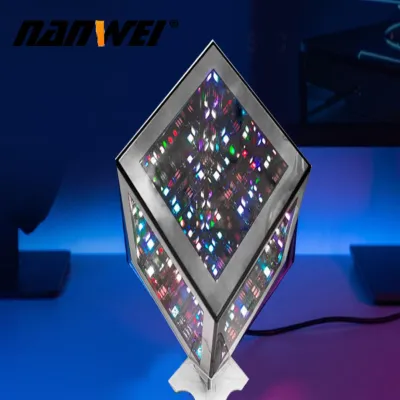
Prices are valid at publication and may change. Please refer to the product page for the latest price.
Beyond width and height, you must account for the physical thickness and depth of the mirror frame. Unlike traditional flat mirrors, infinity mirrors require a thicker frame—often ranging from 5 to 10 centimeters—to house the internal LEDs, one-way mirror glass, and rear reflective backing. This protrusion is a critical factor in narrow hallways, tight entryways, or compact bedrooms. If the frame sticks out too far, it can obstruct natural movement or get bumped by passersby, risking damage to the unit or injury. Measure the clearance of nearby doors, cabinets, and walking paths to ensure the mirror sits safely out of the way of daily foot traffic.
Matching Light Colors and Frames to Your Aesthetic
The frame material and finish of an infinity mirror serve as the physical bridge between the light fixture and your room’s existing decor. Frame finishes should be selected based on the specific design language of your home. For modern, industrial, or high-tech spaces, matte black metal or minimalist aluminum frames provide a clean, structured border that emphasizes the internal light tunnel. In contrast, metallic finishes like brushed brass or warm wood-grain frames are better suited for minimalist, Scandinavian, or warmer contemporary environments, helping the mirror blend seamlessly when the lights are turned off.

The color temperature of the built-in LEDs dictates the emotional tone and functionality of the room. Warm white LEDs (typically ranging from 2700K to 3000K) emit a soft, golden glow that mimics traditional incandescent lighting, making them excellent for cozy, relaxing environments where comfort is the priority. Cool white LEDs (4000K and above) produce a crisp, bright, and clinical light that enhances modern, high-contrast aesthetics and works well for task-oriented spaces. For vibrant, high-energy setups, RGB (Red, Green, Blue) LEDs offer millions of color combinations, allowing you to match your lighting to specific moods, movies, or gaming themes.
It is essential to remember that color perception is highly subjective and heavily influenced by your room’s existing paint colors, window placement, and ambient lighting. A cool white mirror might look clean in a room with gray walls, but harsh or blue-toned against warm beige paint. Because of these variables, look for infinity mirrors that feature adjustable brightness levels or color-temperature switching. Having the ability to transition from a bright daylight setting during the afternoon to a dim, warm glow in the evening provides the versatility needed to adapt to changing natural light and daily routines.
Best Infinity Mirror Types for Specific Room Setups
Different rooms serve distinct purposes, meaning an infinity mirror that excels in a high-energy entertainment zone might be completely unsuitable for a space dedicated to rest and relaxation. To help you navigate the various options available on online marketplaces and specialty lighting stores, it is helpful to categorize these decorative fixtures by their optimal environment.
| Room Setup | Recommended Mirror Type | Ideal Light Color | Frame Style | Primary Use Case |
|---|---|---|---|---|
| Bedroom | Dimmable Round or Oval | Warm White (2700K–3000K) | Minimalist or Fabric-Wrapped | Soft ambient nightlight & relaxation |
| Gaming Setup | Geometric (Hexagonal/Triangle) | Dynamic RGB / App-Controlled | Frameless or Matte Black | High-contrast immersive lighting |
| Living Area | Large Vertical Rectangular | Neutral White to Warm White | Brushed Metal or Wood-Grain | Sophisticated focal point & spatial illusion |
Bedroom: Soft Ambient Glows and Subtle Depth
For bedrooms, the primary goal of any lighting fixture is to support rest, relaxation, and healthy sleep hygiene. The ideal infinity mirror for a bedroom features soft, warm white LEDs with integrated dimming capabilities. Minimalist, thin-profile frames or fabric-wrapped borders help soften the visual impact, allowing the mirror to double as an elegant piece of wall art during the day. When illuminated at night, a low-glare, deeply dimmed tunnel effect can serve as a soothing ambient light source or a sophisticated nightlight.
However, there are clear limitations to consider when placing an infinity mirror in a sleeping area. Bright, non-dimmable RGB models with rapid color-changing or flashing modes can disrupt your circadian rhythm and make it difficult to wind down. If you choose an RGB model for a bedroom, ensure it includes a dedicated sleep mode, a physical remote to easily turn it off from bed, or a built-in auto-shutoff timer. Additionally, position the mirror away from your direct line of sight while lying in bed to prevent any unwanted reflections or light leaks from disturbing your sleep.
Gaming Setup: High-Contrast RGB and Dynamic Effects
In a dedicated gaming room or entertainment hub, an infinity mirror acts as a high-energy statement piece that enhances the immersive tech aesthetic. Geometric shapes—such as hexagons, triangles, or interlocking rings—are particularly popular in these setups, as they complement the sharp angles of gaming desks, PC cases, and peripheral lighting. Frameless models or those with matte black plastic frames blend seamlessly into dark room setups, making the glowing light tunnel appear to float mid-air.
For maximum impact, look for infinity mirrors equipped with addressable RGB LEDs (ARGB) that support app control, custom color mapping, or sound-sync technology that pulses in time with your game’s audio or music. Keep in mind that these advanced features come with specific setup requirements. These units typically require a nearby USB power source, a smart plug, or a dedicated 5V/12V power adapter, which can lead to cable clutter if not managed properly. Furthermore, avoid mounting the mirror directly opposite your monitor or TV screen, as the intense light tunnel can cause distracting glare and reflections that hinder your gameplay.
Living Area: Minimalist Frames and Statement Pieces
In shared living spaces, an infinity mirror should function as a sophisticated focal point that sparks conversation without looking like a novelty toy. Large, vertically oriented rectangular or oversized circular mirrors work best in these environments. Premium frame materials, such as brushed brass, anodized aluminum, or faux wood, elevate the mirror’s appearance, ensuring it looks like high-end furniture even when powered off. Placing a large infinity mirror at the end of a dimly lit hallway or above a console table in the living room can create a striking illusion of an extra doorway or an extended architectural space.
The main trade-off with large-format living room infinity mirrors is their physical weight and mounting complexity. Because these units contain multiple layers of glass and robust structural frames, they are significantly heavier than standard wall mirrors. They require secure wall anchoring, often necessitating heavy-duty toggle bolts or direct mounting into wall studs. Additionally, because these are shared spaces, visible power cords running down the wall can ruin the clean aesthetic. Plan to hide the cabling behind furniture, use paintable cord covers, or consult a professional to route the wiring behind the drywall.
Key Specifications and Safety Features to Verify
Before purchasing an infinity mirror, it is vital to review the manufacturer’s technical specifications to ensure compatibility with your home’s electrical system, especially within the Philippine market.
Voltage and Plug Compatibility
The standard residential voltage in the Philippines is 220V to 240V at a frequency of 60Hz. Many novelty lighting products sold online are manufactured for international markets that use 110V. Always verify that the product label explicitly states compatibility with 220V–240V or includes a certified step-down power adapter. Connecting a 110V-only device directly to a Philippine outlet will cause immediate electrical failure, damage the LEDs, and pose a severe fire hazard. Avoid using cheap, unverified step-down transformers, as they can overheat under continuous use.
Power Source Options
Infinity mirrors generally come in three power configurations, each with distinct installation requirements:
- Standard Wall Plug-In: These models use a typical power cord and adapter. They are easy to install but require a nearby electrical outlet.
- USB-Powered: Common for smaller desktop or gaming mirrors, these can run off a PC USB port, power bank, or a standard 5V mobile charger block. Ensure your USB power source provides the minimum amperage specified by the manufacturer to prevent flickering.
- Hardwired: These units connect directly to your home's electrical wiring behind the wall, offering a clean, cordless look. They require a dedicated wall switch or smart controller and should only be installed if you have the proper electrical infrastructure.
Dimming and Controls
Control methods vary widely from basic physical inline switches to infrared remotes, smartphone apps, and smart home integrations (such as Google Home or Amazon Alexa). If you opt for a smart-controlled mirror, verify that your home Wi-Fi network reaches the installation spot and that the mirror’s companion app is compatible with your mobile operating system. For daily convenience, a physical remote or a touch-sensitive button on the glass surface is often the most reliable option for quick adjustments.
Heat Dissipation and Material Safety
Although LEDs are highly energy-efficient, packing dozens of them into a sealed, enclosed frame with reflective backing can trap heat over time. Check the product specifications for built-in heat management features, such as aluminum backing plates or ventilated frames, which prevent the LEDs from degrading prematurely. Additionally, prioritize mirrors constructed with shatter-resistant acrylic or tempered glass fronts. This is a critical safety consideration in busy households, homes with active pets, or children’s bedrooms, as standard glass can shatter into dangerous shards if accidentally bumped.
Mounting Basics and Professional Installation Boundaries
Installing an infinity mirror can be a straightforward DIY project or a complex task requiring professional assistance, depending on the size of the mirror and your wall structure.
For lightweight, plug-in, or USB-powered infinity mirrors, basic mounting is highly manageable. Start by identifying your wall material. In many Philippine homes, walls are constructed of solid concrete or hollow concrete blocks (CHB) finished with plaster, rather than drywall. Mounting on concrete requires a masonry drill bit, plastic wall anchors (commonly referred to as Tox plugs), and matching screws. Ensure the anchors are rated for the mirror’s weight and that the power cord hangs naturally without being pinched, stretched, or placed near potential heat sources.
Clear boundaries exist where you must stop and hire a qualified professional:
- Hardwired Installations: Any mirror that connects directly to your home's electrical lines requires professional wiring. Always turn off the main power at the circuit breaker before attempting any electrical work.
- Heavy Statement Pieces: Large mirrors weighing over 15 kilograms should be mounted by professionals who can guarantee secure anchoring into concrete or structural wooden studs.
- Humid Environments: If you plan to install an infinity mirror in a bathroom or a semi-outdoor patio, the unit must carry an official IP (Ingress Protection) rating, such as IP44 or higher, indicating resistance to moisture and splashes. Standard novelty infinity mirrors are not rated for high-humidity zones, and installing them there can lead to short circuits, corrosion of the internal mirrors, and electrical hazards.
If you encounter outdated wiring, are unsure of your wall’s structural integrity, or find that the manufacturer’s provided mounting hardware conflicts with your wall type, stop immediately and consult a licensed electrician or a professional handyman.
Frequently Asked Questions (FAQ)
Do infinity mirrors use a lot of electricity?
LED-based infinity mirrors are highly energy-efficient and consume minimal power compared to traditional incandescent lighting. However, the exact electricity usage depends entirely on the size of the mirror, the density of the LED strips, and the maximum wattage listed on the product label. A typical medium-sized infinity mirror uses between 10 to 30 watts of power. To calculate your exact consumption, check the manufacturer’s specification label on the back of the device or the user manual.
Can I leave an infinity mirror on all night?
While high-quality LEDs run relatively cool, it is not recommended to leave an infinity mirror turned on continuously throughout the night. Leaving decorative lighting unattended for long periods can shorten the lifespan of the LEDs and increase the risk of heat buildup within the sealed frame. If you want to use the mirror as a nightlight, choose a model that features a low-power nightlight mode, an integrated auto-shutoff timer, or connect it to a smart plug scheduled to turn off after you fall asleep.
How do I clean the front of an infinity mirror without damaging it?
To clean the front surface of your infinity mirror, first unplug the device or turn off its power source to avoid static buildup. Use a clean, soft, lint-free microfiber cloth to gently wipe away dust and fingerprints. For stubborn smudges, apply a small amount of non-ammonia glass cleaner or a specialized acrylic cleaner directly to the cloth—never spray liquids directly onto the mirror frame, as moisture can seep into the edges and damage the internal electronics. Avoid using abrasive sponges, paper towels, or harsh chemical solvents, which can scratch the delicate outer reflective coating.
Community discussion
Share your experience or ask a question. Comments are reviewed before publication.