
Quick Answer: Essential Specs for Outdoor Security Lights
Choosing the right outdoor LED security light requires balancing brightness, weatherproofing, and detection capabilities. For basic entryways, look for fixtures offering 700 to 1,500 lumens, while larger driveways or yards typically require 2,000 lumens or more.
Ensure the fixture has an Ingress Protection (IP) rating of at least IP65 to withstand heavy tropical downpours. Finally, select a Passive Infrared (PIR) motion sensor with an adjustable detection range and a color temperature between 4000K and 5000K for clear, high-contrast visibility.
Brightness and Coverage: Understanding Lumens and Beam Angles
In LED technology, wattage measures energy consumption, while lumens measure actual light output. Highly efficient LEDs produce substantial brightness while keeping your monthly electricity bills low.
Products mentioned in this guide
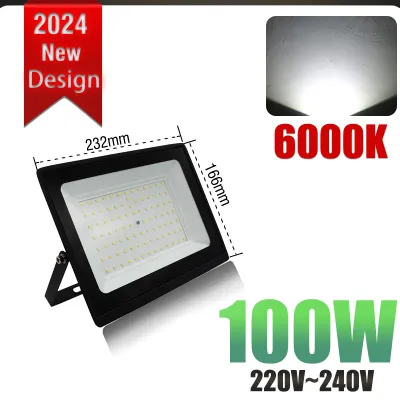
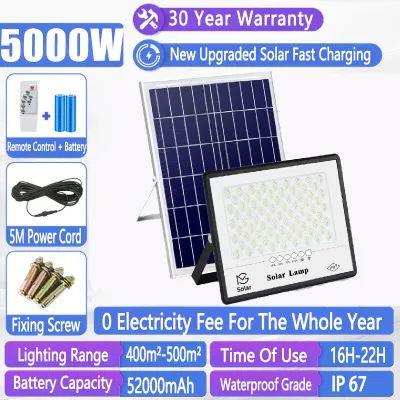
Prices are valid at publication and may change. Please refer to the product page for the latest price.

To estimate your brightness needs, evaluate the specific zone you want to secure. Small entryways, porch steps, or side doors generally benefit from 700 to 1,000 lumens. Medium-sized areas like a two-car carport or a small backyard patio usually require 1,500 to 2,000 lumens. For expansive yards, long driveways, or perimeter fences, look for heavy-duty fixtures that deliver 2,400 to 4,000 lumens.
Beam angle determines how wide the light spreads from the fixture. A wide beam angle of 100 to 120 degrees acts as a floodlight, illuminating broad areas to eliminate dark corners across a wide lawn. Conversely, a narrow beam angle of 30 to 60 degrees acts as a spotlight, focusing intense light on a specific target like a gate lock, a single doorway, or a narrow pathway.
Weather Resistance: Decoding IP Ratings for Outdoor Use
Outdoor fixtures in tropical climates face intense humidity, seasonal typhoons, and heavy rainfall. The Ingress Protection (IP) rating system uses two digits to define how well the light’s housing protects internal electrical components. The first digit (0 to 6) measures protection against solid objects like dust, while the second digit (0 to 9) measures protection against water.
For fully exposed locations, such as an open backyard pole, an outer perimeter wall, or an uncovered garage facade, prioritize a minimum rating of IP65. An IP65 rating indicates the fixture is completely dust-tight and can withstand low-pressure water jets from any direction. For highly sheltered areas, such as under a deep roof eave, a covered porch, or a carport ceiling, an IP44 rating may suffice, protecting against splashing water and small solid objects.
Beyond the rating itself, physically inspect the build quality of the fixture before installation. Look for thick rubber gaskets around the lens, secure silicone seals, and durable housing materials like rust-resistant polycarbonate or powder-coated aluminum. These physical barriers prevent moisture buildup inside the lens, which can cause premature LED driver failure or short circuits during heavy downpours.
Detection and Automation: Motion Sensor Range and Angles
Motion sensors automate your security lighting, ensuring the light only activates when movement is detected. The most common technology is Passive Infrared (PIR), which detects changes in heat signatures within its field of view. PIR sensors are highly effective for residential areas because they reliably trigger when a person or vehicle enters the zone, while remaining relatively unaffected by wind or falling leaves.
Microwave sensors emit high-frequency radio waves to measure movement. While highly sensitive and capable of detecting motion through thin walls, they can trigger false alarms in outdoor residential settings due to heavy rain, swaying branches, or passing birds.
When evaluating a fixture, check for adjustable dials on the sensor housing for sensitivity, range, and time delay. Sensitivity controls how easily the sensor triggers, range limits the detection distance to your property boundary, and time-delay determines how long the light remains illuminated after motion stops.
Pay close attention to the sensor’s detection angle, which usually ranges from 120 to 270 degrees. Position the fixture so the sensor covers your primary footpaths while avoiding direct alignment with swaying branches, exhaust vents, or street traffic. Angling the sensor slightly downward focuses the detection zone strictly within your yard.
Visibility and Ambiance: Choosing the Right Color Temperature
Color temperature is measured on the Kelvin (K) scale and determines the visual appearance of the light emitted. Lower numbers like 2700K to 3000K produce a warm, yellowish glow, while higher numbers like 5000K to 6500K produce a cool, daylight-white light.
For security purposes, cool white light (4000K to 5000K) is generally preferred because it provides high-contrast visibility, making details, colors, and shapes easier for the human eye to distinguish at night. However, excessively high color temperatures, such as 6500K, can sometimes create harsh glare on security camera lenses, washing out facial features or license plates in recorded footage. A balanced 4000K neutral white or 5000K daylight bulb often delivers a reliable balance of visual clarity and camera compatibility.
Be mindful of how your security lighting affects your immediate surroundings and neighbors. High-intensity, cool-white floodlights directed horizontally can cause severe glare, disturbing adjacent homes or violating local subdivision guidelines regarding light pollution. Opt for fixtures with adjustable heads so you can direct the light downward, keeping your property secure without casting unwanted glare into neighboring windows.
Power and Installation: Voltage, Wiring, and Safety Checks
Before purchasing any outdoor light, verify that the product label matches your local household electrical system, which typically operates at 220V to 240V in the Philippines. Check for recognized safety and quality certifications, such as the Philippine Standard (PS) mark or Import Commodity Clearance (ICC) sticker, to ensure the fixture complies with national electrical safety standards.
Choose between three primary power configurations: hardwired, plug-in, or solar-powered. Hardwired fixtures connect directly to your home’s electrical junction boxes, offering the most reliable power source. Plug-in models offer easier setup if you have an outdoor-rated, weatherproof outlet nearby, while solar-powered options require no wiring but depend entirely on receiving direct sunlight to charge their internal batteries.
Always prioritize safety during installation. For simple tasks like replacing a bulb in an existing fixture, turn off the corresponding circuit breaker at your main panel and verify the power is off before proceeding. For complex tasks—such as running new fixed wiring, mounting fixtures in damp or fully exposed locations, or working at heights on ladders—stop and hire a licensed electrician to ensure the installation complies with the Philippine Electrical Code and prevents fire or shock hazards.
Frequently Asked Questions (FAQ)
Do I need a specific IP rating if the light is under a roof eave?
Yes, even sheltered fixtures require protection from moisture, wind-blown rain, and high humidity. While fully exposed areas require an IP65 rating or higher, fixtures mounted under roof eaves can typically use an IP44 rating. Always check the manufacturer’s installation manual to verify if the specific model is rated for damp or wet locations before mounting it under an eave.
Can I use a dimmable LED bulb in a standard motion sensor security light?
Generally, you should not use a standard dimmable LED bulb in a motion sensor fixture unless the fixture’s manual explicitly states it supports dimming. Standard motion sensors use rapid on-off switching or solid-state relays that can cause dimmable bulbs to flicker, buzz, or suffer premature driver failure. Always verify compatibility requirements in the product specifications before swapping bulbs.
How do I prevent my motion sensor light from turning on due to passing cars?
You can minimize false triggers by adjusting the sensor’s physical angle downward so it does not look directly at the street. Additionally, use the sensitivity dial on the sensor housing to reduce its detection range, or apply physical blinders (often included with the fixture) to block the sensor’s view of the road while keeping your driveway fully monitored.
Community discussion
Share your experience or ask a question. Comments are reviewed before publication.