
Customizing your condo room in the Philippines with vibrant, personalized lighting is an excellent way to make a compact urban space feel like home. Magic glass LED lights—which combine sleek glass or acrylic panels with energy-efficient light-emitting diodes—have become a popular choice for adding a modern, ambient glow to living rooms, bedrooms, and home offices. Because these decorative pieces serve as both art and functional illumination, choosing the right design requires balancing your personal aesthetic with the practical realities of condo living, such as limited wall space, rental restrictions, and tropical humidity.
When selecting a custom piece, you must look beyond the visual appeal of a glowing quote or a personalized logo. High-quality custom lighting involves evaluating structural materials, verifying electrical compatibility with local standards, and planning a safe installation that will not damage your walls or violate your building’s guidelines. By understanding the technical specifications and the customization process, you can commission a durable, eye-catching piece that elevates your interior decor while remaining safe and efficient.
Understanding Magic Glass LED Lights for Condo Spaces
Magic glass LED lights are modern decorative fixtures that use light-emitting diodes to illuminate engraved or shaped panels, creating a glowing visual effect. The typical structure consists of a clear or colored panel—often made of high-grade acrylic or tempered glass—paired with integrated LED strips and light diffusers. The light travels through the medium and illuminates the engraved lines or custom shapes, giving the illusion of floating neon or glowing glass art.
Products mentioned in this guide
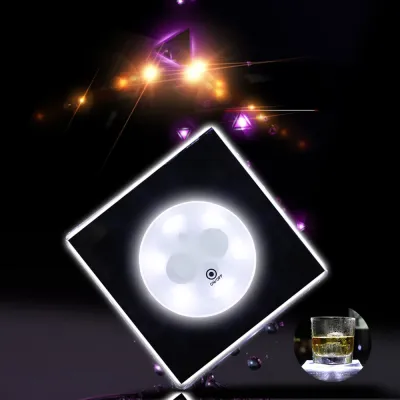
Prices are valid at publication and may change. Please refer to the product page for the latest price.
These fixtures generally fall into two categories: pre-designed ambient lamps and fully customizable neon or glass art pieces. Pre-designed lamps often feature standard geometric shapes, celestial patterns, or minimalist silhouettes and are typically sold as compact desk or table fixtures. Fully customizable pieces, on the other hand, are tailored to your specific requirements, allowing you to choose custom text, logos, or intricate illustrations that reflect your personal style or brand.
When decorating a condo, spatial constraints play a major role in determining which type of fixture is most suitable. Freestanding desk lamps are highly portable and require no wall mounting, making them ideal for bedside tables, study desks, or entertainment consoles in smaller studio units. Wall-mounted custom signs make a bold statement but require dedicated wall space and careful cable management to avoid a cluttered look.
Managing glare is another critical consideration in compact living areas. Because condo rooms often have multi-functional zones where a living area might double as a workspace, a light that is too bright can cause eye strain or unwanted reflections on television and computer screens. Selecting a fixture with adjustable brightness levels or choosing a softer, diffused color temperature can help maintain a comfortable, relaxing atmosphere in tight spaces.
Key Criteria for Selecting Customizable LED Glass Art
Before placing an order with a custom manufacturer, it is essential to evaluate several design and technical specifications to ensure the final product meets your expectations and functions safely. Customization limits vary significantly among makers, so you should first assess the available font styles, color palettes, and maximum size constraints. Some fabricators can accommodate highly intricate script fonts and multi-colored designs, while others may be limited to block lettering or single-color layouts.

Electrical specifications require careful verification to ensure compatibility with the standard electrical grid in the Philippines, which typically operates at 220 volts and 60 hertz. Always check the manufacturer’s product label to confirm that the power adapter is rated for this voltage range to prevent overheating or electrical failure. Additionally, verify that the plug type matches your condo’s outlets—usually Type A or Type B—and check if the unit supports dimmer switches or smart controllers, which allow you to adjust the light intensity to suit different times of day.
Material selection directly impacts both your budget and the safety of the fixture. While genuine glass offers a classic, premium look, it is heavier, more fragile, and more expensive than acrylic alternatives. High-quality acrylic panels are lightweight, highly shatter-resistant, and offer excellent light transmission, making them a highly practical choice for high-traffic areas or rental condos. When comparing quotes in ₱, weigh the price against the specified thickness of the panel and the presence of built-in heat dissipation features, such as aluminum backing or ventilated frames, which help prolong the lifespan of the LEDs.
Budgeting for a custom piece should also account for the complexity of the design and any included accessories. A basic, single-color acrylic sign measuring 30 centimeters may cost significantly less than a large, multi-colored, remote-controlled glass piece. Review the manufacturer’s detailed specification sheets to confirm what is included in the base price, such as mounting hardware, power adapters, and dimming remotes, so you can make an accurate cost comparison.
The Customization and Ordering Process
Commissioning a personalized LED glass light from online marketplaces or local artisans requires clear communication and careful planning to ensure the final product matches your vision. The process begins with drafting your design. Preparing a clear sketch, a high-resolution image, or a vector file (such as an SVG or PDF) will help the maker understand your exact requirements. You must also measure your intended condo wall or shelf space carefully and provide the maker with precise dimensions, including width, height, and maximum depth.
Vetting potential sellers is a crucial step in avoiding low-quality products or unreliable service. When browsing local ecommerce platforms or independent artisan websites, read customer reviews and look for photos of completed custom orders to assess the quality of the craftsmanship. Pay close attention to how the seller handles return policies for custom-made items, as these products are typically non-refundable unless they arrive damaged or do not match the approved design. Additionally, review the warranty terms on the LED components and power adapters, as reputable makers usually offer a limited warranty period for electrical parts.
Establish clear communication checkpoints with the fabricator before releasing your final payment. Always request a digital proof or a 3D mockup of the design to verify the layout, spelling, and color accuracy. Confirm the estimated lead time, which can range from a few days to several weeks depending on the complexity of the piece and the maker’s current order volume. Verifying these details beforehand helps prevent misunderstandings and ensures that your custom light arrives exactly as expected.
Safe Installation and Placement in Condos
Installing your custom LED glass light safely requires adhering to both electrical safety standards and your condo building’s guidelines. For renters, damage-free installation is often a priority to avoid losing a security deposit. Lightweight acrylic signs can often be mounted securely using heavy-duty, damage-free adhesive strips, provided the wall surface is clean, dry, and smooth. For heavier glass fixtures, standard mounting brackets with wall anchors are necessary to support the weight safely; always verify that you are not drilling into hidden structural wiring or plumbing lines.
Electrical safety should be a primary concern when positioning your light. Avoid overloading extension cords or multi-outlet adapters by plugging the fixture directly into a dedicated wall outlet whenever possible. Ensure there is adequate ventilation around the light, especially if it features a glass enclosure that can trap heat. Keep the power cord neatly secured and out of high-traffic pathways to prevent tripping hazards or accidental pulls that could bring the fixture crashing down.
There are certain scenarios where you must stop the installation and consult a qualified professional. If your design requires hardwiring the fixture directly into your condo’s electrical system, concealing cables behind concrete or drywall, or modifying existing light switches, do not attempt to do this yourself. A licensed electrician can ensure that the installation complies with local electrical codes and does not pose a fire hazard or violate your condo association’s structural rules.
Maintenance and Care for Glass LED Decor
Proper maintenance and regular care will keep your custom LED glass light looking vibrant and functioning safely for years to come. Before performing any cleaning or maintenance, always turn off the power switch and completely unplug the unit from the wall outlet. This eliminates the risk of electrical shock and prevents static buildup on the panel surface.
To clean the glass or acrylic panel, use a soft, dry microfiber cloth to gently wipe away dust and fingerprints. If the panel requires a deeper clean, apply a small amount of specialized glass cleaner or a mild, non-abrasive soap solution directly to the cloth—never spray liquids directly onto the fixture itself, as moisture can seep into the LED housing and damage the circuitry. Avoid using harsh chemical solvents, abrasive scrubbing pads, or paper towels, which can scratch the delicate surface of acrylic panels.
Regularly inspect the electrical connections of your fixture to ensure continued safety. Check the power cord for any signs of wear, such as fraying, cracking, or exposed wires, and ensure the plug fits snugly into the outlet without wobbling. If you notice flickering LEDs, dimming sections, or unusual humming sounds, turn off the unit immediately and contact the manufacturer or a professional technician to inspect the internal components.
If you need to relocate or store your custom light during a move or a seasonal redecorating project, handle the piece with extreme care. Wrap the panel in several layers of bubble wrap or soft foam padding to protect it from scratches and impact damage. Store the fixture in a sturdy box, keeping it upright and avoiding placing heavy objects on top of it to prevent warping or cracking.
Frequently Asked Questions (FAQ)
Can I use magic glass LED lights in high-humidity areas like condo bathrooms?
Using custom LED glass lights in high-humidity areas like bathrooms requires extreme caution due to the presence of moisture and steam. Before installing any light fixture in a damp environment, check the manufacturer’s specifications for an Ingress Protection (IP) rating, which indicates the product’s level of resistance to water and dust. Standard indoor decorative lights are typically not rated for wet areas and should never be placed where they can come into direct contact with water splashes, heavy condensation, or shower steam. If you wish to place a custom sign in a bathroom, ensure it is installed in a well-ventilated zone far from water sources, and immediately stop using the fixture if you notice any moisture buildup inside the casing or if the product lacks explicit wet-area certification from the maker.
Do custom LED glass signs consume a lot of electricity?
Custom LED glass signs are highly energy-efficient compared to traditional incandescent lighting or classic gas-discharge neon signs. To determine the exact energy consumption of your specific fixture, read the manufacturer’s wattage label, which is typically located on the power adapter or the back of the panel. You can estimate your daily running costs by multiplying the wattage by the number of hours the light is active each day. To further minimize electricity usage, consider integrating a compatible dimmer switch to lower the brightness, or connect the fixture to a smart plug or timer that automatically turns the light off when you leave the room or go to sleep.
Community discussion
Share your experience or ask a question. Comments are reviewed before publication.